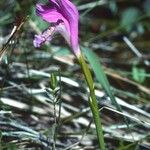
Arethusa bulbosa
Dragon's-Mouth · Arethusa · Aréthuse Bulbeuse · Swamp Pink · Wild Pink
Description
Source: leafsnapArethusa bulbosa, commonly called dragon's mouth orchid, is the only species in the orchid genus Arethusa. The genus is named after a naiad of Greek mythology. This monotypic genus is abbreviated Aret in trade journals. This terrestrial and rare orchid occurs in Eastern North America from Manitoba east to Newfoundland and St. Pierre & Miquelon south to Virginia, with isolated populations in northern Saskatchewan and in the Carolinas. It occurs in bogs, swamps and other wet lowlands. It grows to a height of 15 cm. It forms a large, single, pink terminal flower, with a showy lip and white and yellow fringed crests.
Care Guide
💧 Water
The Dragon's Mouth Orchid thrives in North American wetlands, where it has adapted to high humidity and fluctuating water conditions. To keep it healthy, especially during its active growing season, it's essential to water it weekly. This practice supports successful flowering. As an herbaceous perennial, the Dragon's Mouth Orchid is capable of retaining moisture and tolerating drought.
How should I water my Dragon's mouth orchid?
The best watering techniques for your Dragon's mouth orchid depend on its growth phase. During active growth, water the soil and occasionally spray water over the leaves in warm weather. In winter or cool, wet conditions, focus on watering the soil only. Signs that your orchid needs more water include dry, thin roots and leaves with discoloration. On the other hand, if the plant receives too much water, it will appear limp and mushy. To ensure proper drainage, grow the orchid in a pot with excellent drainage and use a potting mix with good drainage properties. During the growing season, water the plant multiple times per week, making sure water drains quickly through the growing medium. Adjust the amount of water based on the pot size, with larger pots requiring less frequent watering. Use rainwater or distilled water that matches the air temperature as closely as possible for optimal results.
What do I need to do if I give my Dragon's mouth orchid too much or too little water?
To prevent your Dragon's mouth orchid from dying, make sure the soil doesn't stay too wet for too long. Although these plants need frequent watering while they are growing, they also require well-draining soil. If you overwater the plant, it will become mushy and the roots will rot. In that case, use sterilized pruning shears to remove any rotten roots and then repot the orchid in a container with good drainage and fast-draining soil. Keep in mind that excessive repotting may not be beneficial for this plant, so it's important to be mindful of your watering habits. If your Dragon's mouth orchid looks shriveled and feels dry to the touch, it may be underwatered. In this situation, increase the frequency of watering as the soil is drying out faster than expected.
How often should I give water to my Dragon's mouth orchid?
During the active growth stage, which is in spring and summer, you should water your Dragon's mouth orchid once or twice per week. If it's hot and dry for a long period, you may need to water it three times per week or more. In winter, you still need to water it, but not as often. Two to three times per month should be enough during the coldest months. However, if you keep it indoors during winter, remember that indoor locations can dry the soil faster, so you may need to water it more often. In the fall, you can gradually reduce the watering frequency from multiple times per week to the reduced winter schedule.
What should I think about when watering my Dragon's mouth orchid during different seasons and periods of growth?
When planning the watering schedule for your Dragon's mouth orchid, there are two important growth phases to consider. The first phase is the active growth period, which occurs in spring and summer. During this time, it is recommended to water the plant multiple times per week. The second phase is the rest period, which occurs in winter and lasts for about two to three months. For this period, the plant requires less water and fertilization. It is sufficient to water it about once or twice per month. It is advisable to gradually reduce the watering frequency from multiple times per week during fall towards the appropriate rate of once or twice per month for the winter season.
How should I water my Dragon's mouth orchid if I grow it indoors?
The Dragon's mouth orchid prefers a humid growing environment, but indoor locations usually lack enough moisture. This causes the plant to dry out quickly. To help, use a humidifier and water it more often. However, remember that the orchid also needs proper air circulation to avoid excessive moisture and diseases. Adding a fan to the room can ensure the right air flow.
☀️ Light Full sun
Dragon's mouth orchid grows best in full sun, though it can tolerate some shade. Its native habitat is made up of sun-drenched sites. Too little light may slow its growth, while too much can cause leaf burn.
What are the sunlight requirements for Dragon's mouth orchid?
The Dragon's mouth orchid thrives best in full sunlight, requiring above 6 hours of sunlight daily, though it can also manage in partial sun conditions, with about 3-6 hours of sunlight. It's crucial to observe how sunlight moves through your garden to find spots that offer a balance of light and shade, ensuring the plant's health and happiness. In its native habitat, the orchid flourishes in locations that receive ample sunlight, and not receiving enough light can slow its growth, while too much can cause leaf burn.
How can artificial lighting be used for indoor Dragon's mouth orchids?
For indoor Dragon's mouth orchids, where natural sunlight is insufficient, especially during winter or in less sunny spaces, artificial lighting serves as an essential alternative to promote healthy growth. Opting for LED lights, which can provide specific wavelengths necessary for the plant, is advisable. Full sun plants require 30-50W/sq ft of artificial light, partial sun 20-30W/sq ft, and full shade plants 10-20W/sq ft. The light source should be placed 12-36 inches above the plant, simulating natural sunlight, and ensuring it receives 8-12 hours of light per day.
What are the symptoms of inadequate lighting for Dragon's mouth orchid?
Symptoms of insufficient lighting in Dragon's mouth orchid include smaller new leaves, leggy or sparse growth, faster leaf drop, halted or no new growth, and lighter-colored or yellowing leaves due to chlorosis. Excessive sunlight can also cause issues such as sunscald, leaf curling, wilting, and leaf scorching. These symptoms indicate the plant's need for either reduced or increased exposure to light, depending on the signs.
What are the solutions for addressing light-related issues in Dragon's mouth orchid?
For light-related issues, a gradual adjustment to light conditions is key. Indoors, plants should be moved weekly towards sunnier spots until they receive at least 6 hours of direct sunlight, using south-facing windows for maximum exposure. Artificial light, like a desk lamp or professional grow lights, can supplement natural light for at least 8 hours daily. Outdoors, plants should also be moved gradually to prevent sunburn. Pruning obstructions and transplanting can improve sunlight access. It's important to note that parts of the plant damaged by incorrect light exposure may not recover, but new growth will be healthy with proper light.
🌡️ Temperature 0–32.2°C
Dragon's mouth orchid is naturally adapted to a cool to moderate climate and prefers temperatures between 32 and 90 °F (0 to 32 ℃). In winter, keep temperatures above freezing, and in summer avoid excessive heat.
What is the preferred climate for Dragon's mouth orchid?
The Dragon's mouth orchid thrives in a cool to moderate climate, favoring temperatures ranging between 32 to 90°F (0 to 32°C). To keep the plant healthy, it's important to ensure that in winter, temperatures remain above freezing, while in the summer, excessive heat should be avoided. This orchid is quite cold-tolerant and doesn't require extra frost protection during winter. However, it's advisable to water the plant generously before the first freeze in autumn to keep the soil moist and prevent drought and water scarcity during the colder months.
How does low temperature affect Dragon's mouth orchid, and what should be done?
Although the Dragon's mouth orchid is extremely cold-tolerant, it's important to maintain winter temperatures above -35°C to prevent adverse effects. If temperatures fall below this threshold, the orchid might not show immediate damage, but it could lead to decreased sprouting or even failure to sprout in spring. To mitigate this, any parts of the plant that have not sprouted by spring should be removed.
What impact does high temperature have on Dragon's mouth orchid, and how can this be managed?
Dragon's mouth orchid does not cope well with high temperatures, especially those exceeding 32°C. Under such conditions, the plant's growth can halt, and it becomes prone to rot. Managing this involves trimming away any sunburned or dried parts of the plant. It is also beneficial to relocate the plant to a shaded area or use a shade cloth to protect it from midday and afternoon sun. To keep the soil moist, it's advisable to water the plant during the cooler parts of the day, such as in the morning and evening.
💨 Humidity dry (<40%)
This plant prefers dry conditions, so don't mist it. However, watering it less often can also thrive in higher humidity.
🪴 Soil 6-7
🌱 Fertilizer
For the Dragon's mouth orchid, the primary time to fertilize is in early spring while the flowers are forming. The proper fertilizer promotes stronger blooms and helps the orchid produce attractive blossoms. Fertilizing in early spring ensures high-quality flowers during the season and supplies energy for dormant growth phases.
🪴 Pot & Repot
✂️ Pruning
The Dragon's Mouth Orchid needs careful pruning, especially from early to late spring. Remove old stems and spent flowers to promote new growth and blooms. Always use sharp, sterilized tools to prevent infections. Regular maintenance will improve the plant's vigor and enhance its decorative appeal.
🌿 Propagating
🐛 Diseases & pets
☠️ Toxicity
Characteristics
- Plant Type
- Herb
- Life Cycle
- Perennial
- Genus
- Arethusa
- Family
- Orchidaceae
- Hardiness Zone
- 3-7
- Mature Height
- 8 cm to 37 cm
- Mature Spread
- 10 cm to 15 cm
- Leaf Color
- Green
- Leaf Type
- Deciduous
- Flower Color
- Pink, Yellow, Purple, White, Red, Violet, Gold
- Flower Size
- 5.08 cm
- Bloom Time
- Mid spring, Late spring
- Planting Time
- Autumn, Winter
- Harvest Time
- Early summer, Mid summer