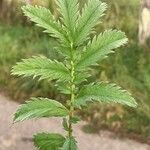
Argentina anserina
Silverweed · Silverweed cinquefoil · Common Silverweed · Silver-feather · Goose Grey
Description
Source: leafsnapArgentina anserina (synonym Potentilla anserina) is a perennial flowering plant in the rose family, Rosaceae. It is known by the common names silverweed, common silverweed or silver cinquefoil. It is native throughout the temperate Northern Hemisphere, often on river shores and in grassy habitats such as meadows and road-sides. The plant was originally placed in the genus Potentilla by Carl Linnaeus in his Species plantarum, edition 1, (1753) but was reclassified into the resurrected genus Argentina by research conducted in the 1990s. The reclassification remains controversial and is not accepted by some authorities. It is a species aggregate which has frequently been divided into multiple species.
Care Guide
💧 Water
Silverweed cinquefoil originally comes from moist environments and thrives in consistently damp soil, although it does have moderate tolerance for drought. To keep it hydrated, it needs to be watered weekly. This plant is commonly found in wet meadows and along streambanks, where it has adapted to the seasonal changes in water levels that greatly affect its growth cycles.
How should I water my Silverweed cinquefoil plant?
To properly water the Silverweed cinquefoil plant, it is recommended to use filtered water at room temperature. Tap water may contain harmful particles that could affect the plant's health. Due to the plant's origin from a warm environment, it is crucial to avoid using cold water as it can shock the system. Additionally, overhead watering should be avoided to prevent foliage complications. Instead, simply apply the filtered water to the soil until it is completely soaked. This method benefits the plant by moisturizing the roots, allowing them to spread and collect necessary nutrients in the soil.
What do I do if I give my Silverweed cinquefoil plant too much or too little water?
Both overwatering and underwatering can harm your Silverweed cinquefoil, but overwatering is more commonly seen. When this plant receives excessive water, its stems and leaves may start to wilt and turn yellow. Overwatering for a prolonged period can also lead to diseases like root rot, mold, and mildew, which can be fatal for your plant. Underwatering is less likely for the Silverweed cinquefoil because it has good tolerance to drought. However, underwatering is still possible and can result in brittle and brown leaves. It is important to be observant for signs of overwatering when caring for your Silverweed cinquefoil. Some diseases caused by overwatering, such as root rot, may not be reversible if you delay action. If you notice early signs of overwatering, reduce your watering immediately. It is also advisable to check the soil quality where your Silverweed cinquefoil is planted. If the soil drains poorly, replace it with loose and well-draining potting mix. Conversely, if you notice signs of inadequate water for your plant, simply water it more regularly until the signs improve.
How much should I water my Silverweed cinquefoil plant?
If your Silverweed cinquefoil is in a pot, the best way to determine if it needs water is by checking the soil. Stick your finger into the soil and if the top two to three inches are dry, it's time to water it. If you grow your Silverweed cinquefoil outdoors in the ground, you can use the same method. When the top few inches of soil have dried out, it's time to water. Typically, during the spring and early fall, watering once a week is sufficient. However, during extremely hot weather, you may need to water it two or more times a week. It's important to note that mature, well-established Silverweed cinquefoil can tolerate drought well.
How much water does my Silverweed cinquefoil plant need?
To properly water your Silverweed cinquefoil, it's important to be generous with the amount of water you give. When the top two to three inches of soil are dry, it's time for a thorough watering. Make sure to water enough to completely saturate the soil, allowing excess water to drain through the holes at the bottom of the pot. If you don't see water draining out, you may have not watered enough, but be careful not to let water accumulate in the soil as that can harm the plant. If there is no drainage, it could be a sign of poorly draining soil, which is not good for the plant's health. If the plant is outside, receiving about an inch of rain per week will be sufficient.
How do I water my Silverweed cinquefoil as it grows?
The watering requirements for the Silverweed cinquefoil can vary depending on its growth stages. In the first few years or after transplanting, you will need to provide more water than usual. During these stages, the plant focuses on developing new roots to support future growth, and these roots perform best when adequately moisturized. As the plant matures, it will require less water. Additionally, during the blooming period, the flower development process requires significant moisture, so you may need to increase watering at this time.
☀️ Light Full sun
Silverweed cinquefoil is a perennial, herbaceous, sun-loving plant that comes from open habitats and often does well in meadows and grasslands. It prefers full sun but can also tolerate partial sun conditions.
What are the sunlight requirements for Silverweed cinquefoil?
Silverweed cinquefoil thrives in full sunlight, requiring more than 6 hours of sunlight. It can also tolerate partial sun conditions, which means about 3-6 hours of sunlight. Observing the movement of sunlight through your garden and choosing spots that provide the perfect balance of light and shade is crucial for the wellbeing of your plants.
How does artificial lighting benefit indoor Silverweed cinquefoil plants?
Indoor Silverweed cinquefoil plants benefit significantly from artificial lighting, especially when natural sunlight is lacking. This is particularly useful during winter or in spaces that don't receive enough sunlight. LED lights are favored for their ability to be customized to specific wavelengths needed by plants. Full sun plants require 30-50W per square foot of artificial light, partial sun plants need 20-30W, and full shade plants need 10-20W. Proper positioning of the light source (12-36 inches above the plant) and mimicking natural daylight hours (8-12 hours per day) are key for healthy growth.
What symptoms indicate a Silverweed cinquefoil is receiving inadequate light?
Symptoms of inadequate lighting in Silverweed cinquefoil include smaller new leaves, leggy or sparse growth, faster leaf drop, slower or no new growth, and lighter-colored new leaves. Conditions like chlorosis and sunscald also indicate poor lighting, with chlorosis showing yellowing leaves from excessive sunlight and sunscald causing pale, bleached areas on the plant. Additionally, leaf curling, wilting, and scorching are signs of stress from inappropriate sunlight exposure.
What solutions exist for Silverweed cinquefoil suffering from inadequate sunlight?
For indoor plants, gradually moving them to sunnier spots to ensure at least 6 hours of direct sunlight daily is beneficial. Using south-facing windows and keeping curtains open during the day maximizes sunlight exposure. Artificial lights can supplement light for large or immovable plants, with at least 8 hours of light daily encouraged. Outdoors, acclimatize plants to increased sunlight by weekly transitioning them to sunnier areas, avoiding sudden changes to prevent sunburn. Reducing obstructions and transplanting during the dormant period can also increase sunlight exposure.
🌡️ Temperature 5–32.2°C
Silverweed cinquefoil can adapt to a wide range of temperatures, but its distribution can still be limited by different combinations of moisture and heat. It does best in warm summer climates with adequate rainfall or watering. Extended periods of cloudy, rainy weather or prolonged high temperatures can increase the likelihood of Silverweed cinquefoil dying. In winter, proper protection against cold can improve the plant's survival rate.
What are the best conditions for Silverweed cinquefoil to thrive?
Silverweed cinquefoil, scientifically known as Argentina anserina, is highly adaptable and flourishes in warm climates with adequate summer rainfall or watering. It can survive a wide range of temperatures, though its growth may be inhibited by particular combinations of water and heat conditions. While it possesses strong resistance to cold, ensuring it is adequately protected during very low winter temperatures (below -30°C) by covering it with materials like soil or straw can enhance survival. For best winter preparation, watering the plant abundantly before the first freeze to keep the soil moist is recommended.
How does Silverweed cinquefoil react to low temperatures?
Silverweed cinquefoil is notably cold-tolerant, thriving best at temperatures above 5°C and surviving winters well above -25°C. However, exposure to temperatures below -30°C might not show immediate signs of distress, but could potentially lead to decreased sprouting or a complete lack of sprouting in spring. To mitigate these issues, removing any non-sprouting parts in spring can help encourage healthy growth.
What should I do if Silverweed cinquefoil experiences high temperatures?
During summer, it's crucial to ensure that Silverweed cinquefoil doesn't get too hot; temperatures should be kept below 32°C. If the temperature climbs above 35°C, the plant may exhibit stress signs such as leaves turning lighter, curling, experiencing sunburn, or the plant wilting and drying out. In such scenarios, trimming sunburned or dry parts, relocating the plant to a shadier spot, or using a shade cloth to protect it from direct midday and afternoon sun can be beneficial. Additionally, watering the plant during cooler times like mornings and evenings helps maintain soil moisture and supports the plant's health.
💨 Humidity
🪴 Soil 6-7
🌱 Fertilizer
The best time to fertilize Silverweed cinquefoil is in early spring, as it comes out of dormancy and begins active growth. Applying fertilizer supplies essential nutrients needed for healthy development. Although this plant has relatively low feeding requirements, an annual application can improve its survival and encourage better, longer-lasting blooms.
🪴 Pot & Repot
✂️ Pruning
Silverweed cinquefoil is known for its attractive, fern-like leaves and bright yellow flowers. To promote growth and prevent invasiveness, it's important to prune the plant from early to late spring. Pruning helps remove dead stems and extend the blooming period by deadheading. For the best care practices, consult reliable horticultural sources.
🌿 Propagating
🐛 Diseases & pets
☠️ Toxicity
Argentina anserina has no toxic effects reported.
Characteristics
- Plant Type
- Herb
- Life Cycle
- Perennial
- Genus
- Argentina
- Family
- Rosaceae
- Hardiness Zone
- 4-8
- Mature Height
- 8 cm to 25 cm
- Mature Spread
- 91 cm
- Leaf Color
- Green, Dark Green
- Leaf Type
- Semi-evergreen
- Flower Color
- Yellow
- Flower Size
- 1.52 cm to 2.54 cm
- Bloom Time
- Mid spring, Late spring, Early summer, Mid summer
- Planting Time
- Spring, Summer
- Harvest Time
- Summer, Early fall