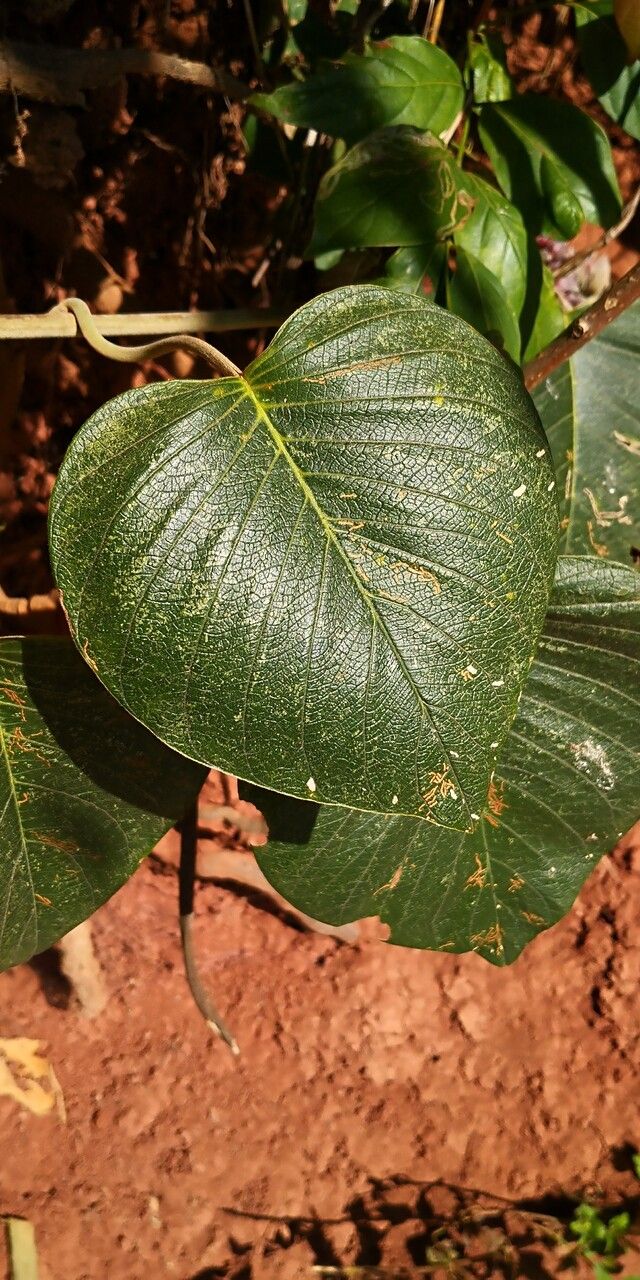
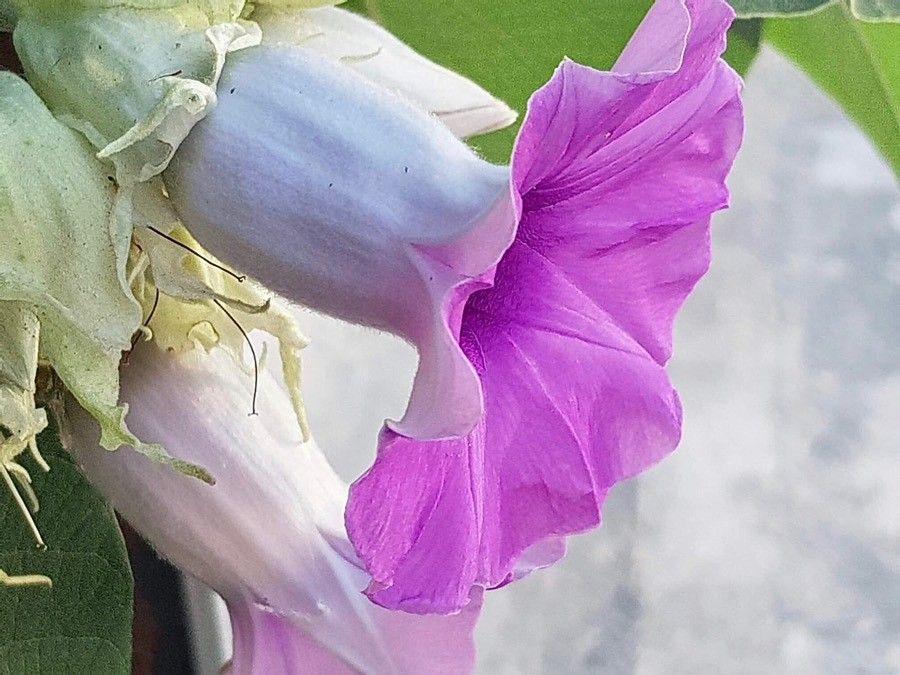
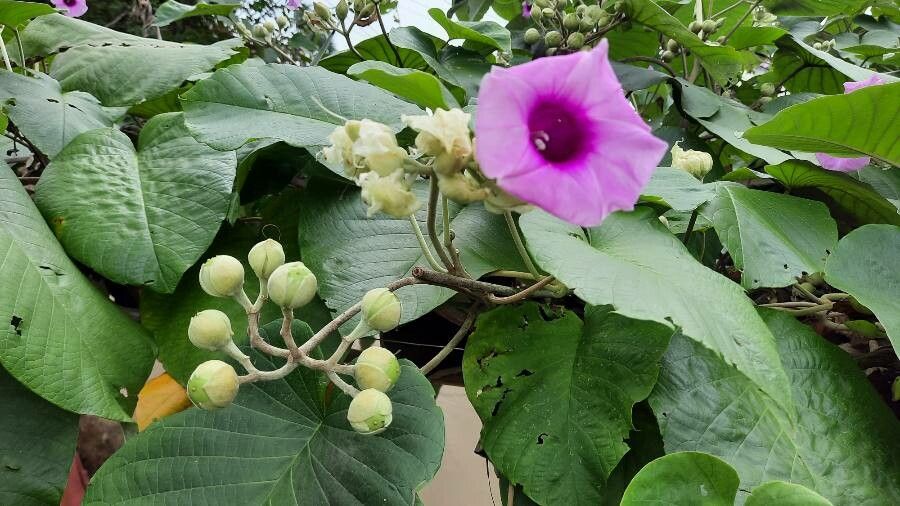
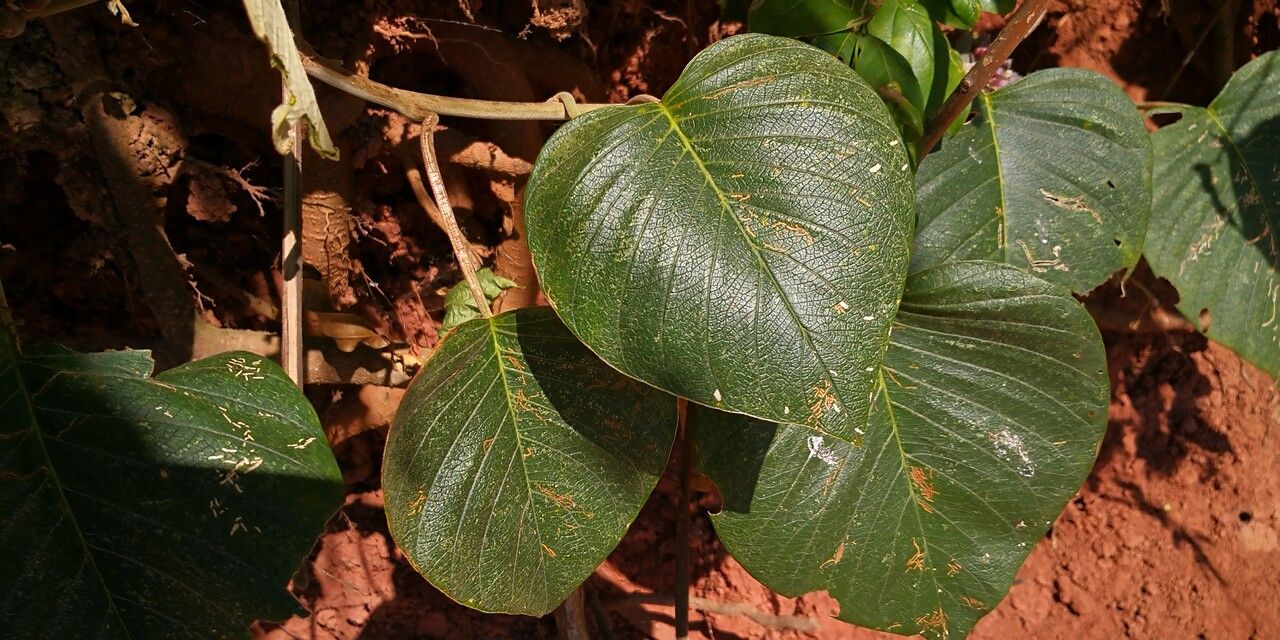
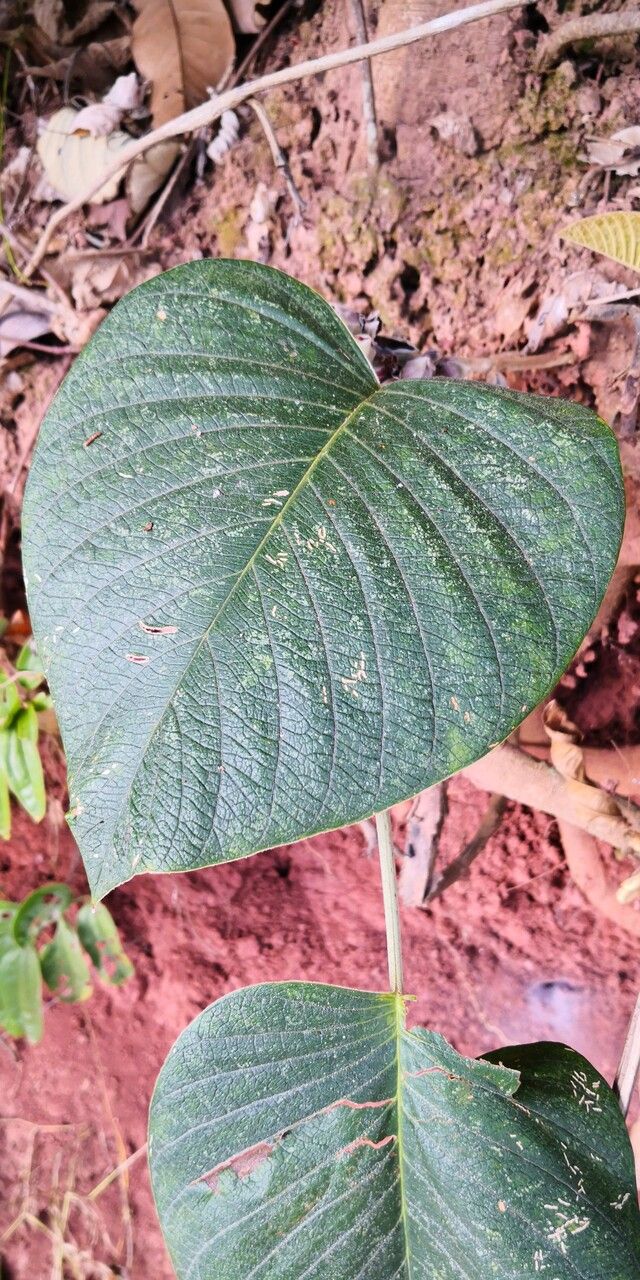
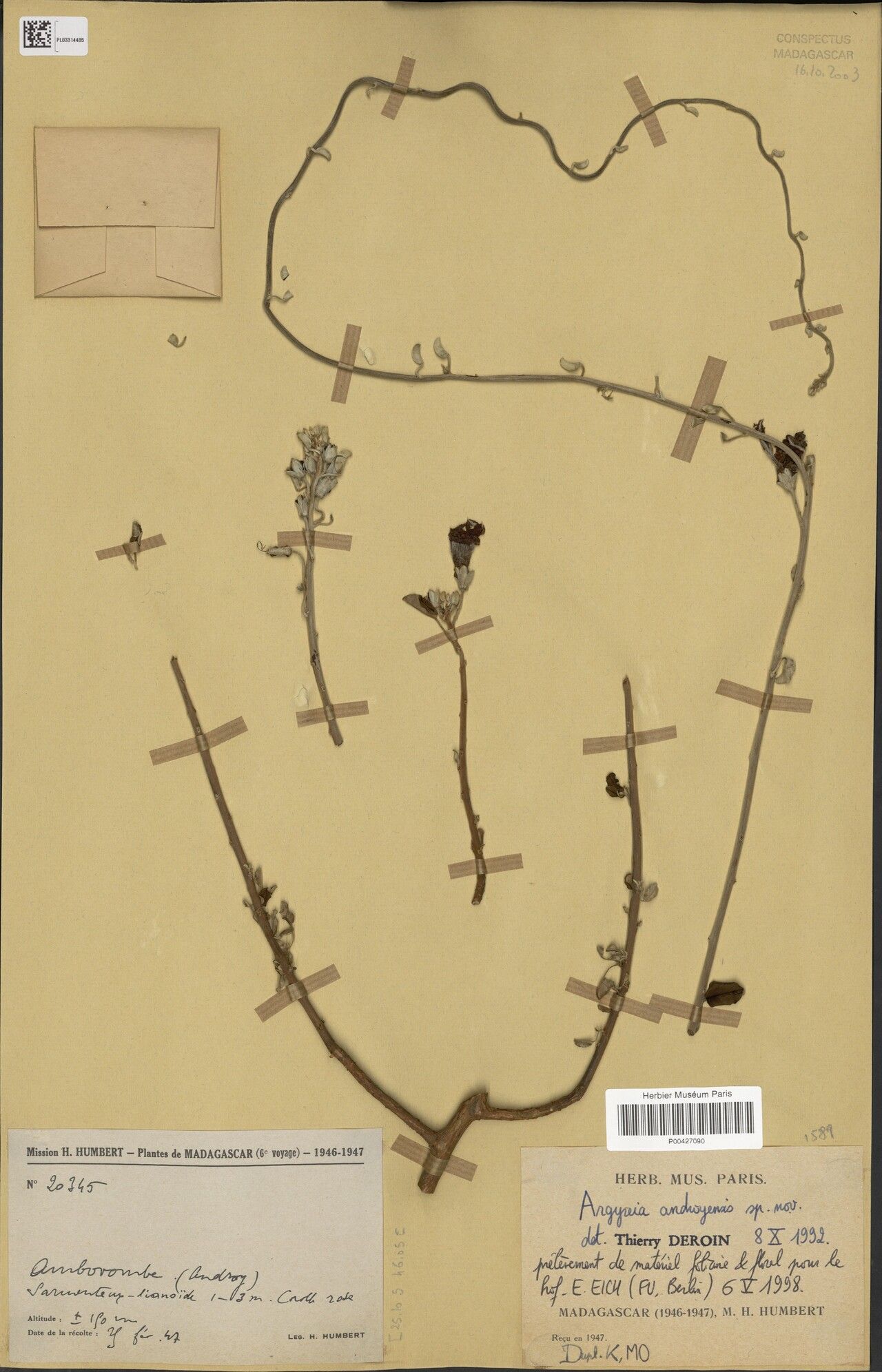
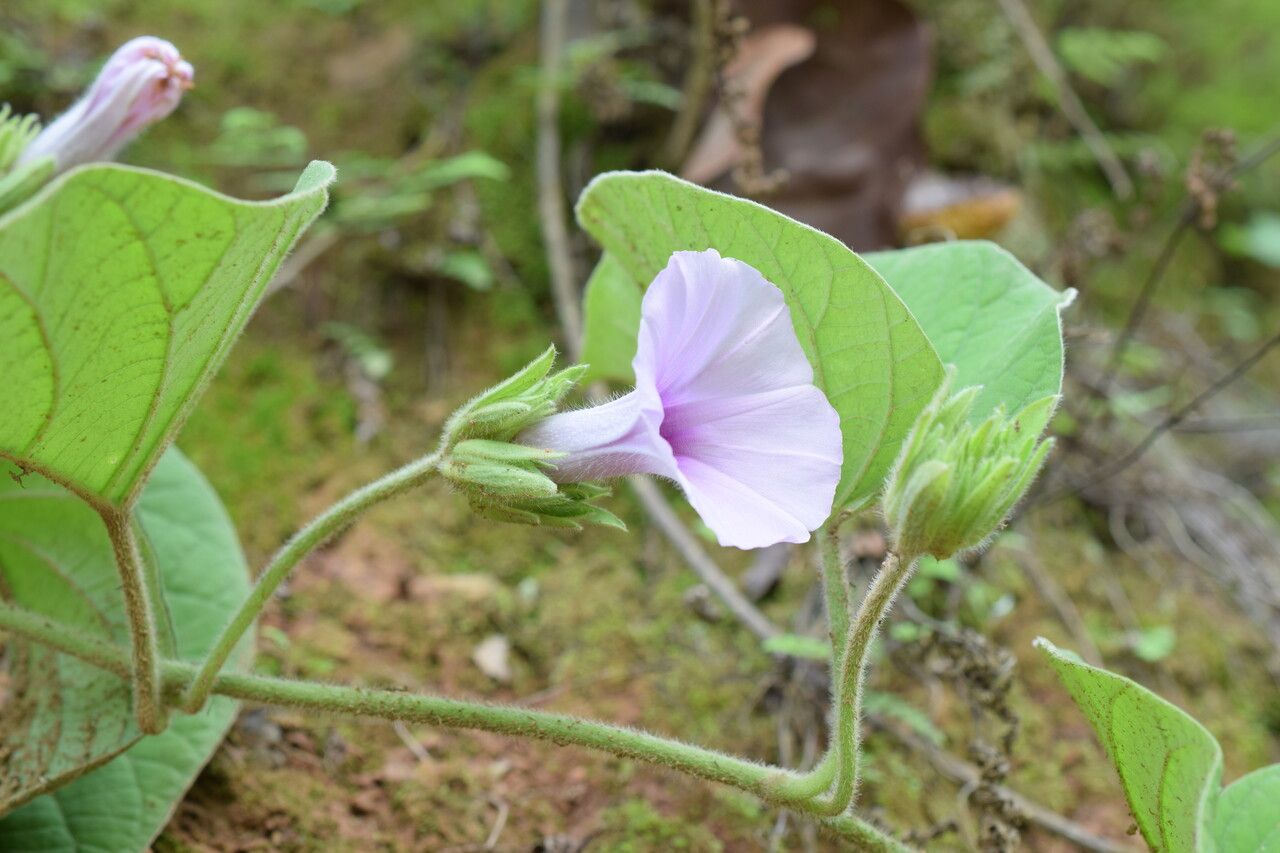
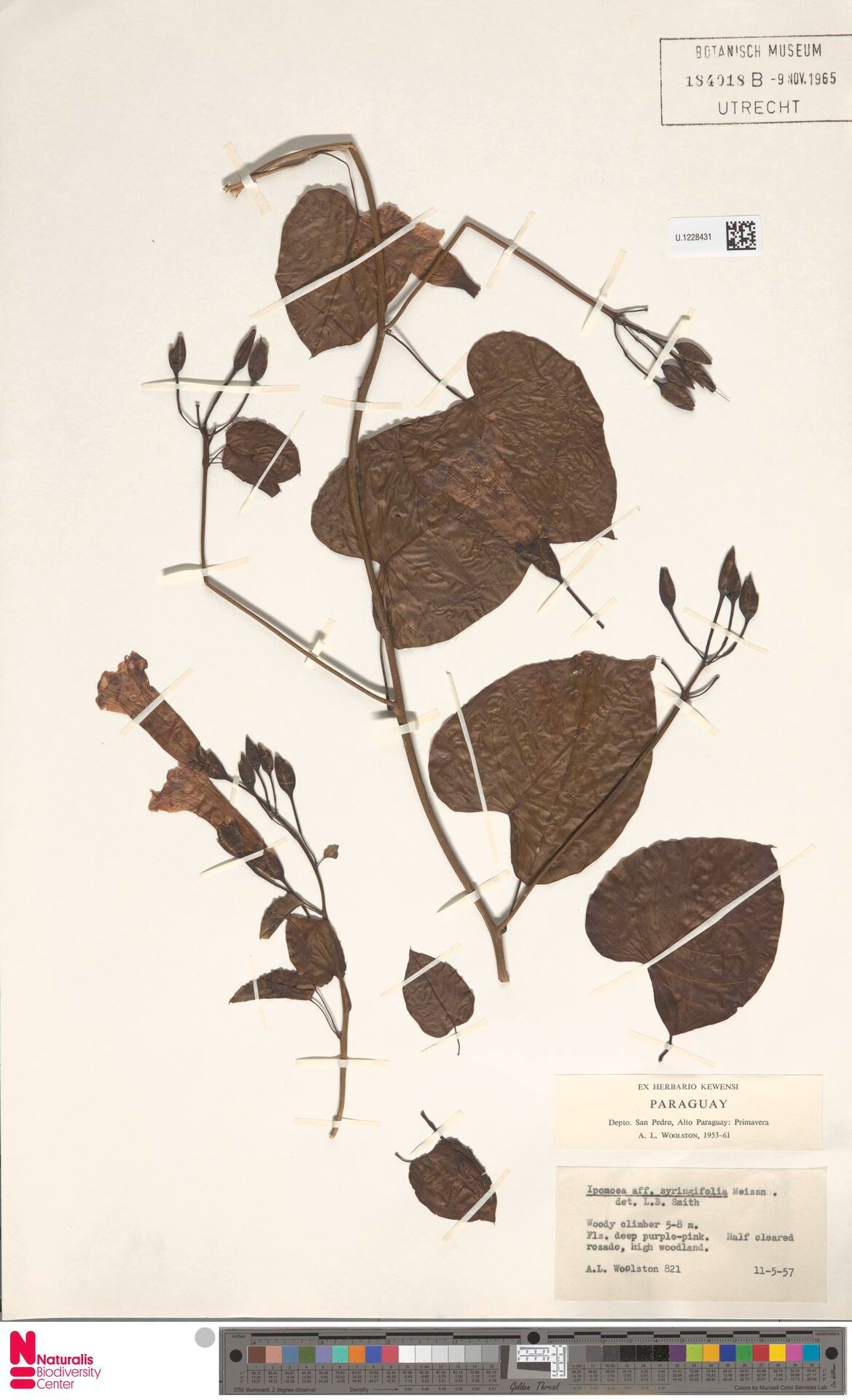
Argyreia nervosa, commonly known as Hawaiian baby woodrose, is a perennial climbing vine that belongs to the Convolvulaceae family. Native to the Indian subcontinent and Southeast Asia, it has also been introduced and naturalized in many other parts of the world. The plant features large, heart-shaped leaves that are green on top and white underneath, along with trumpet-shaped flowers that display pink or purple hues.
The seeds of Argyreia nervosa contain psychoactive compounds, such as ergine (LSA), which can induce hallucinations when ingested. Traditionally, the plant has been used in medicine for its various therapeutic properties, including the treatment of fever, inflammation, and pain.
In recent years, Argyreia nervosa has become popular among recreational drug users due to its hallucinogenic effects. However, it is important to note that consuming large amounts of seeds can be dangerous, leading to adverse effects such as nausea, vomiting, dizziness, and even death.
Overall, Argyreia nervosa is a fascinating plant with both medicinal properties and recreational potential. Nonetheless, it should be used with caution and under the proper guidance of experts or medical professionals.
Elephant creeper is fairly disease-resistant and typically does not suffer from many illnesses. Still, it can be vulnerable to pests and diseases present in its surroundings. Such infections are usually not severe. In terms of care, the plant requires moderate maintenance. Regular pruning is needed to maintain a good appearance and support healthy growth. Fertilizing can also help encourage flowering. Elephant creeper is suitable for anyone with an outdoor area, such as a garden or patio, and does not demand a lot of care experience. It may need extra attention when grown indoors.
How to keep Argyreia Nervosa.
Light
Elephant creeper does best with plenty of light for most of the day, yet it remains tolerant of lower sunlight. Native to areas with abundant sun, the plant benefits from this exposure, which boosts its growth and overall health. However, both excessive and insufficient light can produce negative effects on the elephant creeper.
Water
Originating from the warm and humid regions of India, the elephant creeper thrives when it receives consistent moisture without becoming waterlogged. Watering it once a week is usually enough. This plant grows well indoors and benefits from high humidity, which helps maintain its evergreen foliage and vibrant leaves year-round.
Temperature
Elephant creeper is native to areas where temperatures range from 68 to 100.4 °F (20 to 38 ℃). It does best in those same temperature conditions. Seasonal adjustments are necessary in cooler climates. Take care to keep temperatures above 68 °F (20 ℃) during the colder months.
Fertilizer
Proper fertilization is essential for Elephant creeper's health and appearance. Fertilize the Elephant creeper during summer, repeating the treatment monthly throughout the season. Nutrients drive growth and support the plant's parts. Fertilization improves the Elephant creeper's flower display, ensuring its best blooms.
Pruning
Elephant creeper is a robust climbing plant with large, heart-shaped leaves and vibrant flowers. To promote growth and shape the plant, it is best to prune it from early to late spring. Regular pruning improves airflow, reduces the risk of disease, and encourages flowering. For the best results, use clean, sharp tools.
Botanical profile.
- Plant Type
- Herb, Vine
- Life Cycle
- Perennial
- Genus
- Argyreia
- Family
- Convolvulaceae
- Hardiness Zone
- 9-12
- Mature Height
- 10.06 m
- Mature Spread
- 49 cm to 91 cm
- Leaf Color
- Green
- Leaf Type
- Deciduous
- Flower Color
- Pink, Purple
- Flower Size
- 5.08 cm to 7.62 cm
- Bloom Time
- Summer, Early fall, Mid fall
- Planting Time
- Spring, Summer
- Harvest Time
- Late summer, Fall, Early winter
- Native Area
- India
Other names.
Reader questions.
What are the sunlight requirements for Elephant Creeper?
Elephant Creeper requires full sun exposure of above 6 hours of sunlight per day to thrive effectively, although it can still grow under partial sun conditions, which means about 3-6 hours of sunlight per day. It's crucial to observe how sunlight traverses your garden throughout the day to ensure spots chosen for your Elephant Creeper provide an optimal balance of light and shade, contributing to the plant's health and happiness.
What is the native temperature range for Elephant creeper?
Elephant creeper, also known as Argyreia nervosa, is native to areas where the temperature ranges from 68 to 100.4 °F (20 to 38 °C). It thrives in these temperature conditions and requires seasonal adjustments in cooler climates. For optimal growth, it's important to maintain temperatures above 68 °F (20 °C) during the colder months. Elephant creeper is extremely heat-loving, so exposure to cold can be detrimental. In regions with cooler autumns, it's advised to bring the plant indoors and place it near a bright window, keeping it away from direct heat sources to ensure the temperature remains above 20°C. Additionally, any temperature near or below 0°C can severely harm the plant.
How does sunlight affect the growth of Elephant Creeper?
Elephant Creeper shows significant growth and health benefits when exposed to plenty of sunlight for most of the day, thanks to its origin in environments with abundant sunlight. Whether it receives excessive or insufficient light, both conditions can adversely affect its growth, leading to undesirable outcomes. Hence, ensuring the right amount of sunlight is fundamental for the proper growth of Elephant Creeper.
How does low temperature affect Elephant creeper and what are the solutions?
Elephant creeper is sensitive to low temperatures and prefers environments above 20°C. Exposure to temperatures under 0°C can cause its leaves to lighten in color, and if it falls below -5°C, frost damage may occur, turning leaves brown or black, and leading to wilting and drooping. The solution for frost damage includes trimming off the frost-damaged parts and moving the plant to a warmer indoor environment immediately for cold protection. It's best to place the plant near a south-facing window to ensure it gets ample sunlight while avoiding placement near heaters or air conditioning vents, which can cause dryness.
What are the recommendations for artificial lighting for Elephant Creeper?
In situations where natural sunlight is scarce, such as during winter or in less sunny indoor spaces, artificial lighting becomes crucial for the growth of Elephant Creeper. Optimal growth can be achieved by selecting the right type of artificial light, with LED lights being recommended for their ability to provide specific wavelengths needed by plants. For full sun plants, 30-50W per square foot is advised, for partial sun plants 20-30W per square foot, and for full shade plants 10-20W per square foot. Proper placement of the light source should be about 12-36 inches above the plant, and mimicking natural daylight hours, most plants will need about 8-12 hours of artificial light daily.
What are the effects of high temperature on Elephant creeper and how can they be mitigated?
Elephant creeper should ideally be kept in environments with temperatures below 38°C during the summer. Temperatures exceeding 43°C can cause the leaves to lighten and increase the plant's susceptibility to sunburn. To mitigate the effects of high temperatures, trim away any sunburned or dried parts of the plant. Relocate the Elephant creeper to a shaded area, especially from the midday and afternoon sun, and ensure the soil remains moist by watering in the morning and evening. This will help protect the plant from the adverse effects of extreme heat.
What are the key symptoms of improper lighting conditions for Elephant Creeper?
Inadequate lighting can manifest in several symptoms for Elephant Creeper, including small leaves, leggy or sparse growth, faster leaf drop, slower or no new growth, lighter-colored new leaves, chlorosis, sunscald, leaf curling, wilting, and leaf scorching. These symptoms can indicate either too much or too little exposure to light, stressing the importance of finding a balanced lighting environment for the plant.
How can lighting conditions be improved for Elephant Creeper?
Improving lighting conditions for Elephant Creeper involves several strategies both for indoor and outdoor settings. Indoors, gradually moving the plant to sunnier locations or using artificial lighting like desk or ceiling lamps for at least 8 hours daily can help. Outdoors, adjusting the plant's location gradually to acclimate it to brighter spots is essential to avoid sunburn. Moreover, reducing obstructions such as pruning trees or relocating the plant to sunnier areas ensures better light exposure. It's vital to remember that while parts of the plant affected by insufficient sunlight may not recover, new growth will be healthy with increased light exposure.