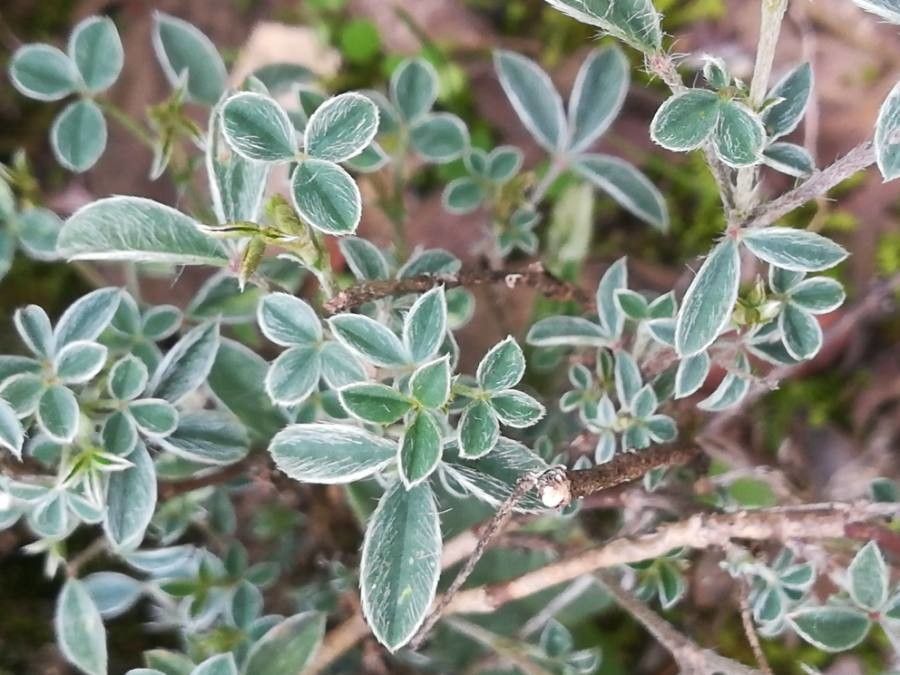
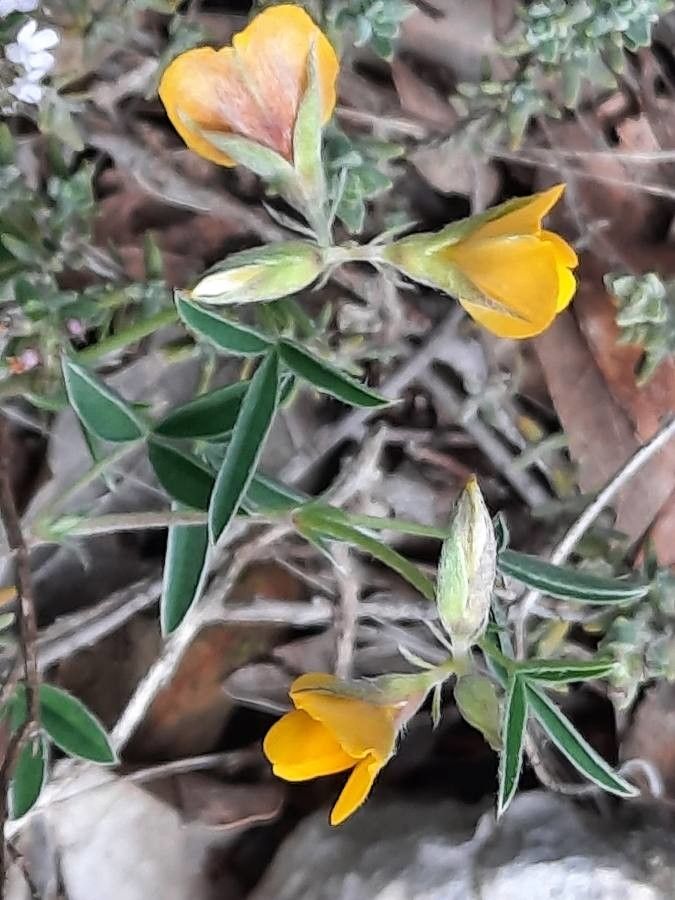
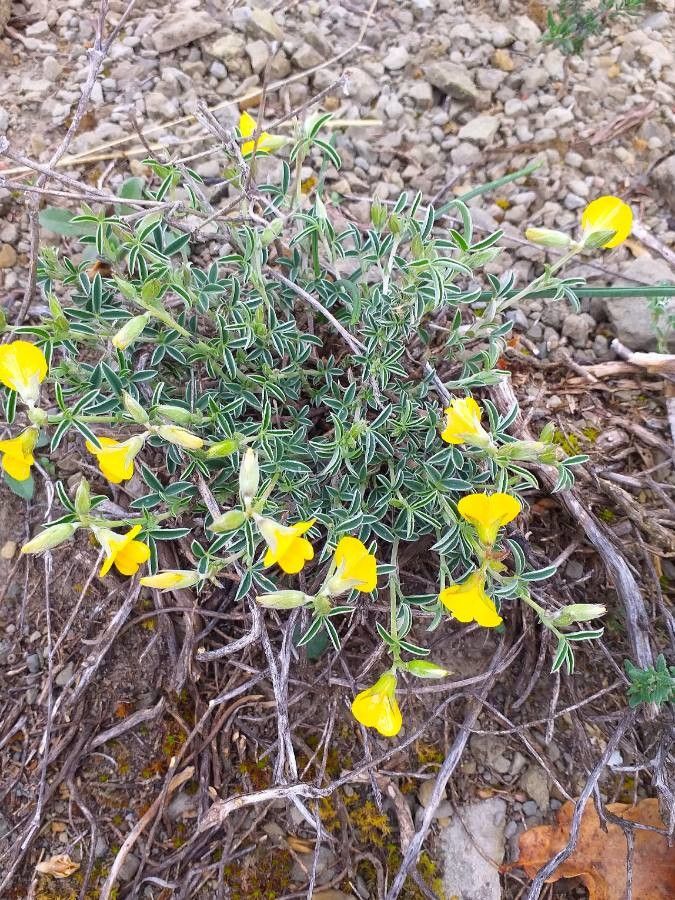
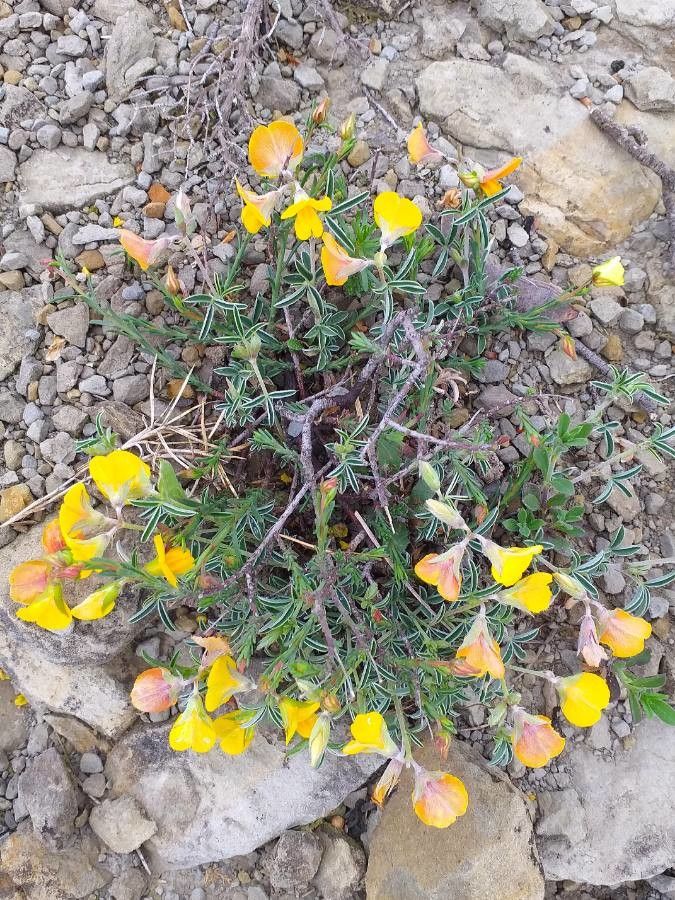
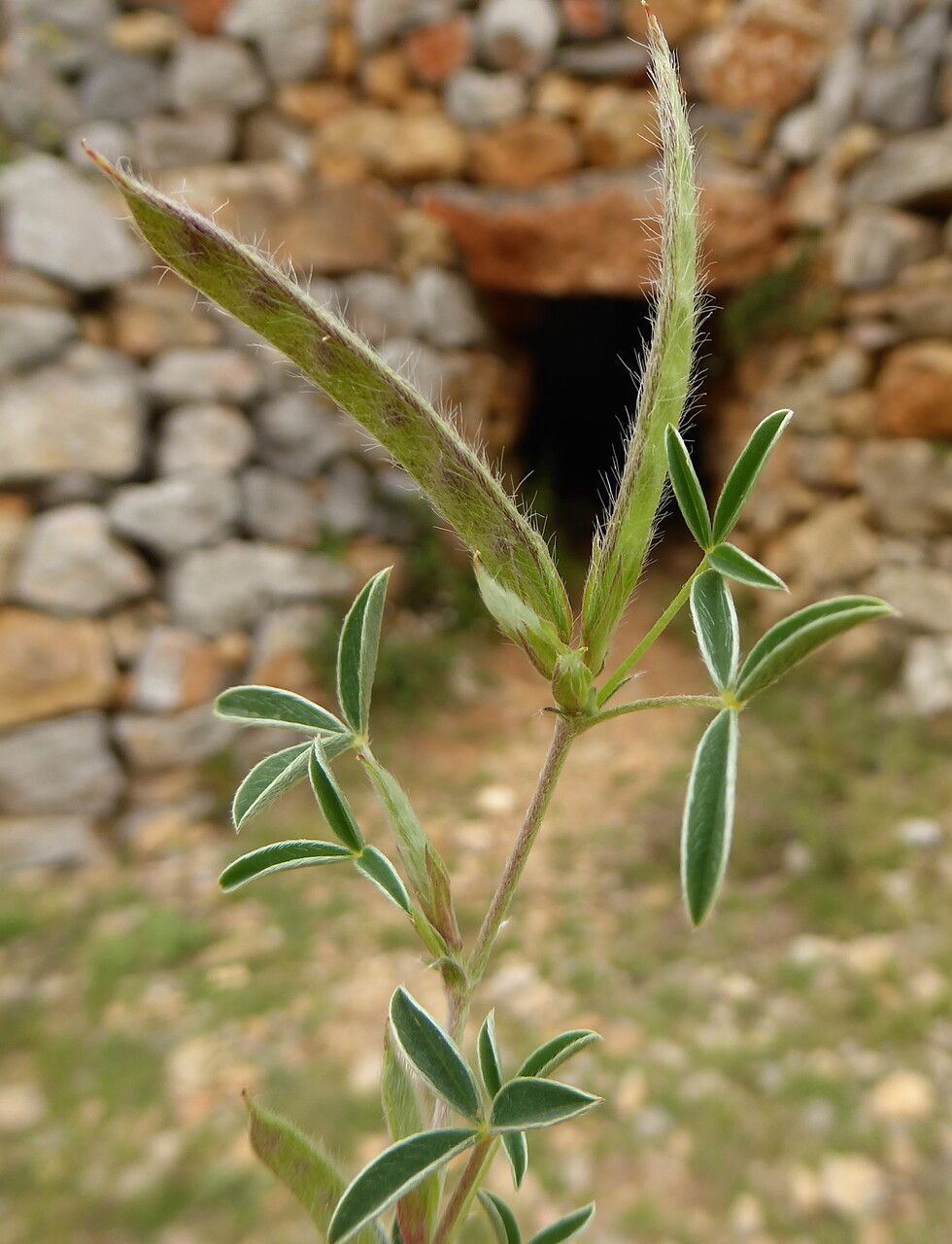
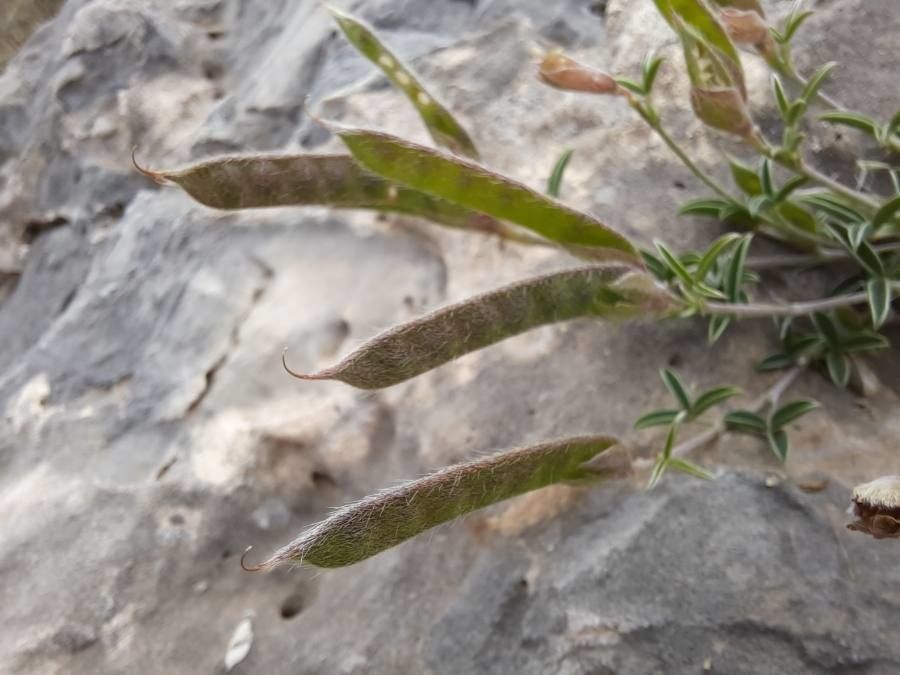
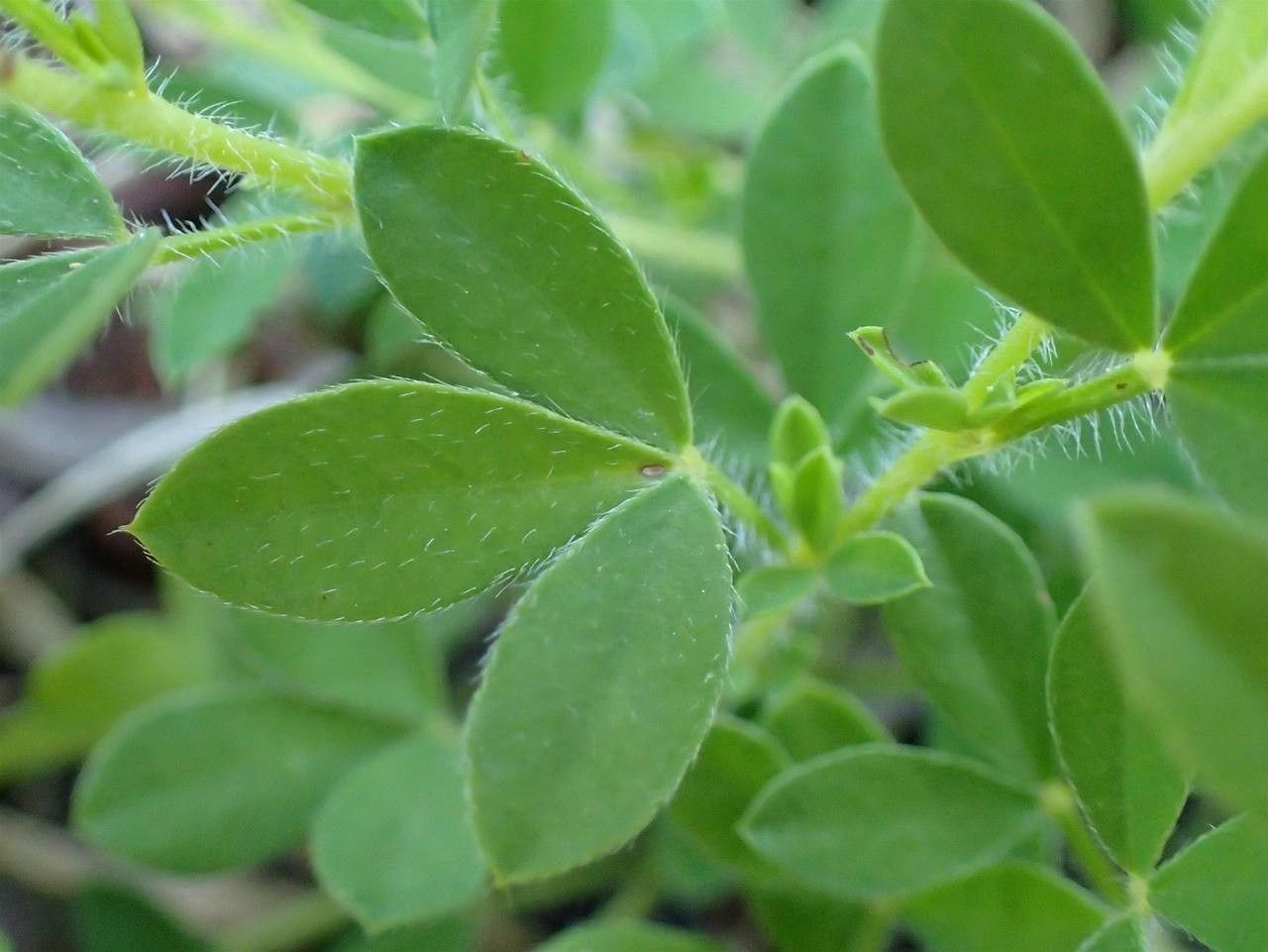
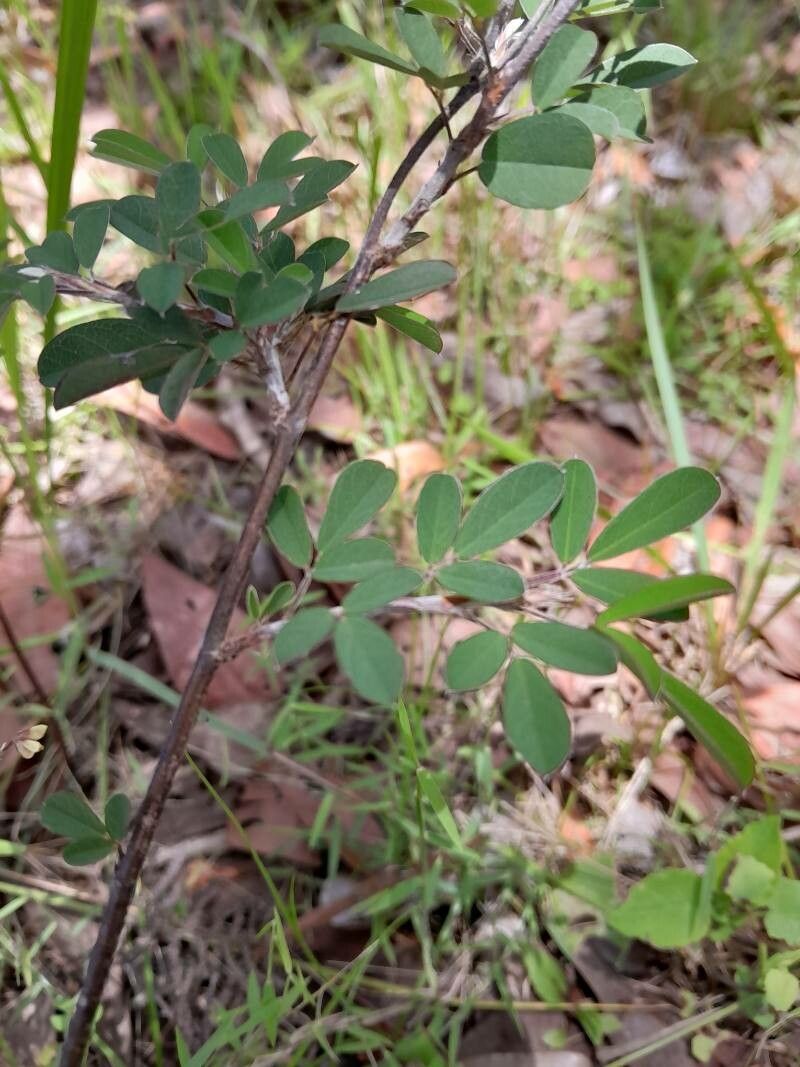
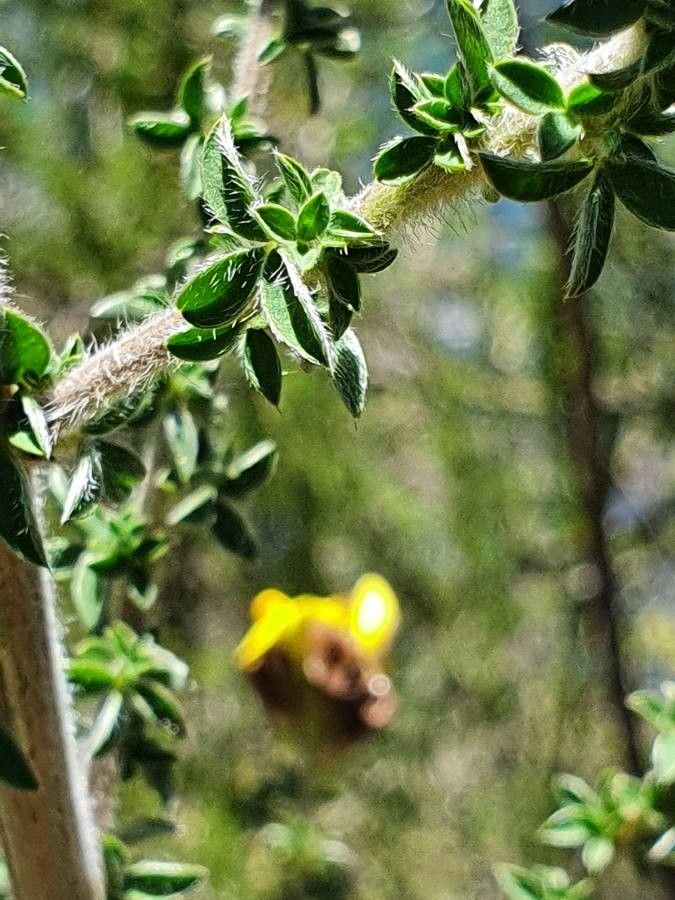
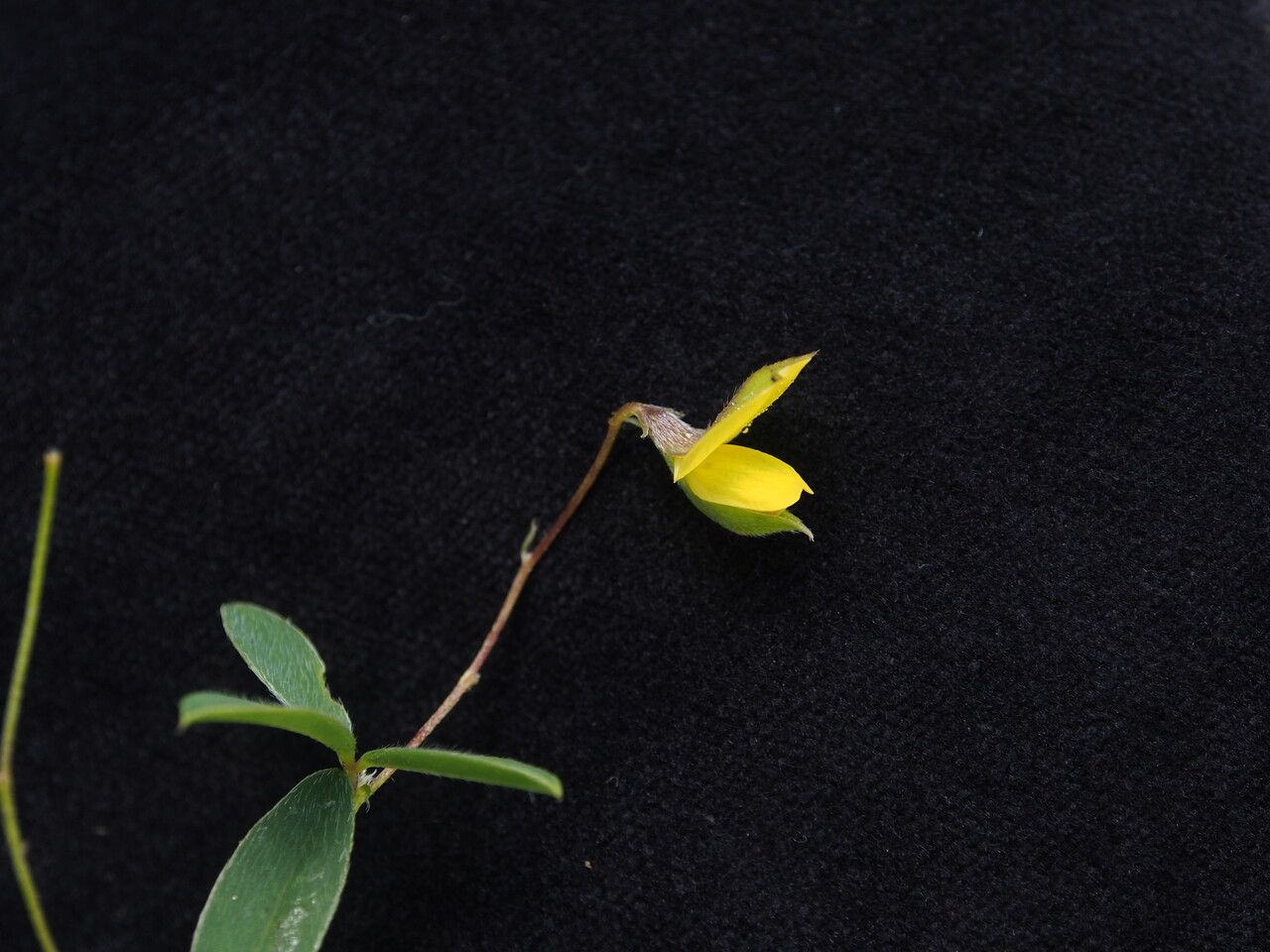
Argyrolobium zanonii is a species of shrubby flowering plant in the family Fabaceae. It is native to Europe and Africa, occurring in countries situated in the Western and Central Mediterranean, including, but not limited to, Greece, countries of Northwest Balkans, France, Spain, Morocco, Algeria and Tunisia. Additionally, it has been introduced into Germany.
Silver broom is resistant to disease and is generally not susceptible to illness. Regarding care, this plant is fairly low-maintenance. When grown outdoors it needs little water, and larger specimens typically do not require pruning. However, smaller plants should be trimmed after they finish blooming. Silver broom is suitable for anyone with an outdoor area, such as a garden or deck, and does not demand extensive care experience.
How to keep Argyrolobium Zanonii.
Light
Silver broom comes from open habitats, such as sunny meadows and forest edges, which receive abundant light. It does best in Full Sun but will also tolerate Partial Sun, adapting well to a range of sunlight conditions.
Water
Silver broom is well-suited to semi-arid environments and needs watering only every 2-3 weeks, allowing the soil to dry out completely between waterings. It prefers full sun and thrives outdoors, where it is well-adapted to drought conditions and can rely on natural rainfall for moisture.
Temperature
Silver broom shows strong adaptability to a variety of climate conditions, whether in blazing summers or frosty winters. Still, it has a preferred temperature range for healthy growth. If temperatures become too high, the plant is susceptible to heat and humidity stress, which can cause it to die. In areas where temperatures approach the lower edge of its cold tolerance, it is important to use insulation measures to protect the plant.
Fertilizer
Timing is important when fertilizing Silver broom. Apply fertilizer in early spring and repeat monthly through early summer. Fertilizer promotes attractive blooms and supplies energy during both dormancy and active growth.
Pruning
The silver broom plant is known for its vibrant yellow flowers and silvery leaves. To keep it in good shape and remove any damaged wood, it's best to do some light pruning in early spring. Be careful not to prune too heavily, as this can stress the plant. Always use clean tools to prevent disease. Pruning once a year helps maintain healthy growth and encourages the plant to bloom more abundantly.
Botanical profile.
- Plant Type
- Shrub
- Life Cycle
- Perennial
- Genus
- Argyrolobium
- Family
- Fabaceae
- Hardiness Zone
- 7-10
- Mature Height
- 20 cm
- Mature Spread
- 30 cm to 61 cm
- Leaf Color
- Green, Light Green
- Leaf Type
- Deciduous
- Flower Color
- Yellow
- Flower Size
- 1.02 cm to 1.52 cm
- Bloom Time
- Mid spring, Late spring, Early summer
- Planting Time
- Spring, Summer
- Harvest Time
- Summer
Other names.
Reader questions.
How should I water my Silver broom plant?
To ensure excellent root development, it is recommended to place a garden hose at the base of the plant instead of directly spraying the leaves. If the plant is outdoors and exposed to direct sunlight, the leaves may require more watering. Alternatively, you can use bubblers or soaker hoses to moisten the roots. When adding or removing plants, consider using soaker hoses that can cover the entire garden or bed to promote deep root growth. After watering, make sure to drain any excess water and allow the soil to dry before watering again. To prevent diseases, water at ground level rather than spraying the leaves. On a sunny day, you may choose to spray the entire bush with water. Whether the plant is potted or in-ground, remember that Silver broom prefers deep watering rather than light sprinkling.
What are the sunlight requirements for Silver Broom?
Silver Broom, scientifically known as Argyrolobium zanonii, thrives best in environments that provide full sun, which means it requires more than 6 hours of sunlight daily. However, it can also adjust well to partial sun conditions, requiring about 3 to 6 hours of sunlight. It's important to observe how sunlight moves through your garden to identify spots that offer a healthy balance of light and shade, ensuring the plant's wellbeing.
What is Silver Broom?
Silver broom, known botanically as Argyrolobium zanonii, is a plant species recognized by its distinct name but does not have additional information on its essentials or symptoms as provided in the data.
What do I do if I give Silver broom too much/not enough water?
If a Silver broom is overwatered, its leaves may turn yellow, drop off, and wilt. The plant may also appear dull and unhealthy with mushy stems. To address these signs, adjust your watering schedule as necessary. Conversely, wilting can also indicate under watering. In this case, the leaves may become dry and crispy while overwatered leaves will be soft and wilted. If the soil is dry and watering alone is insufficient, give the plant a thorough watering in a timely manner. Sufficient water will help the Silver broom recover, but the plant may still exhibit dryness and yellowing leaves for a few days due to root damage. Once the plant returns to normal, the yellowing leaves will stop. When caring for the Silver broom indoors, always check the moisture levels in the pot and avoid overwatering. Look out for black spots as a sign of overwatering. If present, allow the soil to dry out by abstaining from watering for a few days. Overwatering can lead to root rot, so if you observe discolored and slimy roots, consider transferring the plant to a different pot. Preventing root rot is essential, so avoid allowing the soil to become too soggy. When planting the Silver broom outdoors, ensure the soil is adequately moist by digging a little deeper. If the soil feels too dry when checked with your fingers, it may indicate underwatering. In such cases, providing sufficient water is necessary for the plant's recovery.
Where does Silver Broom originate from and how does it grow?
Silver Broom originates from open, sunny environments like meadows and forest edges, where it can receive ample light. This plant is well-adapted to full sun but can tolerate partial sun, making it versatile in adapting to various sunlight conditions. Its natural habitat suggests it prefers locations that mimic the light availability of its original environment.
How frequently should I water my Silver broom?
The Silver broom prefers deep, infrequent watering. If planted in pots, it is important to soak them in a gallon of water each time due to limited water storage and faster soil dry-out. In cold regions, watering is required every 3 to 5 days. Water the plant early in the morning when the soil is dry, indoors or outdoors. Check the soil moisture by feeling the top 2-3 inches - if dry, water thoroughly. During hot days, check the moisture daily as heat can quickly dry out the soil in pots. For gardens, irrigation is necessary. In hot climates, watering once a week is sufficient when about 2 to 3 inches of soil become too dry. Avoid adding water if there is sufficient rainfall to prevent root rot. Add 3 to 4 inches of mulch when the Silver broom is outdoors to conserve water. Sandy soil requires more frequent watering, while clay soil requires less to avoid root rot. Keep track of watering dates and pay attention to drooping leaves as a sign that watering may be needed.
Can artificial lighting be used for Silver Broom? If yes, how?
Yes, artificial lighting can be an essential alternative for growing Silver Broom indoors, especially when natural sunlight is insufficient. LED lights are recommended due to their ability to be customized to provide specific light wavelengths needed by the plant. For plants requiring full sun, 30-50W per square foot is ideal; for partial sun conditions, 20-30W per square foot; and for full shade, 10-20W per square foot. The light source should be placed 12-36 inches above the plant, mimicking natural sunlight as closely as possible, and provided for 8-12 hours per day.
How much water should I give my Silver broom?
The Silver broom generally needs about a gallon of water on each schedule. For potted plants, water them deeply until you see water dripping from the bottom of the pot. Then, allow the soil to dry before watering again. You can use a water calculator or moisture meter to determine the weekly amount for your plant. During the flowering period, provide plenty of water but let the moisture evaporate to avoid root rot. If the Silver broom is planted outside and receives adequate rainfall, it may not need extra watering. When young or newly planted, ensure it gets 1-2 inches of rain per week. As it grows, it can survive solely on rainfall. Only during hot weather or extended periods without rainfall, consider giving a full watering during cooler times of the day to prevent heat damage. Additional watering is necessary during prolonged dry spells.
What are some symptoms of light deficiency in Silver Broom?
Silver Broom may show several symptoms indicating insufficient light, such as smaller new leaves, leggy or sparse growth, faster leaf drop, slower or no new growth, and lighter-colored or chlorotic leaves. Excessive sunlight can also cause problems such as sunscald, leaf curling, wilting, and leaf scorching. These symptoms illustrate the plant's struggle with adapting to its light environment, impacting its ability to photosynthesize effectively and maintain healthy growth.
Should I change how often I water my Silver broom plant based on the time of year or the weather?
To care for your Silver broom, it is important to consider the weather conditions. It prefers to be outdoors and can tolerate rain, but dry weather may require watering. During the spring and fall growing seasons, the soil should be kept moist but not soggy. Alternating between dry and moist soil conditions will help the Silver broom thrive. In the summer, hot weather and lack of rainfall may cause water to evaporate quickly, so more frequent watering may be necessary to keep the soil moist. During winter, the Silver broom requires less water as it goes dormant and loses its leaves. It is recommended to use a well-draining soil mix to facilitate water evaporation. Generally, relying on fall and winter rains should be sufficient for survival during the dormant period. When the temperature gets warmer in the spring, cultivating and encouraging growth and blooming is ideal. Adequate drainage is crucial to prevent ponding or drought, especially in winter. If the plant is in a pot, it has limited root growth and should be kept well-watered, especially in summer. Avoid cold and wet roots by ensuring proper drainage, particularly during growth. Deep soaking the entire root system once or twice a week, depending on the weather, is better than shallow sprinkles that wet the leaves but not the roots. Even during the fall and winter dormant period, avoid completely drying out the Silver broom. However, be careful not to overwater, as it does not thrive in soggy conditions, and inadequately drained soil may cause the plant to die in winter. Applying mulch can help reduce stress, conserve water, and promote healthy blooms.
How can light deficiency in Silver Broom be addressed for indoor, outdoor, and ground plants?
To address light deficiency in Silver Broom, gradually increase sunlight exposure to at least 6 hours daily, especially for indoor plants. Using south-facing windows or artificial grow lights can help achieve this. For outdoor plants, relocate them to sunnier spots progressively each week to avoid sunburn. Ground plants may benefit from reducing sun obstructions, like pruning nearby trees, or transplanting smaller plants to sunnier locations during their dormant period. It's crucial to monitor the plant's response to these changes to ensure a healthy adaptation to the increased light.
What do I need to watch out for when I water my Silver broom in different seasons, climates, or when it's growing at different times?
Silver broom, when planted in the ground, primarily relies on rainfall. However, if there is a lack of rain for 2-3 weeks, you may need to give the plants a deep watering. It is best to water Silver broom in the morning during the summer to minimize stress on the roots caused by temperature differences. Avoid watering the bushes when it is too hot outside. Mulching should be done during the spring when the ground is not too cold. The age of the plants is important, as newly planted ones often fail to grow due to lack of water. Once the plants are established, reduce the watering schedule. During fall and winter, especially if there is water-retaining material in the soil, watering should be decreased. Dry winds during these seasons can cause the plants to dry out, and newly planted ones are at risk of drought during winter, summer, and fall. Windy seasons require more frequent watering. Plants in pots tend to dry out faster and require more watering. Look out for signs such as decreased blooming and drying leaves. Watering potted plants can be more complicated and fluctuate in frequency. Avoid allowing the pot-planted plants to sit in water by not placing them in containers with saucers, bowls, or trays. Excessive watering in the fall can lead to mottled or yellowish foliage. Prevent overwatering regardless of the current climate or season. During flowering months, consider increasing the watering frequency but reduce it once the plants are fully grown. Water the plants every 3 to 5 days as needed, without sticking to a regular schedule. Check soil moisture by inserting a finger in the pot or using a moisture meter if uncertain. Overwatering or underwatering can cause root rot and lead to plant death, so be cautious regardless of the climate or season in your area.