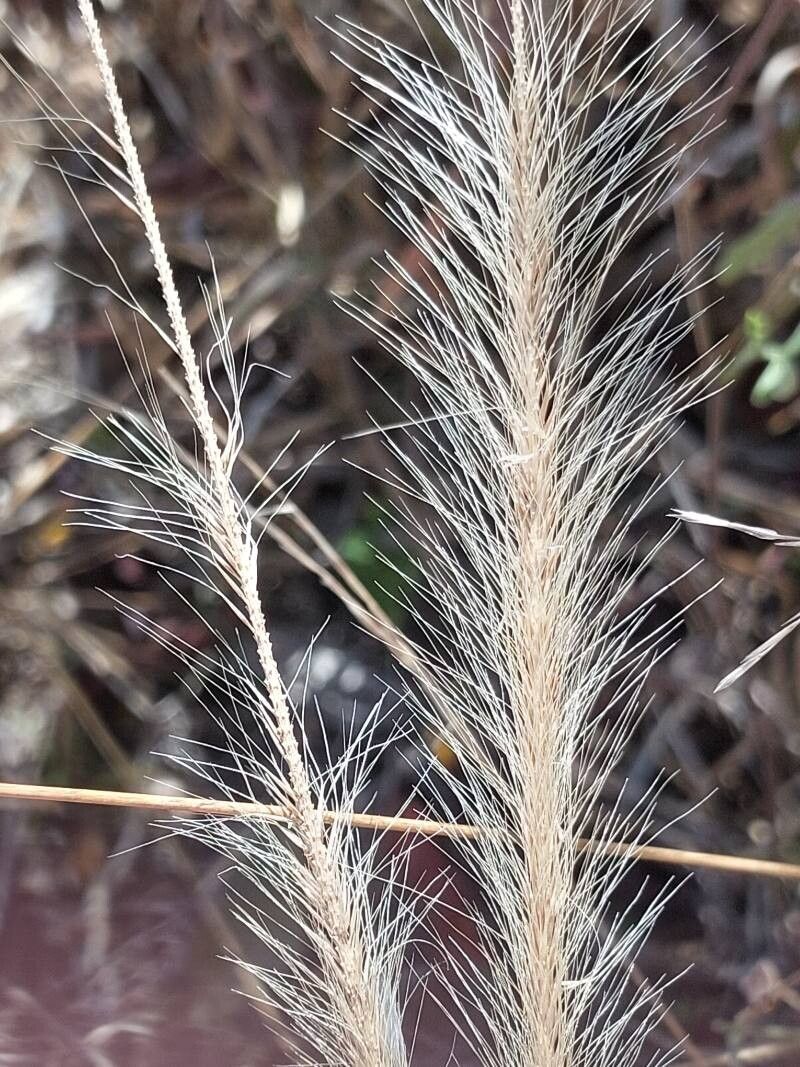
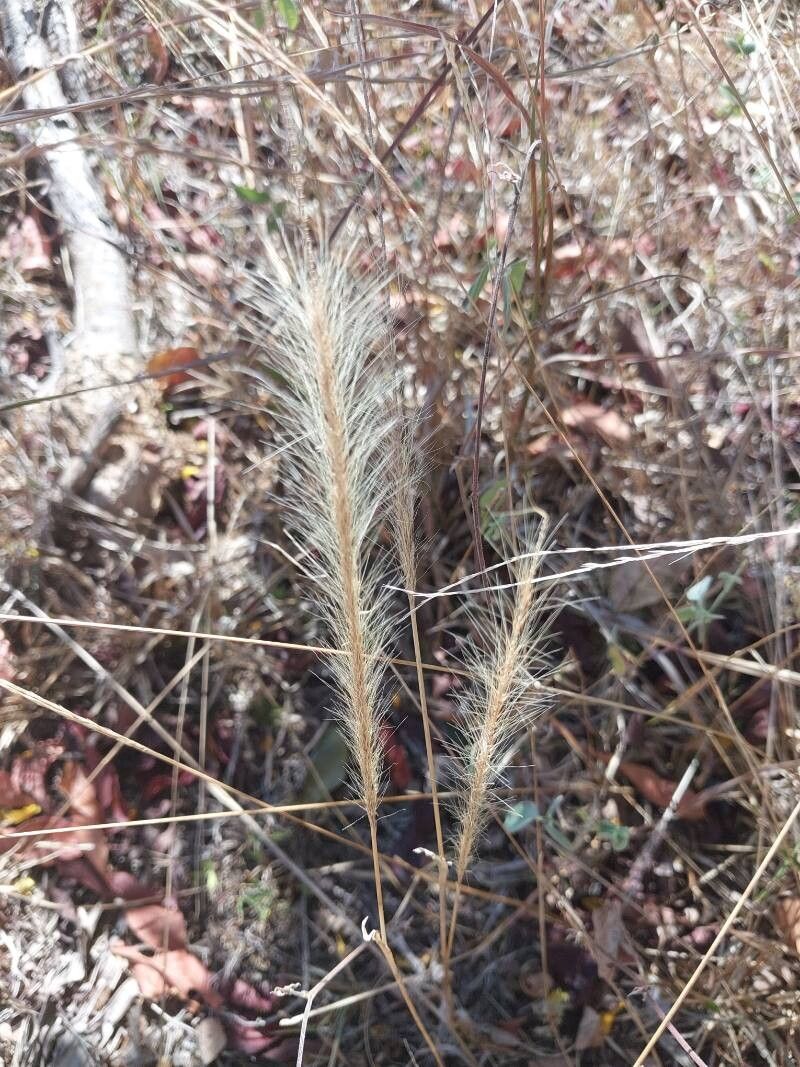
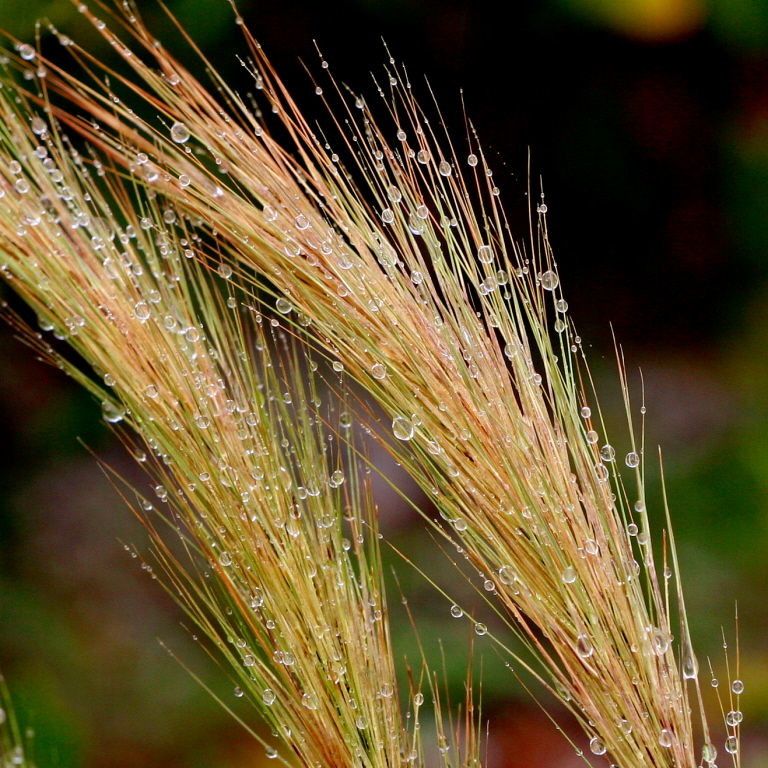
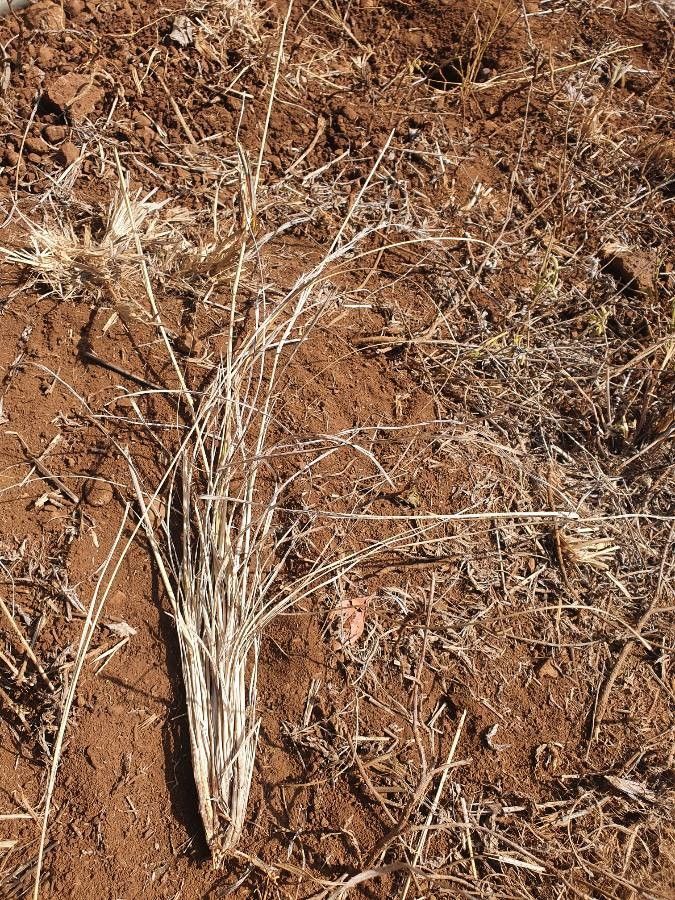
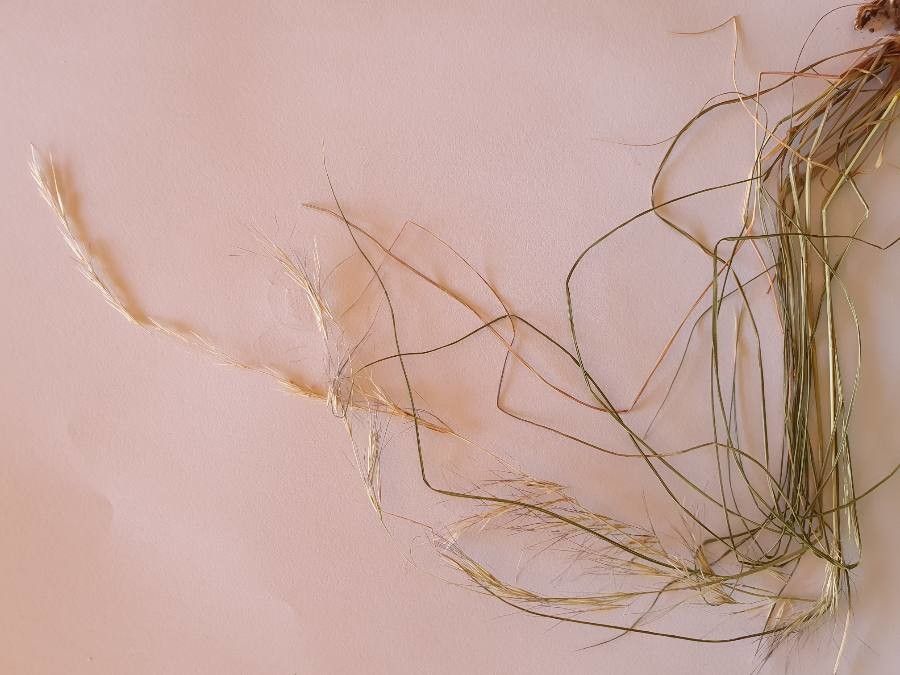
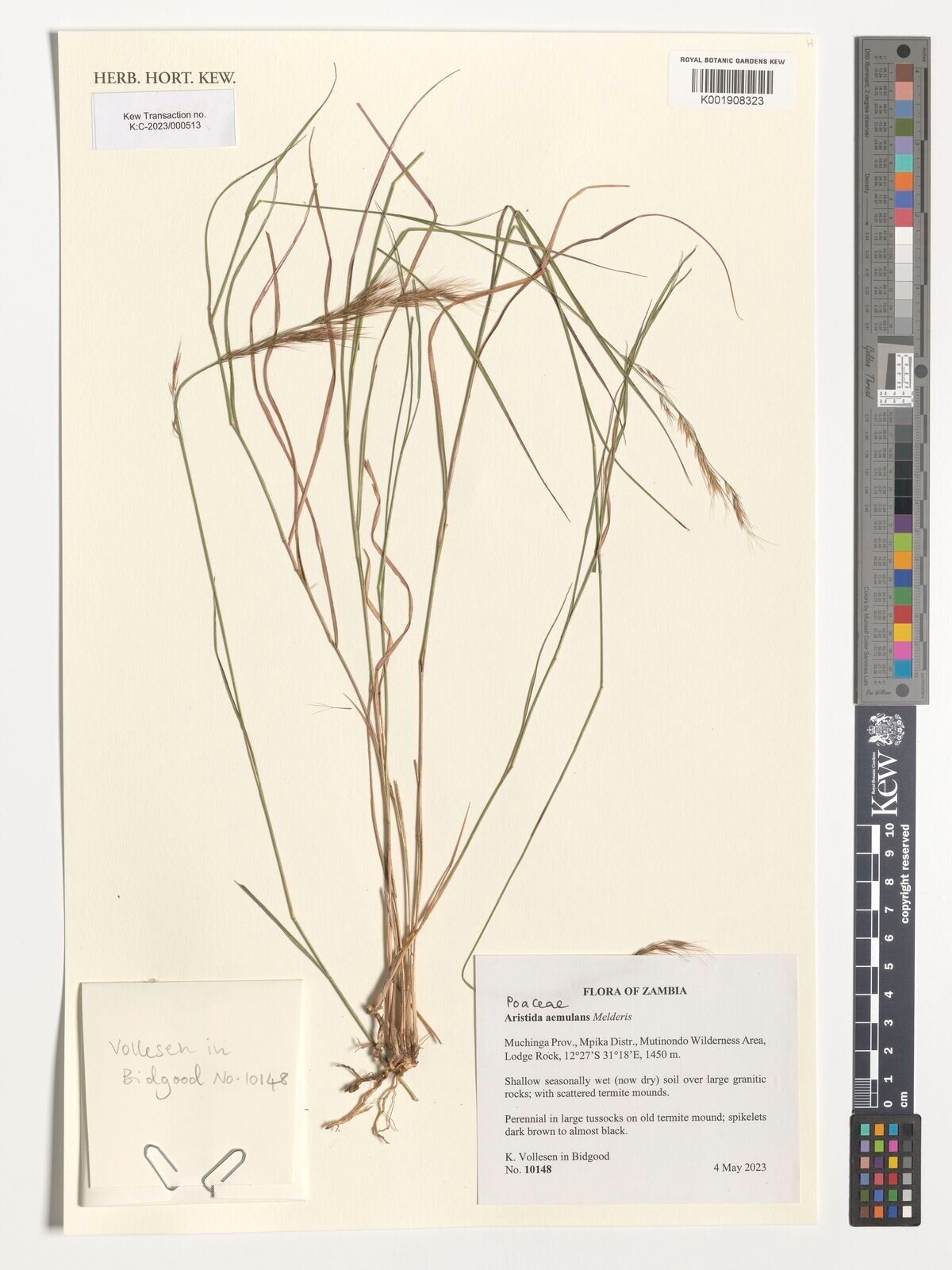
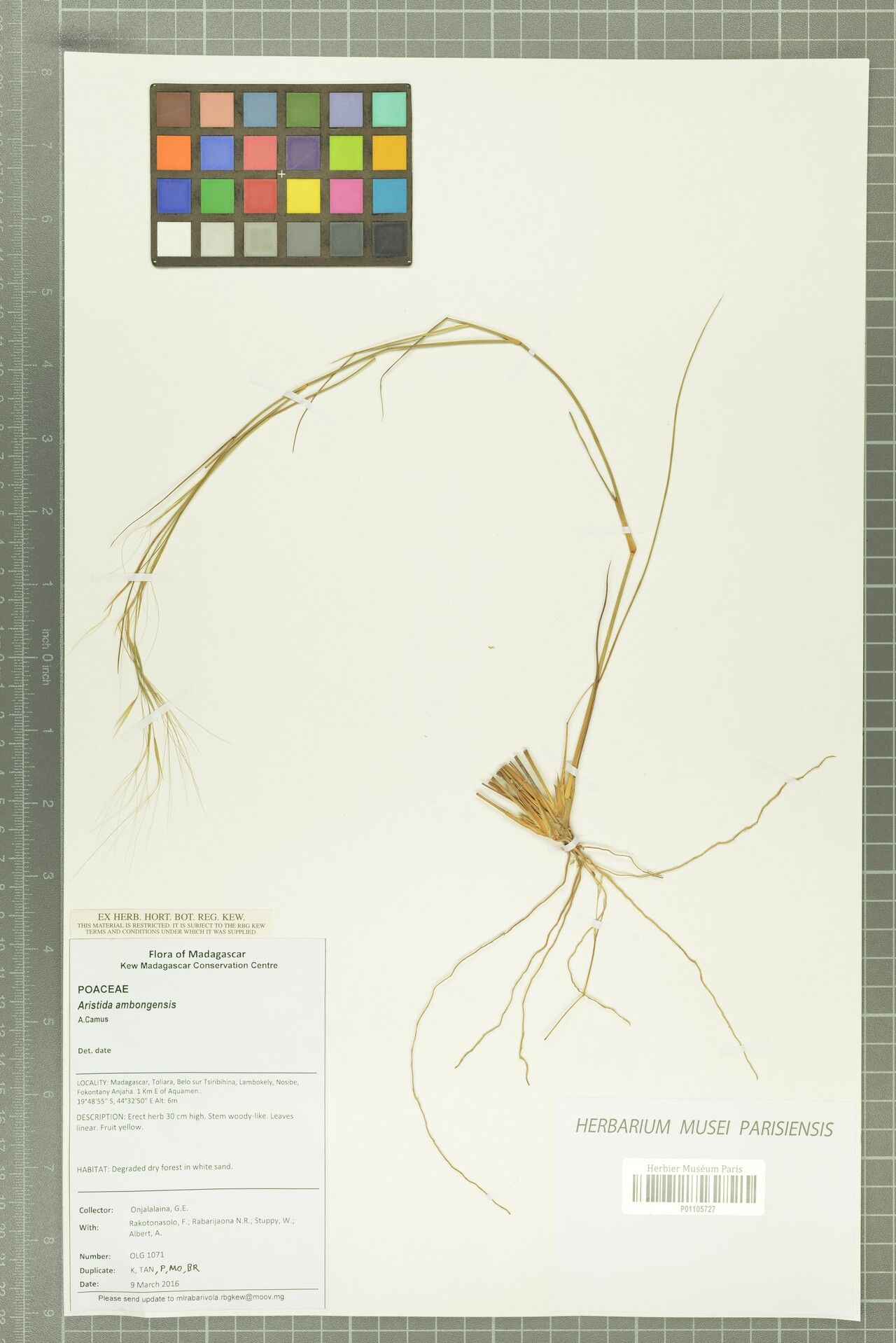
Bottlebrush threeawn is well resistant to disease and is generally not susceptible to illnesses. Regarding care, this plant is fairly low-maintenance. When grown outdoors it needs little watering, and larger plants usually do not require pruning. Smaller plants, however, should be pruned after they finish blooming. Bottlebrush threeawnt is suitable for anyone with an outdoor area, such as a garden or deck, and does not demand much gardening experience.
How to keep Aristida Spiciformis.
Light
Bottlebrush threeawn is a perennial herbaceous plant that prefers sunny conditions and comes from open habitats, commonly flourishing in meadows and grasslands. It favors full sun but can also grow in partial sun.
Temperature
The bottlebrush threeawn plant hails from tropical zones characterized by high heat and humidity. It is thus highly acclimatized to warm and damp environments. It doesn't handle abrupt changes in temperature well and would rather exist in a constant temperature setting, hence one needs to prevent temperature swings indoors. Typically, this plant has a low tolerance for colder temperatures and thrives better in warmer conditions. Should the surrounding temperature fall excessively, the plant's growth could be stunted or it could even perish.
Fertilizer
Bottlebrush threeawn needs extra nutrients to encourage healthy new growth. In spring, applying some compost around the plant’s base can effectively supply the nutrition it requires. Fertilizing helps maintain vigorous growth and boosts the plant’s resistance to diseases and pests.
Pruning
To encourage growth, prune bottlebrush threeawn in early spring when its seed heads are bristly. Remove any dead stems and thin out dense clusters to improve air circulation. Be sure to use clean, sharp tools to avoid causing damage to the plant. For more detailed care instructions, refer to horticultural resources.
Botanical profile.
Other names.