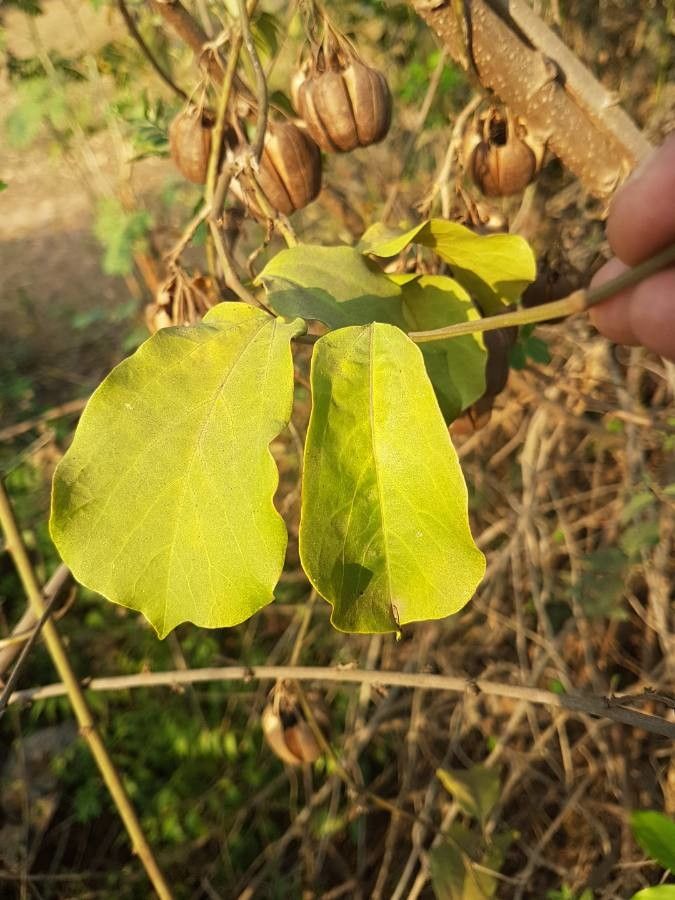
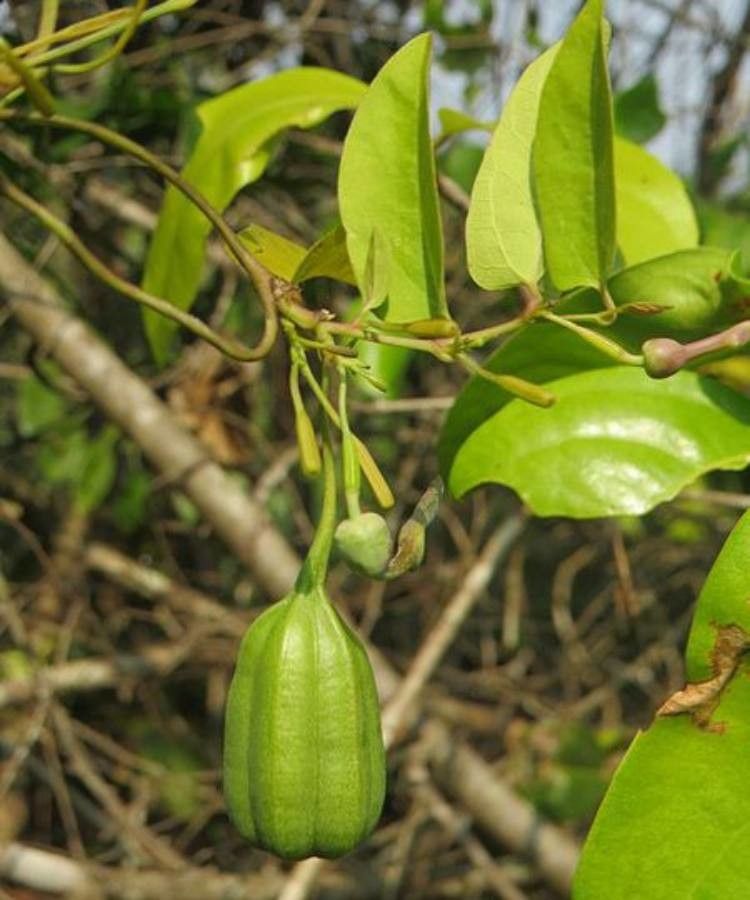
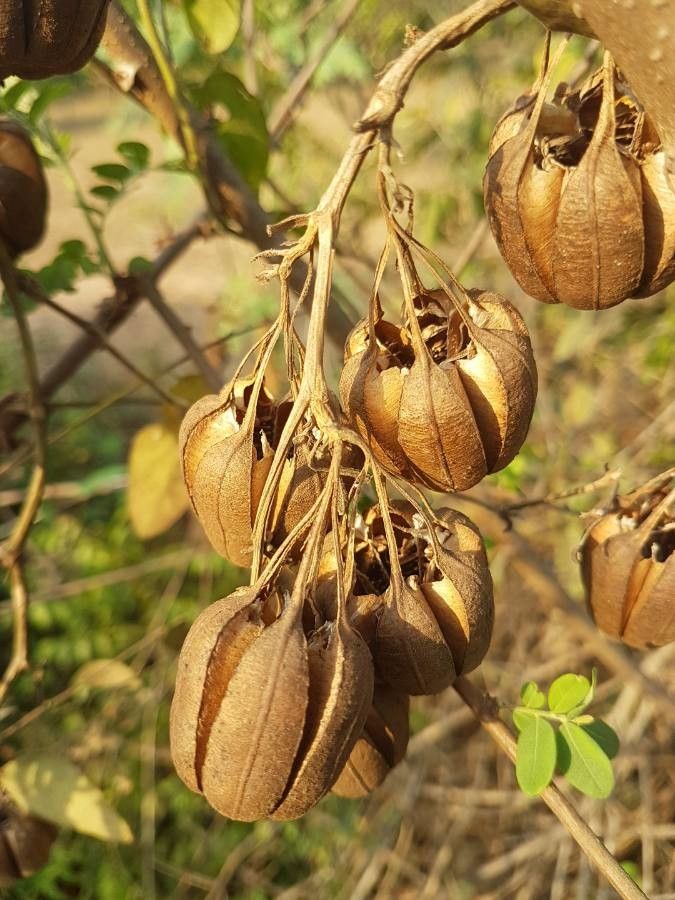
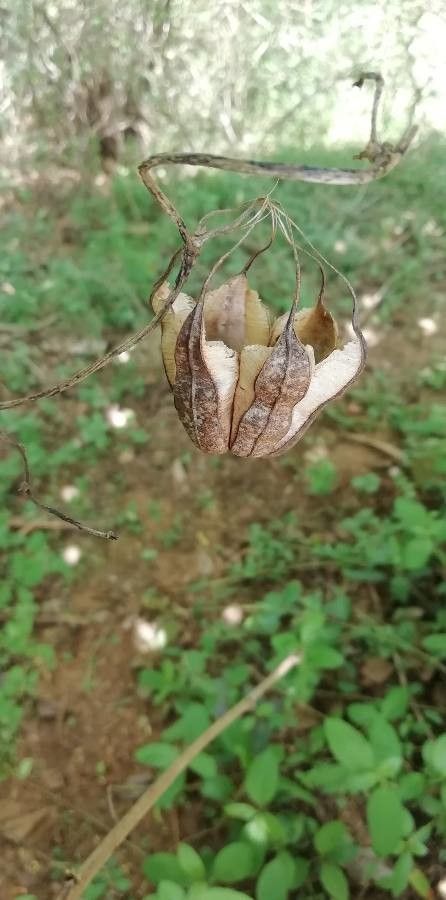
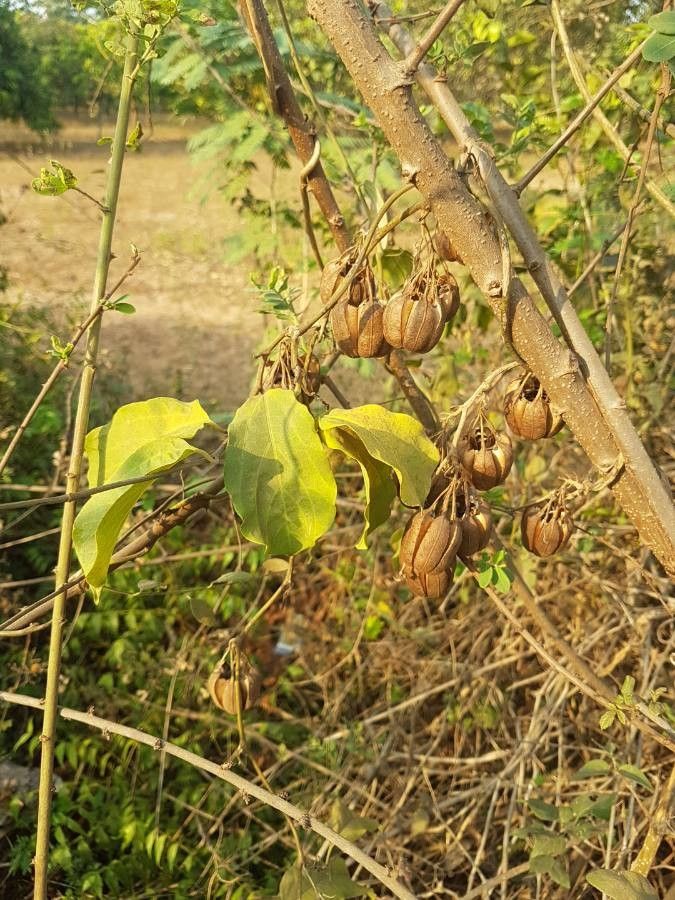
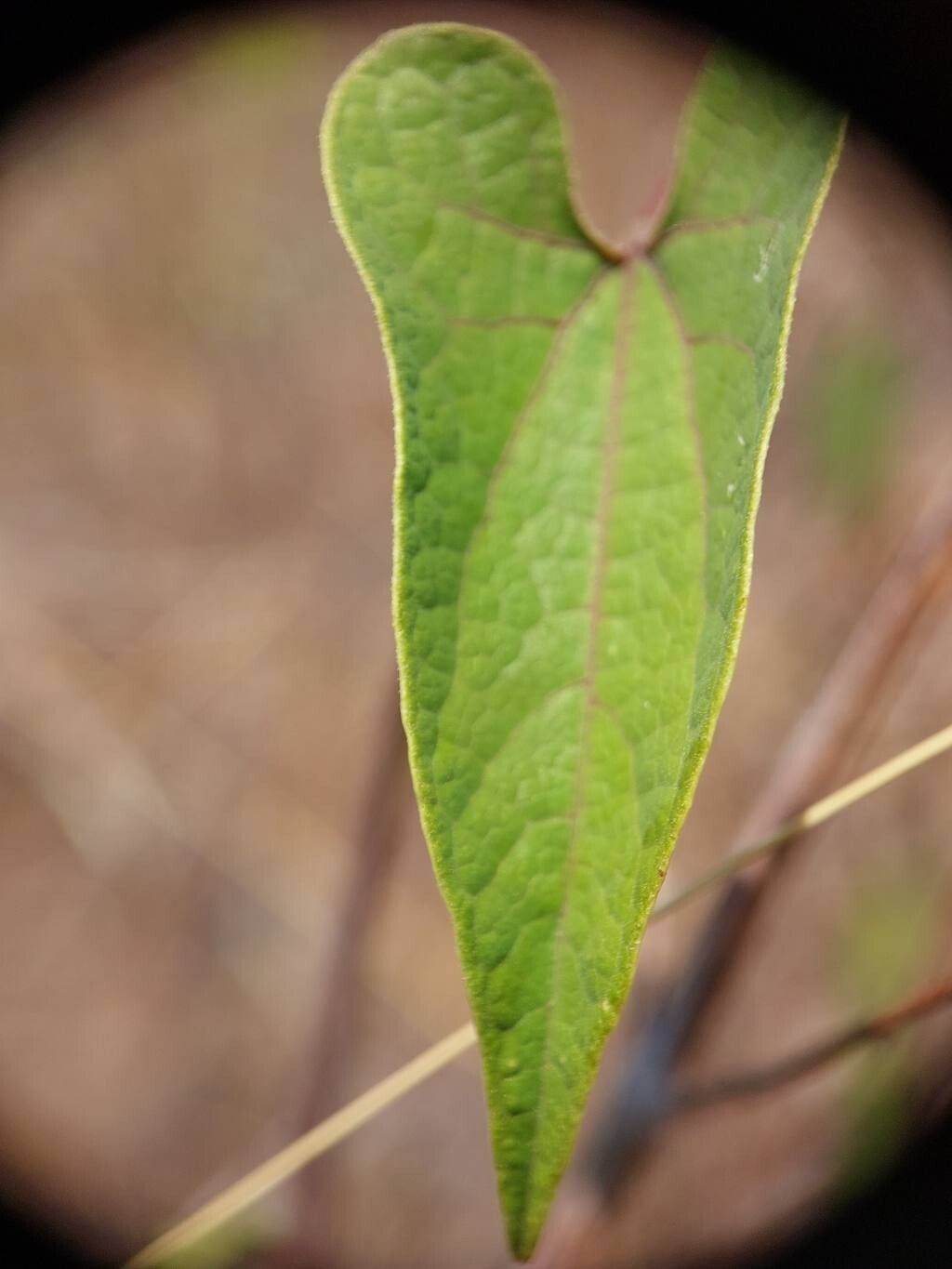
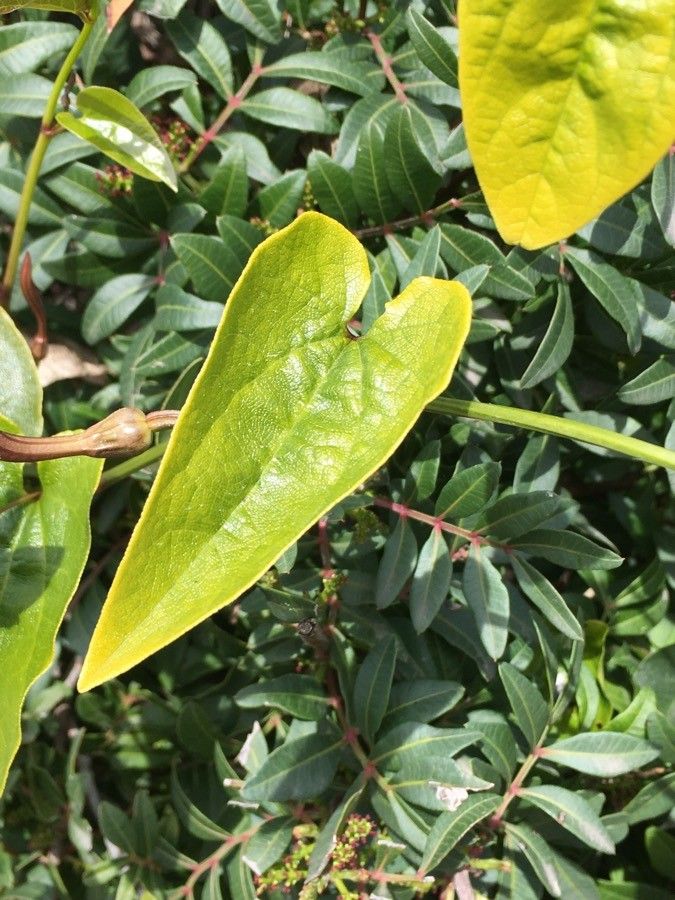
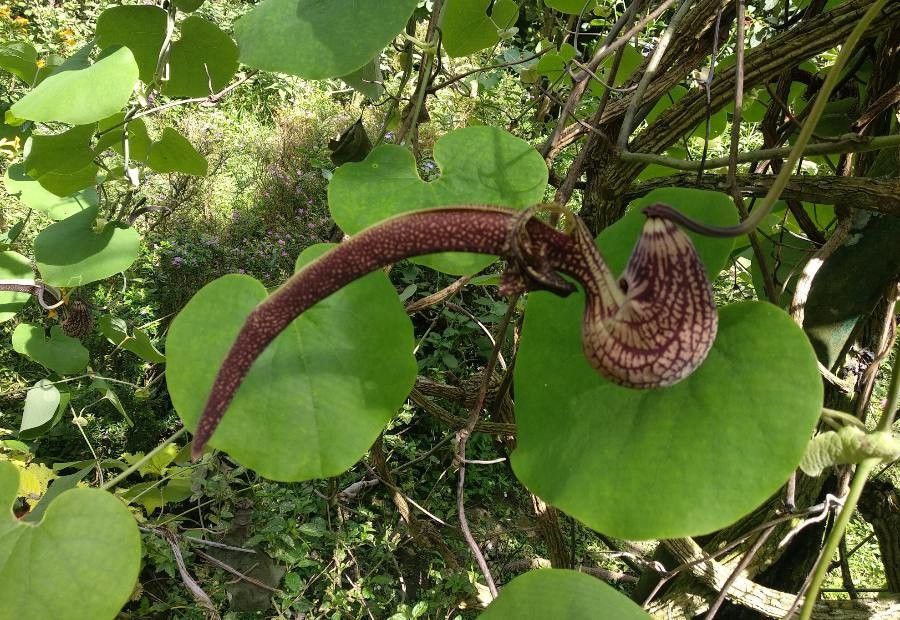
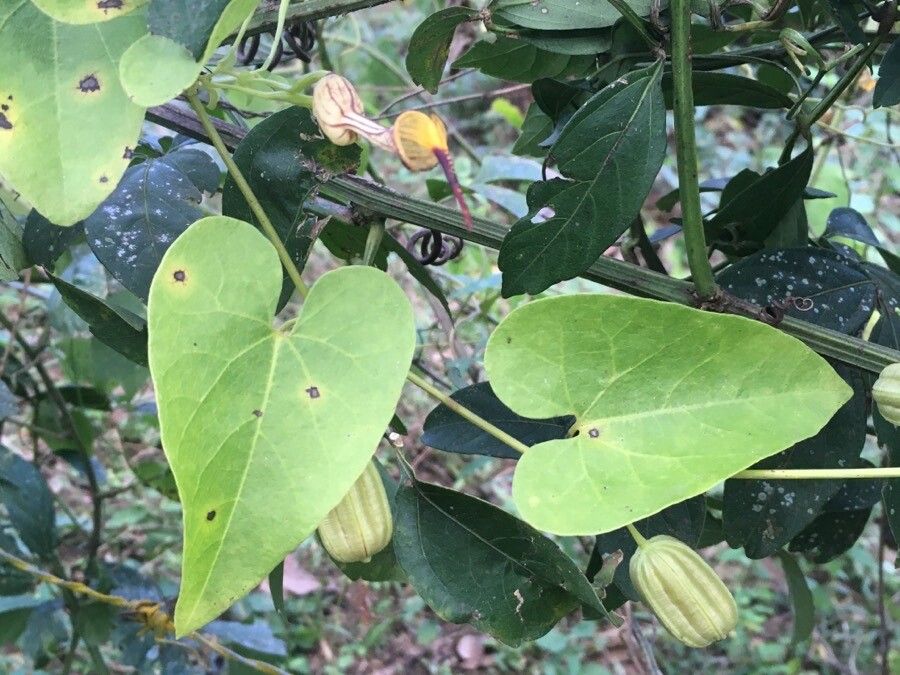
Aristolochia acuminata, the native Dutchman's pipe or Indian birthwort is a poisonous perennial vine that is endemic to Asia and Malesia, New Guinea and the Solomon Islands and northern Australia.
Native Dutchman's pipe is resistant to disease and typically not susceptible to illnesses. As for upkeep, this plant is fairly low-maintenance. When grown outdoors it needs only light watering, and larger specimens generally do not require pruning. Smaller plants, however, should be pruned after they finish flowering. Native Dutchman's pipet is well suited for anyone who has an outdoor area, like a garden or deck, and it does not demand extensive care experience.
How to keep Aristolochia Acuminata.
Light
Native Dutchman's pipe naturally occurs in habitats such as forest understories or rocky areas, where it receives natural shade. It prefers partial sun but can adjust to full sun or full shade, demonstrating its versatility and hardiness.
Water
The native Dutchman's pipe thrives in high humidity and consistent moisture. It requires watering every three weeks to avoid over-saturation. Typically grown outdoors, this evergreen depends on natural rainfall patterns to maintain its lush foliage throughout the year, mimicking the conditions of its native tropical habitat.
Temperature
Native Dutchman's pipe comes from tropical areas, where the climate is generally warm and humid. As a result it is well adapted to high temperatures and humidity. It does not tolerate sudden temperature changes and prefers a steady temperature, so avoiding indoor temperature fluctuations is important. It usually cannot withstand cold and requires warmer conditions for growth. If the surrounding temperature falls too low, the plant may stop growing or even die.
Fertilizer
The best time to fertilize a Native Dutchman's pipe is in early spring, as it breaks dormancy. This supports overall growth and flower formation. Fertilization improves the foliage, stems, and branches and encourages flowers that are larger, brighter, and longer-lasting. It helps transfer nutrients from the roots to the blooms and boosts the plant's health and resistance to disease.
Pruning
To promote flowering and maintain the vigor of Dutchman's pipe, a native plant, it is best to prune it in early spring. Begin by removing any dead or diseased wood, then thin out crowded branches. Additionally, cut back some of the older stems to encourage new growth. Always use clean, sharp tools to make precise cuts, and follow best practices to ensure the plant's optimal health.
Botanical profile.
- Plant Type
- Vine
- Life Cycle
- Perennial
- Genus
- Aristolochia
- Family
- Aristolochiaceae
- Hardiness Zone
- 9-11
- Mature Height
- 20.12 m
- Mature Spread
- 2.13 m to 3.05 m
- Leaf Color
- Green
- Leaf Type
- Deciduous
- Flower Color
- Purple
- Flower Size
- 1.02 cm to 1.27 cm
- Bloom Time
- Late spring, Early summer, Mid summer
- Planting Time
- Summer
- Harvest Time
- Late summer, Early fall, Mid fall
- Native Area
- Nepal, Sri Lanka, India, Malaysia, Philippines, Bangladesh, Laos, China, Indonesia, Cambodia, Vietnam, Myanmar, Japan, Bhutan, Thailand
Other names.
Reader questions.
What are the sunlight requirements for plants?
Plants have varying sunlight requirements to thrive. Partial sun entails about 3-6 hours of sunlight per day, suitable for plants that thrive with moderate exposure. Full sun is defined as over 6 hours of sunlight daily, needed by plants that require a lot of direct light. It's important to observe how sunlight moves through your garden and choose the optimal spots that provide the correct balance of light and shade, ensuring your plants' happiness and growth.
What is the botanical name of the Native Dutchman's pipe?
The botanical name of the Native Dutchman's pipe is Aristolochia acuminata.
What are the essentials for growing Native Dutchman's pipe?
Native Dutchman's pipe, scientifically known as Aristolochia acuminata, thrives in environments similar to forest understories or rocky areas, naturally receiving partial sun but also capable of tolerating full shade. This makes it a versatile perennial herbaceous plant. When natural sunlight is insufficient, especially during winter or in less sunny spaces, artificial lighting can be a crucial alternative. LED lights are recommended for indoor plant lighting due to their ability to provide specific wavelengths of light. Full sun plants need 30-50W/sq ft, partial sun plants require 20-30W/sq ft, and full shade plants need 10-20W/sq ft of artificial light. The light source should be 12-36 inches above the plant, mimicking natural sunlight, and most plants benefit from 8-12 hours of light per day.
What symptoms indicate a Native Dutchman's pipe is receiving insufficient light?
When Native Dutchman's pipe gets insufficient light, several symptoms may appear, indicating it's struggling to adapt. These include smaller new leaves, leggy or sparse growth due to longer spaces between leaves or stems, faster leaf drop as the plant conserves resources, slower or halted new growth, lighter-colored new leaves signaling a lack of chlorophyll, chlorosis or yellowing of leaves due to excessive light, sunscald from intense sunlight exposure damaging leaves or stems, leaf curling as a defense against extreme sunlight, wilting from increased water loss, and leaf scorching characterized by brown or crispy leaf edges. These symptoms show the plant's difficulty in coping with light conditions, which can significantly impact its health and growth.
How can I address light deficiency in my Native Dutchman's pipe?
To optimize growth and address light deficiency in Native Dutchman's pipe, gradually adapt the plant to changing light conditions by moving it to increasingly sunnier spots each week until it receives 3-6 hours of direct sunlight daily. For large or non-movable plants, supplementing with artificial light, like keeping a desk or ceiling lamp on for at least 8 hours daily or using professional plant grow lights, can provide adequate light. Outdoors, move your plants gradually to sunnier locations to avoid shock from sudden changes in light intensity. For plants in the ground, reducing obstructions like trees by pruning or transplanting smaller plants during their dormant period to a location with better light and drainage can enhance light availability. However, parts of the plant that have been severely affected by insufficient light might not recover entirely, but new growth should be healthy with improved light conditions.