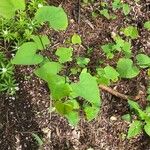
Aristolochia californica
California snakeroot · California dutchman's pipe · California pipevine
Description
Source: leafsnapAristolochia californica, the California pipevine, California Dutchman's-pipe, or California snakeroot is a perennial woody vine of western North America.
🌳 With its distinct and striking pipe-shaped flowers, the California pipevine is a popular choice for ornamental purposes in pollinator and cottage gardens. It can adorn trellises and fences along garden borders, create a lush screen, or serve as ground cover. While its blooms attract butterflies and hummingbirds, deer tend to stay away.
Care Guide
💧 Water
The California pipevine originates from the moist, wooded areas of California and thrives in environments with consistent moisture and moderate humidity. To support its vigorous growth and the development of its unique pipe-shaped flowers, it is essential to water the plant weekly, especially during its active growing season. Due to its climbing nature, the California pipevine is usually grown outdoors.
How should I water my California pipevine plant?
To properly water the California pipevine, it is recommended to use filtered water at room temperature. Tap water may contain harmful particles, so filtered water is a better choice. The plant prefers warm temperatures, so avoid using cold water, as it can be a shock to its system. Additionally, overhead watering should be avoided, as it can cause foliage issues. Instead, water the plant by applying filtered room temperature water to the soil until it is completely soaked. This helps to moisten the roots, allowing them to spread and collect necessary nutrients.
What should I do if I give my California pipevine too much water or too little water?
Overwatering is a more common issue than underwatering for the health of your California pipevine. When the plant receives too much water, the stems and leaves may wilt and turn yellow. Overwatering can also lead to diseases like root rot, mold, and mildew, which can be fatal for the plant. Though underwatering is less common, it can cause the leaves to become brittle and brown. It's important to recognize the signs of overwatering early on, as some diseases may be irreparable if not addressed promptly. If you notice these signs, reduce watering immediately and check the soil's drainage. If the soil drains poorly, replace it with a well-draining potting mix. If you observe signs of underwatering, simply increase your watering frequency until the signs subside.
How frequently should I give water to my California pipevine?
If your California pipevine is in a pot, the most precise way to determine if it needs water is to check the soil. Plunge your finger into the soil and if you find that the top two to three inches are dry, it's time to water it. Similarly, if you have planted your California pipevine outdoors in the ground, you can use the same method. If the first few inches of soil are dry, it's time to water. Typically, during the spring and early fall, watering once a week is sufficient. However, during extremely hot weather, you may need to water twice or more per week. Nonetheless, mature and well-established California pipevines have the impressive ability to withstand drought.
How much water does my California pipevine require?
When watering your California pipevine, don't be afraid to give it a generous amount of water. Make sure the first two to three inches of soil are dry before watering. It's best to thoroughly soak the soil by adding enough water until it flows through the drainage holes in the pot. If you don't see any excess water draining, you may have not given enough water. On the other hand, be careful not to let water accumulate in the soil as it can harm the plant. Additionally, if water is not draining well through the pot, this could be due to poorly draining soil, which is not good for the plant's health. If the plant is outside, it generally needs about 1 inch of water per week from rain.
How do I water my California pipevine as it grows?
The water needs of the California pipevine vary depending on its growth stages. In the first few years or after transplanting, more water is required. During these stages, the plant focuses on developing new roots, which need extra moisture. As the plant matures, less water is needed. Additionally, during the blooming period, the California pipevine may require more water to support flower development.
☀️ Light Partial sun
California pipevine grows best with moderate sunlight. It naturally prefers sites where light is unevenly distributed. Intense light can stress the plant and may impair its health and growth. In its native habitat, the plant adjusts well to changing light conditions.
What type of sunlight does California pipevine require?
California pipevine thrives under moderate sunlight exposure, preferring habitats where sunlight is unevenly distributed. It requires about 3-6 hours of sunlight daily. Although it can adapt to varying light conditions in its natural environment, too much direct sunlight can stress the plant, potentially affecting its health and growth. Artificial lighting can provide a good alternative for indoor plants or during less sunny periods, with requirements based on the type of plant and its natural sunlight needs.
What are the symptoms of light deficiency or overexposure in California pipevine?
When the California pipevine is grown under insufficient light, it may show symptoms such as smaller new leaves, leggy or sparse growth, faster leaf drop, and slower or no new growth, indicating light deficiency. These symptoms reflect the plant's struggle with adaptation to low light levels. Conversely, symptoms of overexposure to sunlight include chlorosis, sunscald, leaf curling, wilting, and leaf scorching. These conditions indicate damage from excessive sunlight, hindering the plant's photosynthesis process and overall health.
How can you manage California pipevine's light conditions indoor and outdoor?
Indoor management involves gradually shifting plants to sunnier spots each week until they receive the proper amount of sunlight (3-6 hours daily) or using artificial lights to supplement light, ensuring at least 8 hours of light daily for the plant. For outdoor management, it's crucial to gradually move plants to optimal sunlight spots to prevent sunburn, acknowledging that abrupt changes can harm the plant. Additionally, if sunlight is blocked by physical obstructions, consider pruning or transplanting smaller plants to areas with better sunlight and drainage, especially during their dormant period.
🌡️ Temperature 15–35°C
California pipevine is native to regions where temperatures range from 59 to 95°F (15 to 35℃). It favors this temperate environment, and if grown in other conditions, adjusting the temperature into that range can be helpful, especially during seasons of severe weather.
What is the native temperature range for the California pipevine?
The California pipevine is native to areas with temperatures ranging from 59 to 95°F (15 to 35°C). It thrives best in this temperate range. In conditions outside this range, adjusting the environment to fit within these temperatures, especially during severe weather seasons, can be beneficial for the plant's health and growth.
What cold tolerance measures should be taken for California pipevine?
California pipevine exhibits some level of cold tolerance and generally does not require protective measures when temperatures are above its minimum tolerable temperature. However, if temperatures are expected to fall below this threshold, temporary protective measures should be implemented. Wrapping the plant in materials like plastic film, fabric, or other appropriate coverings can help. These protective measures should be removed once the temperature rises to ensure the plant's health.
How does low temperature affect California pipevine and what are the solutions?
California pipevine has a moderate tolerance to low temperatures and performs best when kept above a certain minimum suitable growth temperature. In winter, it's important to ensure it stays above its tolerable growing temperature minima. If temperatures drop below a certain limit, the plant's leaves may droop, and in severe cases, wilt and eventually fall off. To combat this, frost-damaged parts should be trimmed off. Before encountering low temperatures again, wrapping the plant with non-woven fabric or cloth, and constructing a wind barrier, can protect it from cold winds.
How does high temperature affect California pipevine and what are the solutions?
During summer, it's crucial to maintain the California pipevine's temperature below its maximum suitable growth temperature. Exceeding this can lead to lighter leaf colors, dry and withered leaf tips, leaf curling, and increased susceptibility to sunburn. To address these issues, trim away the damaged parts. Moving the plant to shade or using a shade cloth can protect it from the midday and afternoon sun. Additionally, watering the plant in the morning and evening can help keep the soil suitably moist.
💨 Humidity dry (<40%)
This plant prefers dry conditions, so don't mist it. However, watering it less often can also thrive in higher humidity.
🪴 Soil 6-7
🌱 Fertilizer
The best time to fertilize a California pipevine is in early spring, when it is coming out of dormancy and starting active growth. Fertilization supplies essential nutrients for healthy development. Although California pipevine has relatively low fertilizer needs, applying fertilizer annually can improve its survival and promote better, longer-lasting flowers.
Do I have to add fertilizer to my California pipevine?
Fertilization plays an important role in the growth of the California pipevine and other plants. It provides essential nutrients that support both above and below ground development. Although the fertilization needs of the California pipevine are generally low, annual fertilization can greatly benefit the plant. It not only helps ensure the plant's survival but also promotes the production of better and longer-lasting flowers. Therefore, for those wanting to enhance the appearance of their California pipevine, consistent yearly fertilization is recommended.
When should I fertilize my California pipevine?
The best time to fertilize a California pipevine is in late winter to early spring when it is transitioning from dormancy to active growth. Fertilizing at this time promotes healthy growth and sets the plant up for a successful season. While early spring is generally the most beneficial time, fall is also an acceptable time to fertilize. However, it is not recommended to feed the plant during summer or winter.
When should I not put fertilizer on my California pipevine?
To properly care for your California pipevine, it is best to fertilize during late winter and early spring. This plant only requires one feeding per year, as it has low fertilization needs. It is important to avoid fertilizing during the spring, summer, and fall, as this can result in overfertilization and the associated complications. The exception to this is if you missed fertilizing in the spring, in which case it is acceptable to feed the plant in the fall. Additionally, there is no need to fertilize during the winter, as the plant is in a dormant phase and does not produce new growth.
What kind of fertilizer does my California pipevine require?
When choosing a fertilizer for a California pipevine, any general-purpose fertilizer with a balanced amount of the three main plant nutrients should work well. However, there are specific nutrient blends that can be even more beneficial. One popular belief among gardeners is that higher levels of phosphorus can result in stronger roots and better flowers. Since the California pipevine is a flowering plant, using a phosphorus-rich fertilizer may be the best approach. Whether you prefer a granular or liquid fertilizer, it is important to ensure that it contains plenty of nutrients. Additionally, organic methods such as compost and manure can also help improve the soil for your California pipevine, creating a healthy growing environment.
How can I give my California pipevine plant the nutrients it needs?
To fertilize a California pipevine, the most common method is to use a granular or pellet fertilizer. Apply this fertilizer to the soil surrounding the plant, but remember the best time to do so is as the plant transitions from its winter dormant phase to active growth. In the early spring, wait for shoots to emerge from the soil before applying the fertilizer. If you prefer using liquid fertilizer, dilute it with water before applying. Regardless of the type of fertilizer you choose, it is important to moisten the soil before, during, and after application.
🪴 Pot & Repot 2-3 years
The California pipevine is a climbing plant that flourishes when given plenty of space. To promote healthy growth, repot it every 2 to 3 years in the spring. Use a large container with good drainage. After repotting, ensure the soil remains consistently moist and support the vine with a stake or trellis for optimal growth.
✂️ Pruning
The California pipevine is known for its distinctive pipe-shaped flowers and vigorous growth. To keep it healthy and well-shaped, it’s best to prune it from early to late spring after it has finished blooming. Pruning at this time allows you to maintain its shape, remove any dead stems, thin out crowded areas, and control overgrowth. This practice improves air circulation and sunlight exposure, which aligns with the plant's growth cycle, promoting optimal health.
🌿 Propagating
🐛 Diseases & pets
☠️ Toxicity
Characteristics
- Plant Type
- Herb, Vine
- Life Cycle
- Perennial
- Genus
- Aristolochia
- Family
- Aristolochiaceae
- Hardiness Zone
- 8-10
- Mature Height
- 3.66 m to 4.57 m
- Mature Spread
- 2.44 m
- Leaf Color
- Green
- Leaf Type
- Deciduous
- Flower Color
- Green, Red, Brown, Yellow, Cream
- Flower Size
- 2.54 cm to 4.06 cm
- Bloom Time
- Late winter, Early spring, Mid spring
- Planting Time
- Spring, Summer, Autumn
- Harvest Time
- Late spring, Early summer, Mid summer
- Native Area
- North America