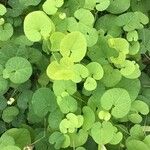
Aristolochia fimbriata
White Veined Hardy Dutchman's Pipe
Description
Source: leafsnapAristolochia fimbriata is a species of perennial plant in the family Aristolochiaceae. It is found in Brazil, Paraguay, Bolivia, Uruguay, and Argentina. The flowering plant attracts butterflies and is known for its traditional medicinal properties.
Care Guide
💧 Water
The white-veined hardy Dutchman's pipe thrives in high-humidity environments, a nod to its tropical origins. To keep it healthy, it requires weekly watering—just enough to avoid drought but not so much that it becomes overwatered. As an evergreen plant, it retains its leaves year-round, which means it needs consistent care even during the colder months.
☀️ Light Full sun
White-veined hardy Dutchman's pipe does best with abundant sunlight, though it can tolerate locations where the light is somewhat filtered. Native to a sun-rich habitat, the plant grows well in those conditions. However, both too much and too little light can impede its growth.
What are the sunlight requirements for White veined hardy dutchman's pipe?
White veined hardy dutchman's pipe thrives in conditions with ample exposure to sunlight, ideally in full sun which means it should receive above 6 hours of sunlight daily. However, it can also grow in partial sun, receiving about 3-6 hours of sunlight. It’s essential to watch the sunlight's movement through your garden to find spots that offer a balance of light and shade, ensuring the plant's well-being.
How do artificial lights help in growing White veined hardy dutchman's pipe indoors?
When natural sunlight is not enough, especially during winter or in less sunny spaces, artificial lights become crucial for the growth of indoor White veined hardy dutchman's pipe. LED lights are often selected for indoor plant lighting due to their ability to be customized to provide the specific wavelengths needed by the plants. Full sun plants require 30-50W/sq ft, partial sun plants 20-30W/sq ft, and full shade plants 10-20W/sq ft of artificial light. The light source should be placed 12-36 inches above the plant, mimicking natural sunlight conditions, and plants typically need 8-12 hours of light per day.
What are common symptoms of inappropriate lighting on White veined hardy dutchman's pipe?
When White veined hardy dutchman's pipe is exposed to suboptimal lighting conditions, it may show symptoms such as smaller new leaves, leggy or sparse growth, faster leaf drop, slower or no new growth, and lighter-colored new leaves. Additional symptoms include chlorosis, where leaves lose their green color and turn yellow; sunscald, with damage showing as pale or bleached areas; leaf curling, a defense mechanism against extreme sunlight; wilting from water loss due to overexposure to sunlight; and leaf scorching, characterized by brown, dry edges on leaves.
What solutions can help improve the growth of White veined hardy dutchman's pipe under poor light conditions?
For indoor plants, gradually moving them to sunnier locations, such as near a south-facing window, to receive at least 6 hours of direct sunlight daily is vital. For plants that are large or hard to move, consider using artificial light for at least 8 hours daily. Outdoors, move plants gradually to better-lit spots to prevent sunburn. Reducing obstructions like pruning branches that block sunlight or transplanting smaller plants during their dormant period to sunnier locations can also help. Remember, parts of the plant already damaged by insufficient light may not recover, but new growth should be healthy with improved light exposure.
🌡️ Temperature 15–37.8°C
White veined hardy dutchman's pipe shows good adaptability to temperature, with the ability to tolerate higher heat and wide temperature fluctuations. In hot conditions, care should be taken with watering and suitable shading should be provided to prevent sunburn. However, it is relatively intolerant of low temperatures; while it can endure some cold, excessively cold conditions may cause frost damage.
What is the botanical name of the White veined hardy dutchman's pipe?
The botanical name of the White veined hardy dutchman's pipe is Aristolochia fimbriata.
💨 Humidity
🪴 Soil 6-7
🌱 Fertilizer
The timing of fertilization is important for White veined hardy dutchman's pipe. Apply fertilizer in early spring and repeat monthly through early summer. Fertilizer encourages attractive blooms and supplies energy during both dormant and active growth periods.
🪴 Pot & Repot 2-3 years
Repot the white-veined hardy Dutchman's pipe every 2 to 3 years in the spring. Use a wider, shallow container to accommodate its creeping growth habit. Choose a pot that is one size larger than the current one. After repotting, place the plant in a location with bright, indirect light, and ensure the soil remains consistently moist to promote optimal recovery and growth.
✂️ Pruning
The white-veined hardy Dutchman's pipe is known for its heart-shaped leaves with distinctive veining. To keep the plant in good shape and encourage healthy growth, prune it in early spring. Be sure to remove any dead or damaged stems, but avoid excessive pruning to prevent stressing the plant. Regular pruning improves air circulation, prevents overcrowding, and promotes vigorous growth and better flowering.
🌿 Propagating
🐛 Diseases & pets
☠️ Toxicity
Characteristics
- Plant Type
- Vine
- Life Cycle
- Perennial
- Genus
- Aristolochia
- Family
- Aristolochiaceae
- Hardiness Zone
- 8-11
- Mature Height
- 30 cm to 61 cm
- Mature Spread
- 46 cm to 91 cm
- Leaf Color
- Green, Dark Green
- Leaf Type
- Deciduous
- Flower Color
- Purple
- Flower Size
- 5.08 cm to 6.35 cm
- Bloom Time
- Late spring, Summer
- Planting Time
- Spring, Autumn
- Harvest Time
- Late summer, Fall
- Native Area
- Brazil, Bolivia, Venezuela