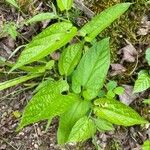
Aristolochia serpentaria
Serpentary · Virginia serpentary · Virginia snakeroot · Snakeroot · Virginia dutchman's pipe
Description
Source: leafsnapAristolochia serpentaria, commonly known as Virginia snakeroot, is a perennial herbaceous plant native to eastern North America. This plant belongs to the Aristolochiaceae family and is renowned for its medicinal properties. Virginia snakeroot features a slender stem that can grow up to 60 cm tall and produces heart-shaped leaves ranging from 5 to 10 cm in length. The flowers are small, brownish-purple, and possess a unique curved shape that resembles the head of a snake. Historically, the roots of Aristolochia serpentaria have been utilized in traditional medicine for their antispasmodic, diaphoretic, diuretic, emmenagogue, and stimulant effects. Native Americans also used it as an antidote for snake bites, inspired by its snake-like appearance. However, it is important to note that Aristolochia species contain aristolochic acid, a substance that can be toxic if ingested in large quantities or over extended periods. Therefore, the use of this plant should only occur under medical supervision. Beyond its medicinal use, Virginia snakeroot is also appreciated by gardeners for its attractive foliage, which adds interest and texture when planted alongside other perennials or shrubs in borders or woodland gardens.
🎭 Fortune, wealth
Care Guide
💧 Water Every 7 days
Virginia snakeroot originates from deciduous forest understories and thrives in environments with moderate moisture and consistent humidity. Although it is somewhat drought-tolerant, the plant grows best in slightly moist soil and requires weekly watering. When cultivating this plant outdoors, take natural rainfall into account, particularly during periods of active growth, to maintain a balance between adequate hydration and well-draining soil conditions.
☀️ Light Full shade
Virginia snakeroot does best beneath thick forest canopies where the light is filtered. It can tolerate light sun, such as that found under shrubs or between tall trees. Its growth and vigor may be harmed by intense sunlight or by being in very deep shade. Its native forest habitat suggests a preference for shelter from strong sun.
What are the sunlight requirements for Virginia snakeroot?
Virginia snakeroot requires specific sunlight conditions to thrive. For areas with 'Full shade,' the plant should receive less than 3 hours of sunlight daily. 'Partial sun' conditions are about 3-6 hours of sunlight. It is essential to observe the movement of sunlight throughout your garden carefully to ensure your plants receive the ideal balance of light and shade, guaranteeing their well-being. Additionally, Virginia snakeroot thrives best under the dense coverage of forest canopies, where sunlight is naturally diffused, and it can tolerate mild sun exposure, often found under shrubs or between tall trees. However, excessive sun exposure or extreme shade can negatively impact the plant's health.
How does artificial lighting affect Virginia snakeroot's growth?
Artificial lighting plays a crucial role in the growth of Virginia snakeroot, especially when natural sunlight is insufficient, such as during winter or in less sunny locations. Indoor plants require adequate lighting for optimal growth, with artificial lights providing a vital solution for promoting faster, healthier growth. It's important to choose the right type of artificial light, like LED lights, which can be customized to deliver specific wavelengths needed by the plants. Full sun plants need 30-50W/sq ft of light, partial sun plants need 20-30W/sq ft, and full shade plants need 10-20W/sq ft. The light source should be placed 12-36 inches above the plant, mimicking natural sunlight, and ensuring the plant receives 8-12 hours of light per day.
What symptoms indicate Virginia snakeroot is receiving insufficient light?
When grown indoors with insufficient light, Virginia snakeroot may exhibit several symptoms indicating light deficiency. These include smaller new leaves compared to older ones, leggy or sparse growth with elongated spaces between stem leaves, early leaf drop to conserve energy, slower or halted growth, and pale new leaves lacking in chlorophyll and essential nutrients. Conditions like chlorosis (leaves turning yellow), sunscald (damage from intense sunlight exposure), leaf curling, wilting, and leaf scorching also indicate problems related to light exposure. Each symptom provides insight into the plant's health and its need for adjustments in light access.
What solutions can help Virginia snakeroot thrive in indoor and outdoor environments?
To support the health of Virginia snakeroot in various environments, several measures can be taken. Indoors, move plants to spots where they can receive ample filtered light, including brief periods of direct morning sunlight, ideally placing them 1-2 meters away from a window. If the plant is large or not easily movable, consider using artificial light, keeping a lamp on for at least 8 hours daily or investing in professional plant grow lights. Outdoors, plants should be moved gradually to sunnier locations each week to prevent sunburn, avoiding sudden and drastic changes in light intensity. If light obstruction is an issue, such as from trees, consider pruning to allow more sunlight to filter through. For smaller plants, transplanting during the dormant period (late winter or early spring) to a location with ample sunlight and good drainage is advisable. Note that parts of the plant affected by insufficient sunlight may not recover, but new growth following increased light exposure should be healthy.
🌡️ Temperature 15–35°C
Virginia snakeroot comes from a climate with temperatures ranging from 59 to 95 °F (15 to 35 °C). It does well in that range and may require seasonal adjustments to flourish, such as providing shade in very hot summers or adding mulch for winter protection.
What is Virginia snakeroot and where does it come from?
Virginia snakeroot, botanically known as Aristolochia serpentaria, is a plant that originates from climates with temperatures ranging between 59 to 95 °F (15 to 35 °C). It is well adapted to thrive in such temperature ranges and requires specific seasonal adjustments to flourish, such as additional shade during the hotter months or mulching for winter protection.
Does Virginia snakeroot require special frost protection during winter?
Although Virginia snakeroot has strong cold resistance, special frost protection measures are not usually necessary during winter. However, if temperatures are expected to drop below -15°C, it is important to provide cold protection by covering the plant with insulating materials like soil or straw. Furthermore, abundantly watering the plant before the first freeze in autumn, to maintain soil moisture, is recommended to help prevent drought and water scarcity during winter and the early spring.
What should be done if Virginia snakeroot is exposed to temperatures below -15°C?
If Virginia snakeroot experiences temperatures below -15°C, while there might not be immediate visible effects during winter, it could lead to a decreased sprouting rate or even prevent sprouting in the following spring. To address this, in spring, it's advised to remove any parts of the plant that have failed to sprout, fostering new growth and recovery from the cold stress.
How does high temperature affect Virginia snakeroot and what measures should be taken?
High temperatures, especially those exceeding 41°C, can cause Virginia snakeroot to experience stress, leading to lighter-colored leaves that are prone to curling, susceptibility to sunburn, and in severe cases, wilting and drying of the entire plant. To combat these effects, it's recommended to trim away sunburned and dried-up parts, relocate the plant to a shaded area or utilize a shade cloth to protect it from midday and afternoon sun. Ensuring the soil remains moist by watering in the morning and evening is also crucial under these conditions.
💨 Humidity
🪴 Soil 6-7
🌱 Fertilizer
One fertilizer application in spring is generally enough for Virginia snakeroot, though repeated feedings can optimize growth. Apply fertilizer about once every month to a month and a half. Fertilization improves the leaves' appearance and function, helping maintain uniform color and a healthy texture. It also promotes root development and nutrient uptake for the plant's long-term health.
🪴 Pot & Repot
✂️ Pruning
Virginia snakeroot is characterized by its heart-shaped leaves and distinctive flowers. To ensure healthy growth and good air circulation, prune this plant from early to late spring by removing any dead stems. Light trimming can help maintain its shape, while regular pruning encourages vigorous growth and improves its appearance. For the best results, consult local horticultural resources to learn about region-specific practices.
🌿 Propagating
🐛 Diseases & pets
☠️ Toxicity
Characteristics
- Plant Type
- Herb
- Life Cycle
- Perennial
- Genus
- Aristolochia
- Family
- Aristolochiaceae
- Hardiness Zone
- 7-10
- Mature Height
- 30 cm
- Mature Spread
- 30 cm to 61 cm
- Leaf Color
- Green, Dark Green
- Leaf Type
- Deciduous
- Flower Color
- Purple, Brown
- Flower Size
- 2.54 cm
- Bloom Time
- Late spring, Early summer, Mid summer
- Planting Time
- Spring, Summer
- Harvest Time
- Late summer, Early fall, Mid fall