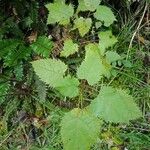
Aristotelia serrata
New Zealand wineberry · Wineberry
Description
Source: leafsnapAristotelia serrata, commonly known as wineberry or in the Māori language makomako or just mako, is a small tree in the family Elaeocarpaceae, in the genus Aristotelia, found in the North Island, South Island and Stewart Island of New Zealand.
Care Guide
💧 Water Every 2 weeks
Wineberry flourishes in woodland environments with periodic moisture and moderate humidity. To keep the soil moist, water the plant every two weeks. It is adaptable to different watering conditions, which makes it resilient in temperate climates. While it benefits from natural rainfall, it may require additional watering during dry periods.
☀️ Light Full sun
Wineberry does best when it receives abundant, unobstructed sunlight throughout the day. Although the plant can tolerate reduced sun exposure, it achieves its healthiest, most vigorous growth under plentiful light. Excessive shade can slow its development and reduce overall vitality. In its native habitat, it thrives in open spaces with ample light.
What are the sunlight requirements for Wineberry?
Wineberry plants thrive best under full sunlight, requiring more than 6 hours of direct sunlight daily for optimal growth. While they can survive in partial sun, receiving about 3-6 hours of sunlight, their growth and overall vitality are significantly enhanced in conditions of ample light. Too much shade can impede their growth and affect their health. To ensure the happiness of your plants, it's crucial to observe the movement of sunlight through your garden and select locations that provide an ideal balance of light and shade.
How does artificial lighting benefit indoor Wineberry plants?
Indoor Wineberry plants can greatly benefit from artificial lighting, especially when natural sunlight is insufficient, such as during winter or in less sunny indoor spaces. Artificial lights, including LED lights, serve as an excellent alternative, offering the necessary wavelengths of light for plant growth. For full sun plants, 30-50W/sq ft is recommended, whereas partial sun plants require 20-30W/sq ft, and full shade plants need 10-20W/sq ft. The light source should be placed 12-36 inches above the plant to mimic natural sunlight, and the duration should be adjusted to mimic natural daylight hours, generally 8-12 hours per day, to promote healthier, more vigorous growth.
What are the signs of light deficiency in Wineberry?
Wineberry plants, while thriving in full sunlight, may display several symptoms when exposed to insufficient light. These symptoms include the development of smaller leaves compared to mature ones, leggy or sparse growth characterized by elongated spaces between leaves or stems, which results in a thin, weakened appearance. Additionally, plants may exhibit faster leaf drop, slower or halted growth, and lighter-colored new leaves indicating a lack of chlorophyll and essential nutrients. Conditions such as chlorosis, where leaves turn yellow due to chlorophyll breakdown, sunscald, leaf curling, wilting, and leaf scorching can also occur, signifying the negative impact of excessive sunlight or inadequate light exposure.
How can I manage sunlight exposure for Wineberry to optimize growth?
Managing sunlight exposure for optimal Wineberry growth involves both indoor and outdoor strategies. Indoors, gradually transition plants to sunnier locations, aiming for at least 6 hours of direct sunlight daily. Utilize south-facing windows and keep curtains open during the day for maximum exposure. Artificial lighting such as desk or ceiling lamps, or professional grow lights can supplement natural light, especially for larger or immobile plants. Outdoors, gradually acclimate your plants to brighter spots, avoiding sudden intense exposure to prevent sunburn. Removing obstacles that block sunlight, and, for smaller plants, considering transplantation during their dormant phase to areas with better sunlight and drainage, are effective strategies for maximizing light exposure. Remember, while parts of the plant that suffered from light deficiency may not recover, new growth should flourish with improved lighting conditions.
🌡️ Temperature 15–37.8°C
Wineberry is very adaptable to different climates, from hot summers to cold winters. It nonetheless has a preferred temperature range for healthy growth. If temperatures become too high, the plant can experience heat and humidity stress that may kill it. In areas where temperatures approach the lower bound of its cold tolerance, providing insulation to protect the plant is important.
💨 Humidity
🪴 Soil 5-6
🌱 Fertilizer
The Wineberry plant needs adequate nutrients to produce fruit optimally. Fertilize in early spring to support new growth and flower development. Regular fertilization keeps the plant healthy, promotes more flavorful fruit, and prevents nutrient-deficiency problems like yellowing leaves and poor fruit yield.
🪴 Pot & Repot
✂️ Pruning
Wineberry is a bushy deciduous shrub prized for its red berries. To encourage healthy growth and abundant berry production, prune it in early spring. Remove any dead wood and thin out crowded branches. Be sure to use clean, sharp tools to prevent damage and reduce the risk of disease.
🌿 Propagating
🐛 Diseases & pets
☠️ Toxicity
Characteristics
- Plant Type
- Tree, Shrub
- Life Cycle
- Perennial
- Genus
- Aristotelia
- Family
- Elaeocarpaceae
- Hardiness Zone
- 8-11
- Mature Height
- 10.06 m
- Mature Spread
- 4.88 m
- Leaf Color
- Green, Blue
- Leaf Type
- Deciduous
- Flower Color
- Pink, White
- Flower Size
- 0.51 cm to 0.51 cm
- Bloom Time
- Early spring, Mid spring
- Planting Time
- Spring, Summer
- Harvest Time
- Summer
- Native Area
- New Zealand