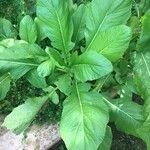
Armoracia rusticana
Horse-radish · Common Horseradish
Description
Source: leafsnapHorseradish, scientifically known as Armoracia rusticana, is a perennial plant in the Brassicaceae family. Native to southeastern Europe and western Asia, it has been widely cultivated for its pungent roots across many parts of the globe. The plant can reach up to 1.5 meters in height and features large, deeply lobed green leaves. The roots of the horseradish plant are primarily used for culinary purposes due to their strong flavor and aroma. Typically grated or ground into a paste, they serve as a condiment or flavoring agent in a variety of dishes, including sandwiches, salads, sauces, soups, and stews. In addition to its culinary applications, horseradish is known for its medicinal properties. Rich in antioxidants such as vitamin C and phenolic compounds, it is believed to possess anti-inflammatory properties that may help alleviate symptoms of arthritis and other inflammatory conditions. In conclusion, Armoracia rusticana is a remarkable plant with both culinary and medicinal benefits, making it an important component of many cultures around the world today.
🎭 The bitterness of being enslaved
Care Guide
💧 Water Every 7 days
Horseradish thrives best in an environment that is consistently moist but well-drained, needing water on a weekly basis. This hardy perennial grows particularly well outdoors in the spring, as this season brings increased rainfall. It's crucial to maintain the right level of moisture: keep the plant well-hydrated without causing the roots to become waterlogged.
How should I water my Horseradish?
To ensure the health of the Horseradish plant, it is recommended to use filtered water at room temperature for watering. Tap water may contain harmful particles, so filtered water is preferable. Considering the plant's origin in a warm environment, it is best to avoid using cold water as it can be a shock to its system. Additionally, overhead watering should be avoided as it can cause problems with the foliage. Instead, the filtered room temperature water should be applied directly to the soil until it is fully soaked. This method is beneficial as it moistens the roots, allowing them to spread through the soil and absorb necessary nutrients.
What do I do if I give my Horseradish too much or too little water?
Both overwatering and underwatering can harm the health of your Horseradish, but overwatering is more common. When the plant gets too much water, its stems and leaves may wilt and turn yellow. Overwatering can also lead to diseases like root rot, mold, and mildew, which can be fatal. Underwatering is less likely but can still happen. In this case, the leaves may become brittle and brown. It's important to recognize the signs of overwatering early. Some diseases caused by overwatering, like root rot, can't be reversed if left too long. If you see early signs, reduce your watering schedule and check the soil drainage. Replace poorly draining soil with a loose, well-draining potting mix. If your plant isn't getting enough water, simply increase your watering frequency until the signs improve.
How often do I need to water my Horseradish?
If your Horseradish plant is in a pot, check if the top two to three inches of soil have become dry by sticking your finger into it. If it's dry, then it's time to water it. If you're growing Horseradish outdoors in the ground, you can use the same method. Once the top few inches of soil have dried out, it's time to water. During spring and early fall, watering once a week is usually sufficient. In extremely hot weather, you may need to water twice a week or even more. However, it's worth noting that mature, well-established Horseradish plants can tolerate drought well.
How much water should I give my Horseradish?
To water your Horseradish effectively, make sure you give it a generous amount of water. When the top two to three inches of soil are dry, it's time to water thoroughly. Soak the soil completely, ensuring that water flows out of the drainage holes at the bottom of the pot. If there's no excess water draining, you may have underwatered your plant. However, be cautious not to let water accumulate in the soil as it can harm the plant. Likewise, if the water doesn't drain properly, it suggests poorly draining soil, which is harmful to the plant's health. If the plant is outside, around 1 inch of rain per week should be enough.
How should I water my Horseradish as it grows?
The water needs of Horseradish can vary depending on its growth stages. In the first few years or after transplanting, it requires more water as it focuses on developing new roots for future growth. These roots need extra moisture. As the plant matures, it requires less water. Another stage that may require additional watering is during the bloom period when the flower development requires significant moisture.
☀️ Light Full sun
Horseradish grows best in locations with plentiful sunlight during the day. It can also tolerate areas where light isn’t constant but is still fairly strong across the day. Too much sun can burn the leaves, while too little light can stunt growth, producing sparse foliage and reduced root development.
What are the sunlight requirements for horseradish?
Horseradish thrives best in conditions where it can receive abundant sunlight throughout the day, ideally requiring more than 6 hours of direct sunlight to be categorized under 'full sun'. It can, however, also adapt and grow in 'partial sun' conditions, which is about 3-6 hours of sunlight. The plant's health could be adversely affected if exposed to too little or an overabundance of sunlight, with potential issues ranging from scorched leaves to sparse foliage and diminished root development. Observing the movement of sunlight through your garden and choosing locations that provide a balance of light and shade is essential for the wellbeing of your horseradish plants.
How do artificial lights aid in the growth of horseradish indoors?
When natural sunlight is insufficient, notably during winter or in less sunny spaces, artificial lighting becomes crucial for the optimal growth of indoor horseradish plants. LED lights are recommended for their ability to be customized to provide specific wavelengths needed by plants. Full sun plants need 30-50W per square foot, partial sun plants require 20-30W per square foot, and full shade plants need 10-20W per square foot of artificial light. The light source should be placed 12-36 inches above the plant to simulate natural sunlight conditions, and the duration of light exposure should mimic natural daylight hours, usually 8-12 hours per day.
What are the key symptoms of insufficient light in horseradish?
Horseradish plants exhibiting insufficient light might show various symptoms including smaller new leaves, leggy or sparse growth, faster leaf drop, slower or halted growth, and the development of pale or irregularly colored leaves indicating a lack of chlorophyll. In cases of excessive sunlight, symptoms such as chlorosis, sunscald, leaf curling, wilting, and leaf scorching might occur. These symptoms signify the plant's struggle with light conditions, affecting its growth and overall health.
What solutions can improve light conditions for horseradish?
Improving light conditions for horseradish involves several strategies depending on the plant's location. Indoors, gradually relocating the plant to a sunnier spot or using artificial light sources like desk lamps or professional grow lights for at least 8 hours daily can help. Outdoors, moving the plant to a location with more sunlight gradually to prevent sunburn is recommended. For plants in the ground, reducing obstructions by pruning trees or transplanting smaller plants to sunnier locations during their dormant period can increase sunlight exposure. These methods aim to provide the plants with the necessary environment for optimal growth, while new growths post-adjustment are expected to be healthier.
🌡️ Temperature 5–32.2°C
Horseradish is native to areas where temperatures usually fall between 68 and 95°F (20 to 35℃). It does best in fairly warm climates. Because it is sensitive to temperature shifts, growing it in off-seasons may require adjustments.
What is the origin and preferred climate for Horseradish cultivation?
Horseradish (Armoracia rusticana) is indigenous to regions that typically experience temperatures ranging from 68 to 95°F (20 to 35°C). It thrives in relatively warm climates and requires adjustments for off-season cultivation due to its sensitivity to temperature changes. Despite its strong cold resistance, meaning special frost protection measures are generally unnecessary, attention should still be given during unusually cold winters to ensure the plant's well-being.
How should Horseradish be protected during cold weather?
To protect Horseradish during cold weather, especially when winter temperatures are expected to drop significantly, it is important to cover the plant with soil or straw. Additionally, watering the plant abundantly before the first freeze in autumn is recommended. This practice keeps the soil moist and helps prevent drought and water scarcity for the plant during the winter and early spring, ensuring its survival and health during cold months.
What are the symptoms and solutions for Horseradish exposed to low temperatures?
Horseradish is cold-tolerant and prefers temperatures above a certain minimum suited for growth. During winter, it should be kept above a specific tolerable growing temperature minimum. If temperatures fall below a critical limit, the plant might not show noticeable changes during winter but could experience decreased sprouting or fail to sprout in spring. The solution to this issue is to remove any parts of the plant that have failed to sprout in spring, facilitating healthy growth.
How does high temperature affect Horseradish and what are the solutions?
During summer, it's crucial to keep Horseradish below a certain maximum suitable growth temperature. Exceeding a tolerable growing temperature maximum can cause the leaves to lighten in color, curl, become prone to sunburn, and in severe cases, lead the entire plant to wilt and dry out. To combat this, trimming away the sunburned and dried-up parts, relocating the plant to a shaded location, or using a shade cloth can be effective. Additionally, watering the plant in the morning and evening helps maintain soil moisture and protect the plant from heat stress.
💨 Humidity
🪴 Soil 6-7
🌱 Fertilizer
A single fertilizer application in spring is generally enough for Horseradish, though repeated feedings can enhance growth. Feed about once every month to a month and a half. Fertilizing improves the leaves' appearance and function, helping maintain even color and a healthy texture. It also encourages root development and nutrient uptake for long-term plant health.
Why is it necessary to add fertilizer to my Horseradish?
Proper fertilization is key for maintaining the health and appearance of the leaves on your Horseradish plant. Fertilizing helps the leaves maintain consistent color and a healthy texture. Additionally, it also supports the growth of new roots and the maintenance of existing ones below the soil's surface. This ensures that your plant not only stays healthy in the present, but also becomes better equipped to absorb nutrients from the soil in the future.
When should I add fertilizer to my Horseradish plant?
If you grow your Horseradish outdoors each year, it will send new growth shooting out in early spring. This signals the right time to start fertilizing for the year. Usually, a single application of fertilizer is sufficient for a Horseradish when spring arrives. However, if you want to maximize its growth, you can fertilize multiple times in the spring and early summer. If you choose this approach, feed your Horseradish approximately once every month to a month and a half.
When is it not a good idea to fertilize my Horseradish?
During the late fall and winter, your Horseradish will be dormant and stop growing. It's best to avoid fertilizing it during this time. In the spring and summer, if you choose to fertilize multiple times, start reducing the amount as summer approaches because the growth rate of your Horseradish will also slow down. Generally, it's not recommended to fertilize your Horseradish when the weather is unusually hot or the soil is very dry, as this can cause stress and premature death.
What kind of fertilizer should I use for my Horseradish?
Choosing the best fertilizer for a Horseradish is actually quite simple. A general-purpose garden fertilizer with equal amounts of nitrogen, phosphorus, and potassium is ideal for these plants. A fertilizer with a 10-10-10 ratio (or similar) will work very well. Avoid fertilizers that are high in nitrogen if you're unsure. The majority of recommended fertilizers for Horseradish come in a granular form. These fertilizers should be slow-release and easy to apply to the soil. Additionally, it can be beneficial to use an organic soil amendment like compost as a food source for your Horseradish.
How can I make my Horseradish grow better with plant food?
To ensure proper growth, wait for your Horseradish to sprout leaves in early spring. Once this happens, apply a granular slow-release fertilizer with a balanced formula to the soil around the base of the plant. If needed, you can repeat this process later in the season. It's important to apply the fertilizer to the soil and not directly onto the plant. You may need to move some leaves to access the soil above the roots. Additionally, watering your Horseradish before and after fertilizing is recommended.
🪴 Pot & Repot Every 12 months
Repot Horseradish in early spring. Choose a pot that is wider than it is deep and provides good drainage. Use a loamy, well-draining potting mix enriched with compost. Gently remove old soil from the bulb and plant it at a depth equal to the bulb’s height. Water thoroughly after repotting and place in a sunny spot. Avoid overwatering to prevent the bulb from rotting.
✂️ Pruning
Pruning horseradish is beneficial especially from early to late spring. By removing dead foliage, you can encourage new growth, improve air circulation, and lower the risk of disease. Regular maintenance helps stimulate root development, leading to healthier plants and increased yields. For more detailed instructions, refer to horticultural guides.
🌿 Propagating
🐛 Diseases & pets
☠️ Toxicity
Characteristics
- Plant Type
- Herb
- Life Cycle
- Perennial, Annual
- Genus
- Armoracia
- Family
- Brassicaceae
- Hardiness Zone
- 4-8
- Mature Height
- 61 cm to 76 cm
- Mature Spread
- 49 cm
- Leaf Color
- Green
- Leaf Type
- Deciduous
- Flower Color
- White
- Flower Size
- 2.54 cm
- Bloom Time
- Late spring, Early summer
- Planting Time
- Spring
- Harvest Time
- Mid summer
- Native Area
- Russia, Lithuania, Turkey, Estonia, Latvia, Ukraine