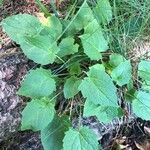
Arnica cordifolia
Heartleaf arnica · Heart-leaf arnica · Heart-leaved arnica · Heart-leaved leopardbane
Description
Source: leafsnapArnica cordifolia is a species of arnica in the sunflower family, known by the common name heartleaf arnica. It is native to western North America.
Care Guide
💧 Water
Heartleaf Arnica thrives in moist montane areas, needing consistently damp soil to grow well. To prevent the soil from drying out for long periods, it benefits from weekly watering. This herbaceous perennial does best outdoors, and sufficient hydration is crucial for it to produce strong flowers and maintain its overall health during the growing season.
How should I water my Heartleaf Arnica plant?
To properly care for the Heartleaf Arnica plant, it is recommended to use filtered water at room temperature. Tap water may contain harmful particles that can affect its health. It is important to use room temperature or slightly warm water because the plant is accustomed to a warm environment and cold water can be unsettling. Avoid watering the plant from above as this can cause problems with the foliage. Instead, water the plant by applying filtered room temperature water directly to the soil until it is fully soaked. This method helps moisten the roots and allows them to spread throughout the soil to collect the necessary nutrients for the plant's well-being.
What do I do if I give my Heartleaf Arnica plant too much or too little water?
Overwatering is a common issue for Heartleaf Arnica, which can cause wilting, yellowing, and even diseases like root rot, mold, and mildew. Underwatering is less common due to the plant's drought tolerance, but it can still happen and result in brittle, brown leaves. It's important to identify and address overwatering signs early, as some diseases may become irreversible if left untreated. Reduce watering immediately if you notice overwatering signs, and check the soil's drainage. Replace poorly draining soil with a loose, well-draining potting mix. Conversely, if signs indicate insufficient water, increase watering until the plant recovers.
How frequently should I water my Heartleaf Arnica plant?
If your Heartleaf Arnica plant is in a pot, the most precise way to determine if it needs water is by checking the soil. Plunge your finger into the soil and if the top two to three inches have dried out, it's time to water. If you're growing your Heartleaf Arnica outdoors in the ground, you can use a similar method. When the top few inches of soil become dry, it's time to water. Typically, during the spring and early fall, watering once a week is sufficient. However, in extremely hot weather, you may need to water two or more times a week. It's worth noting that mature, well-established Heartleaf Arnica plants can handle drought conditions well.
How much water does my Heartleaf Arnica plant need?
When watering your Heartleaf Arnica, don't hold back on the water. Make sure the top two to three inches of soil are dry before giving it a good, thorough watering. The goal is to completely soak the soil, so add enough water that it drains out of the bottom of the pot. If you don't see excess water coming out, you may not have watered enough. However, be careful not to let water accumulate in the soil, as this can harm the plant. On the other hand, if water is not draining properly, it may mean that the soil doesn't have good drainage, which is not good for the plant's health. If the plant is outside, it generally needs about 1 inch of rain per week.
How should I water my Heartleaf Arnica as it grows?
The water needs of the Heartleaf Arnica can vary depending on its growth stages. In the early years or when you transplant it, you'll need to water it more than usual. During these stages, the plant focuses on growing new roots, which require extra moisture. As the plant matures, it will require less water. Another stage that may require more water is the bloom period when the flowers need plenty of moisture.
☀️ Light Partial sun
Heartleaf Arnica performs best with moderate sunlight, mirroring the conditions of its native environments. It can, however, persist without any light. Both extremes — too little or too much sun — can impair healthy growth and may result in stress, scorching, or stunted development.
What are the sunlight requirements for Heartleaf Arnica?
Heartleaf Arnica thrives in moderate sunlight, mirroring its native habitat conditions. It requires about 3-6 hours of sunlight per day but can also survive in less ideal lighting conditions. However, too much or too little sunlight can adversely affect the plant, leading to various growth issues such as stress, scorching, or stunting. It's important to watch how sunlight moves through your garden to find the perfect balance of light and shade for your plants.
Can Heartleaf Arnica grow with artificial lighting?
Yes, indoor Heartleaf Arnica plants can grow with artificial lighting, particularly when natural sunlight is insufficient, such as in winter or less sunny spaces. LED lights are recommended because they can be customized to provide specific wavelengths of light that plants need. The amount of artificial light required varies: full sun plants need 30-50W/sq ft, partial sun plants need 20-30W/sq ft, and full shade plants need 10-20W/sq ft. The light should be placed 12-36 inches above the plant for 8-12 hours per day to mimic natural sunlight conditions.
What are the symptoms of incorrect lighting for Heartleaf Arnica?
Symptoms of incorrect lighting for Heartleaf Arnica include the development of small leaves, leggy or sparse growth, faster leaf drop, slower or halted new growth, lighter-colored new leaves, chlorosis (leaves turning yellow), sunscald (damage from intense sunlight), leaf curling (to minimize water loss), wilting (loss of turgor pressure), and leaf scorching (brown, dry edges on leaves). These symptoms indicate either too little or too much sunlight exposure, which can negatively impact the plant's health.
How can I remedy lighting issues for Heartleaf Arnica?
To remedy lighting issues for Heartleaf Arnica, gradually expose the plant to more sunlight by shifting it to sunnier spots each week, aiming for 3-6 hours of direct sunlight daily. For indoor plants that aren't easily movable or are too large, consider using a desk or ceiling lamp for at least 8 hours daily, or invest in professional plant grow lights. If your outdoor plants suffer from sudden changes in light intensity, move them gradually to a sunnier location. In some cases, especially if the area around the plant is blocking sunlight, you may need to reduce obstructions, such as by pruning trees, or transplant smaller plants to a location with better sunlight and drainage. Note that parts of the plant affected by insufficient sunlight might not recover, but new growth should be healthy once conditions improve.
🌡️ Temperature 0–21.1°C
Heartleaf Arnica originates from habitats where temperatures usually range from 32 to 70 °F (0 to 21 ℃). It favors cool to mild conditions. When seasons change, ensure temperatures are adjusted so they remain within its comfort range.
What is the native environment temperature range for Heartleaf Arnica?
Heartleaf Arnica thrives in environments with temperatures ranging between 32 to 70 °F (0 to 21 °C), preferring cool to mild temperatures. It is important to regulate the temperature to stay within this range as seasons change. This plant is highly cold-tolerant and does not require additional frost protection measures during the winter months.
What should I do to prepare Heartleaf Arnica for winter?
To prepare Heartleaf Arnica for winter, it is recommended to water the plant generously before the first freeze in autumn. This ensures the soil stays moist and enters a frozen state, helping to prevent drought and water scarcity for the plant during the colder months and early spring.
How does Heartleaf Arnica react to temperatures below -40°C?
Despite its extreme cold tolerance, Heartleaf Arnica's winter temperature should be maintained above -40°C. If temperatures drop below this threshold, you might not notice any immediate changes during winter; however, there may be a decrease in sprouting, or the plant might not sprout at all during spring. In such cases, remove any parts of the plant that have failed to sprout.
What should I do if Heartleaf Arnica is exposed to high temperatures?
Heartleaf Arnica is not tolerant of high temperatures, and its growth will stop if the temperature exceeds 21°C, becoming more susceptible to rot. To mitigate damage from overexposure to high temperatures, trim away any sunburned and dried-up parts. Move the plant to a location that provides shade during the midday and afternoon sun, or use a shade cloth. Additionally, water the plant in the morning and evening to keep the soil moist and help it cope with the heat.
💨 Humidity
🪴 Soil 5-7
🌱 Fertilizer
The best time to fertilize a Heartleaf Arnica is in early spring, when it is coming out of dormancy and beginning active growth. Fertilization supplies essential nutrients needed for healthy growth. Although Heartleaf Arnica has relatively low fertilizer requirements, applying fertilizer annually can improve its survival and encourage better, longer-lasting flowers.
🪴 Pot & Repot
✂️ Pruning
In early to late spring, prune heartleaf arnica to remove dead stems and support healthy growth. Thin out crowded areas to improve airflow and light penetration. Regular pruning encourages blooming, maintains plant health, and enhances the plant's visual appeal. However, avoid heavy pruning to prevent stress and disease.
🌿 Propagating
🐛 Diseases & pets
☠️ Toxicity
Characteristics
- Plant Type
- Herb
- Life Cycle
- Perennial
- Genus
- Arnica
- Family
- Asteraceae
- Hardiness Zone
- 2
- Mature Height
- 15 cm to 61 cm
- Mature Spread
- 61 cm to 91 cm
- Leaf Color
- Green, Dark Green
- Leaf Type
- Deciduous
- Flower Color
- Yellow
- Flower Size
- 5.08 cm to 6.35 cm
- Bloom Time
- Late spring, Early summer, Mid summer
- Planting Time
- Spring, Summer
- Harvest Time
- Mid summer