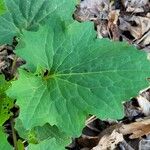
Arnoglossum atriplicifolium
Pale Indian plantain
Description
Source: leafsnapArnoglossum atriplicifolium, the pale Indian plantain, is a perennial herbaceous wildflower in the sunflower family (Asteraceae). native to the central and eastern United States. It can reach heights of up to 3 metres (10 ft), with dramatic clusters of white flowers at the top of a central, unbranching stalk.
🌳 Pale Indian Plantain serves an important role as a host plant for several butterfly species, including the endangered monarch butterfly. Although it is not widely known for use in human industries, its role in supporting butterfly populations is significant. These butterflies depend on Pale Indian Plantain for laying their eggs and for feeding their larvae, forming an essential part of the local ecosystem where the plant grows. This ecological relationship highlights its potential value in butterfly conservation efforts.
🎭 Recovery, Defense, Power
Care Guide
💧 Water
The Pale Indian Plantain thrives in moist environments akin to its native prairies and woodlands. It requires regular watering every week, taking care not to overwater. As an outdoor herbaceous perennial, it benefits from natural rainfall, which supports its growth and lifecycle.
How should I water my Pale Indian Plantain plant in the best way?
When caring for the Pale Indian Plantain, it's best to use filtered water at room temperature. Tap water may contain harmful particles, so filtering it is a good idea. The plant prefers warmer temperatures, so avoid using cold water as it can be a shock. It's also important to avoid watering the plant from above, as this can cause problems with the foliage. Instead, water the plant by applying filtered room temperature water directly to the soil until it is fully soaked. This helps to keep the roots moist and allows them to absorb the necessary nutrients.
What do I do if I give too much or too little water to my Pale Indian Plantain?
Overwatering is a more common issue than underwatering for the health of your Pale Indian Plantain. When the plant receives too much water, its stems and leaves may wilt and turn yellow. Overwatering can also lead to diseases like root rot, mold, and mildew, which can be fatal. Although underwatering is less common due to the plant's drought tolerance, it can still happen. Signs of underwatering include brittle and brown leaves. It is important to recognize signs of overwatering early to prevent irreparable damage. If you notice those signs, reduce your watering schedule and assess the soil quality. If the soil drains poorly, replace it with a well-draining potting mix. If your plant is not getting enough water, increase watering until the signs improve.
How frequently should I give water to my Pale Indian Plantain?
If your Pale Indian Plantain is in a pot, the most precise way to determine if it needs water is by checking the soil with your finger. If the top two to three inches of soil feel dry, it's time to water the plant. If you have the plant growing in the ground outdoors, you can use the same method to test the soil. Once again, if the top few inches of the soil have dried out, it's time to water. During spring and early fall, you'll typically need to water this plant about once a week using this method. However, when the weather gets extremely hot, you may need to increase watering to twice or more per week. It's worth noting that mature, well-established Pale Indian Plantains have an impressive ability to withstand drought.
How much water does my Pale Indian Plantain plant need?
To properly water your Pale Indian Plantain, it's important to be generous with the amount of water you give. Make sure that the first two to three inches of soil are dry before watering. When you do water, give enough water to completely saturate the soil. You'll know you've given enough water when you see excess water flowing out of the drainage holes at the bottom of the pot. If you don't see any excess water draining, it means you haven't watered enough. However, be careful not to let water accumulate in the soil, as this can harm the plant. On the other hand, if you notice that water isn't draining well through the pot, it could indicate a problem with the soil and this should be avoided since it can affect the health of the plant. If the plant is outdoors, about 1 inch of rain per week will be sufficient.
How do I water my Pale Indian Plantain when it is growing at different stages?
The water needs of the Pale Indian Plantain vary depending on its growth stages. During the first few years or after transplanting to a new location, it requires more water to support the sprouting of new roots, which will aid future growth. These developing roots need more moisture compared to later stages. As the plant matures, it will require less water. Another stage that requires increased watering is the bloom period when the flower development utilizes a significant amount of moisture.
☀️ Light Full sun
Pale Indian Plantain does best with abundant sunlight, which is ideal for its growth and health. It requires a generous amount of sun throughout its various growth stages. While it can tolerate areas with only moderate light, this plant comes from habitats that receive plenty of light. Both excessive and insufficient sunlight can damage its overall health, so a balanced amount of exposure is important.
What are the sunlight requirements for Pale Indian Plantain?
Pale Indian Plantain thrives under conditions of abundant sunlight, ideally requiring above 6 hours of sunlight per day to maintain health and promote growth. It can also survive in partially sunny locations, with about 3-6 hours of sunlight. However, the balance of light and shade is crucial for the plant's well-being, as both overexposure and insufficient sunlight can negatively affect its health. Observing how sunlight moves through your garden and choosing locations that offer a suitable mix of light and shade will support the happiness and growth of your plants.
What are the effects of artificial lighting on Pale Indian Plantain and how is it implemented?
For indoor Pale Indian Plantains or those not receiving sufficient natural sunlight, particularly during winter or in less sunny locations, artificial lighting serves as an essential alternative. It supports optimal growth and healthier plants by compensating for the lack of natural sunlight. Key considerations when using artificial light include choosing the right type of light, such as LED lights, which can provide specific wavelengths necessary for the plant. The intensity of artificial light should range from 10-50W per square foot, depending on whether the plant requires full sun, partial sun, or full shade. The artificial light source should be placed 12-36 inches above the plant to simulate natural sunlight conditions, and the duration of exposure should mimic natural daylight hours, typically 8-12 hours per day.
What symptoms indicate Pale Indian Plantain is receiving inadequate sunlight?
When Pale Indian Plantain is exposed to inadequate sunlight, it may exhibit several symptoms indicative of light deficiency. These include smaller new leaves compared to mature ones, leggy or sparse growth, faster drop of older leaves, slower or halted new growth, and lighter-colored or pale new leaves. Additionally, chlorosis or yellowing of leaves indicates a breakdown of chlorophyll due to excessive sunlight, which interrupts the plant's ability to photosynthesize efficiently. Sunscald, leaf curling, wilting, and leaf scorching are also common symptoms that occur when the plant is exposed to too much direct sunlight, impacting its overall health.
How can you mitigate sunlight-related issues for Pale Indian Plantain?
To address sunlight-related issues in Pale Indian Plantain, it's important to gradually adjust the plant's exposure to sunlight. For indoor plants, progressively moving them to sunnier spots weekly until achieving at least 6 hours of direct sunlight daily can be beneficial. Using south-facing windows and keeping curtains open during the day maximizes exposure. If moving the plant isn't feasible, consider using artificial lighting, keeping a lamp on for about 8 hours daily or investing in grow lights. Outdoors, gently acclimate your plants to brighter areas to prevent sunburn. If direct sunlight is obstructed, pruning overhanging branches or transplanting the plant to a sunnier location can improve light access. Note that affected parts of the plant may not recover, but new growth will be healthy once light conditions improve.
🌡️ Temperature 5–32.2°C
Pale Indian Plantain originates from temperate regions and generally does best at temperatures between 41 and 90 °F (5 to 32 ℃). In colder months, make sure it has adequate insulation and, if temperatures drop below its preferred range, consider moving it indoors.
What is the native environment for Pale Indian Plantain?
Pale Indian Plantain, scientifically known as Arnoglossum atriplicifolium, is native to temperate environments. It generally flourishes in temperatures ranging from 41 to 90°F (5 to 32°C). This plant is well-suited to conditions that fall within this temperature range, ensuring its growth and development are optimized in such climates.
How should I protect Pale Indian Plantain during cold seasons?
During the colder seasons, it's important to provide Pale Indian Plantain with proper insulation, especially if temperatures drop below its preferred range. While the plant has strong cold resistance, frost protection measures aren't typically necessary. However, in exceptionally cold winters where temperatures are expected to fall below -30°C, protective measures should be taken. Covering the plant with soil or straw can offer adequate cold protection. Additionally, watering the plant abundantly before the first freeze of autumn is advisable to ensure the soil remains moist and enters a frozen state, helping to prevent drought and water scarcity for the plant throughout the winter and into early spring.
What are some key symptoms and solutions for Pale Indian Plantain in low temperatures?
Pale Indian Plantain exhibits strong cold tolerance, optimally thriving in temperatures above 5°C. However, during winter, it's essential to keep the temperature above -25°C. If temperatures drop below -30°C, there might not be noticeable changes immediately, but a decrease in sprouting or a complete failure to sprout might occur by spring. The solution for any parts that fail to sprout in spring is to simply remove them, encouraging new growth and maintaining the plant's health.
How should I care for Pale Indian Plantain during high temperatures?
In the summer, it's crucial to ensure that the temperature remains below 32°C for Pale Indian Plantain's well-being. Should temperatures exceed 35°C, the plant's leaves may lighten in color, become prone to curling, suffer from sunburn, and, in severe cases, the entire plant may wilt and dry out. To combat these issues, trimming away sunburned and dried-up parts of the plant is recommended. Moving the plant to a shaded location or using a shade cloth to protect it from midday and afternoon sun can also be beneficial. Additionally, watering the plant in the morning and evening will help keep the soil moist and support the plant's health during hotter periods.
💨 Humidity
🪴 Soil 6-7
🌱 Fertilizer
The best time to fertilize Pale Indian Plantain is in early spring, as it is coming out of dormancy and starting active growth. Fertilization supplies essential nutrients for healthy growth. Although Pale Indian Plantain has relatively low fertilizer requirements, feeding it once a year can improve its survival and encourage healthier, longer-lasting flowers.
🪴 Pot & Repot
✂️ Pruning
The Pale Indian Plantain is a perennial plant characterized by its large leaves and tall flower stalks. To promote growth, prune the dead stems in early to late spring, cutting just above a leaf node. This practice helps maintain the plant's shape, prevents disease, and improves air circulation, which leads to better overall plant health.
🌿 Propagating
🐛 Diseases & pets
☠️ Toxicity
Characteristics
- Plant Type
- Herb
- Life Cycle
- Perennial
- Genus
- Arnoglossum
- Family
- Asteraceae
- Hardiness Zone
- 4-8
- Mature Height
- 1.83 m to 3.66 m
- Mature Spread
- 30 cm to 91 cm
- Leaf Color
- Green, Dark Green
- Leaf Type
- Deciduous
- Flower Color
- White
- Flower Size
- 2.54 cm
- Bloom Time
- Early summer, Mid summer
- Planting Time
- Spring, Summer
- Harvest Time
- Mid summer