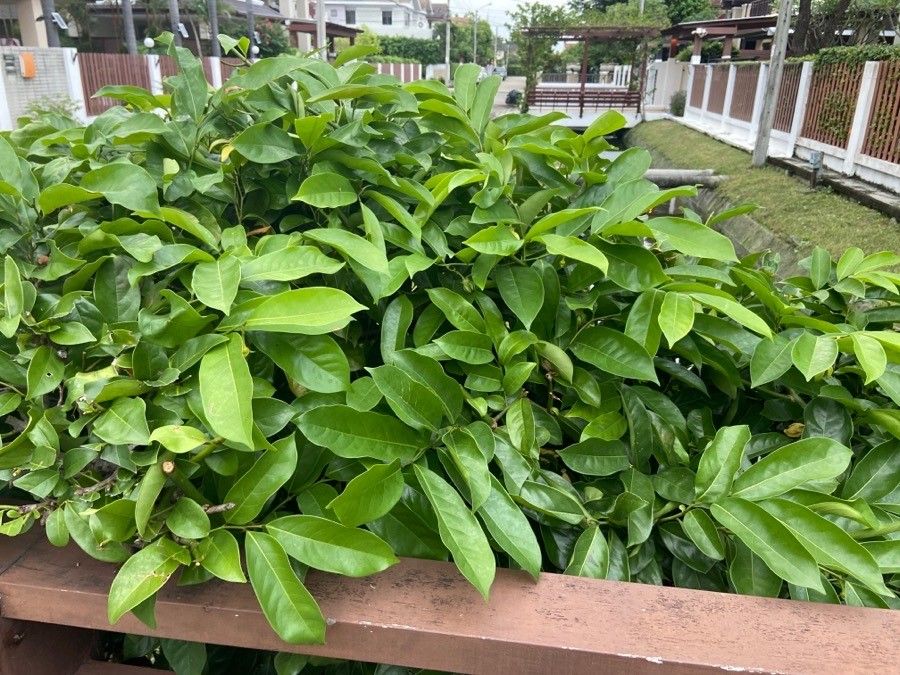
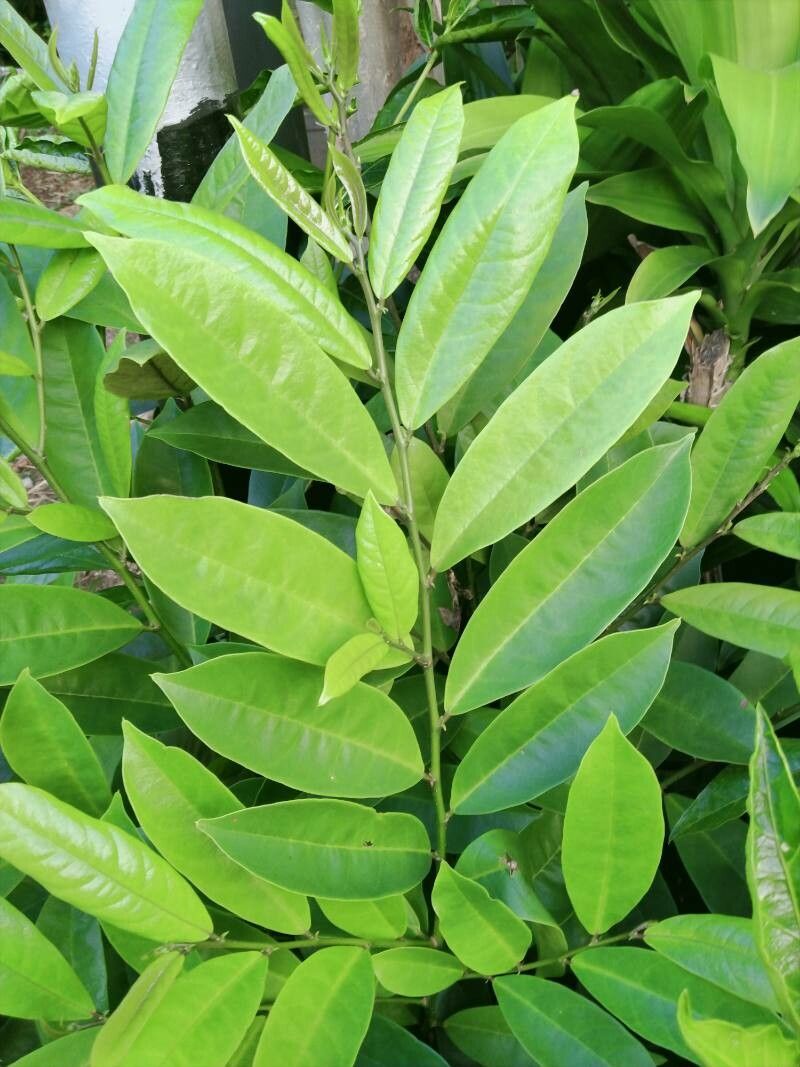
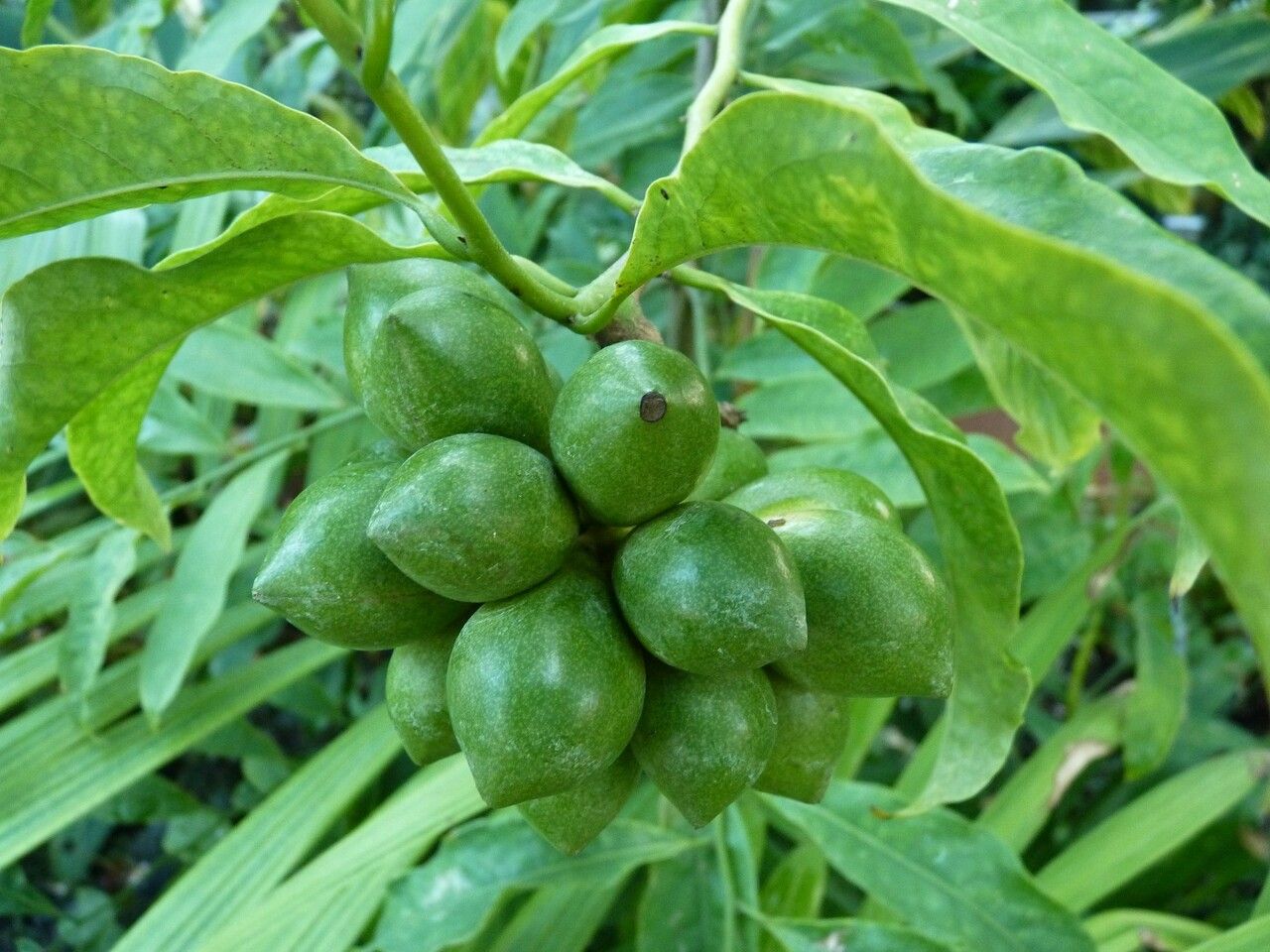
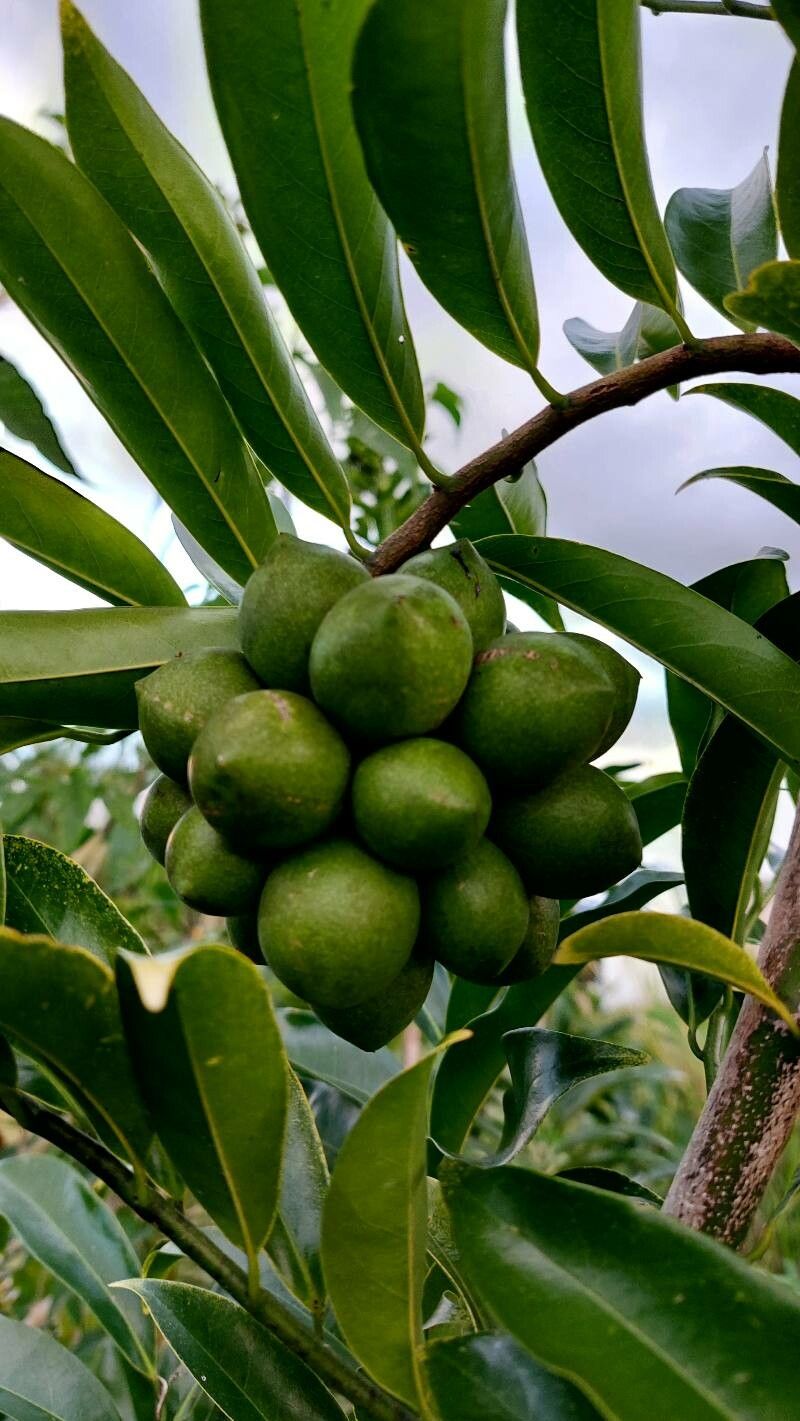
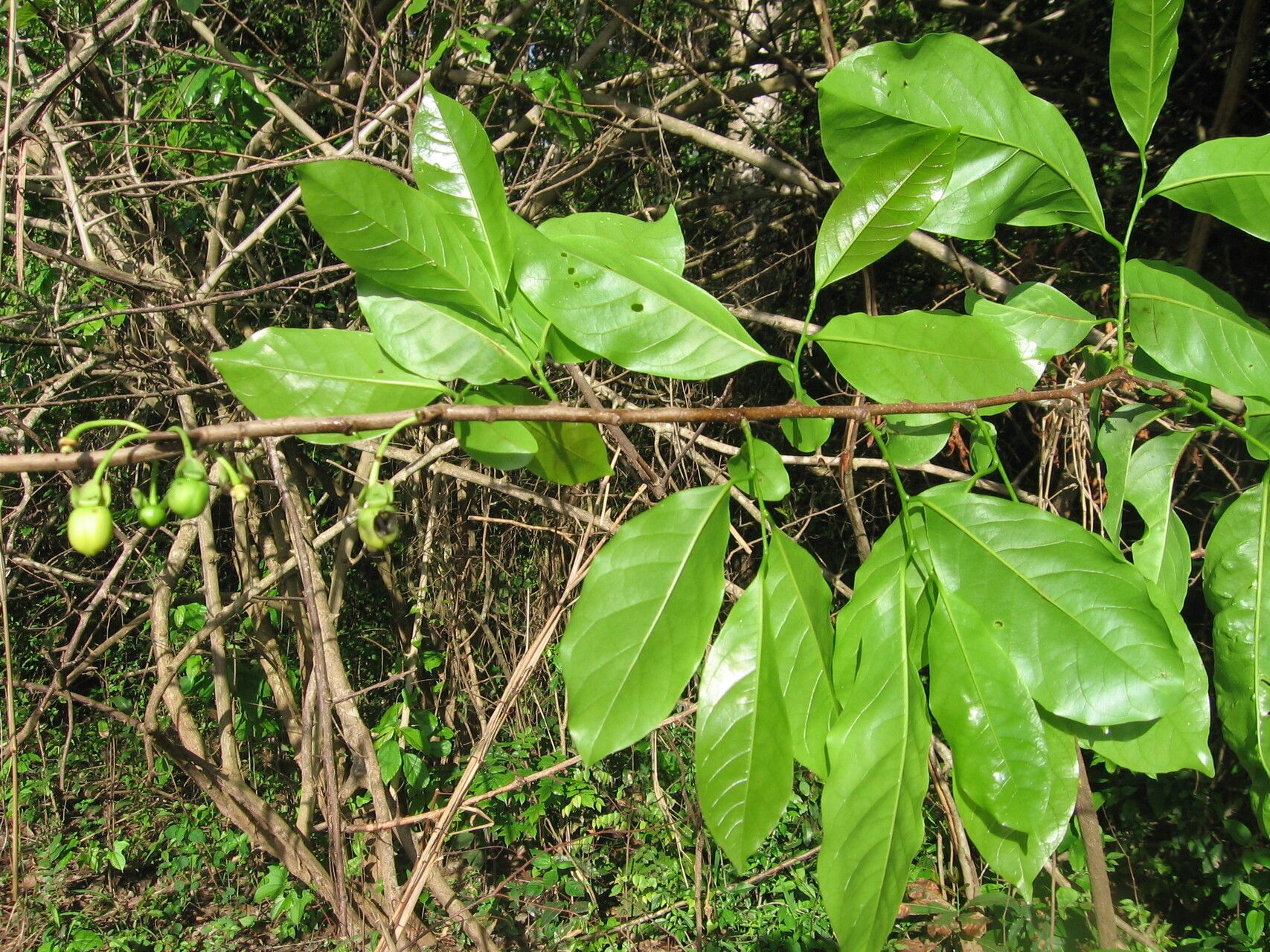
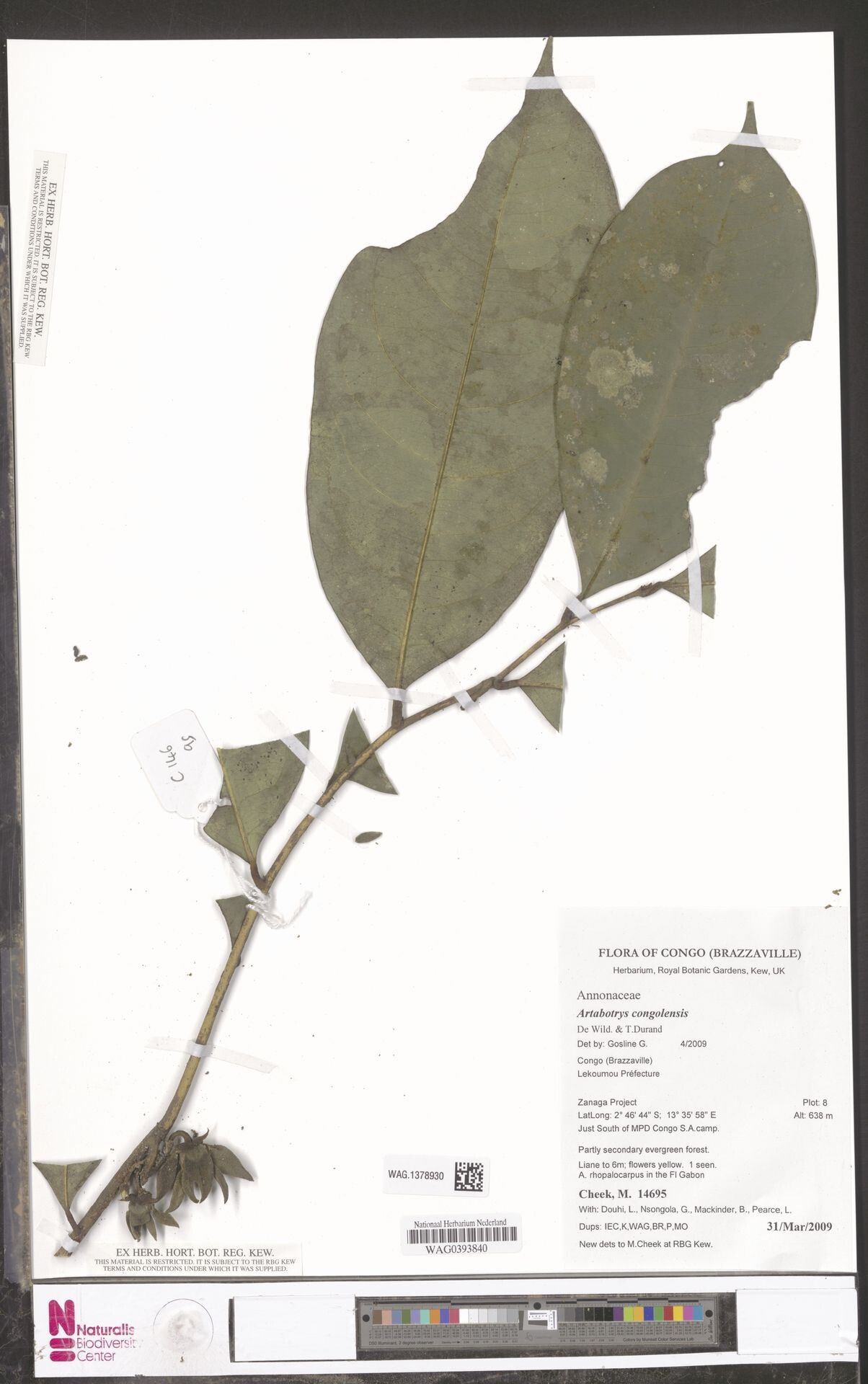
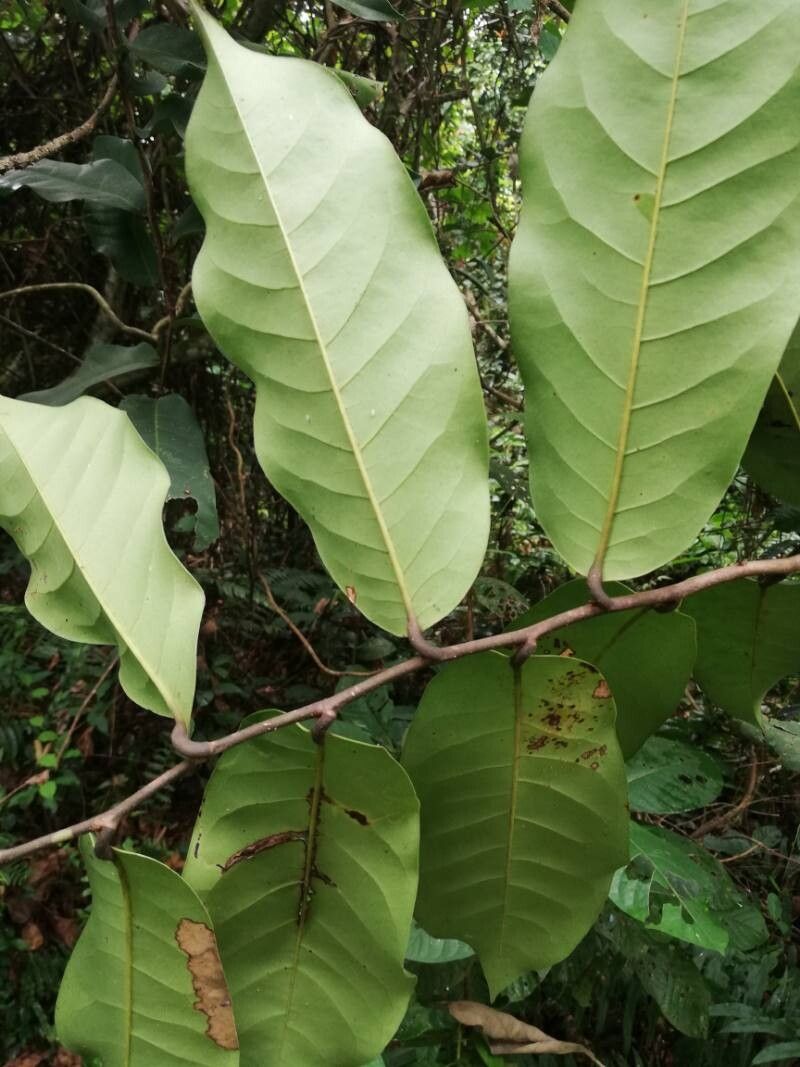
Artabotrys hexapetalus, commonly known as the "Climbing Ylang-Ylang," is a tropical vine belonging to the Annonaceae family. Native to Southeast Asia, this plant can be found in countries such as India, Sri Lanka, and Malaysia. It is renowned for its unique fragrance, which closely resembles the scent of ylang-ylang flowers.
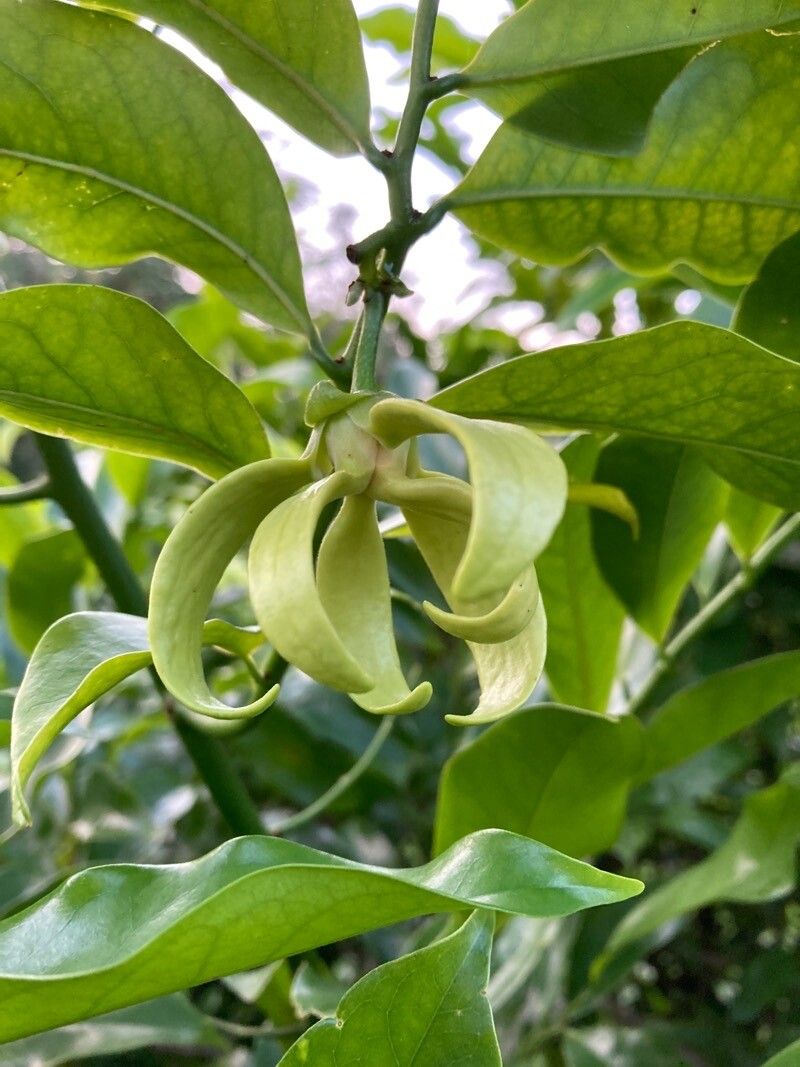
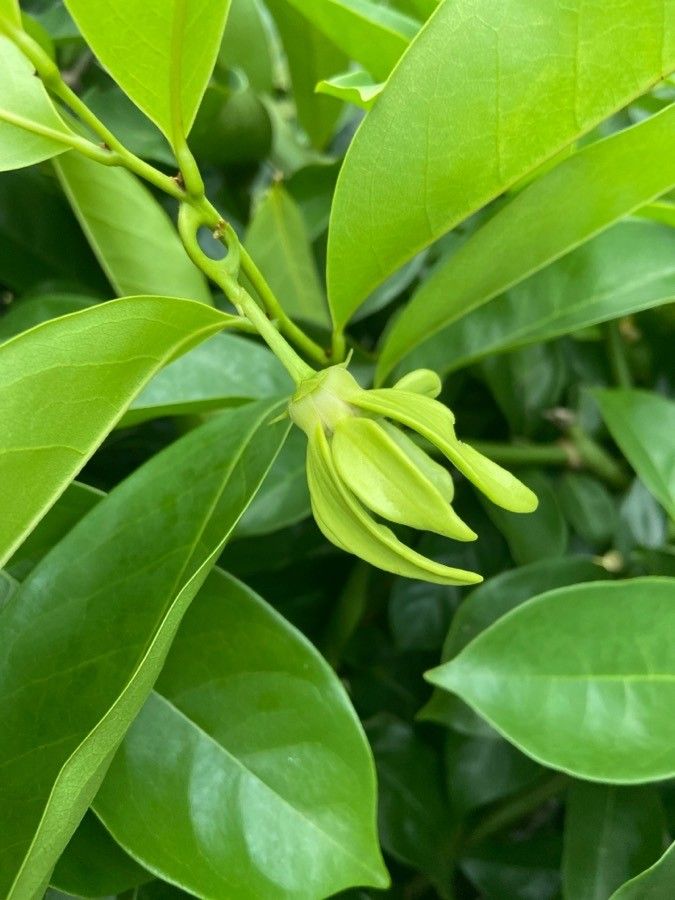
The Climbing Ylang-Ylang plant features long stems that can grow up to 10 meters in length. Its dark green, glossy leaves are oval-shaped, providing a lush backdrop for its flowers. The plant's small flowers, marked by six star-shaped petals, display a distinct yellow-green color.
This plant is celebrated for its medicinal properties, particularly its ability to treat fever, coughs, asthma, and other respiratory problems. Additionally, its anti-inflammatory properties make it valuable for treating skin conditions such as eczema.
Beyond its medicinal uses, Artabotrys hexapetalus is prized in perfumery for its distinctive fragrance profile. The plant's essential oil contains compounds like benzyl acetate, which contribute to an aroma that closely mirrors that of ylang-ylang flowers.
In summary, Artabotrys hexapetalus is a fascinating tropical vine with both medicinal and commercial applications. Its unique fragrance profile and various health benefits make it an important species within Southeast Asia's biodiversity hotspots, highlighting the need for its conservation for the benefit of future generations.
Climbing ilang-ilang is resistant to disease and is generally not susceptible to illnesses. In terms of care, this plant is fairly low maintenance. When grown outdoors it needs little watering, and larger plants typically do not require pruning. Smaller plants, however, should be pruned after they finish blooming. Climbing ilang-ilangt is suitable for anyone with outdoor space, such as a garden or deck, and does not need much gardening experience.
How to keep Artabotrys Hexapetalus.
Light
Climbing ilang-ilang grows best in places where sunlight can fully reach its leaves for most of the day. It can, however, also tolerate conditions with only moderate light. Excessive light exposure can scorch the leaves, while insufficient light can slow its growth.
Water
Climbing ilang-ilang, which originates from humid tropical regions, thrives in high-moisture environments. It prefers consistent humidity but can also endure moderate drought. To maintain its evergreen foliage and ensure its health and vigor throughout the year, it should be watered every three weeks.
Temperature
Climbing ilang-ilang is native to regions with temperatures between 68 and 95 °F (20 to 35 °C). It does best in these warm conditions. In colder seasons, keep its surrounding environment within its preferred temperature range.
Fertilizer
The best time to fertilize a climbing ilang-ilang is in early spring, when it is coming out of dormancy. This encourages overall growth and supports flower development. Fertilization improves the foliage, stems, and branches, and promotes flowers that are larger, more vibrant, and longer-lasting. It also helps transport nutrients from the roots to the flowers and enhances the plant's health and disease resistance.
Pruning
The climbing ilang-ilang is known for its fragrant blooms and is perfect for vertical gardening. To keep the plant healthy and promote abundant flowering, it is recommended to prune it in early spring. During pruning, focus on removing dead stems and shaping the plant, but be careful not to over-prune, as preserving mature wood is important. These practices are backed by reference materials and encourage vigorous growth and abundant blooms.
Botanical profile.
- Plant Type
- Vine
- Life Cycle
- Perennial
- Genus
- Artabotrys
- Family
- Annonaceae
- Hardiness Zone
- 10
- Mature Height
- 2.44 m to 3.05 m
- Mature Spread
- 13 cm
- Leaf Color
- Dark Green
- Leaf Type
- Evergreen
- Flower Color
- Yellow, Green
- Flower Size
- 2.03 cm to 3.05 cm
- Bloom Time
- Summer, Early fall, Mid fall
- Planting Time
- Spring, Summer, Autumn
- Harvest Time
- Fall, Early winter, Mid winter
- Native Area
- Sri Lanka, India
Other names.
Reader questions.
What are the sunlight requirements for Climbing ilang-ilang (Artabotrys hexapetalus)?
Climbing ilang-ilang requires full sun or partial sun to thrive. 'Full sun' is defined as above 6 hours of sunlight per day, while 'partial sun' means about 3-6 hours of sunlight daily. It’s essential to observe how sunlight moves through your garden, selecting spots that offer a balance of light and shade. This ensures the plants receive the optimal conditions for growth.
What is the ideal temperature range for Climbing ilang-ilang?
Climbing ilang-ilang is indigenous to warm regions and thrives best when the temperature is between 68 to 95°F (20 to 35°C). It is extremely heat-loving, and it is crucial to keep it in warm conditions. During colder seasons, it's important to ensure its surrounding environment stays within its preferred temperature range. In the autumn, it is recommended to bring outdoor-grown Climbing ilang-ilang indoors, placing it near a bright window while keeping it at a distance from heaters. It's beneficial for the plant's growth to maintain temperatures above 20°C during winter, and any temperatures approaching 5°C can be detrimental.
Why is it important to provide Climbing ilang-ilang with the right amount of sunlight?
The right amount of sunlight is crucial for the growth and health of Climbing ilang-ilang. It thrives best in environments where daylight can fully reach its leaves for most parts of the day but can also adapt to moderate sunlight conditions. Overexposure to light can lead to leaf scorch, whereas inadequate exposure might slow down its growth. It’s important to ensure that this plant receives either full or partial sun exposure for optimal development.
How do you care for Climbing ilang-ilang in low temperatures?
Climbing ilang-ilang is not tolerant of low temperatures and thrives best when the temperature remains above 20°C. It is important to keep the plant above 5°C during winter to avoid damage. Low temperatures can cause the leaves to lighten in color, and frost damage may cause the leaves to gradually turn brown or black, with signs of wilting and drooping appearing. To care for Climbing ilang-ilang in low temperatures, trim off any frost-damaged parts and move the plant indoors to a warm environment for protection against cold. Placing the plant near a south-facing window ensures ample sunlight, but it should be kept away from heaters or air conditioning vents to prevent the air from becoming too dry.
What solutions are available for climbing ilang-ilang with insufficient sunlight, especially indoors?
For climbing ilang-ilang experiencing insufficient sunlight, particularly indoors, adjustments can ensure optimal growth. Gradually moving the plants to sunnier locations, such as a south-facing window, and using curtains to maximize daylight exposure can help. If moving the plant isn't feasible or for added light, consider artificial lighting. Desk lamps or professional grow lights can provide the necessary light if kept on for at least 8 hours daily. Such adjustments mimic natural sunlight conditions, promoting healthier growth.
How should Climbing ilang-ilang be cared for in high temperatures?
During summer, it's crucial to ensure that Climbing ilang-ilang's surrounding temperature does not exceed 95°F (35°C). When temperatures climb above 105°F (41°C), the leaves may become lighter in color, and the plant is more susceptible to sunburn. To care for Climbing ilang-ilang in high temperatures, trim away any sunburned or dried-up parts. Moving the plant to a location with shade from the midday and afternoon sun can help prevent further sunburn. Watering the plant in the morning and evening helps keep the soil moist and supports the plant in coping with high temperatures.
What are the signs of inadequate or excessive sunlight exposure in Climbing ilang-ilang?
Signs of inadequate sunlight include smaller new leaves, leggy or sparse growth, faster leaf drop, slower or halted growth, and lighter-colored or yellow leaves indicating chlorosis. Excessive sunlight exposure might result in symptoms like sunscald, leaf curling, wilting, and leaf scorching. Each of these signs indicates that the climbing ilang-ilang is not receiving its ideal level of sunlight.
How can artificial lighting be used effectively for indoor Climbing ilang-ilang plants?
Artificial lighting offers an effective solution for Climbing ilang-ilang plants indoors when natural sunlight is insufficient. LED lights, capable of providing specific wavelengths, are recommended. The amount of artificial light required varies: 30-50W/sq ft for full sun plants, 20-30W/sq ft for partial sun, and 10-20W/sq ft for full shade. The light source should be placed 12-36 inches above the plant, and it should mimic natural daylight hours, generally needing 8-12 hours of light per day.
What are the outdoor and ground solutions for Climbing ilang-ilang in need of more sunlight?
For outdoor plants requiring more sunlight, a gradual relocation to sunnier spots is advised to prevent sunburn from sudden exposure changes. Minimizing obstructions by pruning or removing obstacles blocking sunlight can also help. When dealing with smaller plants, considering transplanting during their dormant period can be beneficial. Ensuring the new location has sufficient sunlight and good drainage is crucial for the plant's health.