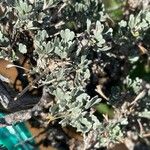
Artemisia arbuscula
Sagebrush · Low sagebrush · Little sagebrush
Description
Source: leafsnapArtemisia arbuscula is a North American species of sagebrush known by the common names little sagebrush, low sagebrush, or black sagebrush. It is native to the western United States from Washington, Oregon, and California east as far as Colorado and Wyoming. It grows in open, exposed habitat on dry, sterile soils high in rock and clay content.
Care Guide
💧 Water
Little sagebrush is well adapted to arid conditions, making it highly drought-tolerant and able to thrive with minimal moisture. To keep it healthy without over-saturation, it only needs to be watered once a week. Often grown outdoors, little sagebrush is perfect for xeriscaping and supports water conservation efforts.
☀️ Light Full sun
Little sagebrush is native to open habitats, such as sunny meadows and forest margins, which offer abundant light. It does best in Full Sun but can also endure Partial Sun, doing well under a range of sunlight conditions.
What are the sun requirements for Little Sagebrush (Artemisia arbuscula)?
Little Sagebrush (Artemisia arbuscula) thrives in areas that receive full sunlight, defined as above 6 hours of direct sunlight daily. It can also grow well in partial sun, which means the plant should get about 3-6 hours of sunlight each day. It's important to observe the way sunlight moves through your garden throughout the day. Finding the right balance of light and shade will ensure your plants' health and happiness. Ensuring your Little Sagebrush receives the appropriate amount of sunlight is crucial for its growth and development.
🌡️ Temperature 5–32.2°C
💨 Humidity
🪴 Soil 6-8
🌱 Fertilizer
Fertilize your Little sagebrush in early spring to encourage healthy growth. Regular fertilization boosts overall plant health, leading to vigorous growth, greater resilience to harsh conditions, and improved resistance to diseases and pests. Keep a specific fertilization schedule for your Little sagebrush to ensure vibrant, deeply colored foliage and a lush appearance.
🪴 Pot & Repot
✂️ Pruning
Little sagebrush is a low-growing, aromatic shrub with silvery-gray foliage. To maintain its shape and encourage growth, it's best to prune it between early and late winter while the plant is dormant. Light trimming not only enhances its vigor but also boosts its disease resistance, ensuring that the little sagebrush thrives in your garden.
🌿 Propagating
🐛 Diseases & pets
☠️ Toxicity
Characteristics
- Plant Type
- Shrub
- Life Cycle
- Perennial
- Genus
- Artemisia
- Family
- Asteraceae
- Hardiness Zone
- 4-8
- Mature Height
- 20 cm to 40 cm
- Mature Spread
- 30 cm to 61 cm
- Leaf Color
- Silver, Gray
- Leaf Type
- Evergreen
- Flower Color
- Yellow
- Flower Size
- 0.20 cm to 0.51 cm
- Bloom Time
- Late summer, Early fall
- Planting Time
- Spring, Summer, Autumn
- Harvest Time
- Mid fall, Late fall