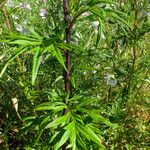
Artemisia biennis
Biennial wormwood · Slender mugwort · Ahinahina · Biennial Sagewort
Description
Source: leafsnapArtemisia biennis, commonly known as biennial wormwood, is a herbaceous plant belonging to the Asteraceae family. Native to North America, it thrives in various habitats such as prairies, meadows, and open woodlands. This plant can grow up to 2 meters tall and features a woody stem with numerous branches. Its leaves are alternate and pinnately divided into narrow segments, giving them a feathery appearance. The flowers are small, yellowish-green, and form clusters at the ends of the branches. For centuries, Native Americans have used Artemisia biennis for medicinal purposes. It contains various compounds, including sesquiterpene lactones, which have anti-inflammatory properties, making it useful for treating conditions like arthritis. Artemisia biennis also possesses insecticidal properties. It is effective against pests such as mosquitoes when used as an essential oil or burned as incense. In addition to its medicinal uses, this plant is appreciated for its ornamental value due to its attractive foliage and flowers. It can be grown easily from seeds or cuttings but requires well-drained soil and full sun exposure. Overall, Artemisia biennis is a fascinating plant with multiple uses, both medicinal and ornamental, making it an important part of North American flora and biodiversity.
Care Guide
💧 Water Every 7 days
Biennial wormwood flourishes in its native habitat, which features balanced moisture cycles. It prefers to be watered evenly each week for optimal growth. While it's typically grown outdoors to take advantage of natural rainfall, it's important to monitor the plant during dry periods. Consistent soil moisture is crucial for its healthy development.
How should I water my Biennial wormwood plant?
To properly water the Biennial wormwood, it is recommended to use room temperature filtered water. Tap water may contain harmful particles for the plant's health, so filtered water is preferred. The plant is accustomed to warm environments, so using cold water can be a shock to its system. Avoid watering from overhead as it can cause problems with the foliage. Instead, focus on thoroughly soaking the soil with filtered room temperature water. This method benefits the plant by moistening the roots and aiding in the spreading of nutrients throughout the soil.
What should I do if I give too much or too little water to my Biennial wormwood plant?
Overwatering is a more common problem for the Biennial wormwood, leading to wilting, yellowing, and potentially deadly diseases like root rot, mold, and mildew. Underwatering is less common, but can cause brittle, brown leaves. It's important to notice signs of overwatering early to prevent irreversible damage. Reduce watering and replace poorly draining soil if overwatering is suspected. Increase watering if signs of underwatering are present.
How frequently should I give water to my Biennial wormwood plant?
If your plant is in a pot, the best way to determine if your Biennial wormwood needs water is to check the soil moisture by sticking your finger into it. If the top two to three inches of soil feel dry, it's time to water. For Biennial wormwood grown in the ground, you can use the same method. If the first few inches of soil are dry, it's time to water. Typically, during spring and early fall, watering once a week should be sufficient. However, during very hot weather, you may need to water twice or more per week. Nonetheless, mature and well-established Biennial wormwoods have a remarkable ability to withstand drought.
How much water does my Biennial wormwood plant need?
To properly water your Biennial wormwood, make sure you give it a generous amount of water. Wait until the top two to three inches of soil are dry before watering, and be sure to thoroughly soak the soil. You should add enough water so that it flows out through the drainage holes at the bottom of the pot. If you don't see excess water draining, it means you haven't watered enough. However, be careful not to let water accumulate in the soil, as this can harm the plant. On the other hand, if water doesn't drain properly from the pot, it might indicate that the soil is not draining well, which is not good for the plant's health. When the plant is outdoors, about 1 inch of rain per week should be sufficient.
How do I water my Biennial wormwood as it grows?
The water needs of the Biennial wormwood can vary depending on its growth stages. In the first few years of its life or when it is newly transplanted, more water is required. During these stages, the plant focuses on growing new roots that will support future growth, so they need a bit more moisture. As the plant matures, it will need less water. Another growth stage that requires more water is during the bloom period when the plant is producing flowers. This is because flower development utilizes a significant amount of moisture, so additional watering may be necessary at this time.
☀️ Light Full sun
Biennial wormwood comes from bright, open habitats and flourishes in full sunlight. It can tolerate partial shade but prefers direct sun for optimal growth. This plant, which may be annual or biennial, is noted for its sun-loving nature.
What are the sunlight requirements for Biennial wormwood?
Biennial wormwood requires full sun exposure, defined as above 6 hours of sunlight a day, for optimal growth. It can also tolerate partial sun, which is about 3-6 hours of sunlight. When planning where to place your Biennial wormwood, either in the garden or indoors, it is crucial to observe the patterns of sunlight and choose spots that offer a suitable balance of light and shade. This careful placement ensures the plant's happiness and healthy growth.
What essentials should be considered for growing Biennial wormwood?
Biennial wormwood thrives in environments that mimic its natural habitat, which includes bright, open spaces with plenty of direct sunlight. While it can grow in partial sun, full sun is preferred. For indoor plants not getting enough natural light, especially during winter or in less sunny areas, artificial lighting provides a crucial supplement. Using artificial lights such as LEDs, which can be customized for the plant's specific light wavelength needs, helps in promoting healthier growth. For full sun plants, 30-50W/sq ft is recommended, 20-30W/sq ft for partial sun plants, and 10-20W/sq ft for full shade plants.
What are the common symptoms of inadequate lighting in Biennial wormwood?
Inadequate lighting can lead to several symptoms in Biennial wormwood. These include smaller new leaves, leggy or sparse growth, faster leaf drop, slower or ceased new growth, lightly colored new leaves, and conditions such as chlorosis and sunscald. Chlorosis leads to the yellowing of leaves due to chlorophyll breakdown, while sunscald results from intense sun exposure damaging plant tissues. Other symptoms include leaf curling as a defense mechanism against excessive sunlight, wilting due to loss of turgor pressure, and leaf scorching characterized by brown, dry edges on leaves.
How can I address insufficient sunlight for my Biennial wormwood plants?
For indoor Biennial wormwood suffering from insufficient sunlight, gradually moving the plants to sunnier spots until they receive at least 6 hours of direct sunlight daily can improve growth. Utilizing south-facing windows and keeping curtains open maximizes natural light exposure. If moving the plant is not feasible, consider artificial lighting solutions, keeping them on for at least 8 hours daily. For outdoor plants, gradually acclimatize them to sunnier conditions to prevent shock. If sunlight is blocked by physical obstructions like trees, trimming or pruning can enhance light penetration. For smaller plants, transplanting during their dormant period can be effective, ensuring they're moved to a location with better sunlight exposure and proper drainage.
🌡️ Temperature 5–32.2°C
Biennial wormwood can tolerate a wide spectrum of temperatures, though its range may still be restricted by different mixes of moisture and heat. It performs best in warm summer climates with enough rainfall or watering. Long periods of cloudy, rainy weather, as well as extended high temperatures, can raise the probability of Biennial wormwood dying. In winter, adequate protection from cold can increase the plant's survival rate.
What is Biennial wormwood?
Biennial wormwood, known botanically as Artemisia biennis, is a plant species. Unfortunately, there is no detailed information provided about its essentials, uses, or symptoms related to this entry.
💨 Humidity
🪴 Soil 6-8
🌱 Fertilizer
Biennial wormwood are regarded as heavy feeders for nutrients. They require frequent, low-dose applications of nitrogen and potassium fertilizers and periodic additions of phosphorus, micronutrients, sulfur, and magnesium to sustain good growth and bright coloration. Continuous fertilization throughout the growing season is needed to prevent deficiency symptoms and maintain optimal growth.
🪴 Pot & Repot
✂️ Pruning
Biennial wormwood needs only minimal pruning, primarily to remove dead or damaged stems. The best time to prune is from early to late spring, which encourages growth and helps maintain the plant's shape. Regular pruning prevents overcrowding, enhances air circulation, and reduces the risk of pests and diseases.
🌿 Propagating
🐛 Diseases & pets
☠️ Toxicity
Characteristics
- Plant Type
- Herb
- Life Cycle
- Biennial, Annual
- Genus
- Artemisia
- Family
- Asteraceae
- Hardiness Zone
- 4-8
- Mature Height
- 0.3 m to 3.05 m
- Mature Spread
- 20 cm to 61 cm
- Leaf Color
- Dark Green
- Leaf Type
- Semi-evergreen
- Flower Size
- 0.20 cm to 0.25 cm
- Bloom Time
- Late summer, Early fall, Mid fall
- Planting Time
- Spring, Autumn, Winter
- Harvest Time
- Mid fall, Late fall, Early winter
- Native Area
- Uzbekistan, Nepal, Afghanistan, Tajikistan, Turkey, India, Kyrgyzstan, Kazakhstan, Mongolia, Iran, Pakistan, Turkmenistan, China