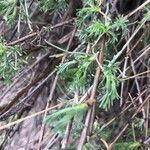
Artemisia campestris
Field sagewort · Field wormwood · Sagewort wormwood · Sand wormwood · Common Sagewort
Description
Source: leafsnapArtemisia campestris, commonly known as field wormwood, is a perennial herbaceous plant belonging to the Asteraceae family. Native to Europe and Asia, it thrives in a variety of habitats including grasslands, meadows, and rocky slopes. This plant features a woody stem that can reach up to 60 cm in height, adorned with numerous branches. Its leaves are grayish-green and emit a pungent aroma due to their essential oil content. The flowers are small, yellowish-green, and form clusters at the ends of the branches. Artemisia campestris has been used for centuries in traditional medicine, primarily for its anti-inflammatory properties. Additionally, its strong scent makes it an effective insect repellent. Drought-tolerant and adaptable, the plant prefers well-drained soil and full sun but can also grow in partial shade. In summary, Artemisia campestris is a versatile herbaceous perennial with valuable medicinal properties and drought tolerance, making it an excellent choice for gardens or landscapes focused on water conservation.
Care Guide
💧 Water Every 7 days
Field wormwood flourishes in environments with moderate moisture and is well-adapted to withstand occasional dry periods. While it prefers consistent hydration, it can tolerate brief droughts. For optimal growth, water it weekly and cultivate it outdoors, particularly in climate zones with natural rainfall patterns similar to its needs.
How should I water my Field wormwood plant?
To properly water the Field wormwood, follow these steps for optimal health. First, use filtered water at room temperature. This is important because tap water may contain harmful particles. Additionally, the water temperature should be at room temperature or slightly warmer, as the plant is accustomed to warm conditions and cold water can be shocking. Avoid watering from above, as it can cause problems with the foliage. Instead, gently pour the filtered, room temperature water onto the soil until it is completely soaked. This helps to moisten the roots and aids them in spreading through the soil and absorbing essential nutrients.
What should I do if I give my Field wormwood too much or too little water?
Overwatering and underwatering can harm your Field wormwood. Overwatering is a more common problem that causes wilting, yellowing leaves, and can lead to diseases like root rot, mold, and mildew. Underwatering is less common, but can cause brittle, brown leaves. It is important to recognize the signs of overwatering early, as some diseases may be irreversible if not addressed promptly. If you see signs of overwatering, reduce watering and check for poor soil drainage. If underwatering is the issue, simply water more regularly until signs improve.
How often do I need to water my Field wormwood?
If your Field wormwood is in a pot, the most accurate way to determine if it needs water is to check the moisture level of the soil by sticking your finger into it. If the top two to three inches of soil feel dry, then it's time to water the plant. The same method can be used if you are growing your Field wormwood outdoors in the ground. Once again, when you find that the top few inches of soil have dried out, it's a sign that it needs watering. Typically, during spring and early fall, watering once a week should be sufficient. However, when very hot weather hits, you may need to increase the frequency to about twice a week or even more. Nonetheless, mature and well-established Field wormwood plants have a remarkable ability to withstand periods of drought.
How much water does my Field wormwood plant need?
To properly water your Field wormwood, don't hesitate to give it a generous amount of water. Make sure the top two to three inches of soil are dry before watering. When you water, make sure the soil is completely soaked and excess water flows out of the drainage holes at the bottom of the pot. If you don't see excess water draining, you may not have given enough water. However, be careful not to let water accumulate inside the soil, as this can harm the plant. If water doesn't drain properly, it could indicate poorly draining soil, which is bad for the plant's health. If the plant is outside, it will only need about 1 inch of rain per week.
How should I water my Field wormwood as it grows?
The water requirements of Field wormwood vary depending on its growth stages. In the first few years of its life or after being transplanted, the plant needs more water to support root growth and future development. These young roots require extra moisture to thrive. As the plant matures, it will require less water. During the bloom period, Field wormwood may need additional watering as flower development consumes more moisture.
☀️ Light Full sun
Field wormwood flourishes in places where it gets abundant sunlight throughout the day. It does not need any shade to grow well. At every stage of development, it consistently requires plenty of light. In its natural environment, it grows beneath open skies. Too much or too little sunlight generally does not harm it.
What are the sunlight requirements for Field Wormwood (Artemisia campestris)?
Field Wormwood requires full sun conditions to thrive, meaning it needs more than 6 hours of sunlight daily. However, the plant is highly adaptable and does not require shade to grow healthily. In its natural habitat, Field Wormwood grows under open skies, indicating its preference for ample sunlight throughout the day. When assessing a location for your garden, watch the sunlight's movement to ensure your plants receive an optimal balance of light and shade for their wellbeing.
How can artificial lighting be used for indoor Field Wormwood plants?
Indoor Field Wormwood plants can benefit significantly from artificial lighting, especially when natural sunlight is insufficient, such as during winter or in less sunny spaces. LED lights are recommended due to their ability to be customized to provide specific wavelengths of light needed for plant growth. For full sun plants like Field Wormwood, 30-50W per square foot of artificial light is ideal. Place the light source 12-36 inches above the plant, mimicking natural sunlight conditions, and ensure the plants receive 8-12 hours of light per day for optimal growth.
What are the symptoms of inadequate lighting for Field Wormwood?
Symptoms of light deficiency in Field Wormwood include smaller new leaves, leggy or sparse growth, faster leaf drop, slower or halted growth, lighter-colored new leaves, chlorosis, sunscald, leaf curling, wilting, and leaf scorching. These symptoms often indicate that the plant is not receiving enough sunlight, or in some cases, is exposed to too much direct light without adequate water or care, leading to various stress responses.
What solutions are available for Field Wormwood suffering from inadequate sunlight?
To address inadequate sunlight for Field Wormwood, you can gradually move plants to sunnier locations until they receive at least 6 hours of direct sunlight daily. For indoor plants, use south-facing windows or artificial lighting, such as desk lamps or grow lights, for at least 8 hours daily. Outdoors, introduce plants to sunnier spots gradually to prevent sunburn. If physical barriers block sunlight, consider pruning or moving the plant to a location with better light exposure. Note that parts of the plant already damaged by insufficient sunlight may not recover, but new growth should be healthy with adequate light.
🌡️ Temperature 5–35°C
Field wormwood originates from habitats where temperatures remain between 68 and 95 °F (20 to 35 ℃). It favors that range, so if you plant field wormwood in areas with other temperatures, consider adjusting your plant's environment across the seasons.
What is the ideal temperature range for growing Field wormwood?
Field wormwood, scientifically known as Artemisia campestris, thrives best in environments with temperatures ranging from 68 to 95 °F (20 to 35 °C). This temperature range is ideal for the plant, and if you're planning to grow Field wormwood in areas outside this temperature range, it's important to regulate your plant's environment across different seasons to ensure it stays within this optimal temperature range.
Does Field wormwood require any special frost protection measures during winter?
Field wormwood possesses strong cold resistance, which usually makes special frost protection measures unnecessary during winter. However, in cases where winter temperatures are expected to plummet below -30°C, it becomes important to provide protection from the cold. This can be achieved by covering the plant with materials like soil or straw. Additionally, it's recommended to water the plant abundantly before the first freeze in autumn to keep the soil moist, which helps prevent drought and water scarcity for the plant during the winter and early spring.
How does Field wormwood react to low temperatures, and what are the solutions?
Field wormwood is quite cold-tolerant and prefers temperatures to stay above 20°C. During the winter, it's crucial to ensure that temperatures remain above 0°C. If temperatures fall below -30°C, you might not notice immediate changes during winter, but there could be a decrease in sprouting or even no sprouting at all come springtime. The solution to this issue is to remove any parts of the plant that have failed to sprout in the spring.
What should be done if Field wormwood is exposed to high temperatures?
In summer, it's important to ensure that Field wormwood is kept in temperatures below 35°C to avoid heat stress. Exposure to temperatures above 38°C can result in the leaves becoming lighter in color, prone to curling, susceptible to sunburn, and in severe cases, the plant might wilt and become dry. To mitigate these issues, trim away the sunburned and dried-up parts of the plant. Moving the plant to a location with shade during the midday and afternoon sun, or using a shade cloth to create shade, can help protect it. Additionally, watering the plant in the morning and evening will help keep the soil moist and reduce heat stress.
💨 Humidity
🪴 Soil 6-7
🌱 Fertilizer
Typically, a single fertilizer application in spring is sufficient for Field wormwood, though multiple feedings can maximize growth. Apply fertilizer every month to a month and a half. Fertilization improves the leaves' appearance and function, helping maintain uniform color and a healthy texture. It also encourages root growth and nutrient uptake for long-term plant health.
🪴 Pot & Repot
✂️ Pruning
Field wormwood is a hardy perennial with fragrant grey-green leaves. For optimal growth and shape, prune the plant from early to late spring. It's best to avoid heavy pruning later in the season to prevent stress on the plant. Regular trimming improves air circulation and boosts the plant's vigor, helping to keep it healthy throughout the year.
🌿 Propagating
🐛 Diseases & pets
☠️ Toxicity
Characteristics
- Plant Type
- Herb
- Life Cycle
- Perennial, Biennial
- Genus
- Artemisia
- Family
- Asteraceae
- Hardiness Zone
- 4-9
- Mature Height
- 1.52 m
- Mature Spread
- 30 cm to 61 cm
- Leaf Color
- Dark Green, Gray
- Leaf Type
- Semi-evergreen
- Flower Color
- Yellow
- Flower Size
- 0.15 cm to 0.25 cm
- Bloom Time
- Mid summer
- Planting Time
- Spring, Summer, Autumn
- Harvest Time
- Mid summer