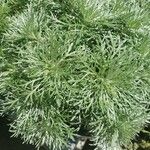
Artemisia schmidtiana
Silvermound · Angel's-hair
Description
Source: leafsnapArtemisia schmidtiana, commonly known as silver mound or silver sage, is a perennial herbaceous plant belonging to the Asteraceae family. Native to Europe and Asia, this attractive plant has gained popularity in gardens worldwide due to its eye-catching foliage. The plant forms a compact, mound-like shape, growing up to 30 cm in height and 60 cm in width. Its small leaves are silvery-grey or white with fine hairs, providing a soft texture. The leaves are deeply lobed with toothed edges, adding to their ornamental appeal. During the summer months, Artemisia schmidtiana produces small yellow flowers on tall stems. However, these blooms are not particularly showy. The main attraction of this plant lies in its foliage, which offers year-round interest. Silver mound thrives in well-drained soil and full sun, though it can tolerate some shade. While it is drought-tolerant once established, it benefits from occasional watering during dry spells. This low-maintenance plant is versatile, suitable for use as ground cover or as an accent in rock gardens, borders, or containers. It also pairs well with other sun-loving perennials such as lavender or sedum. In summary, Artemisia schmidtiana is an appealing ornamental herbaceous perennial. Its soft, silvery-grey foliage provides year-round interest, making it a favorite among gardeners worldwide for its aesthetic appeal and easy care requirements.
🌳 If you want to introduce subtle, gentle lines to your garden, consider adding silver mound. This shrubby plant forms an oval cushion with dense, feathery, silvery foliage. While its flowers are visually insignificant and best removed, the graceful green growth of the plant makes silver mound a versatile addition to any garden. It works wonderfully as a standalone specimen in perennial beds, herb gardens, or rock gardens, and can also be planted in groups for edging or ground cover.
🎭 Self-respect
Care Guide
💧 Water Every 7 days
Silver mound, a plant native to mountainous regions, thrives in well-drained soils and shows moderate drought tolerance. To maintain its silvery foliage, it benefits from weekly watering, but careful attention must be paid to soil moisture to prevent root rot. Generally cultivated outdoors, this evergreen plant requires a balanced approach to hydration.
How can I water my Silver mound plant in the best way?
To properly water the Silver mound plant, there are a few important guidelines to follow. First, use filtered water at room temperature to avoid any harmful particles that may be present in tap water. This is especially important because tap water can negatively affect the plant's health. Additionally, it's best to use room temperature or slightly warmer water because the Silver mound comes from a warm environment and cold water can be a shock to its system. Instead of watering from above, which can cause problems with the foliage, it's recommended to apply the filtered room temperature water directly to the soil until it is thoroughly soaked. This method is beneficial as it ensures the roots are adequately moistened and can continue spreading through the soil to gather the necessary nutrients.
What do I need to do if I give too much or too little water to my Silver mound plant?
Overwatering is a common issue for Silver mound plants and can cause wilting, yellowing leaves, and diseases like root rot. Underwatering is less common but can lead to brittle, brown leaves. It's important to recognize the signs of overwatering early and reduce watering immediately. If the soil doesn't drain well, replace it with a well-draining mix. If underwatering is the problem, increase watering until the signs subside.
How frequently should I give water to my Silver mound plant?
If your plant is in a pot, the most precise way to determine if your Silver mound needs water is by checking the soil with your finger. If the top two to three inches of soil are dry, it's time to water. When growing Silver mound outdoors in the ground, you can use a similar method to test the soil. Again, if the top few inches of soil have dried out, it's time to water. Typically, you'll need to water this plant about once a week during spring and early fall. In extremely hot weather, you may need to water twice a week or more. However, mature and well-established Silver mound plants have a remarkable ability to endure drought.
How much water does my Silver mound plant need?
To properly water your Silver mound, remember to be generous with the amount of water you provide. Make sure the top two to three inches of soil are dry, and then give the plant a thorough watering. It's important to water until the soil is completely soaked, and you should add enough water to allow for excess to flow out of the drainage holes at the bottom of the pot. If you don't see any excess water draining, you may not have watered enough. However, be careful not to let the water accumulate in the soil, as this can harm the plant. On the other hand, if no water drains through the pot, it could be a sign of poorly draining soil, which is not good for the plant's health. Lastly, if the plant is outdoors, it should receive about 1 inch of rainfall per week.
How do I water my Silver mound plant at different stages of growth?
The water needs of the Silver mound can vary depending on its growth stages. When the plant is young or has been recently transplanted, it requires more water than usual. During these early stages, the Silver mound focuses its energy on developing new roots for future growth. These roots require more moisture to thrive. As the plant matures, it will require less water. Another growth stage that may necessitate additional watering is during the bloom period. Flower development requires a significant amount of moisture, so it may be necessary to provide more water to the Silver mound at this time.
☀️ Light Full sun
Silver mound performs best when given abundant light during the day and is well-suited to spots with morning sun or filtered/dappled light. Coming from environments with plenty of daylight, it does well in full sun or under moderate light levels. Insufficient light will restrict its growth, while excessive light can be harmful.
What are the sunlight requirements for Silver Mound?
Silver Mound, or Artemisia schmidtiana, needs a considerable amount of sunlight to thrive optimally. It can grow in full sun, which means it requires more than 6 hours of direct sunlight daily, or in partial sun with about 3-6 hours of sunlight. The plant originates from regions abundant in daylight, allowing it to flourish either under extensive sun exposure or in moderate light conditions. However, too little light can impede its growth, while excessive exposure may pose risks. It's crucial to watch the movement of sunlight through your garden to find spots offering the right light and shade balance for your plants.
How can artificial lighting be utilized for Silver Mound indoors?
For indoor Silver Mound plants, when natural sunlight is insufficient, particularly in spaces with limited sun exposure or during winter, artificial lighting becomes crucial for their growth. Choosing the correct type of artificial light, like LED lights, which can be adjusted to provide specific wavelengths needed by plants, is essential. Full sun plants require 30-50W/sq ft, partial sun plants 20-30W/sq ft, and full shade plants 10-20W/sq ft of artificial light. The light source should be placed 12-36 inches above the plant, mimicking natural sunlight. To ensure optimal growth, the artificial lighting duration should align with the natural daylight hours required by the plant species, typically between 8-12 hours of light per day.
What are the indicators of insufficient or excessive sunlight for Silver Mound?
Silver Mound exhibits several symptoms when lighting conditions are not ideal. Insufficient light can result in smaller new leaves, leggy or sparse growth, accelerated leaf drop, slower or halted new growth, lighter-colored new leaves, and chlorosis. On the other hand, excessive sunlight exposure may cause sunscald, leaf curling to minimize water loss and damage, wilting due to increased transpiration and inadequate hydration, leaf scorching characterized by brown, dry edges on leaves. These symptoms indicate either a lack of chlorophyll and essential nutrients due to inadequate sunlight or damage from too much sunlight, which negatively affects the plant's ability to photosynthesize and stay hydrated.
What are the recommended solutions for addressing light-related issues in Silver Mound?
To address light-related issues in Silver Mound, several strategies can be employed. Indoors, gradually move the plant to a sunnier location each week until it receives at least 6 hours of direct sunlight daily, utilizing a south-facing window to maximize sunlight exposure. Additionally, keeping a desk or ceiling lamp on for at least 8 hours daily or investing in professional plant grow lights can provide ample light. Outdoors, moving plants to sunnier spots gradually over several weeks can aid their adaptation without causing sunburn. Reducing sunlight obstructions by pruning trees or transplanting smaller plants during their dormant period to locations with better sunlight and drainage can also significantly improve growth and health. It's important to note that parts of the plant affected by insufficient sunlight may not recover, but new growth will be healthy with increased light exposure.
🌡️ Temperature 5–32.2°C
Silver mound is a woody plant of temperate regions that prefers temperatures from 41 to 90 ℉ (5 to 32 ℃). It comes from areas with cool to temperate climates and can withstand both heat and cold, making it a versatile choice for gardens. During hot summers, it is advisable to provide some shade to avoid leaf scorching.
What is the preferred temperature range for Silver Mound, and how does it handle different weather conditions?
Silver mound, botanically known as Artemisia schmidtiana, thrives best within a temperature range of 41 to 90°F (5 to 32°C), making it well-suited for cool to temperate climates. It is a temperate woody plant that can tolerate both heat and cold due to its strong cold resistance. During hot summers, providing some shade to the plant can prevent leaf scorching. Although it generally does not require special frost protection measures in winter, if temperatures are expected to drop below -25°C, protective covering with soil or straw is recommended. To help the plant during winter and early spring, watering it abundantly before the first autumn freeze to keep the soil moist is advised.
What symptoms indicate Silver Mound is experiencing low or high temperatures, and what should be done?
When Silver mound experiences temperatures below -25°C, there may not be noticeable changes during winter, but there's a potential decrease in springtime sprouting, or it may not sprout at all. The solution for this is to remove any parts in spring that have failed to sprout. On the other hand, when temperatures exceed 35°C, the plant's leaves may become lighter in color, prone to curling, susceptible to sunburn, and in severe cases, wilt and dry out completely. To mitigate high temperature effects, trim away sunburned and dried-up parts, move the plant to a shaded location during midday and afternoon, or use a shade cloth. Additionally, watering the plant in the morning and evening will help keep the soil moist and support plant health.
💨 Humidity
🪴 Soil 6-7
🌱 Fertilizer
One fertilizer application in spring is typically enough for Silver mound, though repeated feedings can increase growth. Feed about once every month to a month and a half. Fertilizing improves the leaves' appearance and function, encouraging even color and a healthy texture. It also promotes root development and nutrient uptake for the plant's long-term health.
Why do I have to put fertilizer on my Silver mound?
The main structure of the Silver mound consists of its leaves, and proper fertilization is crucial for keeping these leaves looking great and functioning well. Fertilization not only helps maintain consistent leaf color and texture, but it also supports the growth of new roots and the maintenance of existing ones. This means that fertilization not only benefits the plant's current health but also improves its ability to absorb nutrients from the soil in the long run.
When should I fertilize my Silver mound plant?
When you grow your Silver mound outdoors annually, it will produce new growth in early spring. This is your signal to start fertilizing for the year. Usually, one application of fertilizer in the spring is sufficient for a healthy Silver mound. However, if you want to promote maximum growth, you can fertilize multiple times during the spring and early summer. In this case, feed your Silver mound approximately once a month or every month and a half.
When is the best time to not fertilize my Silver mound?
During the late fall and winter, your Silver mound will be dormant and stop growing. So, it's best to avoid fertilizing it during this time. In the spring and summer, if you decide to fertilize, make sure to gradually reduce the amount of fertilization as summer nears, as the growth rate of your Silver mound will also slow down. It's important to note that it is never a good idea to fertilize your Silver mound in extremely hot weather or when the soil is very dry. Fertilizing in these conditions can stress your Silver mound and cause it to die prematurely.
What kind of fertilizer does my Silver mound plant need?
Choosing the best fertilizer for a Silver mound is simple. Use a general-purpose garden fertilizer with equal amounts of nitrogen, phosphorus, and potassium. A 10-10-10 ratio is effective. Avoid high nitrogen fertilizers. Granular, slow-release fertilizers are preferred for Silver mounds. Organic soil amendments like compost can also be helpful.
How can I make my Silver mound plant grow better?
To care for your Silver mound, wait until early spring when its first leaves start poking through the soil. Once you see this, apply a balanced slow-release fertilizer to the soil surrounding the base of the plant. You can repeat this process later in the season if desired. When reapplying fertilizer, make sure to apply it to the soil at the base of the plant rather than directly on the plant itself. This may involve moving some leaves to access the soil above the roots. Additionally, it is recommended to water your Silver mound before and after feeding it.
🪴 Pot & Repot 2-3 years
When repotting Silver mound, pick a pot 1–2 inches (2.5–5.1 cm) larger that has good drainage. Use a well-draining potting mix. Repot in spring or fall, making sure the root ball sits slightly below the rim of the flower pot. Water thoroughly after repotting and keep it in a warm location with indirect sunlight.
✂️ Pruning
Silver mound, known for its silvery foliage and mounding growth habit, should be pruned in early to late spring. Trim about one-third of its growth during this time to improve its appearance and health. Additionally, remove any spent flowers to maintain its ornamental value. Avoid heavy pruning later in the season to prevent stressing the plant.
🌿 Propagating
🐛 Diseases & pets
☠️ Toxicity
Characteristics
- Plant Type
- Herb
- Life Cycle
- Perennial
- Genus
- Artemisia
- Family
- Asteraceae
- Hardiness Zone
- 5-8
- Mature Height
- 10 cm
- Mature Spread
- 34 cm
- Leaf Color
- Silver, Gray, Green
- Leaf Type
- Evergreen, Semi-evergreen, Deciduous
- Flower Color
- Yellow
- Flower Size
- 2.54 cm
- Bloom Time
- Early summer, Mid summer
- Planting Time
- Spring
- Harvest Time
- Mid summer
- Native Area
- Russia, Japan