Artemisia spp.
Description
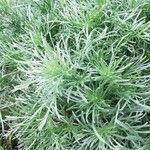
Source: leafsnapThe Artemisia spp., collectively called Artemisia, Absinth, or Wormwood, is a herbaceous perennial native to Europe and Asia. Artemisia features aromatic, greenish-grey foliage and yellow blooms that emerge from late summer to early autumn. These herbs are quite hardy in will likely thrive in most gardens, making them an excellent choice for nearly any home.
Care Guide
💧 Water 1-2 times a month
Artemisia, requires an adequate amount of water, try to keep the soil lightly moist by watering slowly to allow the soil to absorb as much water as possible, keep the humidity higher and it can be obtained by using a pebble tray, When it is indoors, water after 3 to 4 days, always using lime-free water
☀️ Light
🌡️ Temperature
Provide Artemisia with a shade in the afternoon in areas with hot temperatures, hot temperatures will make the plant sag in the hot sun when temps are above 80°F.
💨 Humidity
🪴 Soil
🌱 Fertilizer
These plants do not need a lot of fertilization, although the plants can still benefit from a couple of fish fertilizer treatments during the growing season
🪴 Pot & Repot
✂️ Pruning
Prune your plant occasionally throughout the growing season to keep the plant from flowering, keeping the height around two feet. If they grow to 2 feet tall they may fall over damaging the stem, it's important to cut the brown leaves in the spring for better growth and healthy plants.
🌿 Propagating
🐛 Diseases & pets
☠️ Toxicity
Characteristics
- Plant Type
- The genus contains a diversity of plant types, including evergreen and deciduous shrubs, perennials, and annuals.
- Genus
- Artemisia
- Family
- Asteraceae
- Hardiness Zone
- 4-9
- Bloom Time
- August to September
- Native Area
- Depends on variety, but A. absinthium is native to Eurasia and North Africa, A. tridentata to the North American West