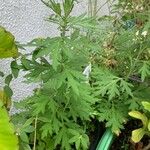
Artemisia tilesii
Aleutian mugwort · Tilesius' wormwood · Tilesius wormwood · Mountain sagewort · Common Wormwood
Description
Source: leafsnapArtemisia tilesii is an Asian and North American species of flowering plant in the aster family. Its common names include Tilesius' wormwood, Aleutian mugwort, and stinkweed. It is native to Russia, Japan, and northern North America (from Alaska, east as far as Quebec + Nunavut and south to Nevada).
Care Guide
💧 Water
Seedlings and young plants of Aleutian mugwort need regular watering. However, once the plants mature, they become drought-tolerant and do not require extra watering. In regions with frequent rain or high humidity, make sure the soil drains well to prevent root rot caused by overly wet conditions.
☀️ Light Full sun
Aleutian mugwort is a sun-loving, perennial herb native to open habitats and commonly found in meadows and grasslands. It prefers full sun but can tolerate partial sun.
What are the sun requirements for Aleutian mugwort?
Aleutian mugwort (Artemisia tilesii) thrives under specific sunlight conditions. It requires 'Full sun' which means it should receive above 6 hours of sunlight daily, or 'Partial sun', indicating about 3-6 hours of sunlight. It's important to observe the way sunlight moves through your garden throughout the day. This observation will help you find the ideal spots that offer the right balance of light and shade, ensuring that your Aleutian mugwort plants are happy and healthy.
🌡️ Temperature 0–32.2°C
Aleutian mugwort does best in cold climates and at high elevations. It favors cool conditions, good airflow, and a moist setting. In summer, steps must be taken to keep it cool, since it is highly sensitive to heat and can readily perish from it. Arid conditions can also damage the plant. In winter, no special cold protection is required, though preserving soil moisture is important.
What is the name and botanic name of the plant?
The plant is known as Aleutian mugwort, with its botanical name being Artemisia tilesii.
💨 Humidity
🪴 Soil 6-8
🌱 Fertilizer
Applying fertilizer once in spring is typically enough for Aleutian mugwort, though several feedings can maximize growth. Feed every month to every month and a half. Fertilization improves leaf appearance and function, helping maintain consistent color and a healthy texture. It also promotes root growth and nutrient uptake for long-term plant health.
🪴 Pot & Repot
✂️ Pruning
Aleutian mugwort thrives in harsh conditions and benefits from pruning in early spring. To promote healthier growth and vigor, you can use techniques like removing damaged stems and thinning out dense areas. Cutting back up to one-third of the plant supports its growth cycle and helps prevent diseases, leading to optimal results.
🌿 Propagating
🐛 Diseases & pets
☠️ Toxicity
Characteristics
- Plant Type
- Herb
- Life Cycle
- Perennial
- Genus
- Artemisia
- Family
- Asteraceae
- Hardiness Zone
- 3-8
- Mature Height
- 30 cm to 91 cm
- Mature Spread
- 30 cm to 61 cm
- Leaf Color
- Silver, Gray
- Leaf Type
- Deciduous
- Flower Size
- 0.25 cm to 0.51 cm
- Bloom Time
- Mid summer, Late summer
- Planting Time
- Summer, Autumn
- Harvest Time
- Late summer, Early fall
- Native Area
- Russia, Japan