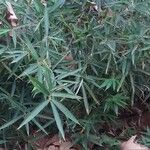
Arundinaria gigantea
Giant cane · Switch cane · River cane · Canebrake bamboo
Description
Source: leafsnapArundinaria gigantea, commonly known as giant cane or river cane, is a tall, sturdy perennial plant that belongs to the grass family. Native to the southeastern United States, this impressive plant can grow up to 30 feet tall. Its woody stem, which can reach up to 2 inches in diameter, supports long, narrow leaves that are approximately 6 inches in length. Giant cane is crucial for wildlife, providing habitat for many species of birds, mammals, and insects. It also plays a significant role in stabilizing riverbanks and preventing erosion. Historically, Native Americans utilized Arundinaria gigantea for various purposes, including basket weaving and the construction of shelters and tools. Today, some artisans continue the tradition of basket weaving using this versatile material. Despite its many benefits for wildlife habitat conservation and traditional craftspeople, Arundinaria gigantea has been threatened by over-harvesting in certain areas, leading to a decline over time. Conservation efforts across its range aim to preserve this valuable species for future generations.
🌳 Beyond its basic applications, giant cane demonstrates notable versatility. The tall, strong, and lightweight canes serve as excellent materials for a surprisingly wide range of uses, including the manufacture of lightweight furniture and the crafting of rustic musical instruments. On an industrial level, giant cane appears promising for bioenergy production because of its rapid growth and high biomass yield. Furthermore, giant cane habitats are important to wetland ecology, offering strong erosion control and supporting a diverse array of wildlife.
🎭 Bare, compact, basic.
Care Guide
💧 Water Every 7 days
Giant cane, a plant native to the southeastern United States, thrives in moist and humid wetland environments. It can tolerate both water saturation and brief dry spells. To maintain adequate soil moisture, it's best to water it twice a week. As an outdoor plant, natural rainfall can further enhance its growth and overall health.
What should I do if I give too much or too little water to my Giant cane plant?
Proper watering is crucial for the performance of this beautiful ornamental grass. In the ground, any watering issues can be resolved. However, in a container, both overwatering and underwatering can quickly kill Giant cane. Insufficient water can cause the grass to stop growing, resulting in drooping leaves, weak seed head production, and browned leaves. On the other hand, overwatering can lead to yellow leaves with brown tips. If you suspect improper watering, the first step is to determine if there's too much or too little water. If it's too much, stop watering immediately and allow the soil to dry out. Once you see new growth, check the soil moisture and decide if more water is needed. In case of underwatering, simply give the grass a deep drink to see if it recovers. Keep in mind that a long, deep watering is always better than frequent shallow waterings as it encourages deep root growth, making the grass more resistant to drought and water-related problems.
How often should I give water to my Giant cane plant?
The watering needs of Giant cane vary depending on its location. Typically, watering once a week is recommended. However, in hot climates, it may be necessary to water the grass once or twice a week during the summer. In moderate climates, watering once every seven days or more may be sufficient. It is important to note that grass in containers generally requires more frequent watering than grass in the ground. Also, the location of the grass, whether it is in full sun or part shade, plays a role in determining its watering needs. Shaded grasses require less frequent watering compared to grasses in the ground. It is best to water Giant cane when the soil is dry. There are several signs that indicate the need for watering, such as checking the moisture level of the soil by pressing a finger a couple of inches into it. For potted grass, you can also weigh the grass or simply feel if the pot feels light due to lack of water. If the roots do not have enough water, the blades may appear folded along their centers and thinner than usual. Although Giant cane is drought-tolerant, regular and deep waterings will result in beautiful color. In its natural habitat, Giant cane grows in open scrubland with extreme heat, bright sun, and intermittent rain. While this grass can tolerate drought, it still requires care and attention. Therefore, consistent watering is recommended for optimal thriving. When newly planted, Giant cane needs more frequent watering to help establish deep roots. Potted Giant cane, especially if exposed to hot and direct sun, will dry out quickly and should be checked every 3 to 4 days for soil moisture. For Giant cane in the ground, watering needs may vary depending on the type of soil. Clay soils hold water for longer periods, making the surface feel dry even when there is sufficient moisture below. Sandy soils with good drainage will require more frequent watering.
What do I need to be cautious about when watering my Giant cane in different seasons, climates, or during different phases of growth?
To determine if you are watering your grass enough, observe the rate of growth. Giant cane, for example, can double in size within a year during the hottest months. In such weather, if your grass is not growing vigorously, adjust your watering schedule. During winter, you may be able to water only once a month, but be sure to check the soil's moisture level. In the warmest months, the grass requires more water during its growth cycle. However, water needs decrease significantly during winter and cooler months. The crucial rule for Giant cane is to ensure that the soil dries out completely before watering it again.
☀️ Light Full sun
Giant cane does best with sunlight for most of the day, though it can also grow in filtered light. The habitat it originates from is known for abundant sunshine. Too much or too little light can impede its growth and development. Different growth stages may require varying amounts of sunlight.
What are the sunlight requirements for giant cane?
Giant cane thrives best when exposed to full sun for the majority of the day, requiring above 6 hours of direct sunlight. However, it can also grow under partial sun conditions, with about 3-6 hours of sunlight. Ensuring the right balance of light and shade is crucial for the plant's happiness and healthy growth. The plant's native habitat is accustomed to abundant sunshine, meaning both too much and too little light could affect its growth and development adversely.
How do I use artificial lighting for indoor giant cane plants?
Indoor giant cane plants require adequate lighting, especially when natural sunlight is insufficient. In situations like winter or less sunny spaces, artificial lights are a beneficial solution. It's advisable to choose LED lights as they can be adjusted to provide specific wavelengths needed by the plant. Full sun plants need 30-50W per square foot, partial sun plants require 20-30W, and full shade plants need 10-20W. The light source should be placed 12-36 inches above the plant, simulating natural sunlight. Most plants will need 8-12 hours of light per day to mimic the length of natural daylight.
What are the symptoms of insufficient sunlight in giant cane?
When giant cane does not receive enough sunlight, it may exhibit several symptoms. New leaves might grow smaller than previous ones, and the plant could show leggy or sparse growth with longer spaces between leaves or stems. There may also be faster leaf drop and slower or no new growth, indicating the plant has entered a survival mode due to poor light conditions. Additionally, leaves could develop lighter colors or patterns, indicating a lack of chlorophyll and essential nutrients. Chlorosis, sunscald, leaf curling, wilting, and leaf scorching are other symptoms that could occur from incorrect light exposure.
How can I address light-related issues for my giant cane plant?
To optimize giant cane's growth when facing light-related issues, gradually increase its sunlight exposure. Indoors, move the plant to a sunnier location week by week until it receives at least 6 hours of direct sunlight daily, preferably near a south-facing window. Artificial grow lights can supplement natural light, especially for large or immovable plants, and should be kept on for at least 8 hours a day. Outdoors, similarly increment the plant's exposure to sunlight to prevent sunburn. If obstructions limit sunlight, consider pruning or relocating the plant to a brighter spot. Note that parts of the plant affected by insufficient sunlight may not recover, but ensuring proper light will promote healthy new growth.
🌡️ Temperature 5–35°C
The roots can withstand temperatures as low as -30°C if they are well-mulched.
What is Giant cane?
Giant cane, scientifically known as Arundinaria gigantea, is a plant species known for its significant stature and characteristics, which distinguish it in the plant kingdom.
💨 Humidity
🪴 Soil 6-7
🌱 Fertilizer
Giant cane needs extra nutrients to encourage healthy new growth. In spring, adding some compost around the plant’s base will supply the nutrition it requires. Fertilizing supports vigorous growth and helps the plant resist diseases and pests.
Why do I have to add fertilizer to my Giant cane?
Fertilizing Giant cane is essential for a few reasons. Firstly, it provides your plant with the necessary nutrients to foster healthy new growth. Additionally, these extra nutrients also bolster the health of existing growth and aid in protecting your plant against diseases and pests.
When should I fertilize my Giant cane?
To ensure the survival of Giant cane in your garden, it's important to know when to fertilize it. Giant cane doesn't require extra nutrients when it's dying back and isn't a heavy feeder. Although you can use diluted fertilizer at the beginning of the growing season, it's not advised. Instead, consider applying mulch or compost around the plant's base.
When is it best not to put fertilizer on my Giant cane plant?
If you're not using packaged fertilizers, you can relax about when to stop feeding Giant cane. Simply add a layer of compost or mulch in the spring, and that will be sufficient to keep the plant happy all year long. No need to worry about mulching or composting during the winter when the plant is dormant.
What kind of fertilizer does my Giant cane plant need?
Instead of rushing to the garden center to buy fertilizer for giant cane, simply lay down a layer of compost in the spring. This will provide the plant with the nutrients it needs. Additionally, if you mulch your garden regularly, the bark will help to keep your plant nourished and thriving.
How should I provide nutrients to my Giant cane plant?
When using mulch or compost for Giant cane, the steps are the same. First, lay down a layer of the material, ensuring that it covers the base of the plant. If you decide to use both mediums, decrease the amount of compost. Adding mulch serves two purposes: it helps the soil retain moisture and also provides nutrients to the plant.
🪴 Pot & Repot Every 12 months
✂️ Pruning
🌿 Propagating
🐛 Diseases & pets
☠️ Toxicity
Characteristics
- Plant Type
- Bamboo
- Life Cycle
- Perennial
- Genus
- Arundinaria
- Family
- Poaceae
- Hardiness Zone
- 5-9
- Mature Height
- 4.57 m to 6.1 m
- Mature Spread
- 3 cm
- Leaf Color
- Green
- Leaf Type
- Evergreen
- Flower Color
- Green, Yellow
- Bloom Time
- Mid spring, Late spring, Early summer
- Planting Time
- Spring
- Harvest Time
- Mid summer