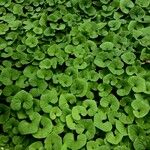
Asarum canadense
Canadian Wild Ginger · Canada snakeroot · Wild ginger · American wild ginger · Canadian Wildginger
Description
Source: leafsnapAsarum canadense, commonly known as Canada wild ginger, Canadian snakeroot, and broad-leaved asarabacca, is a herbaceous, perennial plant which forms dense colonies in the understory of deciduous forest throughout its native range in eastern North America, from the Great Plains east to the Atlantic Coast, and from southeastern Canada south to around the Fall Line in the southeastern United States. It is protected as a state threatened species in Maine.
🌳 Wild ginger has been shown to repel certain insects, and gardeners use it as a natural method of pest control. Its roots contain aromatic compounds that, when crushed, release a strong scent similar to ginger, which explains its common name. This underused aromatic trait may have applications in natural pest deterrence and possibly in perfumery.
🎭 Affection, Wealth, Achievement
Care Guide
💧 Water Every week
Wild ginger flourishes in moist environments with dappled light. It prefers soil that remains consistently moist but is also well-draining. To maintain the right balance, water the plant once a week. These conditions make wild ginger ideal for outdoor cultivation in shaded areas, as they mimic its natural woodland habitat, promoting optimal growth.
How should I water my Wild ginger plant?
To ensure the Wild ginger plant thrives, it's important to water it with filtered water at room temperature. Tap water may contain harmful particles, so using a filter is recommended. The water should be at room temperature or slightly warm because the plant is accustomed to warmer environments, and cold water can be shocking. It's best to avoid overhead watering, as it can cause problems with the foliage. Instead, water the plant by applying filtered room temperature water directly to the soil until it is thoroughly soaked. This helps moisten the roots and supports their spread in the soil, allowing them to gather the necessary nutrients.
What should I do if I give my Wild ginger too much water or too little water?
Both overwatering and underwatering can negatively affect the health of your Wild ginger plant, but overwatering is more commonly seen. If your Wild ginger receives excess water, its stems and leaves may wilt and turn yellow. Overwatering for a long period can also lead to diseases like root rot, mold, and mildew, which can be fatal for the plant. Although underwatering is less likely for Wild ginger, it can still occur. In such cases, the leaves of your Wild ginger may become brittle and brown. It is crucial to identify and address signs of overwatering promptly. Some diseases resulting from overwatering, such as root rot, may be irreversible if not addressed quickly. If you observe early signs of overwatering, reduce your watering frequency immediately. Additionally, assess the soil quality where your Wild ginger is planted. If the soil drains poorly, replace it with a loose, well-draining potting mix. Conversely, if you notice signs of underwatering, simply increase your watering frequency until the signs subside.
How frequently should I water my Wild ginger?
If your Wild ginger plant is in a pot, the best way to determine if it needs water is to stick your finger into the soil. If the first two to three inches of soil are dry, it's time to water it. If you have your Wild ginger plant outdoors in the ground, you can use the same method. When the first few inches of soil have dried out, it's time to water it. During the spring and early fall, you'll typically need to water this plant once a week. In extremely hot weather, you may need to water it twice or more per week. However, mature and well-established Wild ginger plants can handle drought well.
How much water does my Wild ginger plant require?
When watering your Wild ginger, don't hold back on the amount of water you give. Make sure the top two to three inches of soil are dry before giving it a good, thorough watering. Water enough to completely saturate the soil, and if you see water flowing out of the drainage holes at the bottom of the pot, then you've added enough. If there is no excess water draining, it means you've probably not watered enough. Be careful not to let water accumulate in the soil, as it can harm the plant. If the water isn't draining properly, it could be a sign of poorly draining soil, which is not good for the plant's health. If the plant is outdoors, one inch of rain per week should be enough.
How should I water my Wild ginger as it grows?
The water needs of Wild ginger vary depending on its growth stages. In the first few years or after transplanting, more water is required due to the energy focused on sprouting new roots for future growth. These young roots thrive with slightly more moisture than during mature phases. As the plant matures over seasons, it will require less water. Another stage that may demand increased watering is during blooming, as flower development uses significant moisture.
☀️ Light Partial sun
Wild ginger prefers locations with a mix of sun and shade, enabling it to thrive even in very shaded spots. Native to woodland habitats, it is suited to low light, and too much sun can harm its health.
What are the sunlight requirements for wild ginger?
Wild ginger, or Asarum canadense, thrives under a mixture of sun and shade conditions. Specifically, it requires partial sun, which means about 3-6 hours of sunlight daily, but it can also grow in full shade, where it receives less than 3 hours of sunlight per day. Wild ginger is originally from wooded habitats and is well-adapted to low-light conditions. However, too much direct sunlight can be harmful to its health. It's crucial to observe how sunlight moves through your garden to choose spots that offer the right balance of light and shade, ensuring the plant's well-being.
How can artificial lighting be used for wild ginger?
Indoor wild ginger plants may require artificial lighting to promote optimal growth, especially when natural sunlight is insufficient, such as in winter or in less sunny spaces. LED lights are recommended because they can provide specific wavelengths needed by plants. The amount of artificial light needed varies according to the plant's natural sunlight requirements: full sun plants need 30-50 watts per square foot, partial sun plants need 20-30 watts per square foot, and full shade plants need 10-20 watts per square foot. The artificial light source should be placed 12-36 inches above the plant, mimicking natural sunlight as closely as possible, and typically, plants require 8-12 hours of light per day.
What are the symptoms of light deficiency in wild ginger?
Wild ginger can exhibit several symptoms when it doesn't receive adequate light. These include smaller new leaves compared to older ones, leggy or sparse growth, faster leaf drop, and halted or no new growth, indicating the plant has entered survival mode due to poor light conditions. Insufficient sunlight can also cause leaves to develop irregular color patterns, appear pale (a sign of insufficient chlorophyll), or lead to chlorosis, where leaves turn yellow. Sunscald, leaf curling, wilting, and leaf scorching are additional symptoms that can occur due to excessive sunlight exposure, each affecting the plant's overall health in various ways.
How can light conditions be optimized for wild ginger?
To optimize light conditions for wild ginger, indoor plants can be gradually shifted to sunnier spots each week until they receive the recommended 3-6 hours of direct sunlight daily, allowing them to adapt slowly to the changing conditions. For plants that are large or not easily movable, providing additional artificial light, such as keeping a desk or ceiling lamp on for at least 8 hours daily or using professional plant grow lights, can ensure they receive sufficient light. Outdoors, it's important to gradually move plants to sunnier spots to prevent sunburn, making adjustments each week. Reducing obstructions, such as pruning trees or bushes blocking sunlight, and for smaller plants, considering transplantation to a sunnier location during their dormant period, typically late winter or early spring, can also help in providing optimal sunlight.
🌡️ Temperature 5–25°C
In its natural growing environment, wild ginger favors cool to moderate temperatures of 5 to 25 ℃ (41 to 77 ℉). This temperate plant requires only minor temperature adjustments, but it's important to monitor and keep temperatures steady through seasonal changes to avoid extreme fluctuations.
What is the ideal temperature range for wild ginger?
Wild ginger, or Asarum canadense, thrives in cool to moderate temperatures, ideally between 5 to 25°C (41 to 77°F). It is important to maintain a consistent temperature within this range throughout the year to avoid extreme fluctuations. This plant is quite adaptable to its temperate native growth environment, requiring minimal adjustments in temperature. During winter, wild ginger shows a high tolerance to cold and does not necessitate additional frost protection measures. It is, however, recommended to water the plant generously before the first freeze of autumn to ensure the soil remains moist and aids in providing protection against drought and water scarcity during the colder months.
How does wild ginger respond to low temperatures?
Wild ginger is extremely cold tolerant and can withstand winter temperatures without showing noticeable changes during the cold season. However, it's crucial to ensure that the winter temperature stays above its growth limit temperature. If the temperature drops below this threshold, it may lead to a decrease in sprouting or possibly no sprouting at all come spring. Should this occur, removing any parts that have failed to sprout in the spring is recommended as a solution to help the plant recover.
What should I do if wild ginger is exposed to high temperatures?
Wild ginger does not tolerate high temperatures well. Exposure to temperatures exceeding its maximum suitable growth temperature can halt its growth and increase its susceptibility to rot. To mitigate damage from high temperatures, it is advised to trim away any sunburned and dried-up parts of the plant. Relocating the plant to a shaded area, or using a shade cloth to protect it from the midday and afternoon sun, can also be beneficial. Additionally, watering the plant in the morning and evening to maintain soil moisture can help alleviate stress from high temperatures.
💨 Humidity
🪴 Soil 6-7
🌱 Fertilizer
One application of fertilizer in spring is typically enough for Wild ginger, though repeated feedings can enhance growth. Fertilize every one to one and a half months. Fertilization improves the leaves' appearance and function, helping maintain uniform color and a healthy texture. It also promotes root development and nutrient uptake, supporting the plant's long-term health.
Why should I add fertilizer to my Wild ginger plant?
To ensure that the leaves of the Wild ginger look great and serve their function, proper fertilization is crucial. Fertilization not only improves the color and texture of the leaves but also helps the plant generate new roots and maintain existing ones. This not only ensures a healthy plant at present but also enhances its ability to absorb soil nutrients in the future.
When should I fertilize my Wild ginger for the best results?
If you grow Wild ginger outdoors, you'll notice new growth in early spring, indicating it's time to fertilize. Usually, one application of fertilizer is sufficient, but if you want to promote maximum growth, you can fertilize multiple times during the spring and early summer, about once every month to a month and a half.
When is it not a good idea to add fertilizer to my Wild ginger plant?
During the late fall and winter, Wild ginger enters a dormant phase and stops producing new growth. It is best to avoid fertilizing your Wild ginger during this time. In spring and summer, if you choose to fertilize multiple times, gradually reduce the amount as summer approaches because the growth rate of Wild ginger will also slow down. Avoid fertilizing during unseasonably hot weather or when the soil is excessively dry, as this can stress your Wild ginger and cause it to die prematurely.
What kind of fertilizer does my Wild ginger plant need?
Choosing the best fertilizer for a Wild ginger is a straightforward task. These plants thrive on a general-purpose garden fertilizer with equal amounts of nitrogen, phosphorus, and potassium. A fertilizer with a 10-10-10 ratio or something similar is effective. Avoid fertilizers with high nitrogen content if unsure. Granular fertilizers are preferable for Wild ginger, particularly slow-release ones that are easy to apply to the soil. Feeding your Wild ginger with an organic soil amendment like compost can also be beneficial.
How should I give nutrients to my Wild ginger plant?
To ensure the healthy growth of your Wild ginger, wait until its first leaves emerge in early spring. Then, apply a granular slow-release fertilizer with a balanced formula to the soil surrounding the base of the plant. If desired, you can repeat this process later in the season. When applying fertilizer, remember to target the soil at the base of the plant rather than the plant itself. Sometimes, you may need to move some leaves to access the soil above the roots. Additionally, watering your Wild ginger before and after fertilizing is usually beneficial.
🪴 Pot & Repot 2-3 years
When repotting Wild ginger, select a pot 1-2 inches (2.5–5.1 cm) larger with ample drainage. Use a well-draining potting mix. Repot in spring or fall, making sure the root ball sits slightly below the rim of the flower pot. Water thoroughly after repotting and place in a warm spot with indirect sunlight.
✂️ Pruning
Wild ginger benefits from pruning from early to late spring, with a focus on removing damaged leaves to encourage growth. This timing helps promote the development of new shoots and a fuller structure while preventing overgrowth. Be sure to use sharp, sterilized tools to minimize the risk of disease and enhance the plant's overall health.
🌿 Propagating
🐛 Diseases & pets
☠️ Toxicity
Characteristics
- Plant Type
- Herb
- Life Cycle
- Perennial
- Genus
- Asarum
- Family
- Aristolochiaceae
- Hardiness Zone
- 4-6
- Mature Height
- 15 cm to 30 cm
- Mature Spread
- 10 cm to 15 cm
- Leaf Color
- Green, Blue, Silver
- Leaf Type
- Deciduous
- Flower Color
- Brown, Purple
- Flower Size
- 2.54 cm to 7.62 cm
- Bloom Time
- Mid spring, Late spring
- Planting Time
- Spring, Autumn
- Harvest Time
- Early summer, Mid summer
- Native Area
- Eastern North America, Southeastern Canada