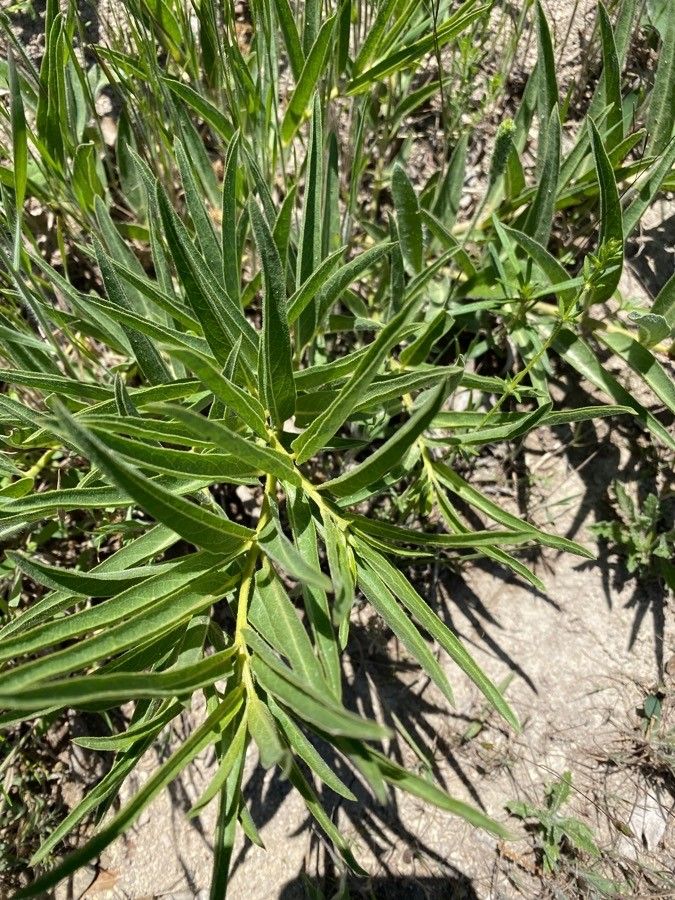
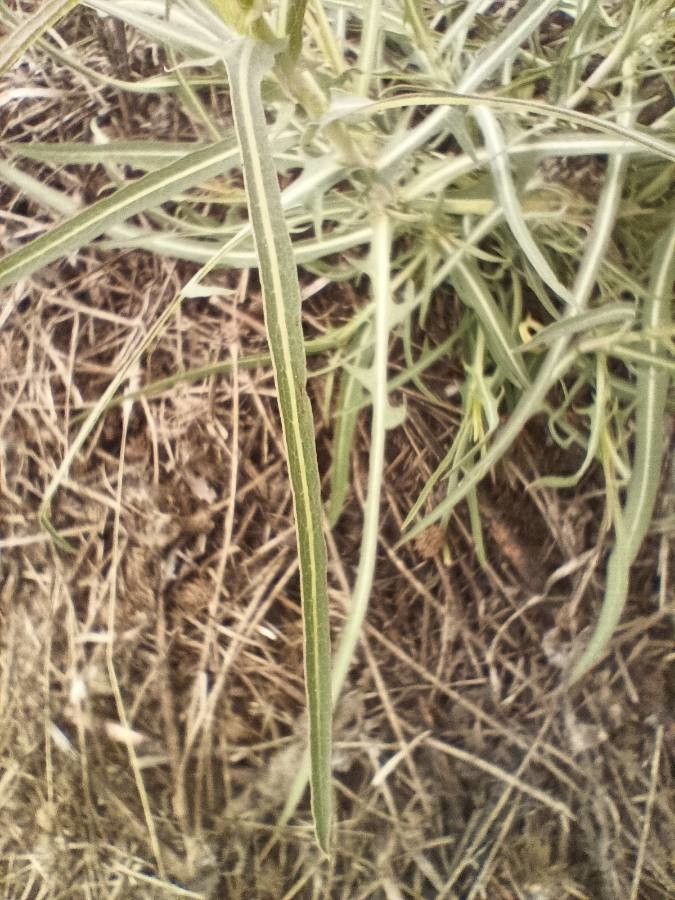
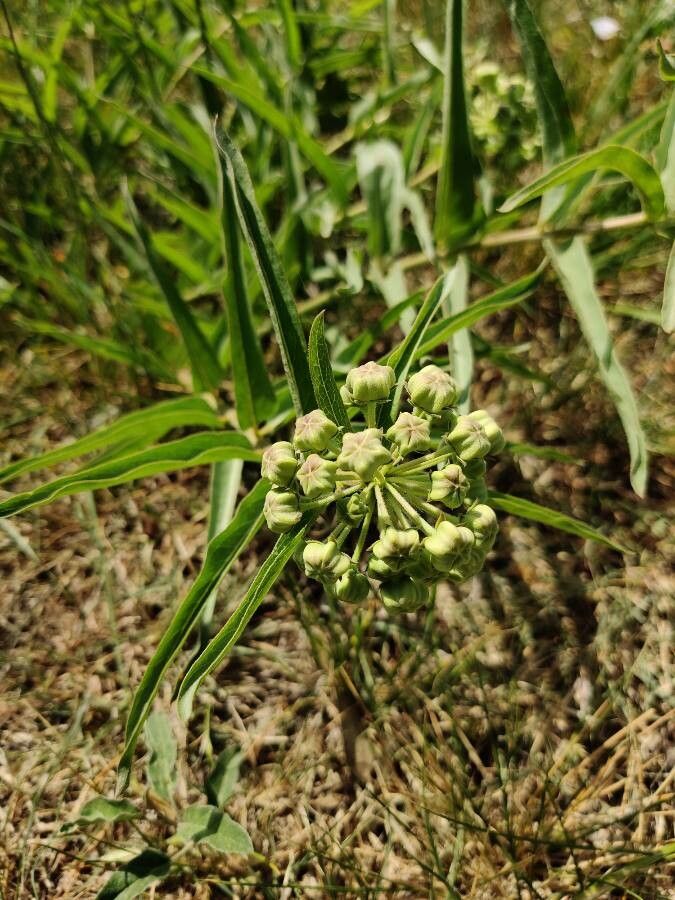
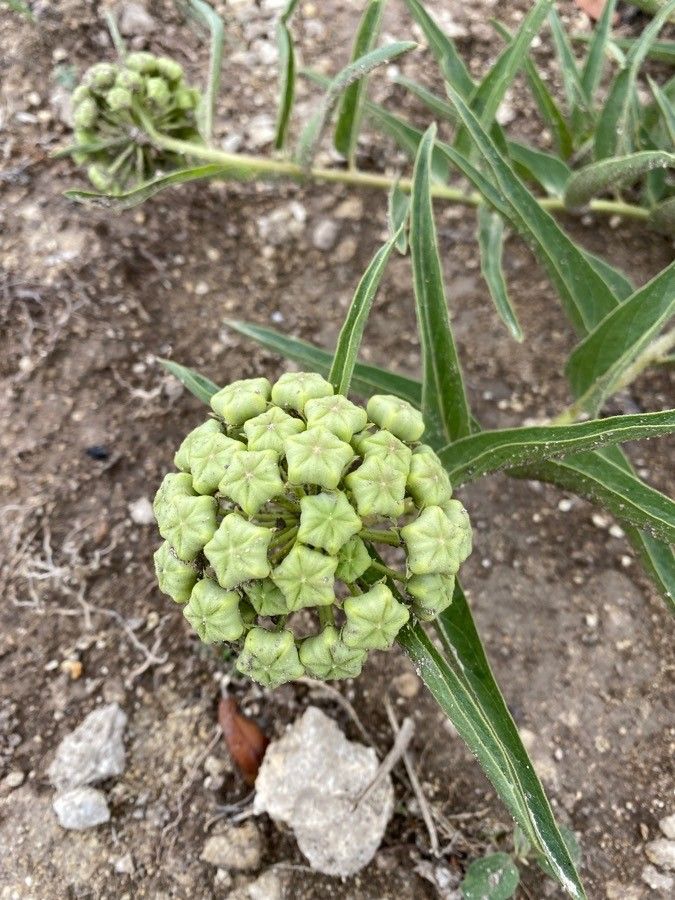
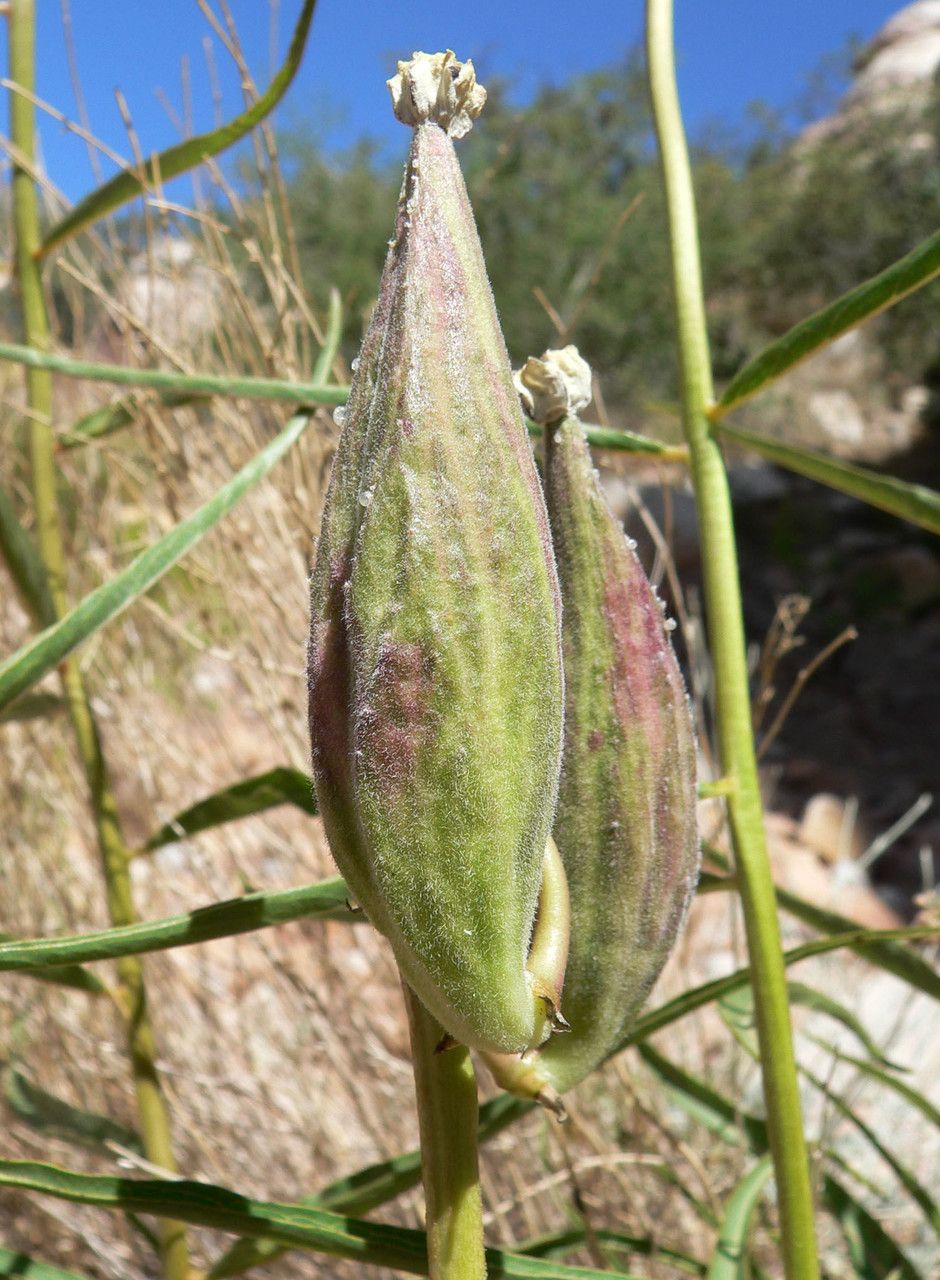
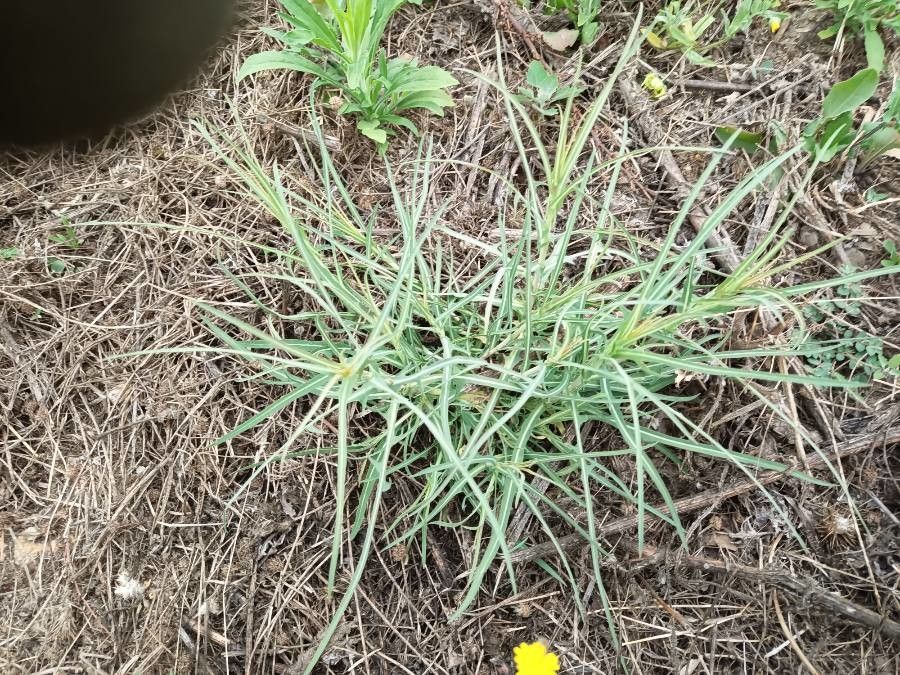
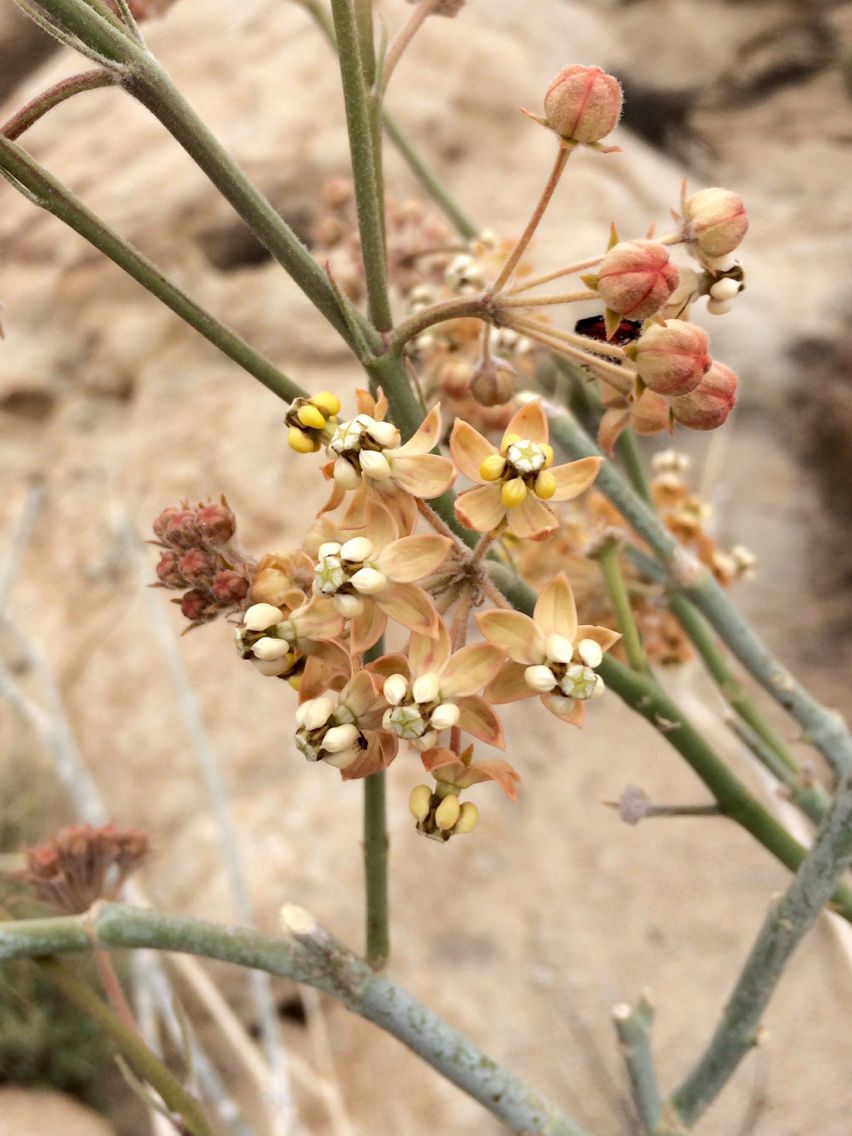
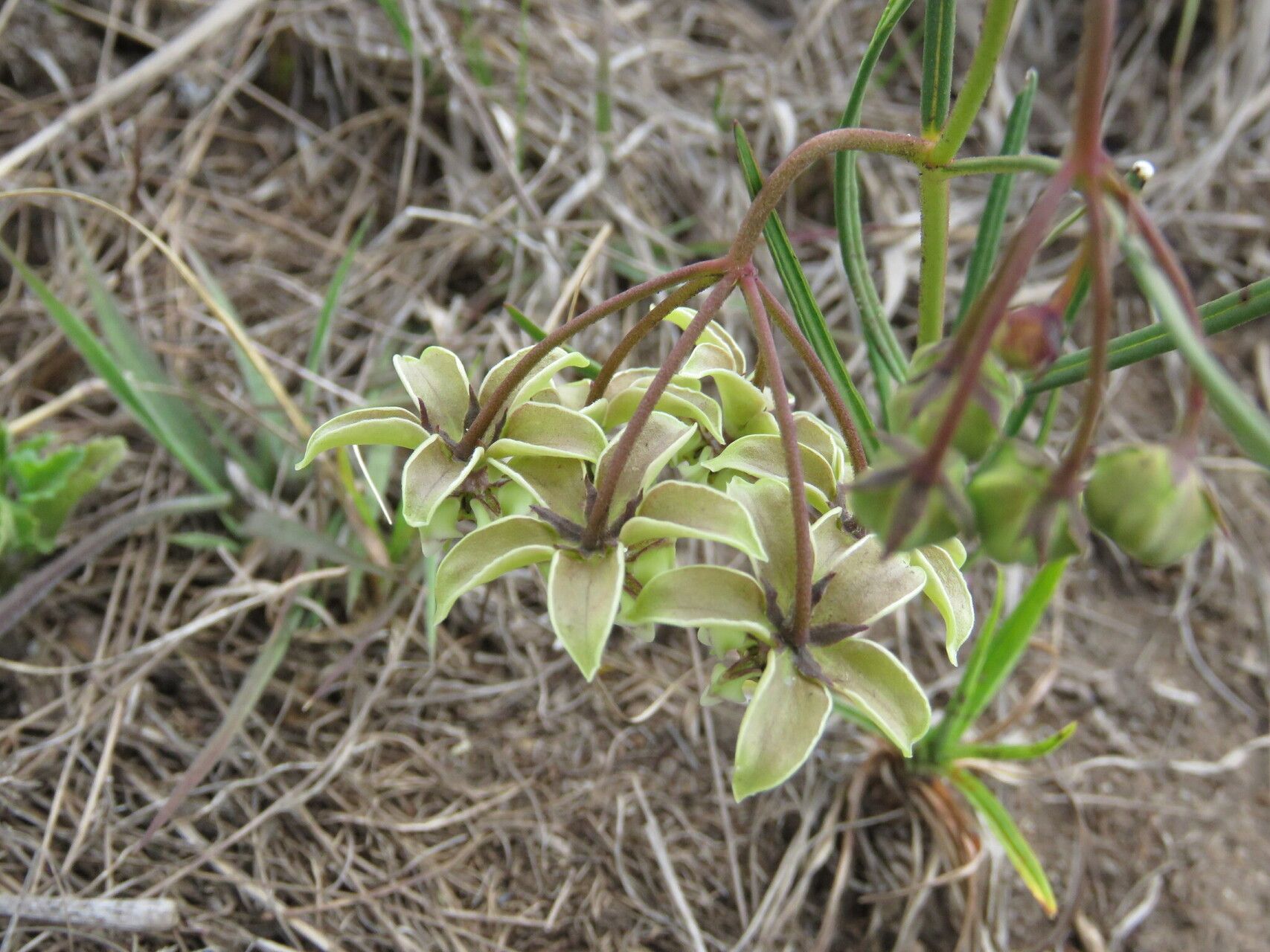
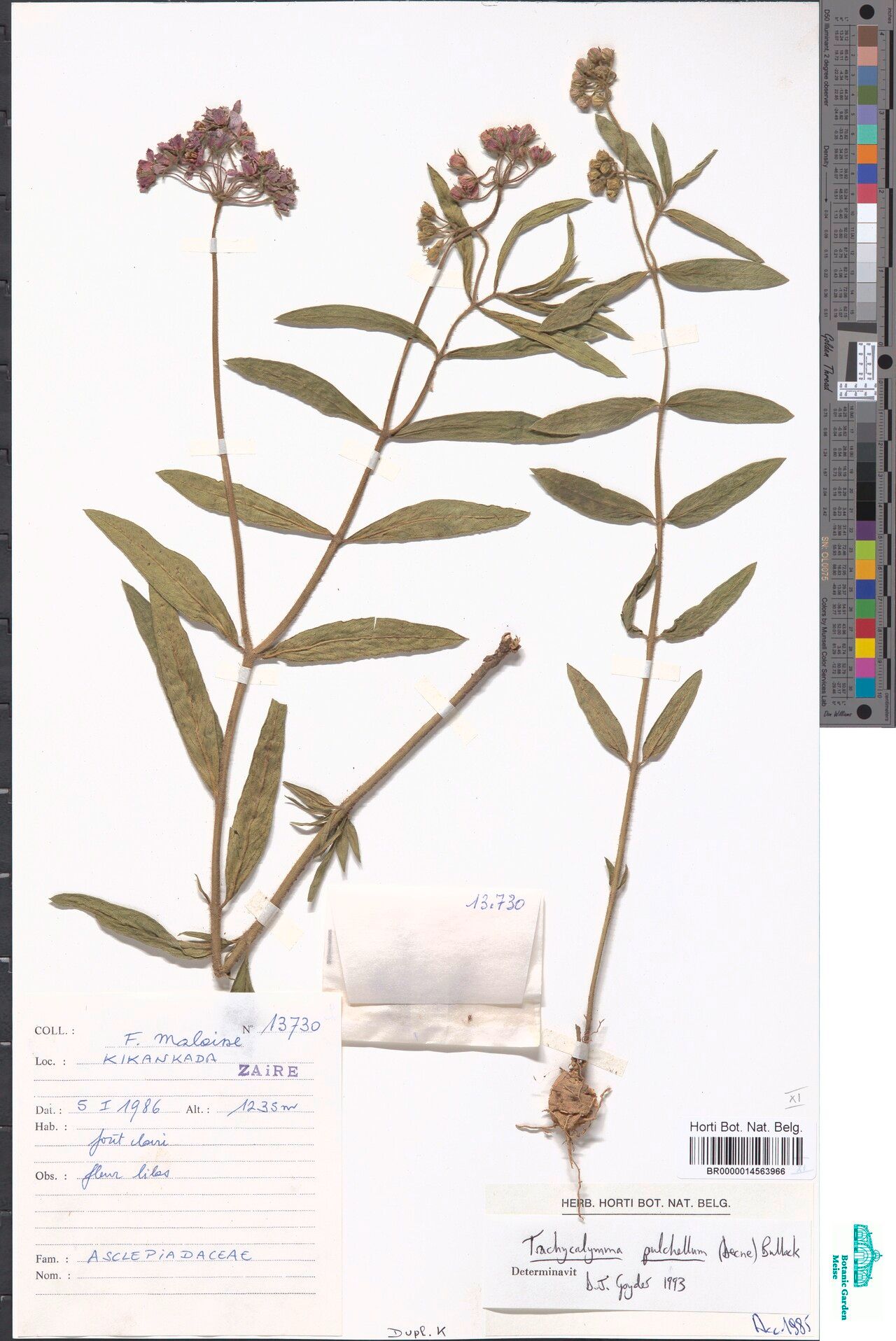
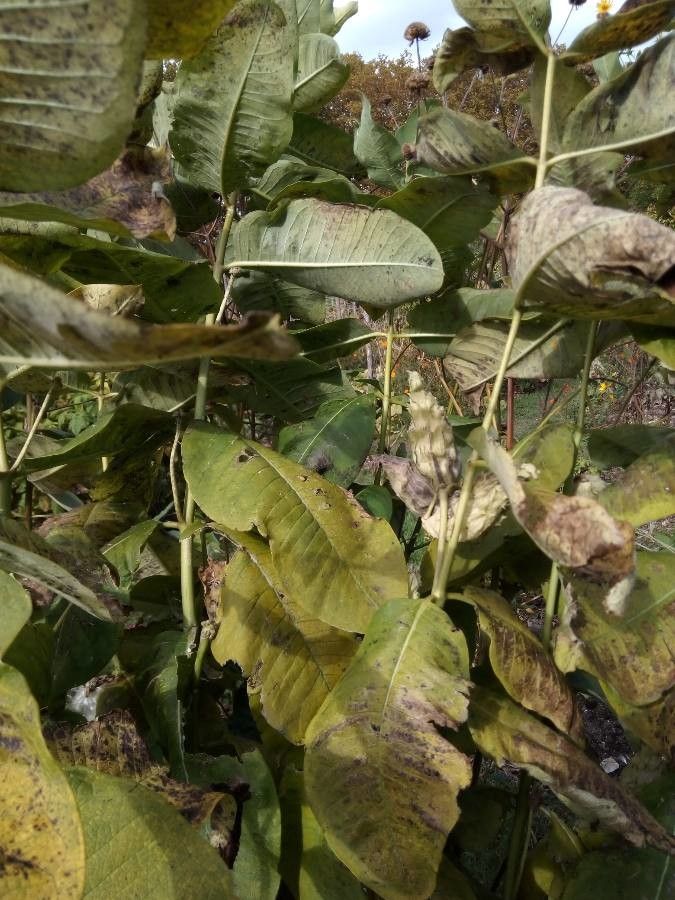
Asclepias asperula, commonly called antelope horns milkweed or spider milkweed, is a species of milkweed native to the Southwestern United States and northern Mexico.
Antelope Horns Milkweed has strong disease resistance and is generally not prone to illnesses. Still, it can be vulnerable to pests and diseases present in its environment. Such infections are typically mild. Regarding care, this plant is moderately demanding. It should be pruned regularly to preserve a neat appearance and healthy growth. Applying fertilizer can also encourage blooming. Antelope Horns Milkweed is appropriate for anyone with outdoor space, like a garden or patio, and does not require extensive gardening experience. It may need more attention when cultivated indoors.
How to keep Asclepias Asperula.
Light
Antelope Horns Milkweed performs best in abundant sunlight but can also tolerate partial exposure. Native to sunny habitats, it has adapted to use those conditions for optimal growth. Both too much and too little sun can impair its healthy development and adversely affect the plant's condition.
Water
Antelope Horns Milkweed flourishes in dry environments with low humidity, demonstrating excellent drought tolerance. This plant requires little water, ideally needing a weekly watering schedule. As a herbaceous perennial, Antelope Horns Milkweed stores water in its roots throughout the growing season, making it well-suited for areas with inconsistent rainfall.
Temperature
Antelope Horns Milkweed does best in its native habitats when temperatures range from 59 to 95°F (15 to 35 ℃). Because it favors warmer climates, temperatures must be carefully monitored and adjusted during the fall and winter seasons.
Fertilizer
For Antelope Horns Milkweed, the primary time to apply fertilizer is in early spring when the flowers are forming. The appropriate fertilizer promotes stronger blooms and helps the plant produce attractive flowers. Fertilizing in early spring ensures excellent flowering during the season and supplies energy for dormant growth phases.
Pruning
To keep antelope horns milkweed healthy, regularly remove infected plants and wilted leaves. In tropical climates, prune the branches in early spring to promote better growth. Be aware that antelope horns milkweed is highly toxic, so always wear gloves when handling it, keep it out of reach of children, and do not consume it.
Botanical profile.
- Plant Type
- Herb
- Life Cycle
- Perennial
- Genus
- Asclepias
- Family
- Apocynaceae
- Hardiness Zone
- 7-9
- Mature Height
- 20 cm to 61 cm
- Mature Spread
- 30 cm to 91 cm
- Leaf Color
- Green, Dark Green
- Leaf Type
- Deciduous
- Flower Color
- White, Green, Yellow, Red
- Flower Size
- 2.54 cm
- Bloom Time
- Late spring, Early summer, Mid summer
- Planting Time
- Spring, Summer, Autumn
- Harvest Time
- Mid summer
Other names.
Reader questions.
How should I water my Antelope Horns Milkweed?
To properly water the Antelope Horns Milkweed, it is recommended to use filtered water at room temperature. Tap water may contain harmful particles, which is not ideal for the plant's health. The plant prefers water that is at room temperature or slightly warmer because it originated from a warm environment, and cold water can be a shock to its system. It is also advisable to avoid overhead watering as it can cause complications with the foliage. Instead, apply the filtered room temperature water directly to the soil until it is completely soaked. This method of watering benefits the plant by moistening its roots, allowing them to spread through the soil and absorb nutrients effectively.
Why is it necessary to fertilize my Antelope Horns Milkweed?
The main structure of the Antelope Horns Milkweed is made up of its leaves. Fertilization is an impactful way to ensure the leaves look great and fulfill their function. Proper fertilization results in consistent color and a healthy texture of the leaves. Fertilization also benefits the plant below the soil's surface by promoting the growth of new roots and maintaining existing ones. This not only keeps the plant healthy in the present, but also improves its ability to absorb soil nutrients in the future.
What are the sunlight requirements for Antelope Horns Milkweed?
Antelope Horns Milkweed requires full sun, which means it needs more than 6 hours of sunlight daily, but it can also thrive in partial sun, about 3-6 hours of sunlight. Ensuring your garden spots provide the ideal balance of light and shade is crucial for the happiness and healthy development of your plants. Too much or too little sun exposure could negatively affect the plant's health.
What are the ideal temperature conditions for Antelope Horns Milkweed?
Antelope Horns Milkweed flourishes in temperatures ranging from 59 to 95°F (15 to 35°C), indicating a preference for warmer climates. It’s important to monitor and adjust the environmental temperature around the plant, especially during the cooler fall and winter seasons to maintain these conditions. Despite its strong cold resistance, in areas where winter temperatures might plummet below -15°C, special precautions should be taken to protect the plant from the cold. This can include using soil or straw to cover the plant. It's also advised to water the plant generously before the first freeze in autumn to keep the soil moist, which aids in preventing drought stress during winter and early spring.
What do I do if I give my Antelope Horns Milkweed too much water or too little water?
Overwatering poses a greater risk to the health of your Antelope Horns Milkweed compared to underwatering. Overwatering can cause wilting, yellowing of stems and leaves, and can lead to diseases like root rot, mold, and mildew, which can be fatal to the plant. Underwatering is less common due to the plant's tolerance for drought, but it can cause brittle, brown leaves. It is important to notice signs of overwatering early and reduce watering immediately to prevent irreversible damage. Check the soil quality and replace it if it drains poorly. If underwatering is the issue, increase watering until the symptoms improve.
When should I fertilize my Antelope Horns Milkweed for best results?
When you grow your Antelope Horns Milkweed outdoors, it will start growing new shoots in early spring. This is a signal that it's time to fertilize the plant for the year. Usually, one round of fertilizer in spring is enough for the plant to thrive. However, if you want to encourage maximum growth, you can fertilize it multiple times during the spring and early summer. In this case, you can feed your Antelope Horns Milkweed around once every month to a month and a half.
How does artificial lighting support indoor growth of Antelope Horns Milkweed?
Indoor plants, including Antelope Horns Milkweed, require adequate lighting for optimal growth, especially when natural sunlight is insufficient. Artificial lights, such as LED lights that can be customized to provide specific wavelengths, offer a solution. Full sun plants need 30-50W/sq ft, partial sun plants need 20-30W/sq ft, and full shade plants need 10-20W/sq ft of artificial light. It's important to place the light source 12-36 inches above the plant and ensure it mimics natural daylight hours, generally 8-12 hours per day, to promote faster, healthier growth.
How does Antelope Horns Milkweed respond to low temperatures, and what measures should be taken?
Antelope Horns Milkweed is cold-tolerant, thriving best when temperatures are above 15°C and should ideally be kept above -10°C during winter. If temperatures fall below -15°C, the plant might not show immediate damage, but you may observe a reduction in spring sprouting or even no sprouting at all. As a solution, in spring, it's recommended to remove any parts of the plant that have failed to sprout, encouraging healthy new growth.
How often should I water my Antelope Horns Milkweed plant?
If your Antelope Horns Milkweed plant is in a pot, the most precise way to determine if it needs water is to check the soil by plunging your finger into it. If the top two to three inches of soil are dry, it's time to water it. If you have planted your Antelope Horns Milkweed outdoors in the ground, you can also use this method to test the soil. When you find that the top few inches of soil have dried out, it's a sign to water the plant. Usually, during the spring and early fall seasons, you may need to water this plant about once a week using this method. However, in extremely hot weather, you may need to increase watering to twice a week or even more. It's important to note that mature and well-established Antelope Horns Milkweed plants have an admirable ability to tolerate drought.
When is the best time to not add fertilizer to my Antelope Horns Milkweed?
During the late fall and winter, your Antelope Horns Milkweed will go dormant and stop growing. It is important to avoid fertilizing it during this time. In the spring and summer, if you choose to fertilize, gradually decrease the amount as summer approaches because the growth rate of the milkweed will slow down. In general, it is not recommended to fertilize when the weather is excessively hot or the soil is extremely dry as it can cause stress and premature death of the milkweed.
What are the symptoms of insufficient or excessive sunlight exposure in Antelope Horns Milkweed?
Symptoms of insufficient sunlight include smaller new leaves, leggy or sparse growth, faster leaf drop, slower or no new growth, and lighter-colored new leaves. In contrast, excessive sunlight can cause chlorosis (leaves turning yellow), sunscald (pale, bleached areas on plant tissue), leaf curling, wilting, and leaf scorching (brown, dry edges on leaves). These symptoms indicate either a lack of or too much sunlight, both of which can negatively affect the plant's ability to thrive.
What happens to Antelope Horns Milkweed in high temperatures, and how can it be managed?
In high temperatures, specifically during summer when it should ideally remain below 35°C, exceeding 38°C can lead to leaf discoloration, curling, susceptibility to sunburn, and in extreme cases, wilting and drying out of the entire plant. To manage this, trim away sunburned and dried parts of the plant. It's also beneficial to move the plant to a shaded area during intense midday and afternoon sun or utilize shade cloth for protection. Watering the plant in the morning and evening can help keep the soil moist and protect the plant from heat stress.