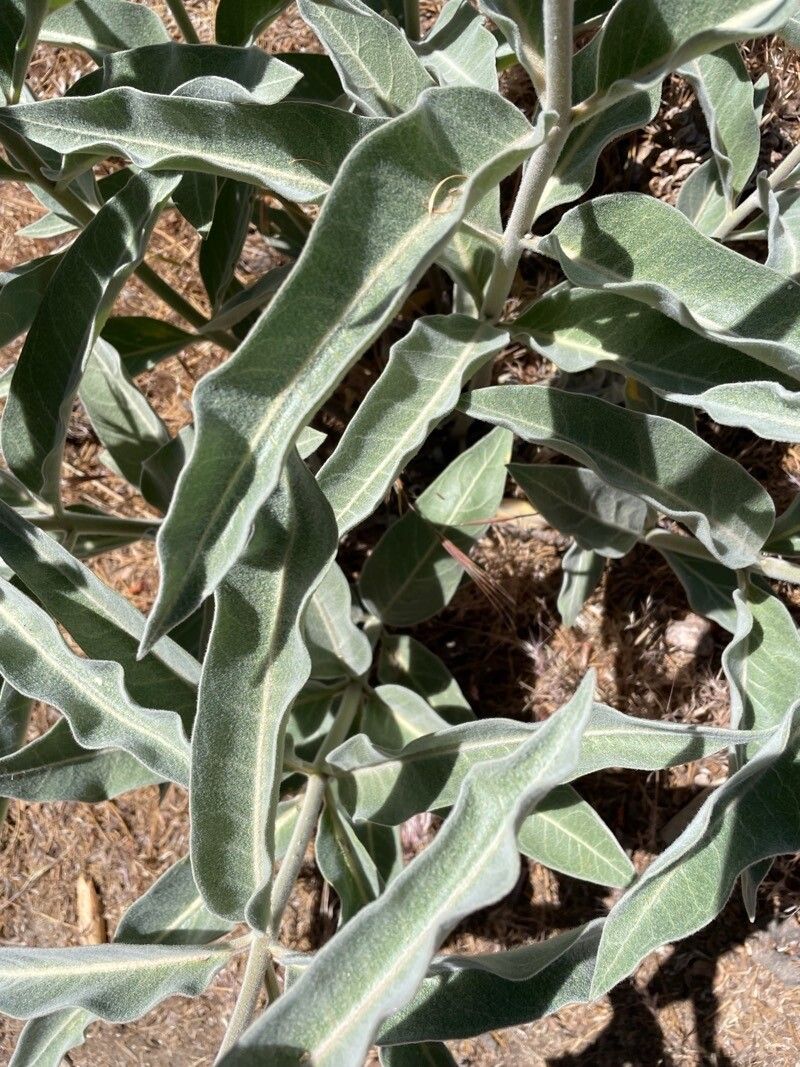
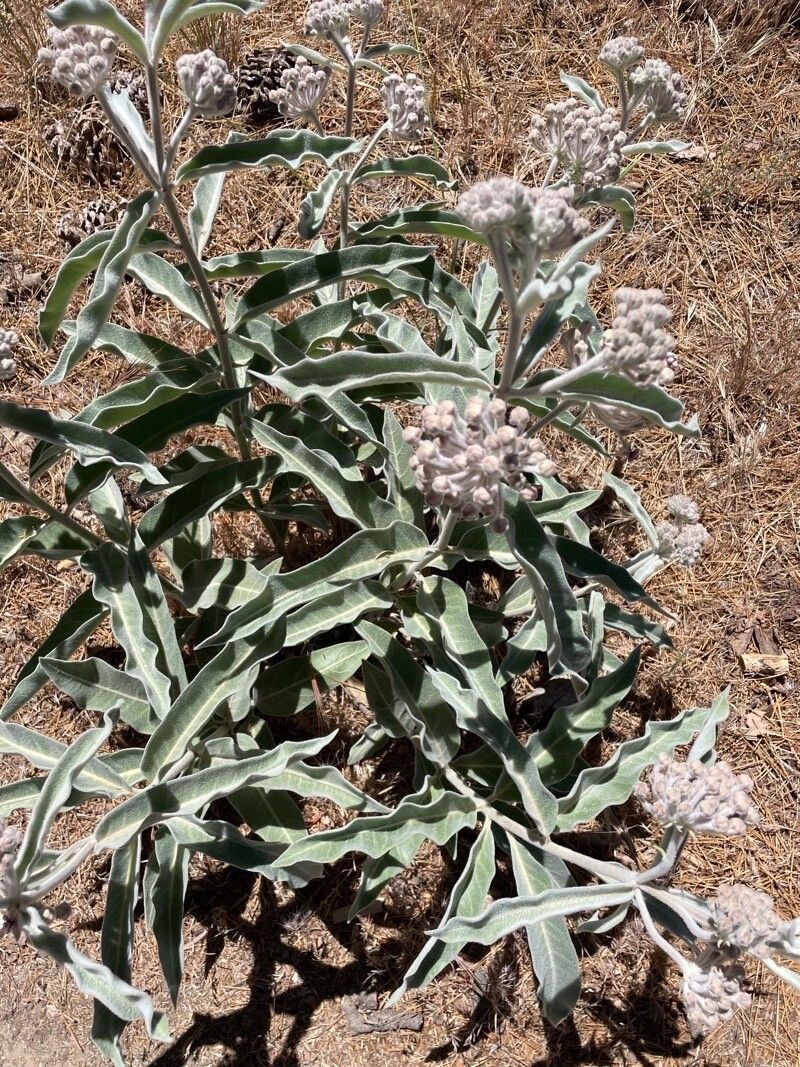
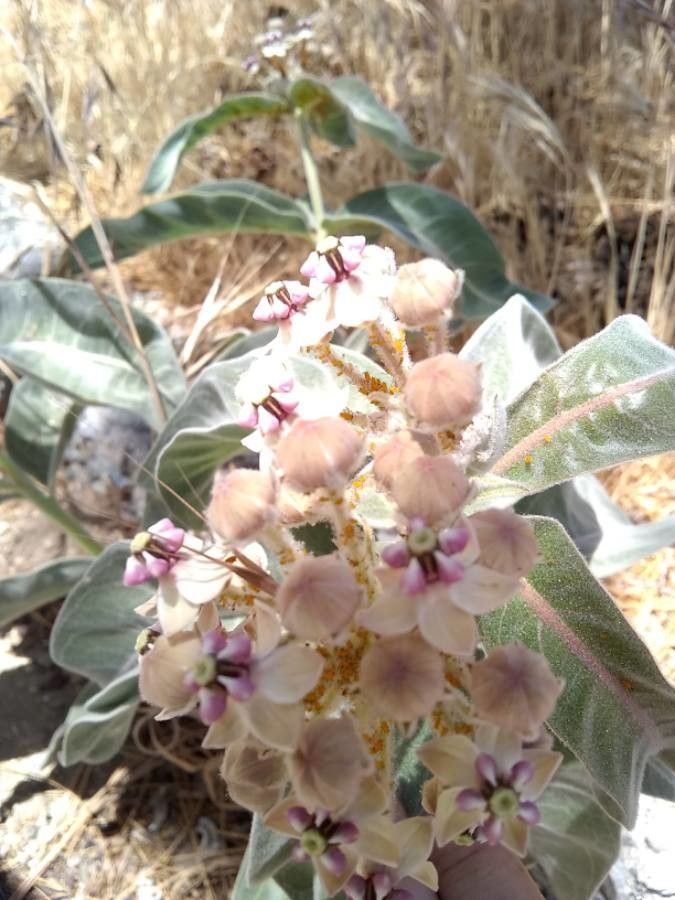
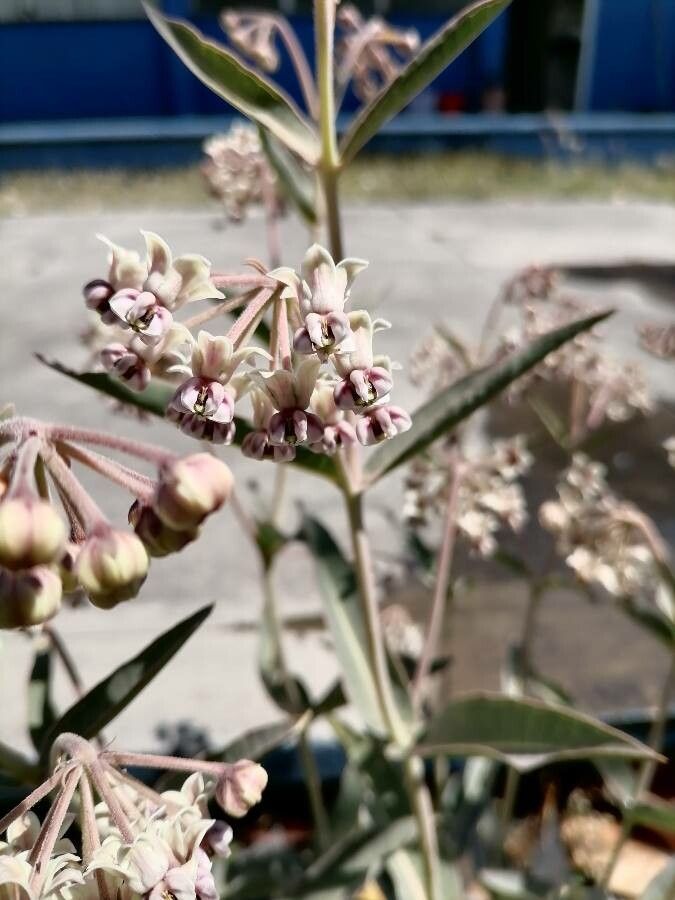
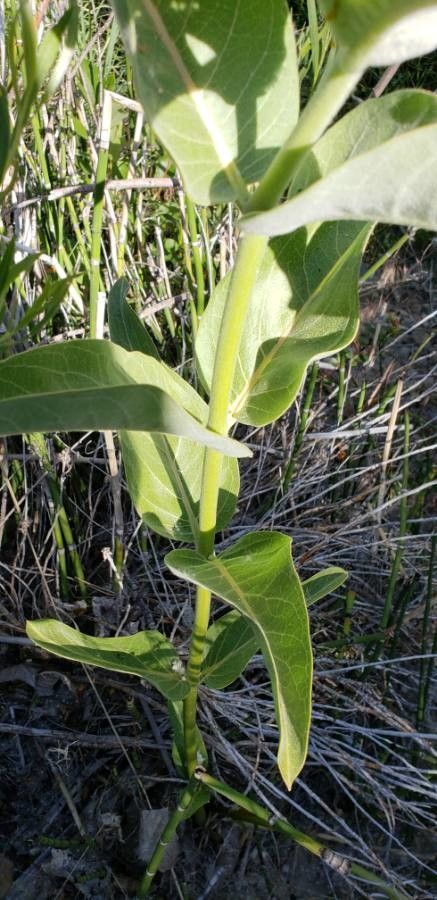
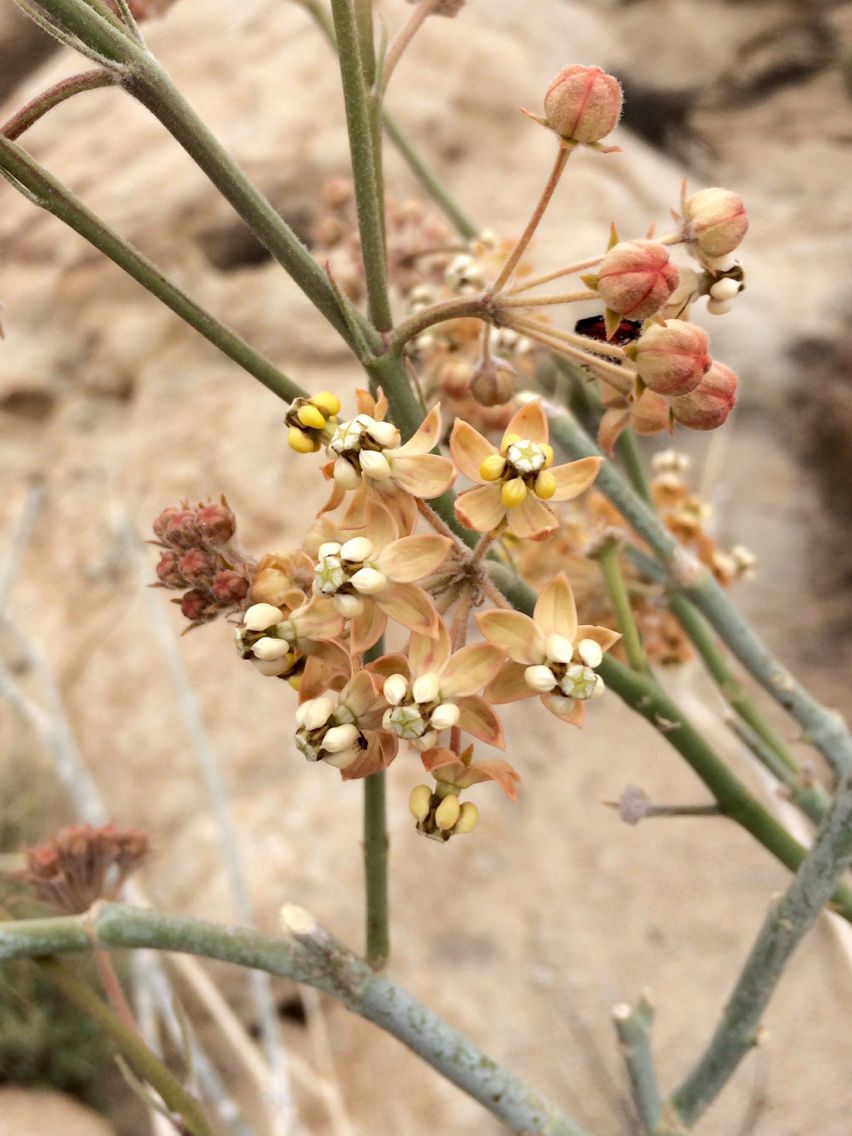
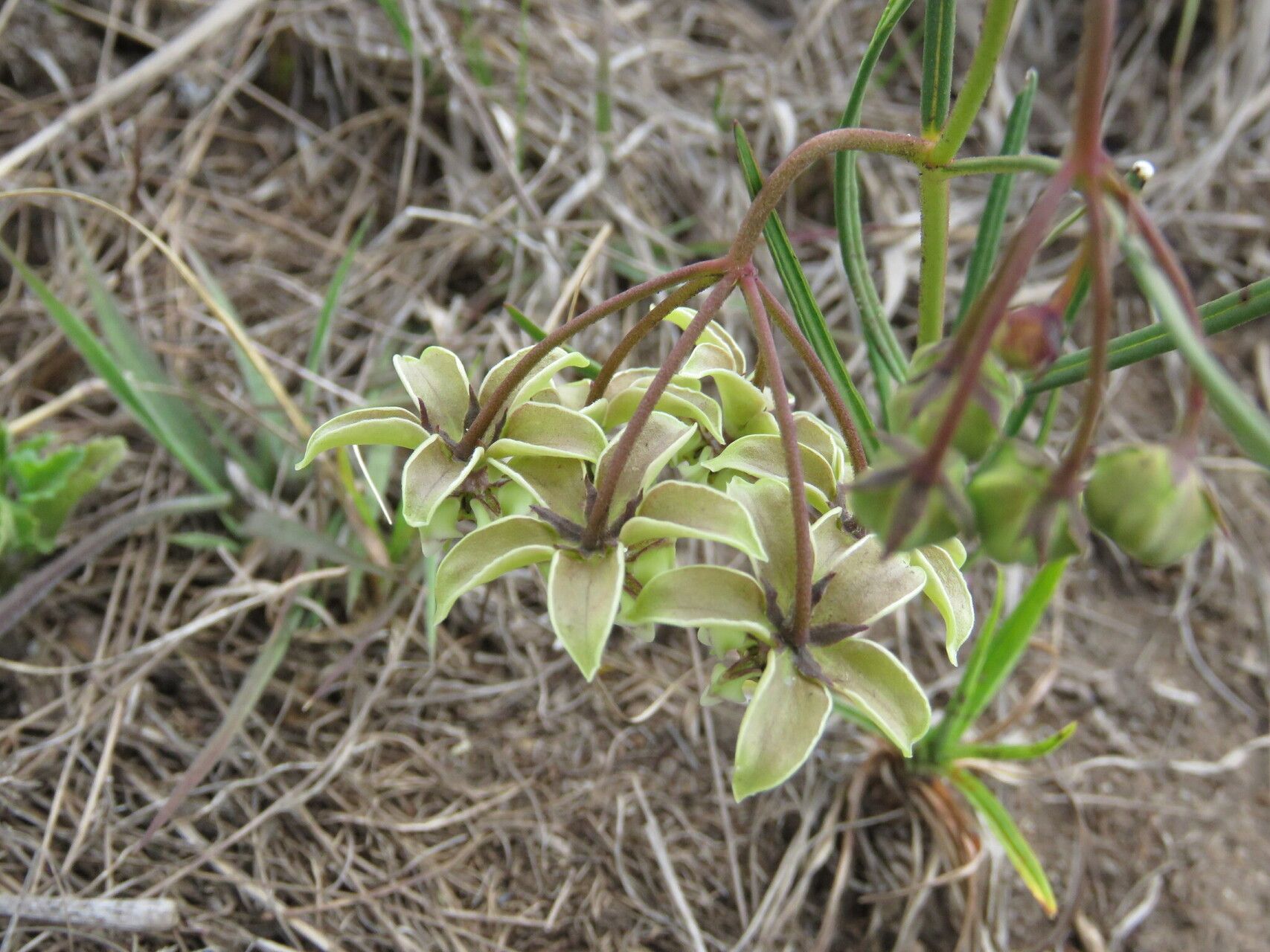
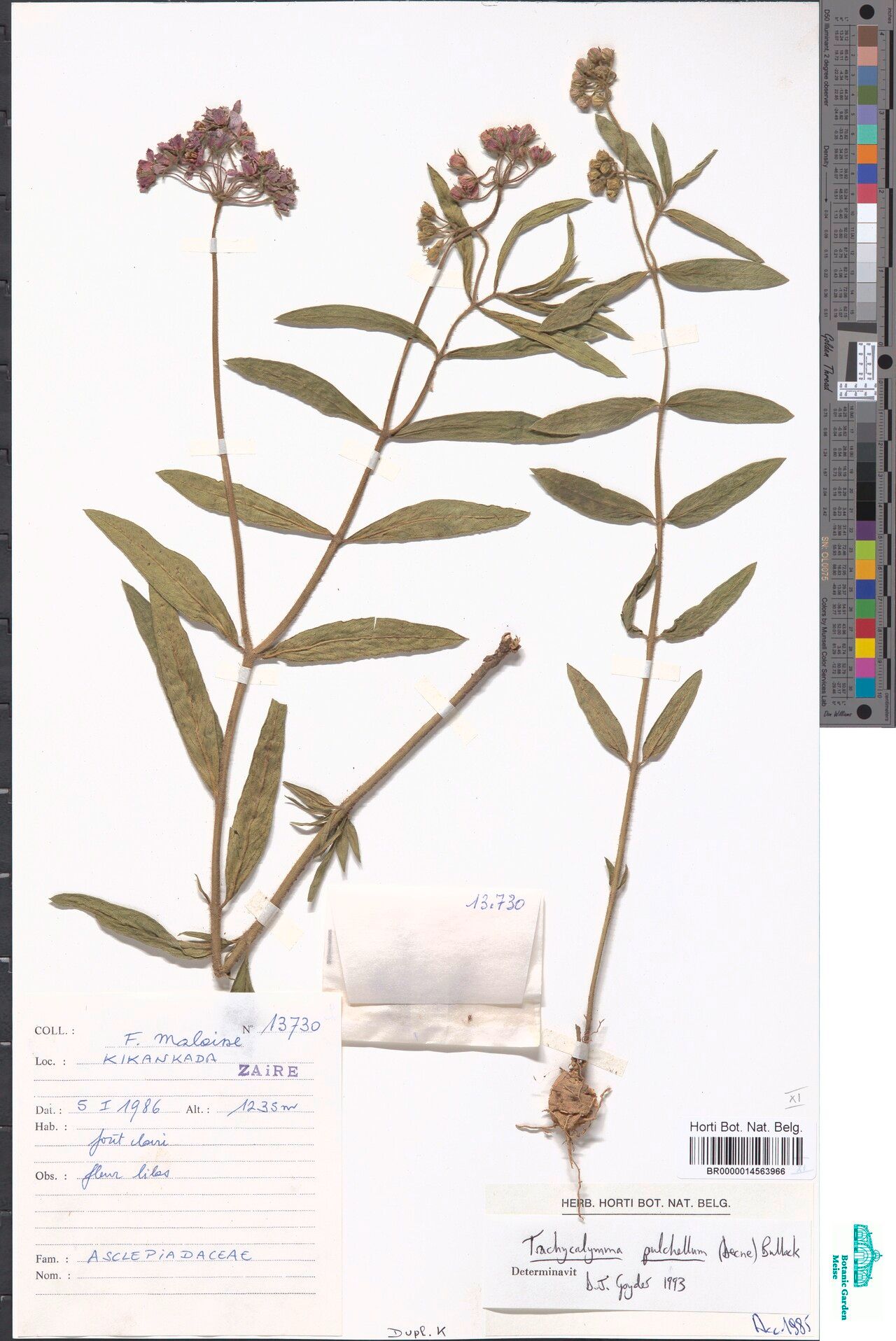
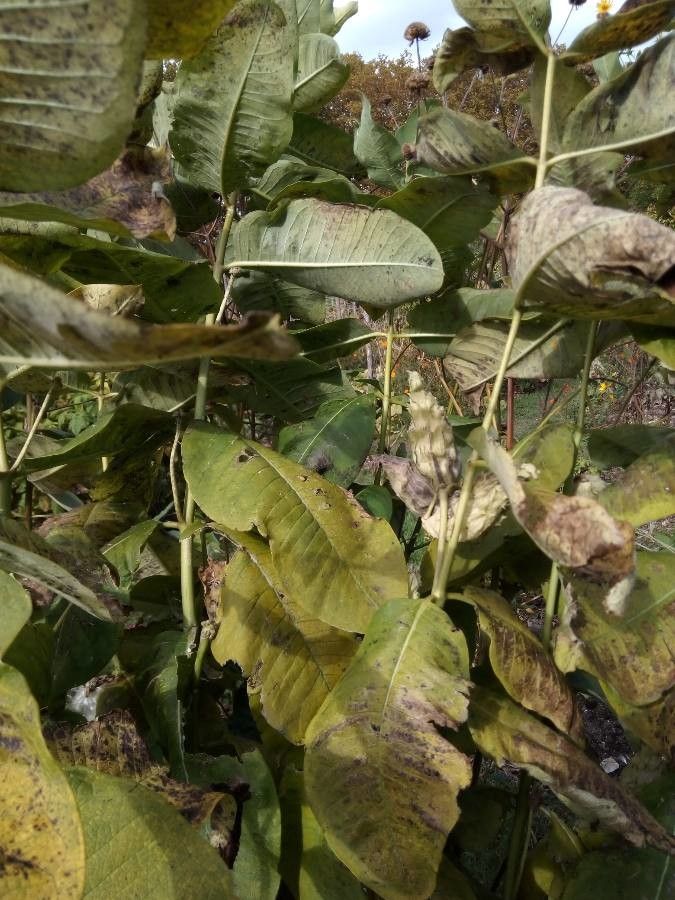
Asclepias eriocarpa is a species of milkweed known by the common names woollypod milkweed, Indian milkweed, and kotolo. It is a perennial herb that grows in many types of habitats.
Kotolo milkweed is fairly resistant to disease and typically does not suffer from many illnesses. Still, it can be vulnerable to pests and pathogens present in its environment, though such infections tend to be mild. Regarding upkeep, the plant needs moderate care. It should be pruned on a regular basis to preserve a neat appearance and support healthy growth. Adding fertilizer can also encourage blooming. Kotolo milkweed is a good choice for anyone with outdoor space, like a garden or patio, and does not demand extensive horticultural experience. When grown indoors, it may need more attentive care.
How to keep Asclepias Eriocarpa.
Light
Kotolo milkweed thrives in places that get full sunlight throughout the day, while it can withstand areas with occasional shade. Coming from a high-light environment, it does best under those conditions. However, too much or too little light can adversely affect its health.
Water
Kotolo milkweed excels in arid environments due to its drought tolerance. To keep the plant healthy, it should be watered once a week. Growing it outdoors is ideal, as this mimics its natural habitat. The dry soil prevents root rot and encourages strong root development.
Temperature
Kotolo milkweed originates from regions with temperatures between 59 and 95°F (15 to 35℃). The plant prefers warm conditions, so provide extra warmth during cooler periods to support optimal growth.
Fertilizer
The best time to fertilize a Kotolo milkweed is in early spring, when it is coming out of dormancy and starting active growth. Fertilizing supplies essential nutrients for healthy development. Although Kotolo milkweed has fairly low fertilizer requirements, an annual feeding can boost its survival and help produce better, longer-lasting flowers.
Pruning
To help Kotolo milkweed thrive, it's best to prune it from early to late spring. Focus on removing dead stems and trimming overgrown branches to encourage growth and flowering. This practice not only improves the plant's appearance but also enhances its overall health by directing energy towards strong development and vitality.
Botanical profile.
- Plant Type
- Herb
- Life Cycle
- Perennial
- Genus
- Asclepias
- Family
- Apocynaceae
- Hardiness Zone
- 7-10
- Mature Height
- 30 cm to 91 cm
- Mature Spread
- 30 cm
- Leaf Color
- Green, Light Green
- Leaf Type
- Deciduous
- Flower Color
- Lavender, White
- Flower Size
- 2.54 cm
- Bloom Time
- Early summer, Mid summer
- Planting Time
- Autumn
- Harvest Time
- Late summer, Early fall, Mid fall
- Native Area
- Mexico
Other names.
Reader questions.
How should I water my Kotolo milkweed?
To properly water the Kotolo milkweed, it is recommended to use filtered water at room temperature. Tap water may contain harmful particles that can affect the plant's health. Similarly, the water should be at room temperature or slightly warmer because the Kotolo milkweed is accustomed to warm environments and cold water may shock its system. Additionally, it is advisable to avoid overhead watering as it can cause issues with the foliage. Instead, it is best to apply the filtered room temperature water directly to the soil until it is fully soaked. This method benefits the plant by moistening the roots and aiding their spread through the soil to collect essential nutrients.
What are the sunlight requirements for Kotolo milkweed?
Kotolo milkweed thrives best in locations that provide full sun, defined as areas receiving more than 6 hours of sunlight daily. It can also tolerate partial sun, which refers to spots getting about 3-6 hours of sunlight. Observing how sunlight moves through your garden will help you choose the ideal spots that offer a balance of light and shade, ensuring your plants grow healthily.
What is the native climate for Kotolo milkweed?
Kotolo milkweed is native to regions where temperatures vary between 15°C (59°F) and 35°C (95°F). This plant thrives in warm climates, and it is beneficial to provide additional warmth during the cooler seasons to ensure optimal growth. Despite its strong cold resistance, precautions should be taken if winter temperatures are expected to drop below -15°C, including covering the plant with soil or straw for protection.
What do I need to do if I give my Kotolo milkweed too much or too little water?
Overwatering is a common issue that can harm your Kotolo milkweed. It causes the stems and leaves to wilt and turn yellow. Prolonged overwatering can also lead to diseases like root rot, mold, and mildew, which can be fatal to the plant. Underwatering is less likely, as the Kotolo milkweed has good drought tolerance. However, if it occurs, the leaves will become brittle and brown. It's important to recognize the signs of overwatering early on. Some diseases, like root rot, are difficult to reverse if left untreated for too long. If you notice early signs of overwatering, reduce your watering schedule and check the soil quality. If the soil drains poorly, replace it with well-draining potting mix. If your Kotolo milkweed shows signs of needing more water, simply water it more regularly until the signs improve.
What essentials should be considered for Kotolo milkweed's growth?
Kotolo milkweed luxuriates in areas that receive comprehensive illumination throughout the day, but it can tolerate occasional shade. Originating from environments rich in light, its health and well-being benefit significantly from abundant sunlight. However, the balance is crucial as too much or too little light can adversely affect the plant. Additionally, when natural sunlight is lacking, especially in winter or for indoor plants in less sunny spaces, artificial lighting can be a vital solution. LED lights, due to their ability to be customized for a plant's specific light wavelength needs, are recommended. The wattage for artificial lighting ranges based on the plant's natural sunlight needs, and the distance and duration of artificial light exposure should mimic natural conditions as closely as possible.
How does Kotolo milkweed handle cold weather?
Kotolo milkweed has significant cold resistance and does not usually require special frost protection measures during winter. However, in anticipation of temperatures dropping below -15°C, it is crucial to implement cold protection strategies like covering the plant with protective materials. Additionally, watering the plant abundantly before the first freeze in autumn is recommended to maintain soil moisture, which helps prevent drought stress during winter and early spring.
How often should I give water to my Kotolo milkweed?
If your Kotolo milkweed is in a pot, the most precise way to determine if it needs water is to insert your finger into the soil. If the top two to three inches of soil feel dry, it's time to water it. If you are growing the Kotolo milkweed outdoors in the ground, you can use a similar method to test the soil. Once the first few inches of soil have dried out, it is time to water it. Generally, you will need to water this plant about once a week during spring and early fall. However, during extremely hot weather, you may need to water it twice a week or more. It's worth noting that mature and well-established Kotolo milkweed plants can handle drought quite well.
What are the signs of insufficient or excessive sunlight exposure in Kotolo milkweed?
Symptoms of insufficient sunlight in Kotolo milkweed include small new leaves, leggy or sparse growth, faster leaf drop, and an overall halt in growth, indicating the plant has entered survival mode. Lighter-colored new leaves and symptoms of chlorosis, sunscald, leaf curling, wilting, and leaf scorching can also occur, indicating either insufficient sunlight or damage from excessive light. It's critical to observe your plant's symptoms to adjust its sunlight exposure accordingly.
What should I do if the Kotolo milkweed experiences temperatures below -10°C?
If the Kotolo milkweed experiences temperatures below -10°C, there may not be noticeable changes during winter. However, there could be a reduction in sprouting or even a complete lack of sprouting in spring. To manage this, remove any parts of the plant that have failed to sprout once spring arrives.
How much water does my Kotolo milkweed require?
To properly water your Kotolo milkweed, it's important to be generous with the amount of water you provide. When the top two to three inches of soil are dry, give the plant a thorough watering that completely saturates the soil. Make sure to add enough water so that it flows out of the drainage holes at the bottom of the pot. If there is no excess water draining from the pot, it means you haven't watered enough, but be careful not to let the water accumulate inside the soil as it can harm the plant. On the other hand, if water isn't draining properly, it could indicate poor soil drainage, which is harmful to the plant's health and should be avoided. If your plant is located outside, one inch of rainfall per week is sufficient.
How can I alleviate symptoms related to incorrect sunlight exposure in Kotolo milkweed?
To address symptoms of incorrect sunlight exposure in Kotolo milkweed, gradual adjustments are key. For indoor plants, progressively moving them to sunnier locations or supplementing with artificial light can ensure they receive at least 6 hours of direct sunlight. Outdoor plants should also be gradually moved to better-lit spots to prevent sunburn. Observing and reducing obstacles that block sunlight, like pruning trees, or transplanting smaller plants to sunnier locations, can also improve sunlight access. Note that parts of the plant already affected may not recover, but new growth can be healthy with proper light.
How should Kotolo milkweed be cared for during high temperature periods?
During summer, keeping Kotolo milkweed's surrounding temperatures below 35°C is essential. Exposure to temperatures above 41°C can cause the plant's leaves to become lighter, prone to curling, susceptible to sunburn, and, in severe cases, can result in the wilting and drying of the entire plant. To mitigate these risks, trim away sunburned and dried parts of the plant, relocate it to a shaded area or use a shade cloth to protect it from the midday and afternoon sun. Additionally, watering the plant in the morning and evening can help maintain soil moisture.