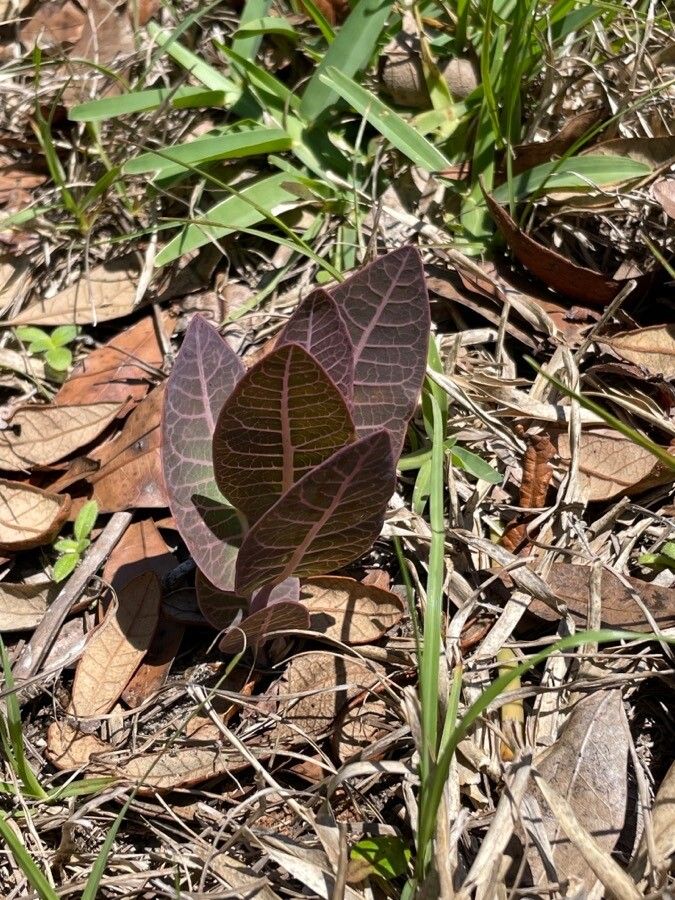
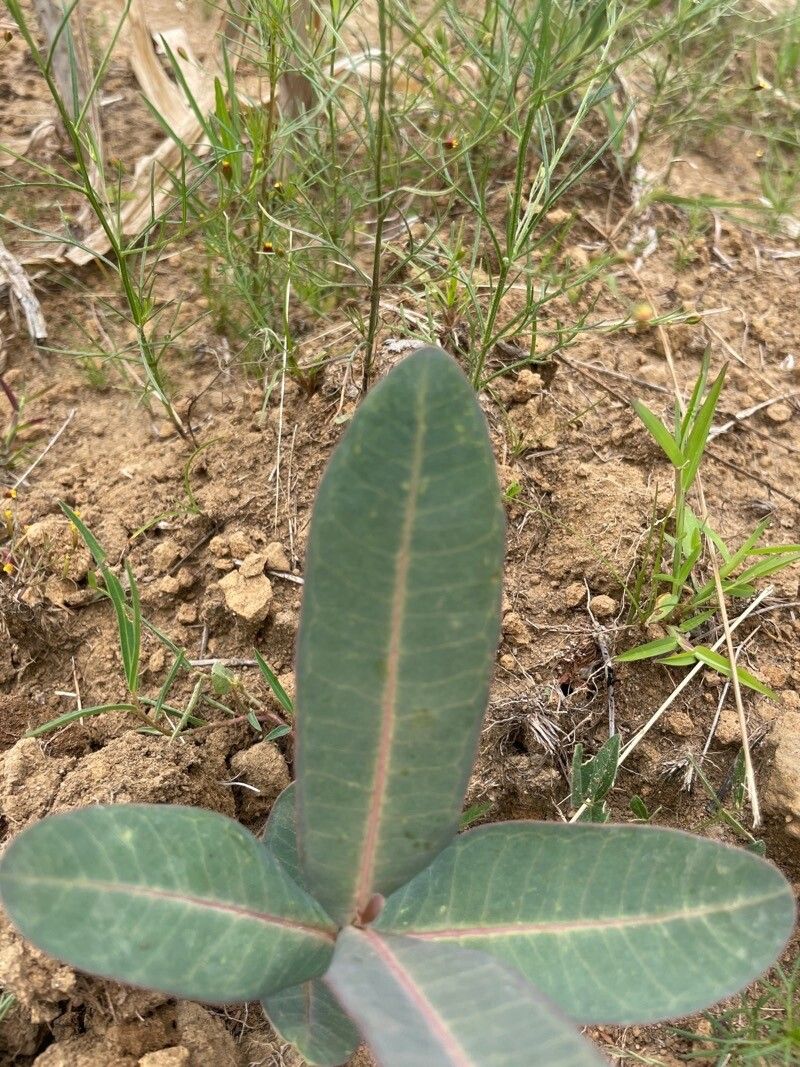
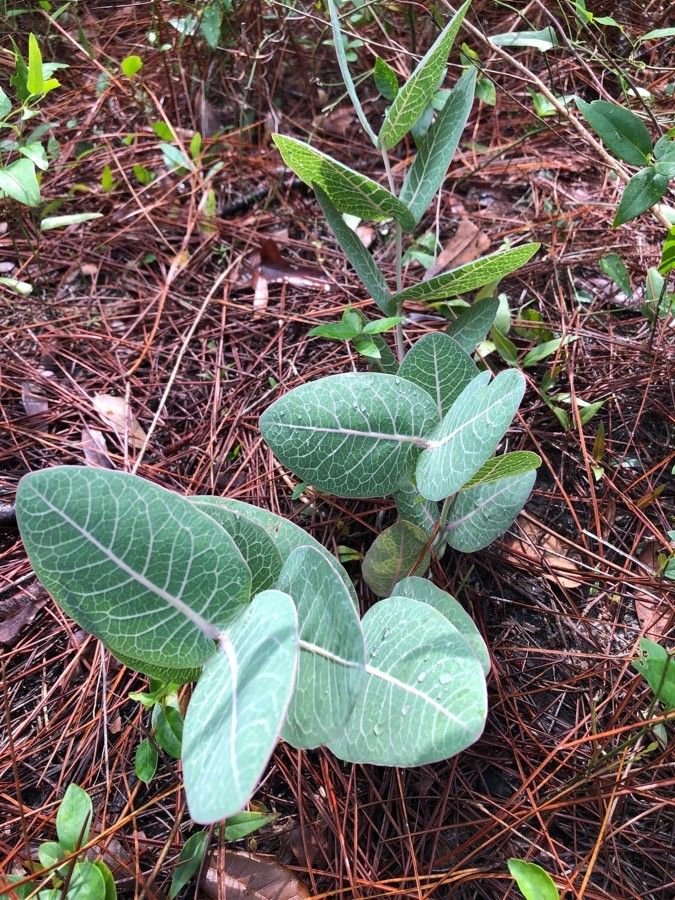
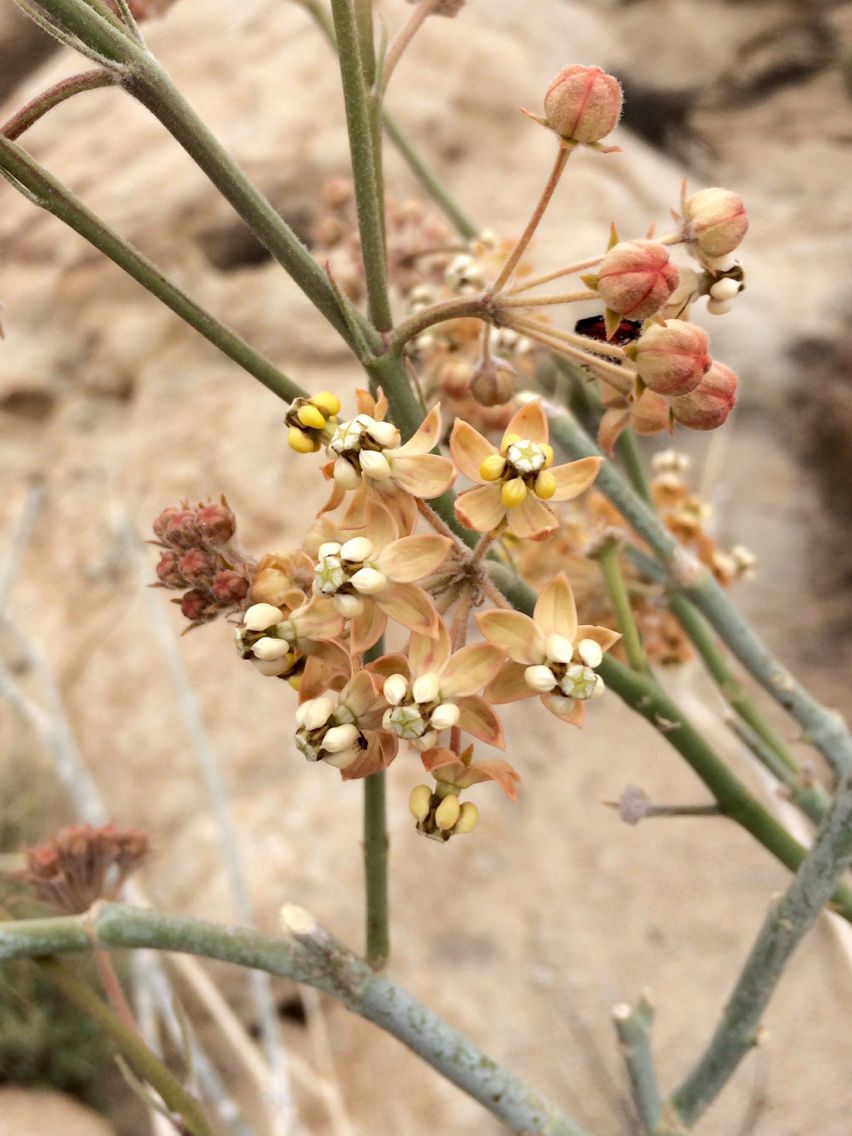
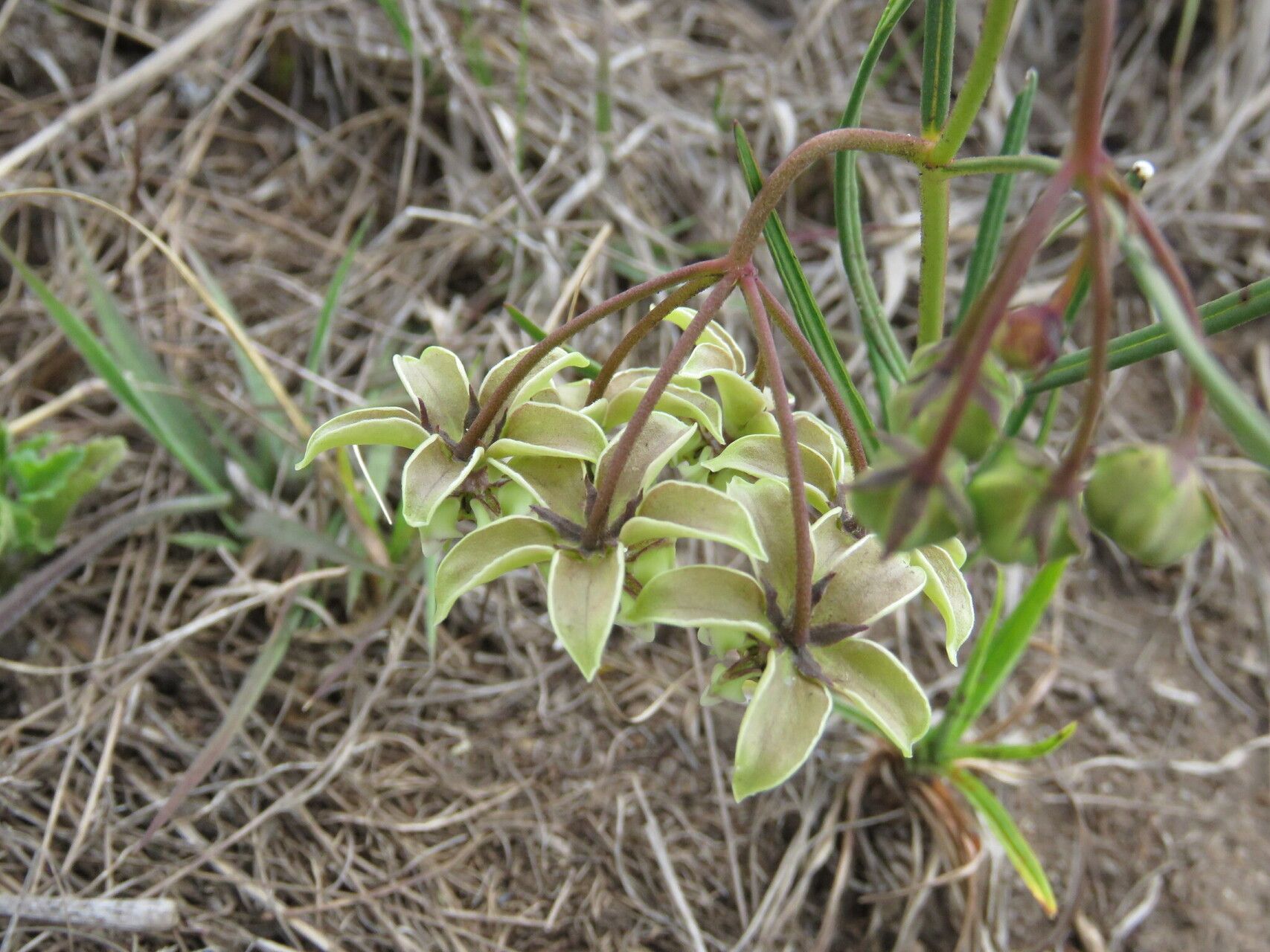
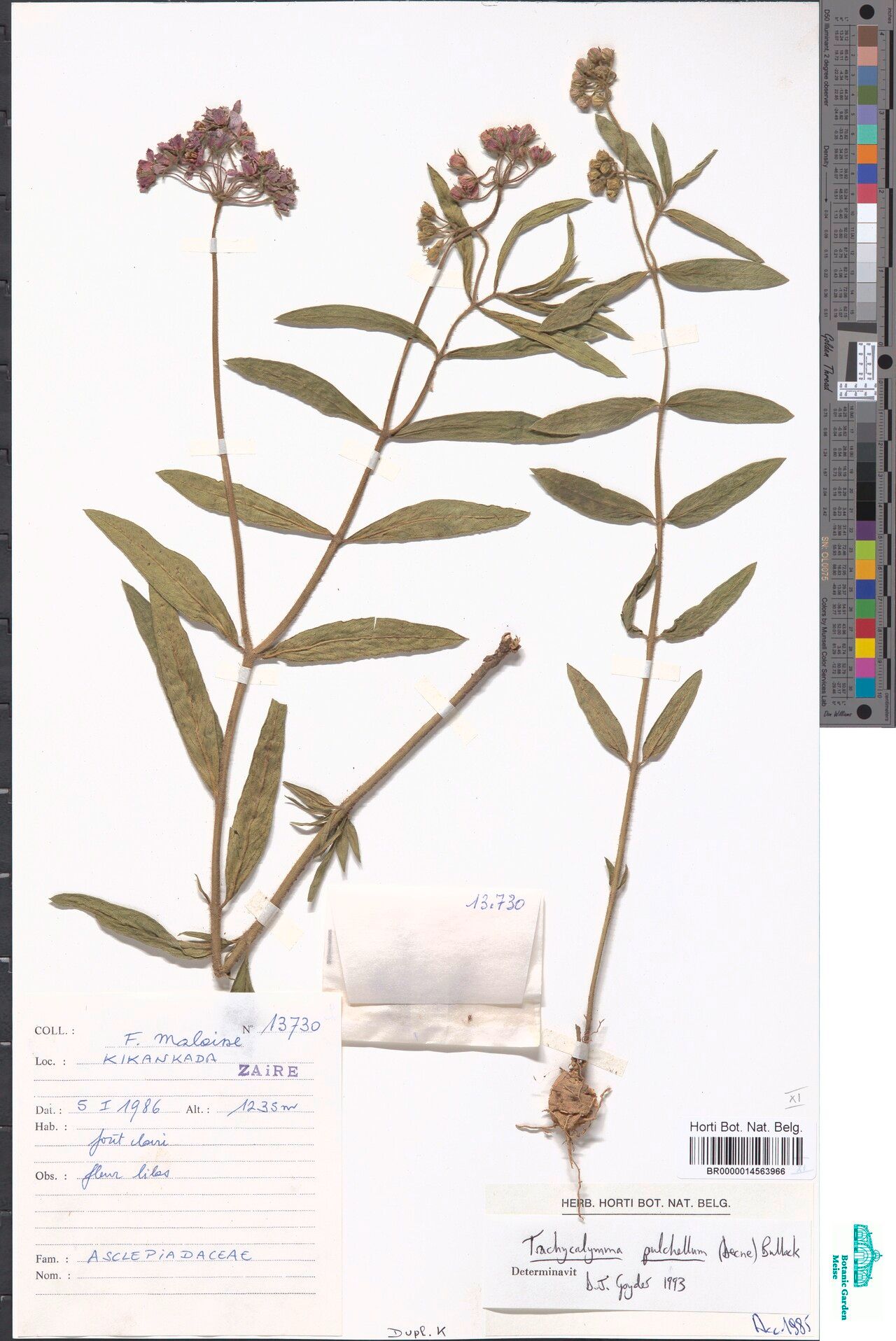
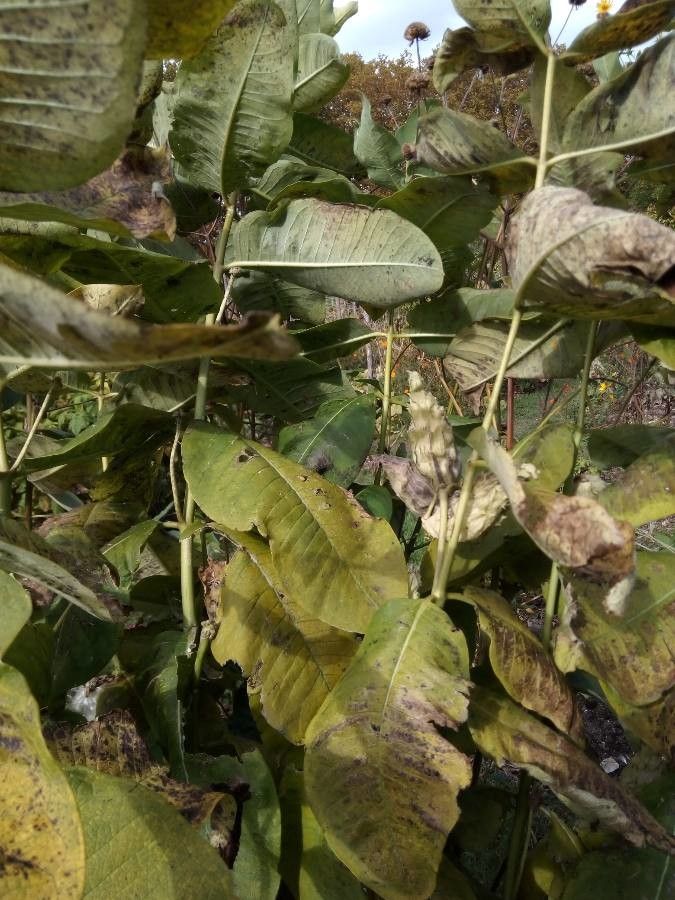
Asclepias humistrata, commonly known as pinewoods milkweed, is a perennial herbaceous plant in the milkweed family. Native to the southeastern United States, it thrives in pine savannas, sandhills, and other dry habitats.
Typically growing up to 2 feet tall, this plant has a clumping growth habit with multiple stems emerging from a single rootstock. Its narrow, lance-shaped leaves boast a smooth surface that varies in color from light green to gray-green.
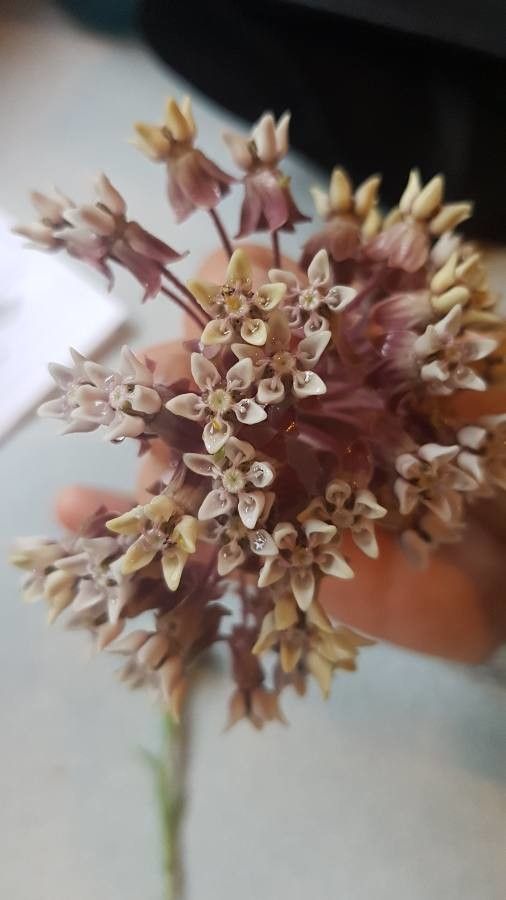
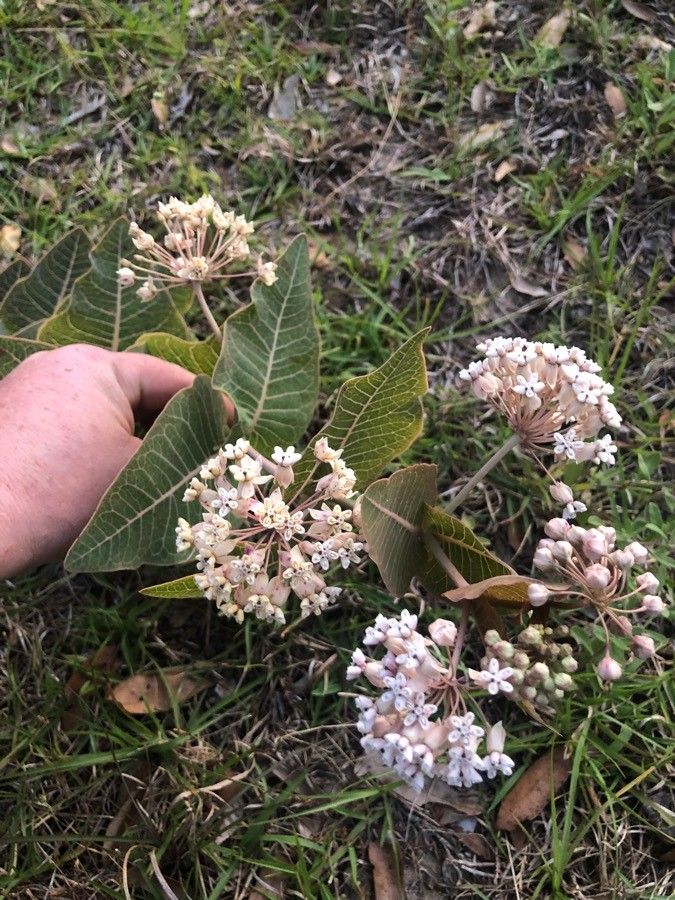
Asclepias humistrata produces small clusters of pink or lavender flowers that bloom from late spring through summer. These flowers are highly attractive to pollinators, including bees, butterflies, and hummingbirds.
One unique feature of this plant is its ability to produce latex sap, which contains toxic compounds called cardiac glycosides. These compounds render Asclepias humistrata unpalatable to most herbivores but make it an essential food source for monarch butterfly larvae, which have evolved an immunity to these toxins.
Overall, Asclepias humistrata is an important native species that supports pollinators such as monarch butterflies while adding aesthetic value to gardens and natural areas with its attractive foliage and blooms.
Pinewoods Milkweed has strong disease resistance and is generally not prone to illnesses. Still, it can be susceptible to pests and diseases present in its surroundings. These problems are typically not severe. In terms of care, the plant requires moderate maintenance. It should be pruned regularly to maintain a good appearance and healthy growth. Fertilizing can also help encourage flowering. Pinewoods Milkweed is suitable for anyone with outdoor space, such as a garden or patio, and does not require extensive care experience. It may need more attention when grown indoors.
How to keep Asclepias Humistrata.
Light
Pinewoods Milkweed prefers locations with unobstructed sunlight. It thrives in conditions that recreate its native habitat, which lacks natural shade. Both insufficient and excessive light can harm its growth.
Water
Pinewoods Milkweed flourishes in sandy soils and requires consistent moisture, needing to be watered weekly to simulate natural rainfall. As an herbaceous perennial, regular watering is beneficial during its active growing season. Indoors, Pinewoods Milkweed thrives in a humid environment that mimics its natural habitat.
Temperature
Pinewoods Milkweed favors temperate climates and is adapted to temperatures from 32 to 90 °F (0 to 32 ℃). During colder periods, providing insulation and retaining heat are essential to maintain its growth.
Fertilizer
The best time to fertilize Pinewoods Milkweed is in early spring, as it comes out of dormancy and begins active growth. Fertilizing supplies important nutrients for healthy development. Although Pinewoods Milkweed has relatively low fertilizer needs, giving it a yearly feeding can improve its survival and encourage better, longer-lasting blooms.
Pruning
To ensure the health of pinewoods milkweed, regularly remove any infected plants and wilting leaves. In tropical or subtropical climates, trim the branches in early spring to promote growth. Keep in mind that pinewoods milkweed is highly toxic, so always wear gloves when handling it, keep it out of reach of children, and avoid ingesting it.
Botanical profile.
- Plant Type
- Herb
- Life Cycle
- Perennial
- Genus
- Asclepias
- Family
- Apocynaceae
- Hardiness Zone
- 3-8
- Mature Height
- 30 cm to 91 cm
- Mature Spread
- 61 cm
- Leaf Color
- Green, Gray, Purple
- Leaf Type
- Evergreen, Deciduous
- Flower Color
- White, Pink
- Flower Size
- 2.54 cm
- Bloom Time
- Mid spring, Late spring, Early summer
- Planting Time
- Autumn, Spring
- Harvest Time
- Mid summer, Late summer, Early fall
Other names.
Reader questions.
What are the sunlight requirements for thriving Pinewoods Milkweed plants?
Pinewoods Milkweed plants flourish under specific sunlight conditions to mimic their natural habitat. Full sun, characterized by more than 6 hours of direct sunlight a day, is essential for optimal growth. However, these plants can also tolerate partial sun, receiving around 3-6 hours of sunlight daily. It's important to observe the movement of sunlight through your garden to identify spots that offer a perfect balance of light and shade, ensuring the well-being of your plants.
What are the ideal temperature conditions for Pinewoods Milkweed?
Pinewoods Milkweed, or Asclepias humistrata, thrives best in temperate climates, with ideal growing temperatures ranging from 32 to 90 °F (0 to 32 °C). It has a robust cold resistance, making special frost protection measures generally unnecessary. However, in the event of temperatures dropping below the lower limit for growth, measures such as covering the plant with soil or straw should be taken to provide cold protection. Moreover, it's advisable to water the plant abundantly before the first freeze in autumn to ensure the soil remains moist and enters a frozen state, which helps prevent drought and water scarcity for the plant during winter and early spring.
What essentials should one know about Pinewoods Milkweed regarding its sunlight and artificial lighting requirements?
Pinewoods Milkweed thrives in unobstructed sunlight, which is crucial for its growth. In situations where natural sunlight is lacking, such as during winter or in less sunny spaces indoors, artificial lighting can serve as an effective alternative. Optimal growth is achieved with artificial lighting by selecting the right type of light, such as LED lights, which can mimic the specific wavelengths required by the plants. The intensity of artificial light needed varies by plant type: full sun plants require 30-50W/sq ft, partial sun plants need 20-30W/sq ft, and full shade plants 10-20W/sq ft. Proper placement of light sources, ideally 12-36 inches above the plant, and mimicking natural daylight hours, generally 8-12 hours per day, are also crucial.
How does low temperature affect Pinewoods Milkweed, and what are the solutions?
Pinewoods Milkweed exhibits strong cold tolerance and performs best when temperatures are above a certain minimum suitable growth temperature. It should be kept above a tolerable growing temperature minimum during winter. If temperatures fall below the lower growth limit, the plant might not show noticeable changes immediately, but a decrease in sprouting or lack of sprouting may be observed during spring. To address this issue, any parts of the plant that have failed to sprout by spring should be removed.
What symptoms indicate Pinewoods Milkweed is not receiving adequate sunlight?
When Pinewoods Milkweed does not receive enough sunlight, several symptoms might emerge, illustrating the plant's struggle. These include decreased leaf size, leggy or sparse growth, accelerated leaf drop, reduced or ceased new growth, lighter-colored or irregularly patterned new leaves showcasing a lack of chlorophyll, and symptoms of overexposure such as chlorosis, sunscald, leaf curling, wilting, and leaf scorching. These signs show the plant's inability to perform photosynthesis effectively due to either inadequate or excessive sunlight.
How does high temperature affect Pinewoods Milkweed, and what are the solutions?
During the summer, it is important to keep Pinewoods Milkweed below a certain maximum suitable growth temperature. Exceeding a tolerable growing temperature maximum can cause the plant's leaves to lighten in color, curl, and become susceptible to sunburn. In severe cases, the plant might wilt and dry up. To prevent damage due to high temperatures, trim away sunburned and dried-up parts of the plant. Additionally, moving the plant to a shaded location or using a shade cloth can protect it from midday and afternoon sun. Ensuring the soil is kept moist by watering in the morning and evening can also help mitigate the effects of high temperatures.
How can one address the symptoms of inadequate sunlight exposure in Pinewoods Milkweed?
To combat symptoms of inadequate sunlight exposure in Pinewoods Milkweed, consider gradually moving the plants to sunnier spots, both indoors and outdoors, ensuring they receive at least 6 hours of direct sunlight daily. For indoor plants that are large or hard to move, using a desk or ceiling lamp for at least 8 hours daily or investing in professional grow lights can provide sufficient artificial light. When improving outdoor sunlight exposure, gradual relocation prevents sunburn. Reducing sunlight obstructions, like pruning obstructive tree branches, and transplanting smaller plants during their dormant periods to sunnier locations with good drainage can significantly enhance their growth. Be aware that parts of the plants previously affected by insufficient sunlight may not recover, but new growth should be healthy.