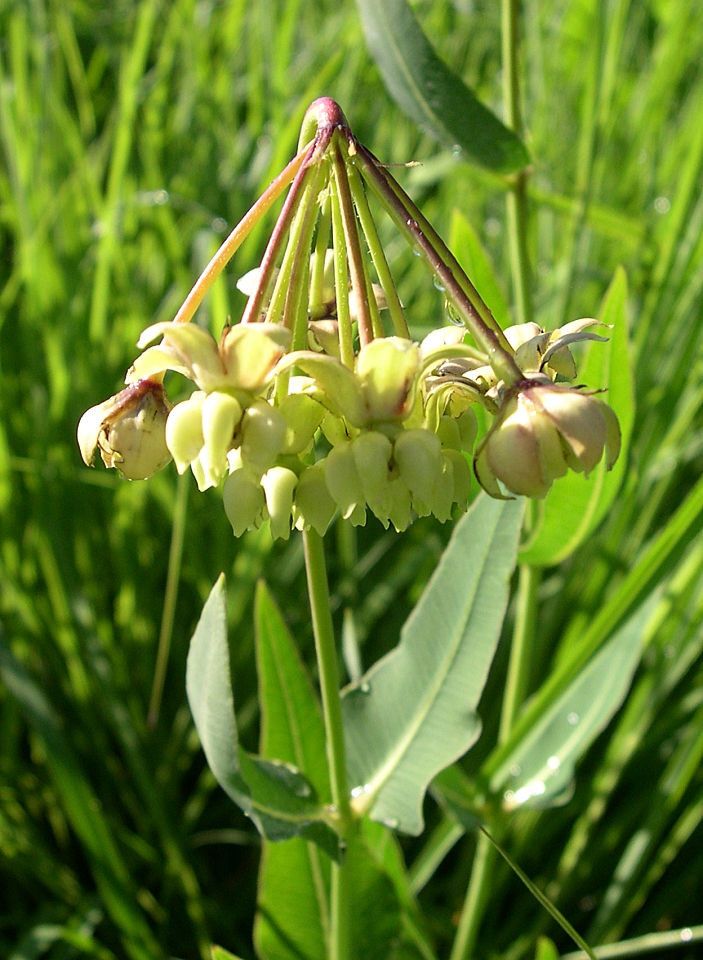
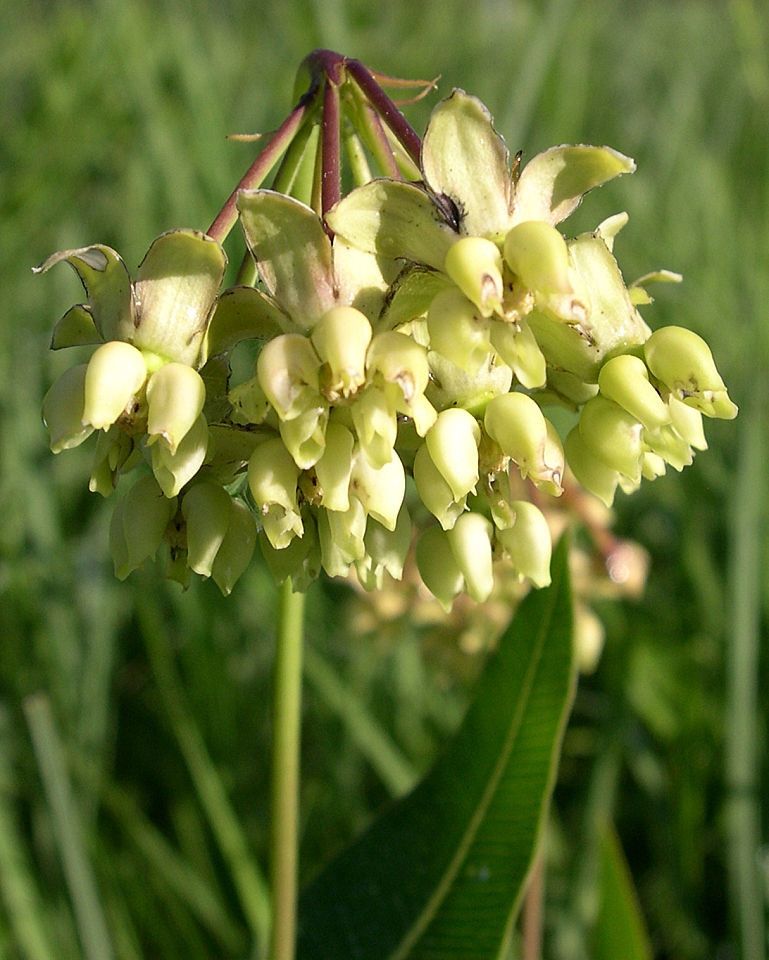
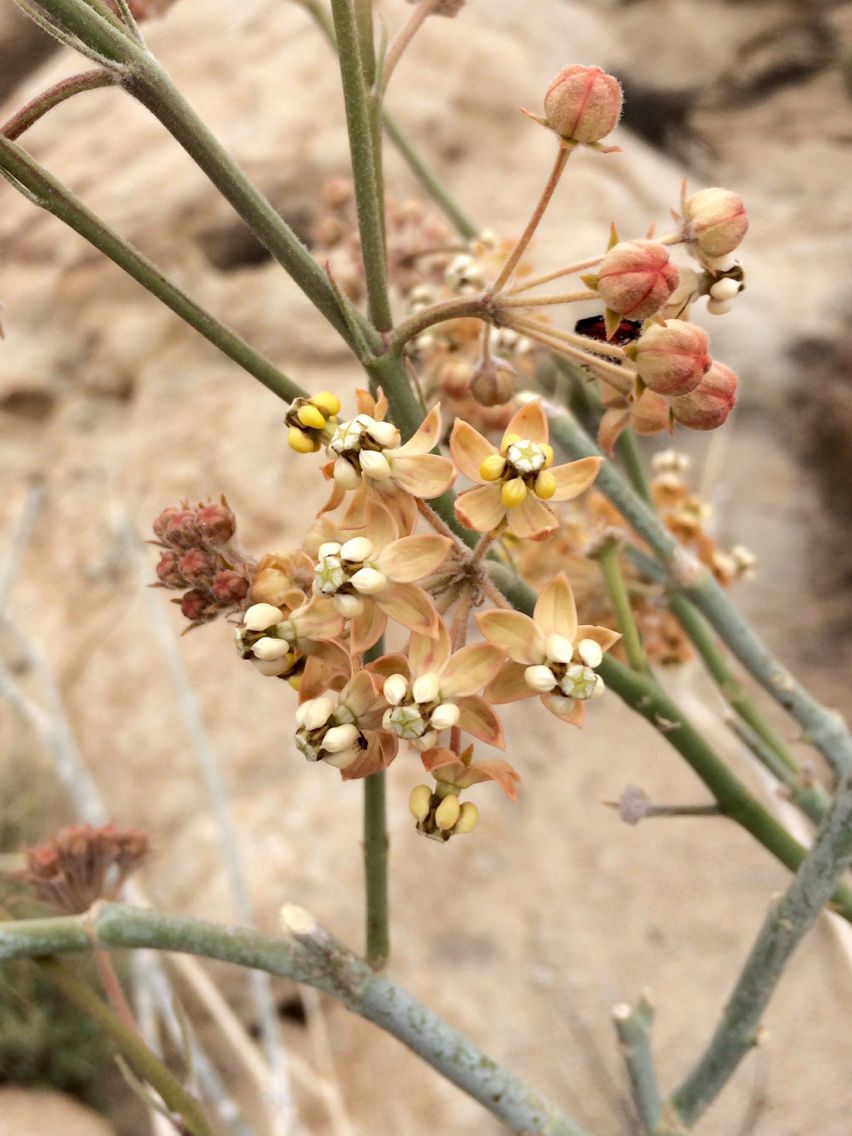
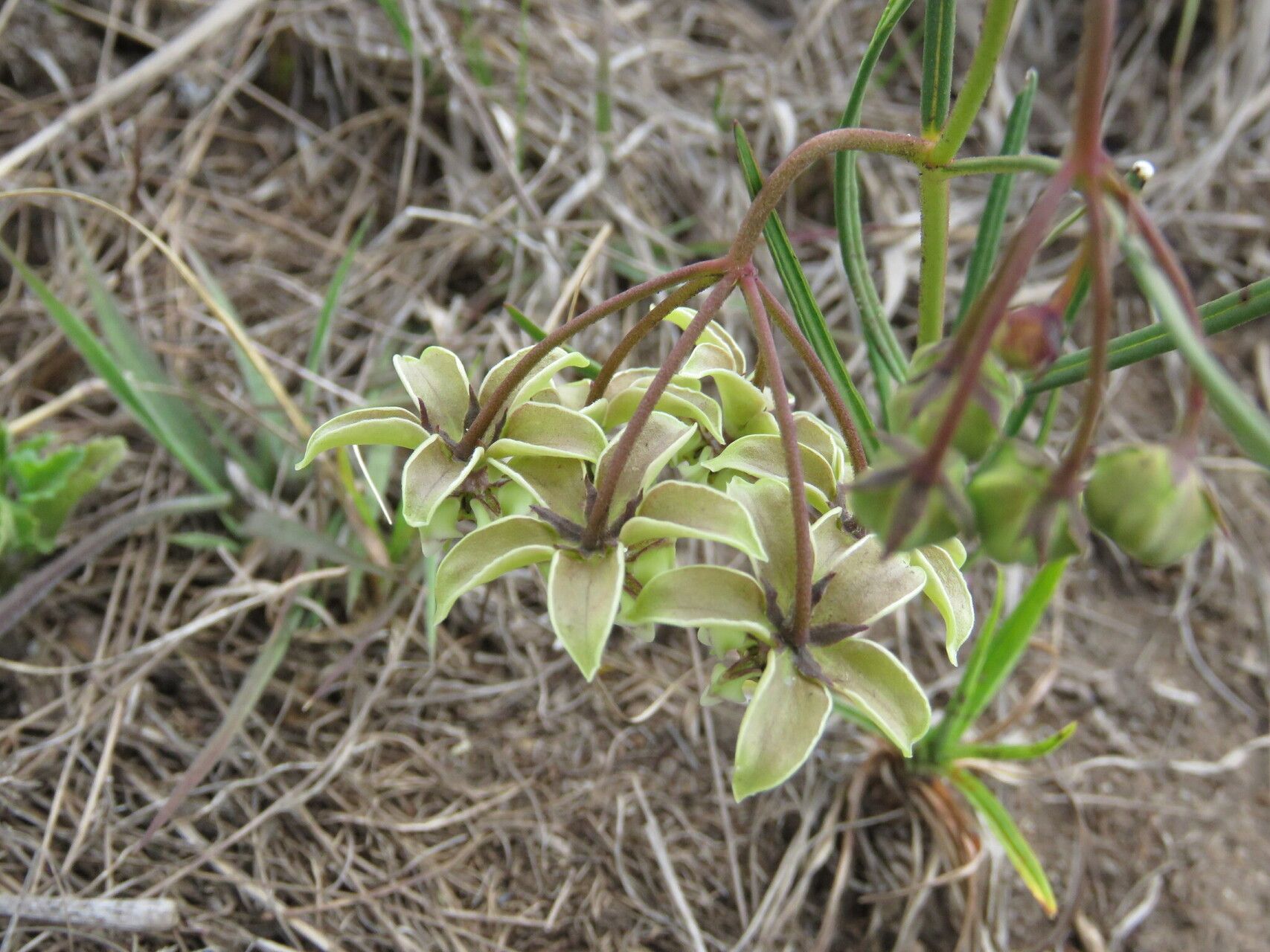
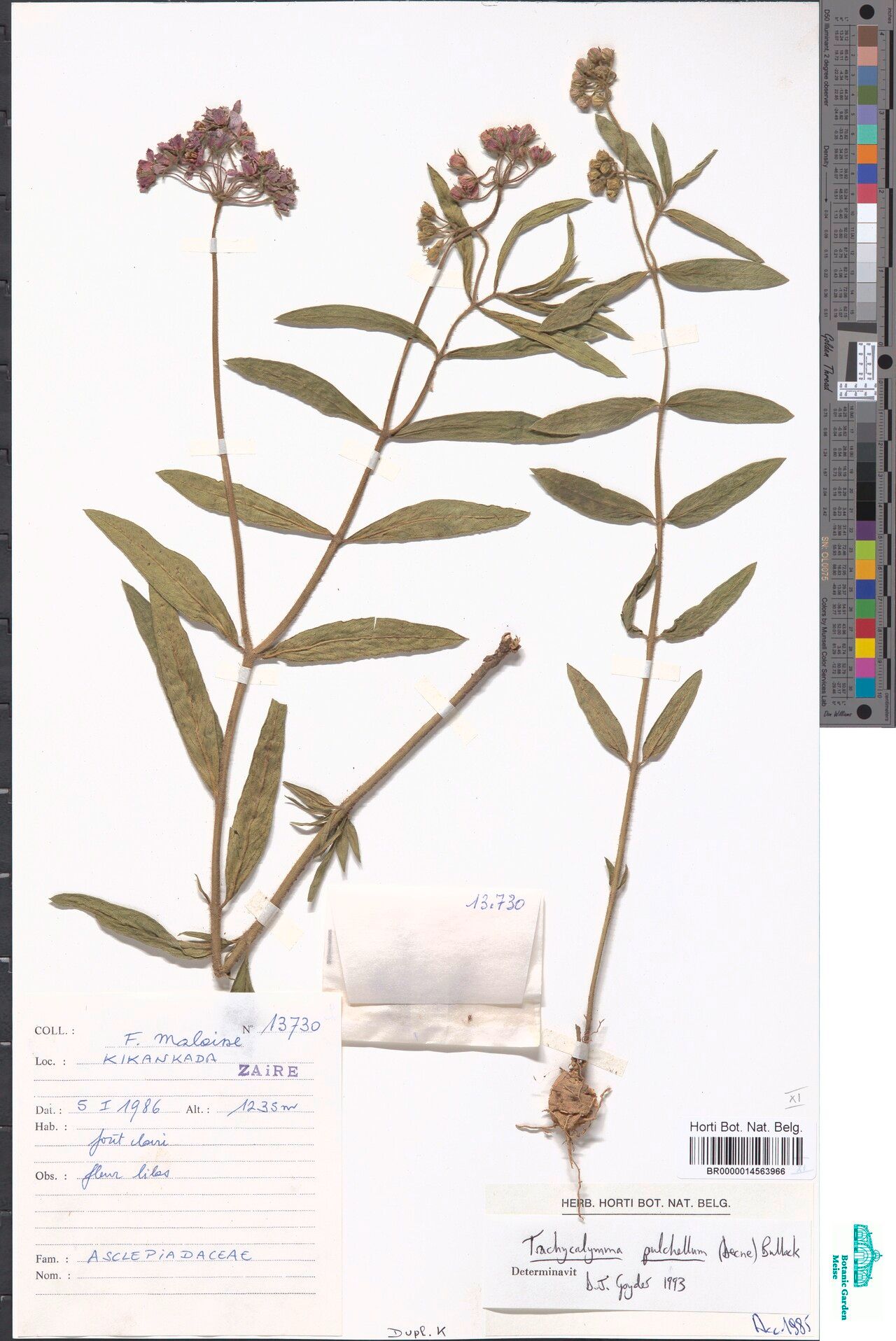
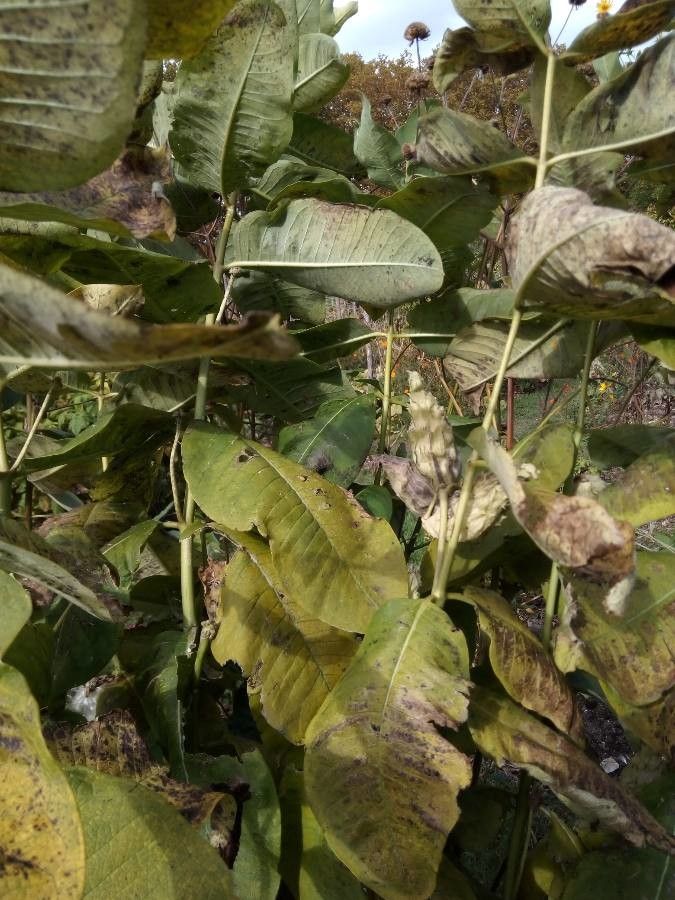
Asclepias meadii is a rare species of milkweed known by the common name Mead's milkweed. It is native to the American Midwest, where it was probably once quite widespread in the tallgrass prairie. Today much of the Midwest has been fragmented and claimed for agriculture, and the remaining prairie habitat is degraded.The plant is a federally listed threatened species due to this destruction of its habitat. Factors contributing to its rarity include mowing and plowing, highway expansions, erosion, loss of a natural prairie fire regime, pesticides directly applied or drifting from nearby agricultural operations, invasive plant species, trampling by hikers and off-road vehicles, loss of native insect pollinators, deer herbivory, and predation by a number of insect species, including the non-native oleander aphid.
Mead's milkweed has strong resistance to disease and is generally not likely to suffer from illnesses. Still, it can be vulnerable to pests and diseases found in its environment. When infections do occur, they are typically not serious. Regarding care, this plant requires moderate maintenance. It should be pruned on a regular basis to keep a neat appearance and encourage healthy growth. Applying fertilizer can also help stimulate flowering. Mead's milkweed is well suited for anyone with outdoor space, such as a garden or patio, and does not demand extensive gardening experience. It may need more attention if grown indoors.
How to keep Asclepias Meadii.
Light
Mead's milkweed is a sun-loving, perennial herbaceous plant that originates in open habitats and is commonly found in meadows and grasslands. It prefers full sun but can also tolerate partial sun.
Temperature
Mead's milkweed does well in cold climates and at high elevations. It prefers cool temperatures, good airflow, and a moist environment. In summer, steps should be taken to keep it cool, since it is highly sensitive to heat and can easily die from it. Dry conditions can also damage the plant. In winter, no particular cold protection is necessary, but soil moisture should be maintained.
Fertilizer
The best time to fertilize a Mead's milkweed is in early spring, when it is coming out of dormancy and beginning active growth. Fertilization supplies essential nutrients needed for healthy growth. Although Mead's milkweed has fairly low fertilization requirements, applying fertilizer once a year can improve its survival and promote better, longer-lasting flowers.
Pruning
To ensure the health of Mead's milkweed, promptly remove any infected plants and wilting leaves. In tropical climates, prune the branches in early spring to encourage growth. Because Mead's milkweed is toxic, it is important to handle it with gloves, keep it away from children, avoid direct contact, and never ingest it.
Botanical profile.
- Plant Type
- Herb
- Life Cycle
- Perennial
- Genus
- Asclepias
- Family
- Apocynaceae
- Hardiness Zone
- 4-7
- Mature Height
- 40 cm
- Mature Spread
- 15 cm to 30 cm
- Leaf Color
- Green, Dark Green
- Leaf Type
- Deciduous
- Flower Color
- White
- Flower Size
- 1.27 cm to 1.78 cm
- Bloom Time
- Early summer, Mid summer
- Planting Time
- Spring, Summer
- Harvest Time
- Late summer, Early fall, Mid fall
Other names.
Reader questions.
What are the sunlight requirements for Mead's milkweed?
Mead's milkweed thrives in conditions where it can receive full sun for more than 6 hours a day but can also grow well in partial sun, with about 3-6 hours of sunlight. It's important to observe your garden's light conditions closely, as the right balance of light and shade can significantly influence the plant's health.
What are the ideal growing conditions for Mead's milkweed?
Mead's milkweed, or Asclepias meadii, flourishes in cold regions and high-altitude areas. It prefers cool temperatures, ample ventilation, and a moist environment. To ensure its health during the warm summer months, it is crucial to implement cooling measures, as the plant is highly susceptible to heat and may perish if exposed to high temperatures. Additionally, Mead's milkweed does not thrive in dry conditions. Despite its high tolerance for cold, requiring no extra frost protection in winter, it is important to water the plant generously before the first freeze in autumn to keep the soil moist throughout the winter and early spring.
What kind of environment does Mead's milkweed originate from?
Mead's milkweed is a perennial herbaceous plant that originates from open habitats, such as meadows and grasslands. This sun-loving plant prefers full sun exposure but is tolerant of partial sun conditions, making it adaptable to various outdoor growing environments.
What should be done if Mead's milkweed is exposed to temperatures below its growth limit in winter?
If the winter temperature drops below Mead's milkweed's growth threshold, it might not show immediate signs of distress, but there could be a noticeable decrease in sprouting or even a complete absence of sprouting in the following spring. To mitigate this, affected parts that have failed to sprout by spring should be removed to promote healthy growth.
How can I use artificial lighting for Mead's milkweed indoors?
When natural sunlight is insufficient, especially during winter or in less sunny spaces, artificial lighting can be essential for the growth of indoor plants like Mead's milkweed. LED lights are recommended due to their ability to provide specific wavelengths needed by plants. Requirements vary with full sun plants needing 30-50W/sq ft, partial sun plants requiring 20-30W/sq ft, and full shade plants needing 10-20W/sq ft of artificial light. The light should be placed 12-36 inches above the plant, mimicking natural sunlight as closely as possible for 8-12 hours daily.
How to care for Mead's milkweed during high temperatures?
Mead's milkweed struggles in high temperatures and may suffer from halted growth and increased susceptibility to rot if exposed to heat above its maximum tolerable limit. To protect the plant under such conditions, any sunburned or dried-up parts should be trimmed away. It is advisable to move the plant to a shaded location, particularly from the midday and afternoon sun, or use a shade cloth for protection. Ensuring the soil remains moist by watering the plant in the morning and evening is also crucial.
What are the symptoms of light deficiency in Mead's milkweed?
Symptoms of light deficiency in Mead's milkweed include smaller new leaves, leggy or sparse growth, early leaf drop, slower or stopped new growth, lighter-colored new leaves, chlorosis, and symptoms of too much light like sunscald, leaf curling, wilting, and leaf scorching. These symptoms indicate the plant is not receiving optimal light levels, impacting its growth and health.
How can I address light deficiency in Mead's milkweed?
To address light deficiency in Mead's milkweed, gradually move your plant to sunnier locations to ensure it receives at least 6 hours of direct sunlight daily. For indoor plants, consider using a south-facing window or artificial lighting solutions like desk or ceiling lamps, or professional plant grow lights for at least 8 hours daily. For outdoor plants, it's crucial to make gradual changes to avoid sunburn. Also, identifying and removing obstructions or transplanting to sunnier spots can help outdoor plants get the light they need for healthy growth.