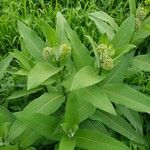
Asclepias purpurascens
Purple Milkweed · Purple Asclepias · Asclépiade Pourprée (FR)
Description
Source: leafsnapAsclepias purpurascens, the purple milkweed, is a herbaceous plant species. It is in the genus Asclepias, making it a type of milkweed. It is native to the Eastern, Southern and Midwestern United States similar to the range of the common milkweed (Asclepias syriaca). The plant gets its name from the flowers that first develop a pink color but then turn darker purple as they mature. Unlike common milkweed, purple milkweed prefers some shade and is considered a plant of partial shade. It is also considered an indicator of oak savanna, especially in Wisconsin. The species rarely produces seed pods which are smooth instead of the rough warty ones produced by common milkweed.
Care Guide
💧 Water Every 1-2 weeks
Purple milkweed, native to the grasslands of North America, thrives in drier conditions and should be watered every 1-2 weeks, allowing the soil to partially dry out between waterings. Indoors, it flourishes when provided with plenty of light and well-draining soil. During its active growth phase, it requires consistent moisture to produce vibrant flowers.
How should I water my Purple milkweed?
To best care for the Purple milkweed, use filtered water at room temperature. Tap water may have harmful particles, so it's better to avoid using it. The Purple milkweed is accustomed to warmth, so using cold water can be a shock to its system. Avoid overhead watering to prevent foliage complications. Instead, thoroughly soak the soil with filtered room temperature water. This helps the roots stay moisturized and spread through the soil to gather nutrients.
What should I do if I give my Purple milkweed too much or too little water?
Overwatering and underwatering can harm your Purple milkweed, but overwatering is more common and poses greater risks. When the plant receives excessive water, its stems and leaves may wilt and turn yellow. Prolonged overwatering can also lead to diseases like root rot, mold, and mildew, which can be fatal to your plant. On the other hand, underwatering is less likely for the Purple milkweed as it is somewhat drought-tolerant. However, it is still possible, and when it occurs, the leaves may become brittle and brown. To care for your Purple milkweed, it is important to recognize the signs of overwatering early. Some diseases caused by overwatering may be irreversible if prompt action is not taken. If you notice initial signs of overwatering, reduce your watering schedule and check the soil's drainage. If the soil drains poorly, replace it with a loose, well-draining potting mix. Conversely, if you observe signs of underwatering, simply increase your watering frequency until the signs improve.
How often do I need to water my Purple milkweed?
If your Purple milkweed is in a pot, the most precise way to determine if it needs water is by checking the moisture level of the soil. Simply stick your finger into the soil, and if the top two to three inches are dry, then it's time to water it. If you have your Purple milkweed planted in the ground outdoors, you can use a similar method to test the soil. Again, if the top few inches of soil have dried out, it's time to water. Typically, during the spring and early fall, this plant will need watering about once a week. However, in extremely hot weather, you may need to increase watering to twice a week or more. Nevertheless, mature, well-established Purple milkweed has a remarkable ability to withstand drought.
How much water does my Purple milkweed plant need?
To water your Purple milkweed effectively, don't be afraid to give it a generous amount of water. Wait until the first two to three inches of soil are dry, then water the plant thoroughly. Make sure to pour enough water to saturate the entire soil, causing excess water to drain from the pot's holes at the bottom. If you don't see any excess water draining, it means you haven't watered the plant enough. However, be cautious not to let the water accumulate inside the soil, as this can harm the plant. On the other hand, if water doesn't drain through the pot, it might indicate poorly draining soil, which is harmful to the plant's health. In outdoor conditions, receiving 1 inch of rain per week will suffice.
How do I water my Purple milkweed as it grows at different stages?
The water needs of the Purple milkweed can vary depending on its growth stages. When the plant is young or has been recently transplanted, it requires more water than usual. This is because during these stages, the Purple milkweed focuses on developing new roots, which need extra moisture to support future growth. As the plant matures, its water requirement decreases. However, during the bloom period, when the flowers are developing, the Purple milkweed may need additional water due to increased moisture consumption for optimal flower growth.
☀️ Light Full sun
Purple milkweed prefers sites with abundant sunlight, although it can tolerate areas where light becomes softly diffused over the course of the day. Coming from habitats defined by plentiful sun, its health and growth may suffer if it gets too little light or, on the other hand, too much.
What are the sunlight requirements for Purple Milkweed?
Purple Milkweed requires full sun, which amounts to more than 6 hours of sunlight daily, but it can also thrive in partial sun, approximately 3-6 hours of sunlight. It's crucial to monitor how sunlight moves through your garden to find the ideal location that offers a balance of light and shade, ensuring the plants' health and happiness.
How does Purple Milkweed respond to different light conditions?
Purple Milkweed prefers abundant sunlight but is capable of adapting to areas where light is more diffuse. Originating from well-lit habitats, its well-being and growth may falter if it's either under or overexposed to light. For indoor plants, when natural light is insufficient, particularly during winter or in less sunny areas, artificial lighting can be a lifesaver by promoting healthier, more robust growth. Selecting the correct type of artificial light, like LED lights, and adjusting the light intensity (30-50W/sq ft for full sun plants, 20-30W/sq ft for partial sun, and 10-20W/sq ft for full shade plants), positioning (12-36 inches from the plant), and duration (8-12 hours daily) is essential.
What are the primary symptoms of inadequate lighting for Purple Milkweed?
Inadequate lighting can lead to several symptoms in Purple Milkweed, including smaller new leaves, leggy or sparse growth, faster leaf drop, slowed or halted growth, paler or irregularly colored new leaves, chlorosis (yellowing of leaves), sunscald damage to leaves or stems, leaf curling, wilting, and leaf scorching with brown, dry edges. These symptoms indicate either a lack of sufficient light or too much direct sunlight.
What are the solutions for Purple Milkweed experiencing light-related issues?
To address light-related issues in Purple Milkweed, gradually acclimate indoor plants to receive at least 6 hours of direct sunlight by moving them to a sunnier spot each week. Utilize a south-facing window and keep curtains open during the day. Consider artificial lighting for plants that are too large or not easily movable. Outdoors, adapt plants to brighter conditions by gradually relocating them to sunnier spots to prevent sunburn. Prune obstructions like tree branches to improve sunlight exposure or consider transplanting smaller plants during their dormant period to areas with better light and drainage. It's important to note that parts of the plant damaged by insufficient light may not recover fully, but new growth should be healthy with improved light conditions.
🌡️ Temperature 0–35°C
Purple milkweed comes from temperate regions and does best in temperatures of 32 to 95°F (0 to 35℃). It favors full sun, which helps it withstand tough conditions and adapt to seasonal temperature shifts. Rapid dips below freezing should be avoided.
What is the native climate of Purple Milkweed?
Purple milkweed is native to temperate climates, thriving in a temperature range from 32 to 95°F (0 to 35°C). It is capable of acclimating to harsh conditions through full sunlight exposure, making it adaptable to seasonal temperature variations. While it has strong cold resistance and typically does not require special frost protection measures, unexpected drops below freezing should be avoided to maintain its health.
How should Purple Milkweed be protected during extreme winter conditions?
During winters with temperatures expected to drop below -35°C, it is important to protect Purple Milkweed from the cold. This can be achieved by covering the plant with insulating materials such as soil or straw. Additionally, watering the plant abundantly before the first freeze of autumn is recommended. This ensures the soil remains moist and enters a frozen state, helping to prevent drought and water scarcity for the plant during the winter and early spring periods.
What are the important symptoms and solutions for Purple Milkweed in low temperatures?
Purple Milkweed is cold-tolerant, doing best when the temperature remains above 0°C and should ideally be kept above -30°C during winter. If temperatures fall below -35°C, the plant may not show immediate changes but could exhibit decreased sprouting or fail to sprout at all in spring. In such cases, removing parts that have failed to sprout in the spring is the recommended solution.
What are the important symptoms and solutions for Purple Milkweed in high temperatures?
In high temperatures, specifically during summer when temperatures exceed 38°C, Purple Milkweed may display symptoms such as lighter-colored leaves, curling, susceptibility to sunburn, and in severe cases, wilting and dryness. To address this, trim away sunburned and dried parts, move the plant to a shaded area away from midday and afternoon sun, or use a shade cloth for protection. Ensuring the soil remains moist by watering the plant in the morning and evening is also crucial for its well-being during high temperatures.
What are the botanical characteristics of Purple Milkweed?
Purple Milkweed, scientifically known as Asclepias purpurascens, is a plant native to temperate climates. It thrives in temperatures between 32 to 95°F (0 to 35°C) and is known for its cold tolerance and adaptability to full sunlight exposure, which helps it adjust to seasonal temperature fluctuations. The plant demonstrates resilience to harsh conditions, making it a hardy species within its genus.
💨 Humidity normal (40-60%)
This plant will thrive in moderate humidity, which is probably the level in your home. However, misting it a few times a week can be very beneficial. Make sure the room has good ventilation.
🪴 Soil 6-7
🌱 Fertilizer
The best time to fertilize a Purple milkweed is in early spring, when it is coming out of dormancy and starting active growth. Fertilizing supplies essential nutrients for healthy development. Although Purple milkweed has relatively low fertilizer requirements, an annual application can boost its survival and encourage better, longer-lasting blooms.
Why is it important to add fertilizer to my Purple milkweed?
To ensure vibrant and healthy leaves on your Purple milkweed, fertilization is crucial. By properly fertilizing, you can maintain consistent color and a healthy texture in the leaves. Additionally, fertilization goes beyond surface-level benefits. It promotes the growth of new roots and helps maintain the existing root system. This not only keeps your plant healthy in the present but also enhances its ability to absorb soil nutrients in the long run.
When should I fertilize my Purple milkweed for the best results?
If you grow Purple milkweed outdoors, new growth will appear in early spring, indicating it's time to fertilize. Usually, a single application of fertilizer in the spring is sufficient for the plant to thrive. However, if you want to promote maximum growth, you can fertilize multiple times during spring and early summer, ideally once every month to a month and a half.
When should I not use fertilizer on my Purple milkweed?
During late fall and winter, your Purple milkweed goes into a dormant phase and does not produce new growth. Therefore, avoid fertilizing it during this period. In spring and summer, if you decide to fertilize, gradually decrease the frequency as summer approaches because the growth rate of your Purple milkweed slows down. It is generally not advisable to fertilize your Purple milkweed during unusually hot weather or when the soil is extremely dry, as this can stress the plant and result in early death.
What kind of fertilizer does my Purple milkweed require?
Choosing the best fertilizer for a Purple milkweed is actually quite simple. These plants thrive on a general-purpose garden fertilizer with equal amounts of nitrogen, phosphorus, and potassium, such as a 10-10-10 ratio. Avoid fertilizers with high nitrogen levels if you're unsure. The majority of recommended fertilizers for Purple milkweed are granular and slow-release, making them easy to apply to the soil. Additionally, feeding your Purple milkweed with organic soil amendments like compost can also be beneficial.
How should I give nutrition to my Purple milkweed?
To properly fertilize your Purple milkweed, wait until its first leaves have emerged in early spring. Apply a granular slow-release fertilizer with a balanced formula to the soil around the plant's base. You can repeat this process later in the season if desired. When reapplying fertilizer, ensure it is applied to the soil at the base of the plant, rather than directly onto the plant. You may need to move some leaves aside to access the soil above the roots. It is also beneficial to water your Purple milkweed before and after fertilizing.
🪴 Pot & Repot
✂️ Pruning
Purple milkweed benefits greatly from selective pruning. To enhance its health, remove spent flowers after they bloom and eliminate dead stems in early spring. For shaping, prune the plant in late spring. By pruning regularly, you encourage bushy growth and an abundance of blooms. Always use clean, sharp tools to minimize stress on the plant and reduce the risk of disease.
🌿 Propagating
🐛 Diseases & pets
☠️ Toxicity
Characteristics
- Plant Type
- Herb
- Life Cycle
- Perennial
- Genus
- Asclepias
- Family
- Apocynaceae
- Hardiness Zone
- 3-9
- Mature Height
- 61 cm to 91 cm
- Mature Spread
- 30 cm to 91 cm
- Leaf Color
- Green, Red
- Leaf Type
- Deciduous
- Flower Color
- Purple, Lavender
- Flower Size
- 2.54 cm
- Bloom Time
- Late spring, Early summer, Mid summer
- Planting Time
- Spring
- Harvest Time
- Late summer, Early fall, Mid fall