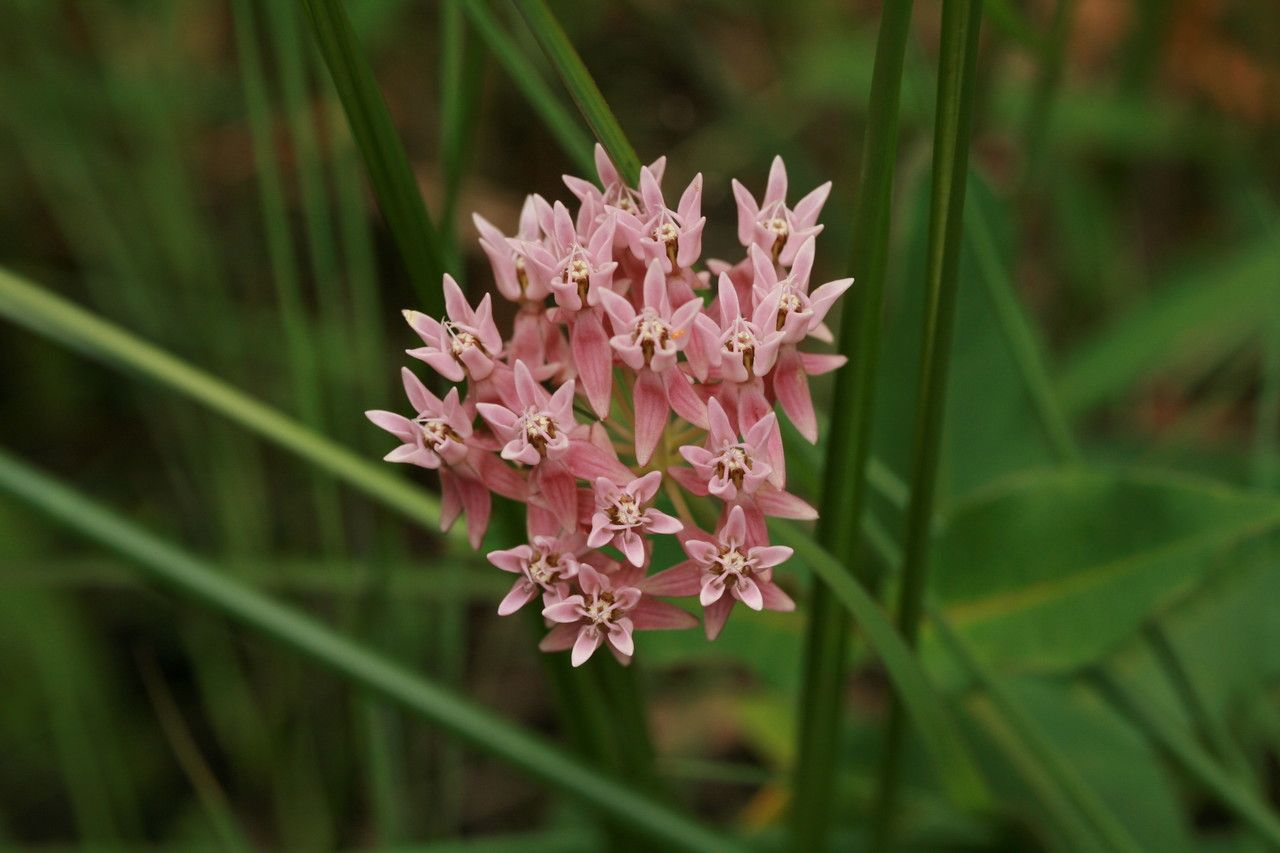
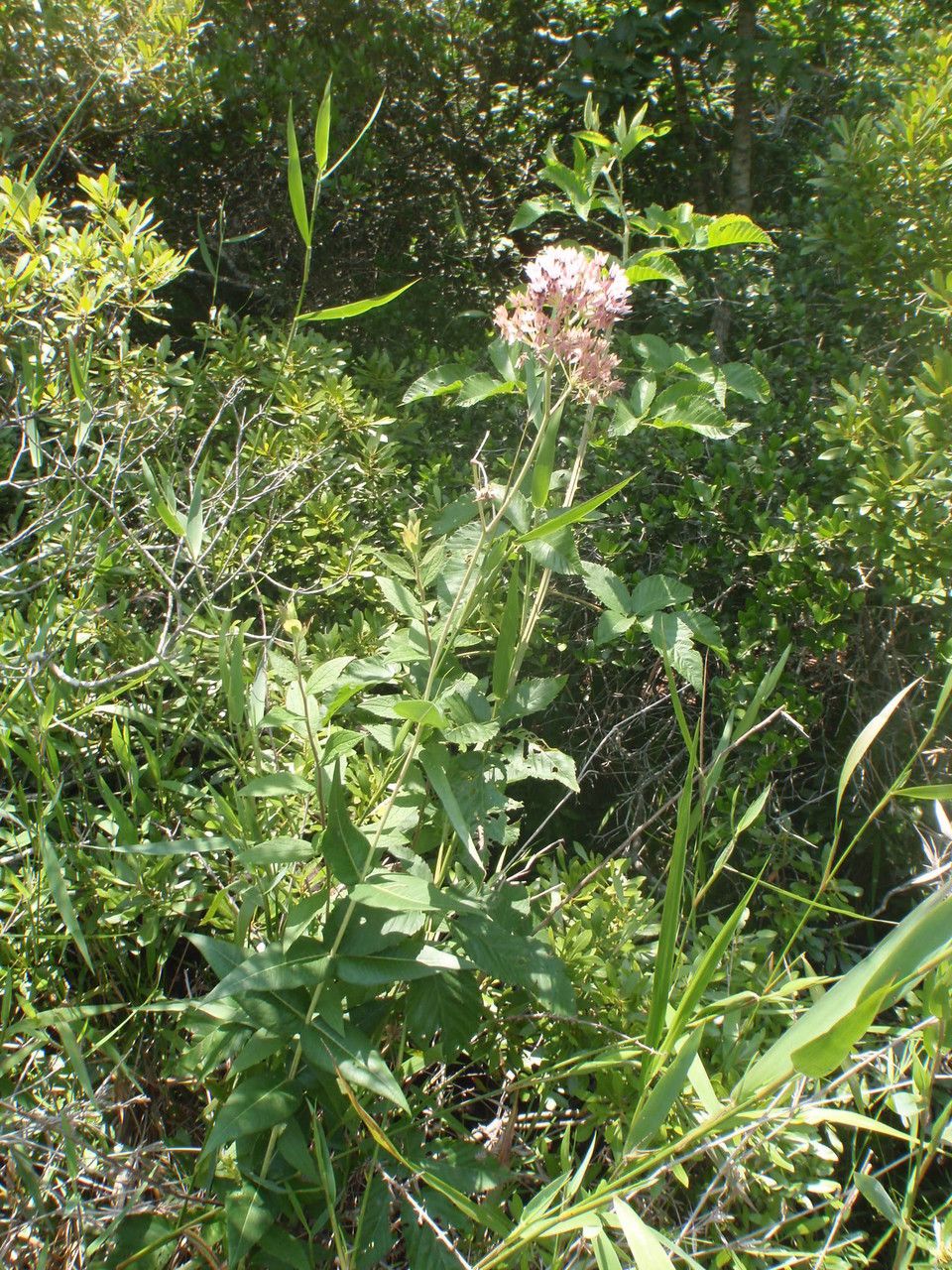
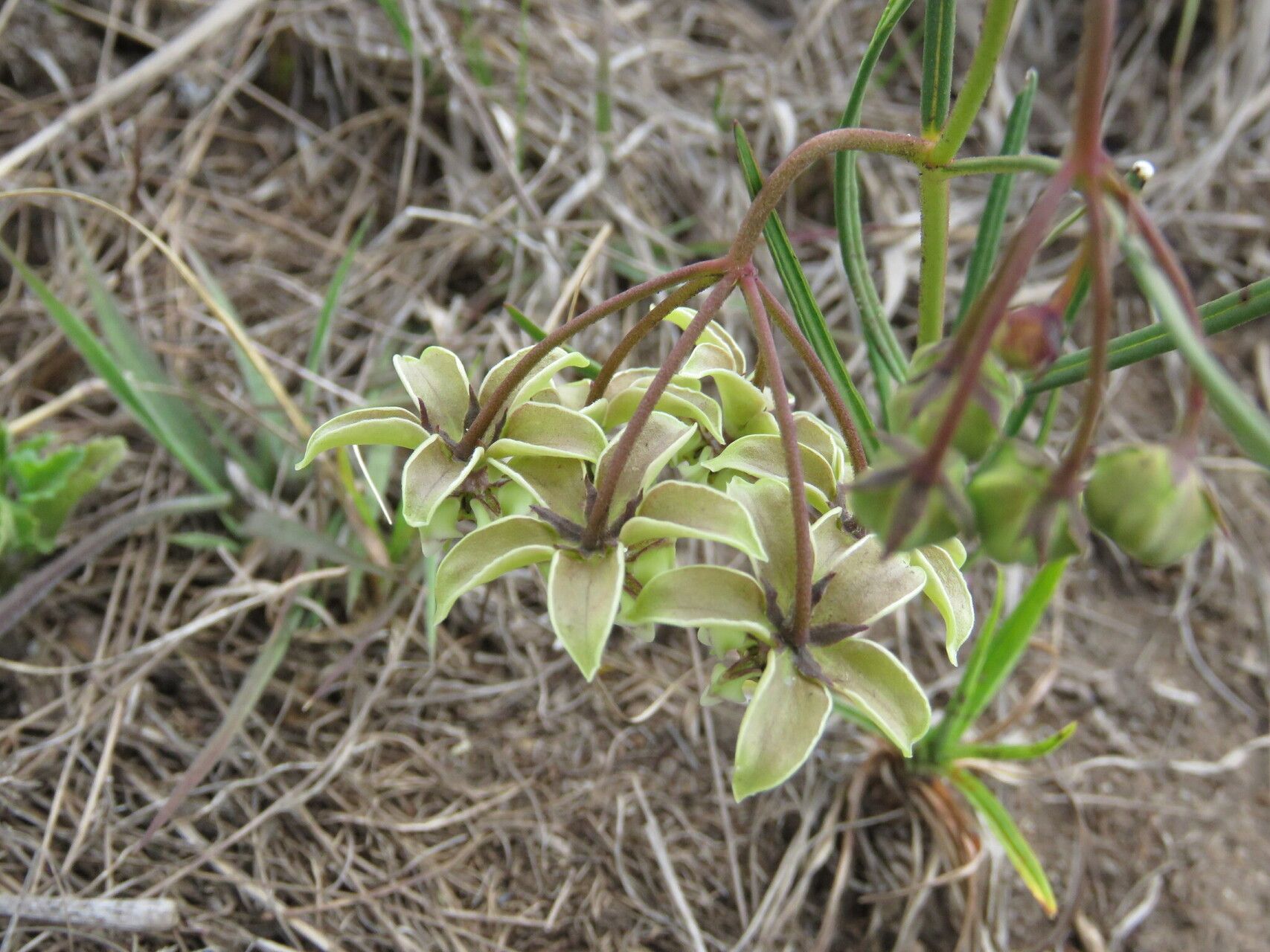
Red milkweed shows strong resistance to disease and is usually not prone to illnesses. However, it can be affected by pests and diseases present in its surroundings. These infections are typically not severe. For care, the plant requires a moderate level of maintenance. It should be pruned regularly to keep a good appearance and healthy growth. Fertilizing can also help encourage flowering. Red milkweed is suitable for anyone with an outdoor area, such as a garden or patio, and does not demand extensive plant-care experience. It may need more attention when grown indoors.
How to keep Asclepias Rubra.
Light
Red milkweed ideally flourishes in its indigenous environment where it can soak up the sun for most of the day. Still, it can adjust to spots where sunlight is partially obscured for some of the day. Overabundant shading can cause stunted growth, whereas overly strong light exposure can lead to leaf scorching.
Water
Red milkweed thrives in environments with balanced moisture, preferring soil that is consistently moist but not waterlogged. To maintain this balance, it's important to water it weekly. Red milkweed grows best outdoors, where its growth cycle can align with the natural patterns of seasonal rainfall.
Temperature
Red milkweed originates from areas with moderate climates, showing the best growth at temperatures between 50 and 90 °F (10 to 32 ℃). With the transition of seasons, it is recommended to keep these temperature levels for its robust growth.
Fertilizer
The primary period for fertilizing Red milkweed is early spring, when it is developing flowers. Appropriate fertilization stimulates enhanced flowering and aids in the production of stunning blooms in Red milkweed. Supplying the plant with nutrients in early spring guarantees splendid flowers throughout the season, as well as supports energy storage for periods of inactivity.
Pruning
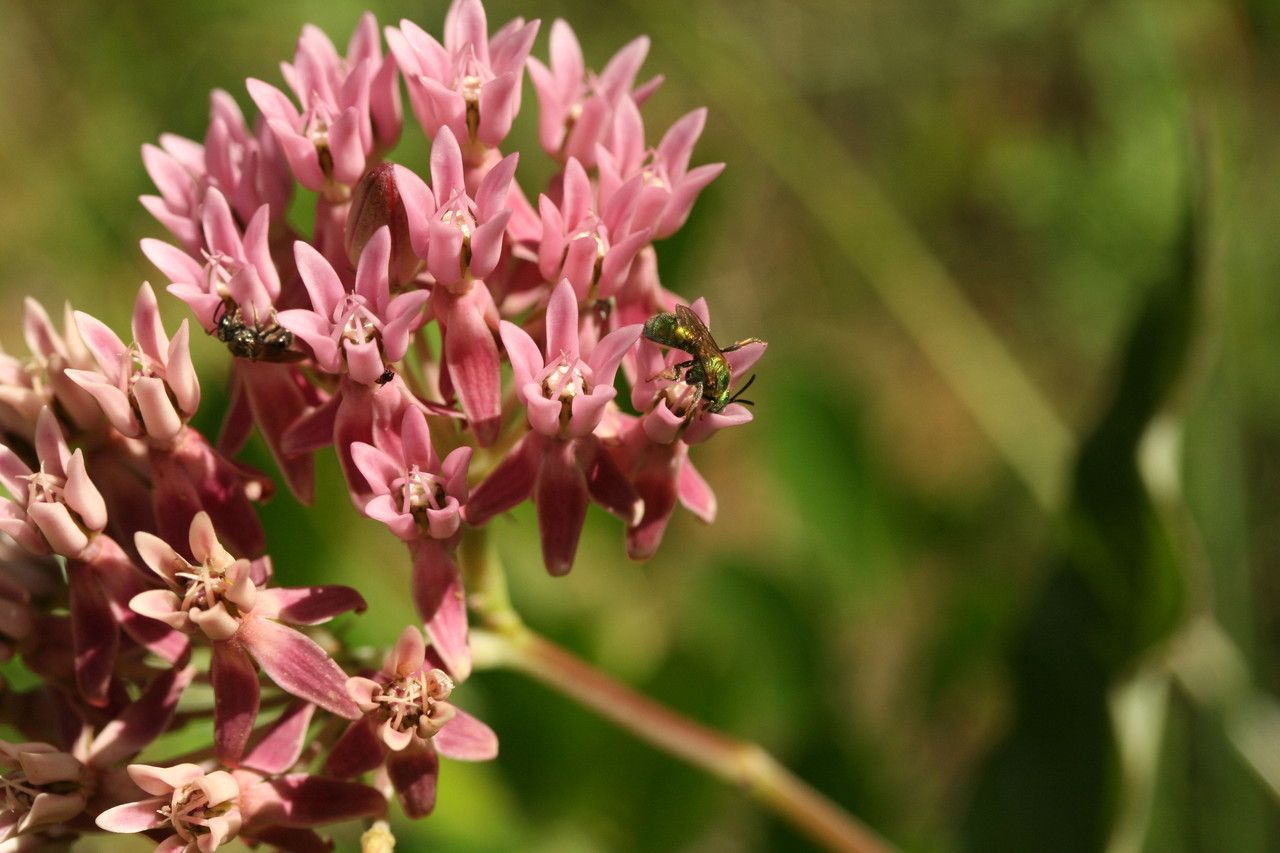
Red milkweed features vibrant blooms that attract pollinators. To encourage new growth and flowering, prune the plant from early to late spring by removing any dead or weak stems. Make sure to cut above healthy leaf buds to enhance the plant's size, air circulation, and overall vitality.
Botanical profile.
- Plant Type
- Herb
- Life Cycle
- Perennial
- Genus
- Asclepias
- Family
- Apocynaceae
- Hardiness Zone
- 6-8
- Mature Height
- 0.46 m to 1.07 m
- Mature Spread
- 30 cm to 61 cm
- Leaf Color
- Green
- Leaf Type
- Deciduous
- Flower Color
- Red
- Flower Size
- 2.54 cm
- Bloom Time
- Summer
- Planting Time
- Spring, Summer, Autumn
- Harvest Time
- Late summer, Early fall, Mid fall
Other names.
Reader questions.
What are the sunlight requirements for Red Milkweed?
Red Milkweed thrives best in locations that receive above 6 hours of sunlight daily, classified as full sun exposure. It can also adapt to partial sun conditions, which involve about 3-6 hours of sunlight. It's essential to observe the movement of sunlight through your garden, aiming for spots that offer a good balance of light and shade to ensure the well-being of your plants. In its native habitat, Red Milkweed prefers basking in the sun for most of the day but can tolerate some filtered sunlight. However, too much shade can result in weak growth, and excessive light might cause leaf burn.
What are the optimal growing temperatures for Red milkweed?
Red milkweed thrives in temperate regions, showing optimal growth when temperatures are between 50 to 90 °F (10 to 32 °C). To ensure healthy growth, it's advisable to maintain these temperature ranges throughout the changing seasons.
What artificial lighting requirements do indoor Red Milkweed plants have?
Indoor Red Milkweed plants require adequate lighting to grow optimally, especially when natural sunlight is insufficient. Artificial lighting is a beneficial solution, particularly during winter or in less sunny spaces. LED lights are a popular choice, as they can be tailored to provide specific light wavelengths needed by plants. Full sun plants need approximately 30-50W/sq ft of artificial light, partial sun plants require 20-30W/sq ft, and full shade plants need 10-20W/sq ft. The artificial light source should be placed 12-36 inches above the plant to mimic natural sunlight, ensuring the plant receives 8-12 hours of light per day.
How does Red milkweed handle cold weather?
Red milkweed possesses strong resistance to cold and generally does not require special frost protection measures. However, if winter temperatures are expected to plunge below -25°C, it's important to provide cold protection by covering the plant with soil or straw. Additionally, watering the plant abundantly before the first freeze in autumn helps keep the soil moist and prevents drought and water scarcity during the winter and early spring.
What are the symptoms of insufficient or excessive sunlight in Red Milkweed?
Symptoms of insufficient sunlight in Red Milkweed include smaller new leaves, leggy or sparse growth, faster leaf drop, slowed or halted growth, and pale new leaves or chlorosis. Excessive sunlight can cause sunscald, characterized by pale, bleached areas on the plant, leaf curling as a defense mechanism against water loss, wilting due to increased transpiration, and leaf scorching, where the leaves develop brown, dry edges. These symptoms indicate the plant's struggle with inappropriate light levels, affecting their ability to photosynthesize and maintain health.
What symptoms indicate Red milkweed is experiencing low temperatures, and what are the solutions?
Red milkweed is cold-tolerant and prefers temperatures above 10°C, remaining viable down to -15°C. Below -25°C, you might not observe immediate changes, but there could be a decrease in sprouting or a complete lack of sprouting in spring. To address this, remove any parts in spring that have failed to sprout.
How can I address sunlight-related issues for my Red Milkweed?
To address insufficient sunlight for indoor Red Milkweed, gradually move the plant to a sunnier spot each week until it receives at least 6 hours of direct sunlight daily. A south-facing window with open curtains during the day is ideal. For plants that are large or hard to move, consider supplemental artificial light, keeping lamps on for at least 8 hours a day. Outdoors, move plants progressively to sunnier locations, avoiding sudden changes to prevent sunburn. If physical obstructions like trees block sunlight, consider pruning. For smaller plants, transplanting during their dormant period, typically late winter or early spring, to a sunlit location with good drainage can improve their sunlight exposure. Note that parts of the plant already affected by poor light may not recover, but new growth should be healthy with adjusted light levels.
How does Red milkweed respond to high temperatures, and what solutions can help?
During summer, keep Red milkweed below 32°C to avoid stress. Temperatures above 35°C can cause the leaves to lighten in color, curl, become prone to sunburn, and in severe cases, the entire plant may wilt and dry out. To mitigate these effects, trim sunburned and dried parts, move the plant to a shaded location or use a shade cloth, and water the plant in the morning and evening to maintain soil moisture.
What is the botanical name of Red milkweed?
The botanical name of Red milkweed is Asclepias rubra.