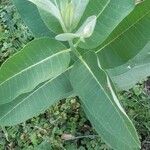
Asclepias sullivantii
Sullivant's milkweed · Prairie milkweed · Smooth milkweed
Description
Source: leafsnapAsclepias sullivantii is a species of flowering plant in the milkweed genus, Asclepias. Common names include prairie milkweed, Sullivant's milkweed, and smooth milkweed. It is native to North America, where it occurs in the central United States and Ontario in Canada.
Care Guide
💧 Water
Prairie milkweed is well-suited to its prairie origins, as it thrives with moderate water availability and demonstrates drought tolerance. To replicate its natural conditions, water the plant weekly to mimic typical precipitation patterns. It is also important to ensure the soil is well-draining, similar to its native habitat, which experiences heavy rains followed by dry spells.
How should I water my Prairie milkweed?
To properly water the Prairie milkweed, it's important to use filtered water at room temperature. Tap water may have harmful particles, so it's best to avoid using it. Since the Prairie milkweed is accustomed to warm environments, cold water can be a shock to its system. Therefore, it's recommended to use room temperature or slightly warmer water. Additionally, overhead watering should be avoided as it can cause leaf issues. Instead, pour the filtered room temperature water directly onto the soil until it is saturated. This helps moisten the roots and enables them to spread and collect the necessary nutrients.
If I give my Prairie milkweed too much or too little water, what should I do?
Overwatering can harm your Prairie milkweed by causing wilting, yellowing leaves, and potential diseases like root rot, mold, and mildew. It is a more common problem than underwatering. On the other hand, underwatering is less likely to occur due to the plant's drought tolerance. However, if it does happen, you may notice brittle, brown leaves. To prevent overwatering, be vigilant for early signs and reduce watering immediately. Also, check the soil quality and replace it with well-draining potting mix if needed. If underwatering signs appear, simply increase the watering frequency until the signs subside.
How often should I water my Prairie milkweed plant?
If your Prairie milkweed is in a pot, the most accurate way to determine if it needs water is by checking the soil moisture with your finger. If the top two to three inches of soil feel dry, it's time to water. For Prairie milkweed grown outdoors in the ground, you can use the same method. When the top few inches of soil have dried out, it's time to water. Typically, during spring and early fall, watering once a week is sufficient. However, in extremely hot weather, you may need to water twice a week or more. It's important to note that mature, well-established Prairie milkweed has a remarkable ability to tolerate drought.
How much water does my Prairie milkweed plant need?
To ensure your Prairie milkweed gets enough water, don't be stingy. Water it generously when the top few inches of soil are dry. Give it a thorough watering until the soil is completely soaked, making sure excess water drains out through the pot's holes. If no excess water drains, you may have not watered enough. However, be careful not to let water accumulate in the soil as it can harm the plant. On the other hand, if water doesn't drain properly from the pot, it suggests poorly draining soil, which is bad for the plant's health. For outdoor plants, an inch of rain per week should suffice.
How do I water my Prairie milkweed as it grows?
The water needs of Prairie milkweed can vary depending on different growth stages. When it is in its early years or recently transplanted, it requires more water than usual. This is because during these stages, the plant focuses on developing new roots to support future growth, which need extra moisture. However, as the plant matures after a few seasons, it will require less water. Another growth stage that may require more water is during the bloom period, as the flower development utilizes a significant amount of moisture.
☀️ Light Full sun
The prairie milkweed needs a considerable amount of sunlight each day to achieve optimal growth. Native to prairie-like habitats with plentiful sun, this need continues through every stage of its development. Too little light can stunt its growth, while too much can overheat the plant and harm its overall health.
What are the sunlight requirements for Prairie milkweed?
Prairie milkweed thrives in environments with substantial daily sun exposure, characteristic of its native prairie-like habitats. It requires more than 6 hours of sunlight daily ('full sun') for optimal growth but can also grow in conditions of about 3-6 hours of sunlight ('partial sun'). Insufficient sunlight can stunt the plant's growth, while too much sunlight may overheat the plant, affecting its health. Observing the movement of sunlight through your garden and selecting locations that offer a balance of light and shade is crucial for the well-being of Prairie milkweed.
How does artificial lighting support Prairie milkweed growth indoors?
When natural sunlight is insufficient, especially during winter or in less sunny indoor spaces, artificial lighting can be a vital solution for the growth of Prairie milkweed. Adequate lighting conditions are essential for the plant's development. LED lights are recommended due to their ability to provide specific wavelengths needed by plants. The ideal artificial lighting for full sun plants is 30-50W/sq ft, for partial sun plants 20-30W/sq ft, and for full shade plants 10-20W/sq ft. The light source should be placed 12-36 inches above the plant to mimic natural sunlight, and the duration should replicate the natural daylight hours, generally between 8-12 hours per day.
What are some symptoms of light deficiency or overexposure in Prairie milkweed?
Symptoms of light deficiency in Prairie milkweed include smaller new leaves, leggy or sparse growth, faster leaf drop, slower or no new growth, lighter-colored new leaves, and poor overall plant health. Overexposure to sunlight can lead to chlorosis, sunscald, leaf curling, wilting, and leaf scorching. These symptoms indicate that the plant is not receiving the correct balance of sunlight it requires, which can negatively impact its ability to photosynthesize and maintain health.
How can you mitigate sunlight-related issues for Prairie milkweed?
To optimize Prairie milkweed's growth, it's important to adjust the plant's exposure to sunlight gradually. For indoor plants, move them weekly to sunnier spots until they receive at least 6 hours of direct sunlight via a south-facing window, or use artificial lighting for at least 8 hours daily. For outdoor plants, the transition to sunnier spots should also be gradual to prevent sunburn. If sunlight is obstructed, consider pruning obstructive elements or transplanting the plant to a sunnier location. Note that parts of the plant affected by insufficient sunlight may not fully recover, but new growth should be healthy with adjusted light exposure.
🌡️ Temperature 0–32.2°C
Prairie milkweed is native to a temperate region, preferring temperatures of 32 to 90°F (0 to 32°C). In its natural habitat it is exposed to cold winters and warm summers, so it could adjust well to a similar garden environment.
What are the ideal growing conditions for Prairie milkweed?
Prairie milkweed thrives in temperate regions, with ideal temperatures ranging from 32 to 90°F (0 to 32°C). It is native to areas that experience cold winters and warm summers, making it highly adaptable to similar garden environments. This plant is exceptionally cold-tolerant and does not require additional protection against frost during winter. To prepare for winter, it is advisable to water the plant generously before the first freeze in autumn, ensuring the soil is moist when it freezes. This precaution helps in preventing drought stress and water scarcity during the colder months and early spring.
What should I do if Prairie milkweed is exposed to temperatures below its growth limit or above its maximum tolerance?
Prairie milkweed is extremely cold-tolerant and usually does not show immediate damage if winter temperatures drop significantly. However, continuous exposure to temperatures below its growth limit can result in reduced or absent sprouting in spring. On the other hand, if Prairie milkweed is subjected to temperatures exceeding its maximum tolerance, it may stop growing and become more prone to rot. In cases of low temperature exposure, it's recommended to remove any parts of the plant that fail to sprout in the spring. To mitigate high temperature stress, trim away sunburned and dried parts, move the plant to a shadier location, or use shade cloth for protection. Additionally, watering the plant in the morning and evening can help maintain soil moisture.
💨 Humidity
🪴 Soil 6-7
🌱 Fertilizer
The optimal time to fertilize a Prairie milkweed is in early spring, as it comes out of dormancy and starts active growth. Fertilization supplies essential nutrients for healthy growth. Although Prairie milkweed has relatively low fertilizer needs, annual fertilization can improve its survival and encourage better, longer-lasting flowers.
🪴 Pot & Repot
✂️ Pruning
To keep prairie milkweed healthy, remove any infected plants and wilting leaves. In tropical climates, prune the branches in early spring to promote growth. Because prairie milkweed is toxic, always wear gloves when handling it, keep it out of reach of children, and do not ingest it.
🌿 Propagating
🐛 Diseases & pets
☠️ Toxicity
Characteristics
- Plant Type
- Herb
- Life Cycle
- Perennial
- Genus
- Asclepias
- Family
- Apocynaceae
- Hardiness Zone
- 3-7
- Mature Height
- 30 cm to 91 cm
- Mature Spread
- 30 cm to 46 cm
- Leaf Color
- Green, Dark Green
- Leaf Type
- Deciduous
- Flower Color
- Pink, Purple
- Flower Size
- 2.54 cm
- Bloom Time
- Early summer, Mid summer
- Planting Time
- Spring, Summer, Autumn
- Harvest Time
- Late summer, Early fall, Mid fall