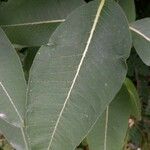
Asclepias syriaca
Common milkweed · Tulvan Florin · Virginia-silk · Silkweed · Silky swallowwort
Description
Source: leafsnapAsclepias syriaca, commonly known as common milkweed, is a herbaceous perennial plant in the family Apocynaceae. It is native to North America and thrives in various habitats such as fields, meadows, and roadsides. The plant can reach up to 6 feet in height and features a thick stem with large leaves arranged in opposite pairs. The flowers of Asclepias syriaca are pinkish-purple and bloom from June to August. These flowers are clustered at the top of the stem and emit a sweet fragrance that attracts a variety of pollinators, including bees, butterflies, moths, and hummingbirds. One of the most distinctive features of Asclepias syriaca is its seed pods. These pods are large, up to 4 inches long, and have a rough surface texture. They contain numerous seeds, each equipped with silky hairs known as "floss." This floss helps the seeds disperse through wind or water. Asclepias syriaca has several medicinal properties. It has been used to treat respiratory ailments such as asthma and bronchitis due to its expectorant properties. However, it also contains cardiac glycosides, making it toxic if ingested by humans or animals. Ecologically, Asclepias syriaca plays a vital role by providing habitat for pollinators like monarch butterflies. It is also an important food source for their larvae (caterpillars).
💡 When the stem or leaves of this plant are broken, a white milky substance flows out. The fruit looks like a young parrot, and when it ripens, it splits open. The seeds inside are white and fluffy, fluttering in the wind much like dandelion seeds.
🌳 The strong fibers of common milkweed have long been used to make ropes and textiles. Innovatively, its fluff has been trialed as hypoallergenic filling for cushions and flotation devices, and it can support 30 times its own weight in water. Notably, during World War II, North American children collected common milkweed fluff to replace kapok in military life vests.
🎭 Flexibility, memory, self-respect, liberty
Care Guide
💧 Water Every 7 days
Common milkweed, which originally grows on well-drained prairies, thrives with moderate moisture levels and benefits from weekly watering to replicate its natural habitat. Once established, its strong root system grants it moderate drought resistance. During the growing season, providing sufficient moisture is essential to support its leaves and flowering.
When Should I Water My Common Milkweed?
Watering common milkweed appropriately is vital for its growth, flowering, and resistance to diseases. You should water when the top 1 to 2 inches of soil feel dry to the touch. Look for signs such as wilting, droopy leaves, yellowing or crispy leaves, faded leaf color, or flower bud drop, which indicate the need for more water. High temperatures and direct sunlight increase the watering needs of common milkweed. Be cautious not to water too early or too late to prevent root diseases or dehydration. Understanding these signs will help you manage the watering schedule effectively.
How Should I Water My Common Milkweed?
For optimal hydration of common milkweed, the bottom-watering technique is preferred. This method allows the roots to absorb water from the bottom up, reducing the risk of overwatering. When using a watering can, opt for one with a fine, narrow spout to direct the water flow toward the base of the plant, minimizing foliage wetness and promoting root-level watering.
How Much Water Does Common Milkweed Really Need?
Common milkweed thrives in dry soil conditions and requires deep watering tailored to its root depth. The amount of water needed varies based on the plant's size and pot size. Generally, small potted milkweed may need less than a gallon, while larger plants could require several gallons. Proper watering is indicated when the leaves are robust and brightly colored. Overwatering can lead to root rot, while underwatering might cause wilting or yellowing leaves. Using the 'bottom watering' method can ensure the plant receives the right amount of water.
What Kind of Water is Best for Common Milkweed?
Rainwater or filtered tap water are ideal for watering common milkweed, as its roots may be sensitive to high concentrations of minerals or chemicals found in hard tap water. It's advisable to avoid water with heavy chlorine or fluoride content. Letting tap water sit out for 24 to 48 hours before use allows chlorine to evaporate, which is beneficial for the plant. Room temperature or slightly lukewarm water is preferred to prevent root shock and promote better growth.
How Do Common Milkweed's Watering Needs Change with the Seasons?
In spring, common milkweed's active growth phase requires consistent soil moisture through regular watering. Watering frequency should be reduced in summer to reflect the plant's natural dormancy and conserved energy during drought periods. Autumn calls for a gradual decrease in watering as the plant prepares for dormancy. During winter's dormant period, water sparingly and allow the topsoil to dry out between waterings.
☀️ Light Full sun
Common milkweed does best in bright light with little shade. Its vigor depends on native environments where steady, unobstructed light is common. Different light levels lead to different growth outcomes; very strong light can scorch the leaves, while too little light inhibits its robust growth.
What are the sunlight requirements for common milkweed?
Common milkweed requires full sunlight, which means it thrives in locations that receive more than 6 hours of direct sunlight per day. It can also tolerate partial sun, with about 3-6 hours of sunlight. When selecting a spot for your common milkweed, observe how sunlight moves through your garden to ensure you choose a location that provides a good balance of light and shade, optimizing the plant's growth and health.
What are the essentials for growing common milkweed successfully?
To grow common milkweed successfully, it's essential to provide it with abundant light and minimal shade, as it primarily thrives in environments with clear, unobstructed sunlight, akin to its native habitats. The plant's health and growth levels vary with different light exposures; too much light can scorch its leaves, while not enough light can hinder its development. If natural sunlight is insufficient, especially in winter or less sunny spaces, artificial lighting can be a vital alternative, facilitating healthier and faster growth. When using artificial lights, consider the type of light, the required intensity for full or partial sun plants, the proper distance from the plant, and the duration to mimic natural daylight as closely as possible.
What are the symptoms of inadequate sunlight for common milkweed, and how can they be addressed?
Common milkweed shows several symptoms when exposed to inadequate lighting, including smaller new leaves, leggy growth, early dropping of older leaves, and the cessation of new growth. Leaves may also develop paler colors or exhibit signs of chlorosis (yellowing), sunscald, leaf curling, wilting, and leaf scorching due to excessive sunlight or lack thereof. To address these issues indoors, progressively move your plant to sunnier spots or use artificial lights for at least 8 hours daily. Outdoors, gradually acclimate your plants to brighter locations while avoiding sudden exposure to intense sunlight. Additionally, for plants in the ground, pruning obstructions like overhanging branches or transplanting to sunnier locations can ensure adequate light reaches your plants. Note that damaged parts might not recover, but new growth should be healthy with improved light conditions.
🌡️ Temperature 0–32.2°C
The temperature needs of common milkweed reflect the conditions of its native habitat. It generally favors a range of 32 to 90 ℉ (0 to 32 ℃) and, during colder seasons, can accommodate lower temperatures by withstanding conditions below freezing.
What are the temperature requirements for common milkweed?
Common milkweed (Asclepias syriaca) thrives in a temperature range of 32 to 90 °F (0 to 32 °C), mirroring its native growth environment. It is well-adapted to cooler seasons, capable of tolerating temperatures below freezing without requiring special frost protection measures. However, if winter temperatures are expected to drop significantly, providing cold protection by covering the plant with soil or straw is advisable. It is also recommended to water the plant abundantly before the first freeze in autumn to keep the soil moist and prevent drought and water scarcity during winter and early spring.
How does common milkweed react to low temperatures?
Common milkweed exhibits strong cold tolerance and generally thrives when temperatures are kept above a certain minimum. In winter, it's important to ensure that temperatures do not fall below a critical low, as this could affect the plant's ability to sprout in spring. If temperatures drop below this critical threshold, the plant may show no noticeable changes during winter but could experience decreased sprouting or fail to sprout in spring. The recommended solution for any parts of the plant that fail to sprout in spring is to simply remove them.
What should be done if common milkweed is exposed to high temperatures?
During summer, common milkweed should ideally be kept below a maximum suitable temperature to prevent stress. Exceeding this temperature limit can cause leaves to lighten in color, curl, become susceptible to sunburn, and in severe cases, cause the entire plant to wilt and dry out. To mitigate these issues, trim away sunburned and dried parts of the plant, relocate it to a shaded area or use a shade cloth to protect it from the midday and afternoon sun. It's also beneficial to water the plant in the morning and evening to maintain soil moisture.
💨 Humidity normal (40-60%)
This plant will thrive in moderate humidity, which is probably the level in your home. However, misting it a few times a week can be very beneficial. Make sure the room has good ventilation.
🪴 Soil 6-7
🌱 Fertilizer
Usually a single fertilizer application in spring is adequate for Common milkweed, though multiple treatments can maximize growth. Fertilize about every month to a month and a half. Fertilization improves leaf appearance and function, maintaining uniform color and a healthy texture. It also promotes root development and nutrient uptake, supporting long-term plant health.
Why should I add fertilizer to my Common milkweed?
To keep your Common milkweed looking great and functioning well, it's important to focus on fertilization. The main structure of the plant is made up of its leaves, so fertilizing properly will ensure that they have a consistent color and healthy texture. Additionally, fertilization goes beyond the surface and helps the plant generate new roots and maintain existing ones. This not only keeps the plant healthy in the present, but also improves its ability to absorb nutrients from the soil in the future.
When should I fertilize my Common milkweed for the best results?
To ensure optimal growth of your Common milkweed, it's important to pay attention to its seasonal needs. As a perennial plant, it will start sending out new growth in early spring. These emerging leaves serve as an indicator that it's time for fertilization. While a single application of fertilizer in spring may be sufficient for your Common milkweed to thrive, you can further enhance its growth by feeding it multiple times throughout spring and early summer. If you decide to do this, a feeding frequency of about once every month to a month and a half should be appropriate.
When is it not a good idea to add fertilizer to my Common milkweed?
During late fall and winter, your Common milkweed goes into a dormant phase without new growth. In this period, it is best to avoid fertilizing it. If you decide to fertilize during spring and summer, start reducing the rate as summer approaches, because the growth rate of your Common milkweed also slows down. Generally, it is not advisable to fertilize your Common milkweed during unusually hot weather or exceptionally dry soil, as it can cause undue stress and premature death.
What kind of fertilizer does my Common milkweed plant require?
Choosing the right fertilizer for a Common milkweed is actually quite simple. To ensure optimal growth, these plants typically require a general-purpose garden fertilizer with equal amounts of nitrogen, phosphorus, and potassium. Fertilizers with a ratio of 10-10-10, or similar, tend to work well. It's important to avoid fertilizers with excessive nitrogen levels if you're unsure. Most recommended fertilizers for Common milkweed are granular and slow-release, making them easy to apply to the soil. Additionally, feeding your milkweed with organic soil amendments like compost can be beneficial.
How can I add nutrients to my Common milkweed plant?
To help your Common milkweed thrive, start by waiting for its first leaves to appear in early spring. Once they've emerged, apply a granular slow-release fertilizer to the soil around the base of the plant. You can repeat this process later in the season if desired. Remember to apply the fertilizer to the soil and not directly to the plant itself. This may involve moving some leaves to access the soil above the roots. Additionally, it's a good idea to water the milkweed before and after feeding it.
🪴 Pot & Repot 2-3 years
When repotting Common milkweed, select a pot 1–2 inches (2.5–5 cm) larger that has good drainage. Use a well-draining potting mix. Repot in spring or fall, making sure the root ball sits slightly below the rim of the flower pot. Water thoroughly after repotting and place the pot in a warm area with indirect sunlight.
✂️ Pruning
Common milkweed has tall stems and fragrant pinkish flowers that attract pollinators. To promote new growth and prevent overcrowding, prune the plants from early to late spring by cutting old stems down to ground level. Removing damaged stems also improves air circulation and flowering, enhancing the plant's overall appearance.
🌿 Propagating
🐛 Diseases & pets
☠️ Toxicity
Characteristics
- Plant Type
- Herb
- Life Cycle
- Perennial
- Genus
- Asclepias
- Family
- Apocynaceae
- Hardiness Zone
- 3-8
- Mature Height
- 0.91 m to 1.22 m
- Mature Spread
- 23 cm to 30 cm
- Leaf Color
- Green
- Leaf Type
- Deciduous
- Flower Color
- Pink, Lavender
- Flower Size
- 0.51 cm to 0.51 cm
- Bloom Time
- Early summer, Mid summer
- Planting Time
- Spring
- Harvest Time
- Mid summer
- Native Area
- Fields and roadsides of eastern North America