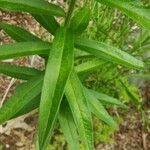
Asclepias tuberosa
Butterfly milkweed · Butterfly-weed · Butterfly Flower · Chieger-flower · Pleurisy-root
Description
Source: leafsnapAsclepias tuberosa, commonly known as butterfly weed, is a perennial plant native to North America. Part of the milkweed family, it is celebrated for its bright orange flowers that attract butterflies and other pollinators. The plant typically grows to a height of 2-3 feet and has a clumping habit with narrow leaves arranged in whorls around the stem. Butterfly weed thrives in full sun and well-drained soil, though it can tolerate some drought conditions once established. It blooms from early summer through fall, producing clusters of nectar-rich flowers. Additionally, the plant has medicinal properties, containing cardiac glycosides that can be used to treat heart conditions. Asclepias tuberosa serves as a crucial host plant for monarch butterflies, providing food for their larvae. Unfortunately, due to habitat loss and pesticide use, the monarch butterfly population has significantly declined in recent years. Overall, Asclepias tuberosa is a beautiful addition to any garden or landscape, serving an important ecological role by supporting pollinators like butterflies.
💡 Butterfly weed is a perennial milkweed known for its striking orange to red flowers. It produces abundant nectar, which attracts butterflies and hummingbirds. Unlike most milkweeds, butterfly weed does not have milky sap in its stems. Its seed pods are commonly used in dried flower arrangements.
🌳 Lepidopterists are interested in butterfly weed for more than its vivid orange blooms or the traditional medicinal use by indigenous peoples. Monarch caterpillars eat its leaves and accumulate cardiac glycosides, a chemical defense that makes the butterflies unpalatable and toxic to predators. This remarkable natural ruse captivates many. Beyond its ecological role, butterfly weed is being studied as a sustainable biofuel source.
🎭 Memory, honor, liberty, release me
Care Guide
💧 Water Every 7 days
Butterfly weed thrives in prairie environments due to its deep root system, which allows it to access even minimal moisture and exhibit remarkable drought resilience. It prefers well-drained soil and requires weekly watering, ensuring the soil is not oversaturated. Typically grown outdoors, butterfly weed is an excellent choice for xeriscaping, thanks to its hardiness and reduced need for irrigation.
When should I water my butterfly weed?
Proper watering of butterfly weed (Asclepias tuberosa) is essential for maintaining the plant's health and encouraging bloom productivity. The soil condition is a primary indicator of when to water. Allow the soil to dry out before watering again, checking that the top 1-2 inches of soil are dry before adding water. Observing the plant's leaves can also provide clues; if they appear limp or begin to droop, it may indicate that the plant needs water. During the active growth stages in spring and early summer, butterfly weed may require more frequent watering. Additionally, weather conditions can influence watering needs; in hot or dry weather, the plant may need watering more often, even if the soil has not completely dried out. However, it's important to avoid overwatering or underwatering, which can lead to fungal diseases, root rot, or dehydration, adversely affecting the plant's health and growth.
How should I water my butterfly weed?
Watering butterfly weed correctly involves several key techniques to ensure the plant receives adequate hydration without being overwatered. It is crucial to water deeply and thoroughly, ensuring that the water reaches the root zone. A slow, steady stream of water applied directly to the base of the plant is preferred, allowing the water to penetrate the soil and hydrate the roots effectively. When using a watering can, opt for one with a spout that has a fine rose attachment to provide a gentle and even flow of water. To accurately gauge the moisture level in the soil and determine when to water, consider using a moisture meter. This tool can help avoid overwatering by ensuring the soil is consistently moist but not waterlogged. Additionally, try to keep water off the foliage as much as possible to prevent fungal diseases. If the leaves do get wet, gently pat them dry.
How much water does butterfly weed really need?
Butterfly weed requires thorough watering to ensure the deep root system is adequately hydrated. The amount of water needed varies depending on the size of the plant and the environmental conditions. Generally, providing up to one inch of water per week is sufficient, especially during dry spells. It's important to let the water penetrate deeply into the soil, reaching the roots, rather than just wetting the surface. For potted plants, water until it begins to run out of the drainage holes. The plant prefers well-drained soil and can be sensitive to waterlogging, which suggests that moderation is key. Overwatering can lead to root rot, indicated by yellow or wilting leaves, while underwatering can make the leaves dry and crispy. Ensuring a balance will keep the leaves vibrant and support the plant's overall health.
What kind of water is best for butterfly weed?
Butterfly weed is adaptable and can thrive on a variety of water types including tap water, distilled water, rainwater, or filtered water, though it is crucial to avoid overwatering or allowing the plant to stand in water. While the plant is not highly sensitive to chlorine, using water that has been allowed to sit for 24 hours can help evaporate chlorine, which is beneficial especially for young plants. Similarly, fluoride is not a major concern, but using fluoride-free water like rainwater or filtered water can promote optimal growth. Additionally, the plant can tolerate different mineral levels in the soil, but excessive minerals like sodium or boron should be avoided. Remember to use water at room temperature to prevent shocking the plant with too drastic temperature changes.
How do butterfly weed's watering needs change with the seasons?
The watering needs of butterfly weed change significantly with each season due to variations in growth activity and environmental factors. In spring, during its phase of rapid growth, consistent watering is necessary to support the development of healthy roots and stems. As summer arrives, the plant's drought tolerance increases, and it requires less frequent, yet deep watering. By autumn, as the plant prepares for dormancy, watering should be scaled back further, ensuring the soil isn't too moist. During winter, the plant is dormant and needs little to no watering. Adjusting your watering schedule according to these seasonal needs is crucial for maintaining the health and vitality of your butterfly weed.
☀️ Light Full sun
Butterfly weed does best in areas with abundant sunlight throughout the day, though it can tolerate a slight decrease in light. It grows vigorously under these conditions, but extended periods of dim light can inhibit its lush growth and reduce its flowering. Excessive shade or too little light can lead to poor plant health.
What are the sunlight requirements for Butterfly Weed?
Butterfly Weed, scientifically known as Asclepias tuberosa, flourishes in environments with ample sunlight exposure. To thrive, it necessitates positions in the garden that provide more than 6 hours of sunlight daily, classified as 'Full sun'. It can also grow in conditions termed as 'Partial sun', which entails about 3-6 hours of sunlight. Monitoring the movement of sunlight through your garden and selecting spots that offer a harmonious balance of light and shade are crucial for ensuring the plants' vitality.
What essentials must be considered for the healthy growth of Butterfly Weed?
For healthy growth, Butterfly Weed demands a generous amount of daily sunlight, though it tolerates some light reduction. Its growth can become stunted and its blooming potential reduced under dim lighting conditions for extended periods. Lower light levels or excessive shade may adversely affect plant health. In cases where natural sunlight is lacking, especially during winter or in less sunny locations, artificial lighting can be a beneficial alternative. Indoor plants benefit from specific types of artificial lights, such as LED, that support their growth by offering essential light wavelengths. The right amount of artificial light varies by plant type: 30-50W/sq ft for full sun plants, 20-30W/sq ft for partial sun plants, and 10-20W/sq ft for full shade plants.
What are the signs of inadequate lighting for Butterfly Weed?
Butterfly Weed exhibits several symptoms when exposed to insufficient lighting. These include smaller new leaves, leggy or sparse growth, premature leaf drop, halted or absent new growth, lighter-colored or irregularly patterned new leaves indicating a lack of chlorophyll, chlorosis leading to yellowing leaves, sunscald marked by pale or necrotic spots on the plant due to intense sunlight exposure, leaf curling as a protective measure against excessive sunlight, wilting from loss of turgor pressure, and leaf scorching seen as brown, dry edges on leaves caused by too much sunlight. These symptoms can vary, indicating either too much or too little light, each affecting the plant's health.
How can Butterfly Weed's exposure to light be optimized indoors, outdoors, and on the ground?
To optimize Butterfly Weed's exposure to light, gradual adjustment is key. Indoors, gradually move plants to sunnier spots each week until they receive at least 6 hours of direct sunlight daily, utilizing south-facing windows and keeping curtains open for maximum light. Furthermore, artificial lighting such as desk lamps or professional grow lights can supplement natural sunlight, especially for larger or less mobile plants, ensuring at least 8 hours of light per day. Outdoors, avoid abrupt changes in light exposure by progressively relocating plants to sunnier areas weekly to prevent sunburn. For plants in the ground, reduce obstructions by pruning trees or moving smaller plants during their dormant period to locations with more sunlight and good drainage. It's essential to remember that parts of the plant that suffered from previous insufficient light might not recover, but new growth will showcase improved health with better light conditions.
🌡️ Temperature 0–35°C
Butterfly weed grows best in its native habitat with warm temperatures from 20 to 35 ℃ (68 to 95 ℉). It is a hardy plant that can tolerate temperatures as low as 0 ℃ (32 ℉) and as high as 45 ℃ (113 ℉). In cooler climates, it is recommended to plant Butterfly weed in a spot with full sun so it can thrive and acclimate to lower winter temperatures.
What are the ideal growing conditions for Butterfly Weed?
Butterfly Weed (Asclepias tuberosa) thrives in environments with warm temperatures, specifically between 20 to 35 °C (68 to 95 °F). It is a resilient plant that can endure temperature extremes, with a cold tolerance as low as 0 °C (32 °F) and heat resistance up to 45 °C (113 °F). In regions with cooler climates, it's advisable to plant Butterfly Weed in spots that receive full sunlight, helping the plant adapt to colder winter temperatures. Thanks to its strong cold resistance, Butterfly Weed typically doesn't require special frost protection measures. Nevertheless, for winters where temperatures are expected to dip below its cold tolerance level, providing cold protection through covering the plant with soil or straw can be beneficial. Additionally, watering the plant abundantly before the first freeze of autumn to maintain soil moisture can help guard against winter and early spring drought.
How does temperature affect Butterfly Weed, and what should be done?
Butterfly Weed endures varying temperatures with varying effects. At low temperatures, it maintains cold tolerance and grows best when above its suitable growth temperature minimum. In winter, it's important to keep it above its tolerable growing temperature minimum. If temperatures drop below its growth limit, while you might not notice immediate changes, the plant could experience reduced or no sprouting in spring. The recommended action in spring for any non-sprouting parts is to remove them. On the other end, during high temperatures, it is key to keep the plant below its suitable growth temperature maximum. Exceeding the tolerable maximum can lead to leaves becoming lighter, prone to curling, sunburn, and in extreme cases, wilting or drying out. Solutions include trimming sunburned or dried parts, relocating the plant to a shaded area, or using a shade cloth during the hottest parts of the day. Ensuring the plant is watered in the morning and evening will help keep the soil moist.
💨 Humidity
🪴 Soil 6-7
🌱 Fertilizer
The best time to fertilize Butterfly weed is in early spring, as it comes out of dormancy and begins active growth. Fertilization supplies essential nutrients for healthy development. Although Butterfly weed has fairly low fertilizer requirements, applying fertilizer once a year can improve its survival and encourage better, longer-lasting flowers.
Why should I add fertilizer to my Butterfly weed?
Fertilization is important to the Butterfly weed for several reasons. Mainly, it provides key nutrients for the plant's growth above and below ground. However, the overall fertilization needs for a Butterfly weed are relatively low. While it can survive without fertilization, annual fertilization can be highly beneficial. It helps keep the plant alive and promotes the production of better, longer-lasting flowers. Therefore, those who want their Butterfly weeds to thrive should consider annual fertilization.
When should I fertilize my Butterfly weed for the best results?
The best time to fertilize a Butterfly weed is in late winter to early spring when the plant is transitioning from dormancy to active growth. Fertilizing during this time promotes healthy growth and sets the plant up for a successful season. While early spring is generally the most advantageous period for fertilization, fall is also an acceptable option. However, it is not recommended to feed the Butterfly weed during summer or winter seasons.
When is not a good time to fertilize my Butterfly weed plant?
To avoid complications, only fertilize your Butterfly weed during late winter and early spring. This plant has low fertilization needs and one feeding per year is enough. Avoid fertilizing during spring, summer, and fall to prevent overfertilization. The only exception is if you didn't fertilize in spring, then it's okay to feed it in fall. Also, don't fertilize during winter when the plant is dormant and not growing.
What kind of fertilizer should I use for my Butterfly weed?
Most general-purpose fertilizers with balanced nutrients are suitable for Butterfly weed. However, certain nutrient blends can have even better effects. One such example is a higher phosphorus content, which can strengthen the roots and yield better flowers. Fertilizers in granular or liquid form are both acceptable as long as they contain sufficient nutrients. Additionally, organic options such as compost and manure can greatly improve the soil for Butterfly weed.
How can I give nutrients to my Butterfly weed?
To fertilize a Butterfly weed, the most common method is applying granular or pellet fertilizer to the soil surrounding the plant. It's important to remember that the best time to fertilize is when the plant is transitioning from its winter dormant growth to active growth. In early spring, it's recommended to wait until shoots start emerging from the soil and then apply the fertilizer. Alternatively, some people may opt for liquid fertilizer, which should be diluted with water before use. Whether using granular or liquid fertilizer, it's advisable to moisten the soil before, during, and after application.
🪴 Pot & Repot 2-3 years
When transferring Butterfly weed to a new container, select one 1–2 inches (2.5–5.1 cm) larger that has good drainage. Use a well-draining potting mix. Repot in spring or fall, making sure the root ball sits slightly below the rim of the pot. Water thoroughly after repotting and keep it in a warm location with indirect sunlight.
✂️ Pruning
To promote new growth and maintain an attractive shape, prune butterfly weed in early to late spring. Removing dead parts enhances the plant's health and encourages abundant flowering, which attracts pollinators. For the best blooming results, be sure to complete this pruning before new growth begins.
🌿 Propagating
🐛 Diseases & pets
☠️ Toxicity
Characteristics
- Plant Type
- Herb
- Life Cycle
- Perennial
- Genus
- Asclepias
- Family
- Apocynaceae
- Hardiness Zone
- 3-9
- Mature Height
- 30 cm to 91 cm
- Mature Spread
- 30 cm to 61 cm
- Leaf Color
- Green
- Leaf Type
- Deciduous
- Flower Color
- Orange, Red
- Flower Size
- 1.02 cm
- Bloom Time
- Early summer, Mid summer
- Planting Time
- Spring
- Harvest Time
- Mid summer
- Native Area
- North America