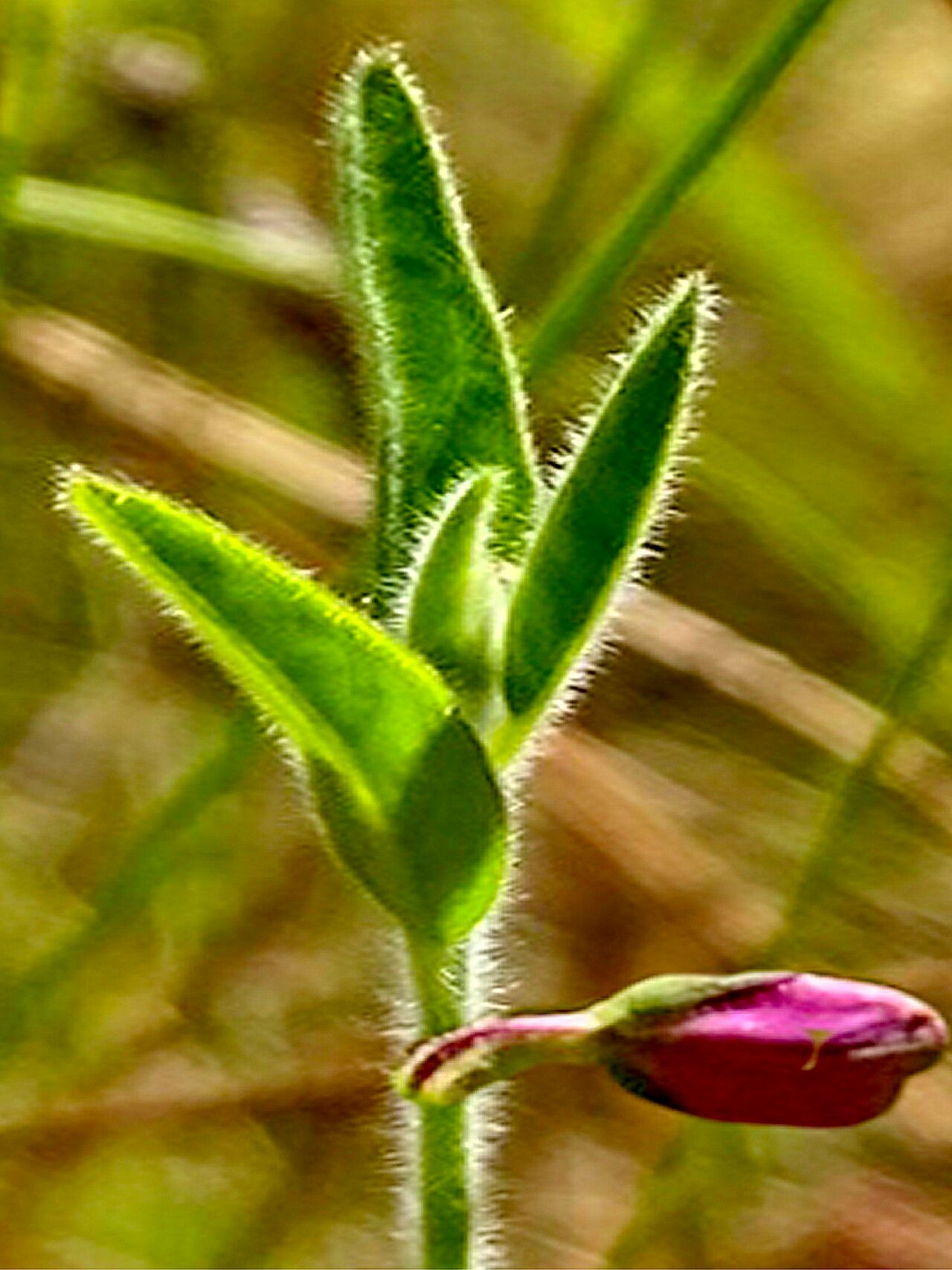
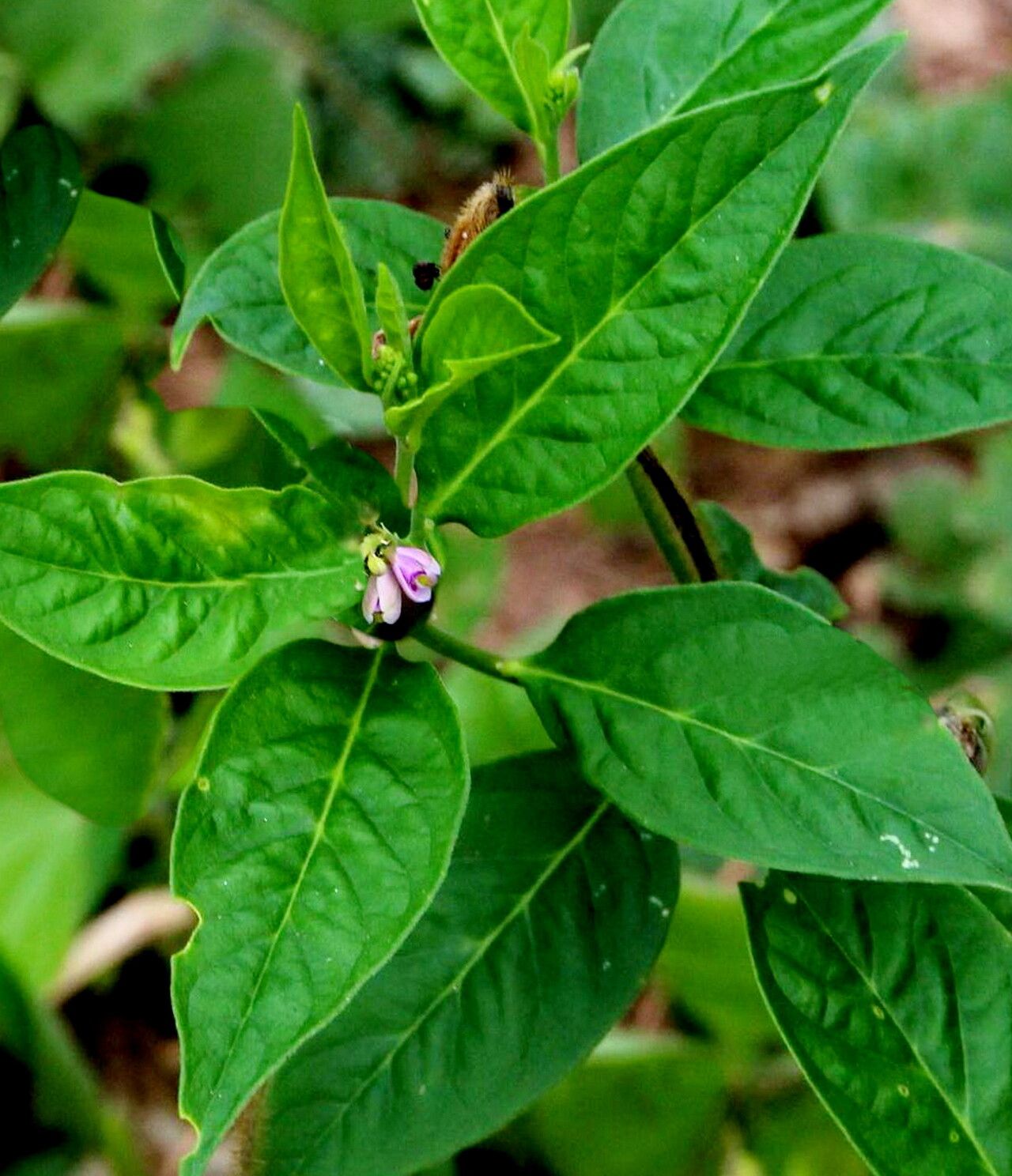
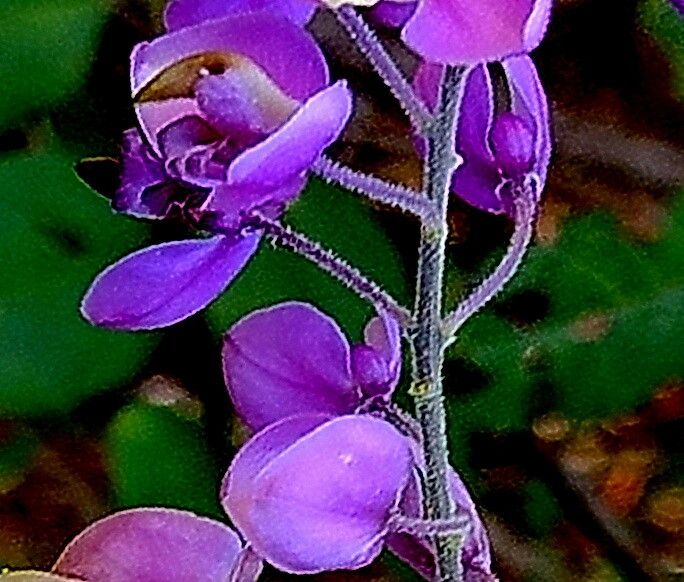
Asemeia grandiflora, commonly known as showy milkwort, is a species of perennial flower found in North America. Previously known as Polygala grandiflora, the name of this species was changed to the currently-used Asemeia grandiflora in 2012.
Showy milkwort is fairly resistant to disease and is usually not susceptible to illnesses. However, it can be affected by pests and diseases present in its environment. These infections tend to be mild. In terms of care, the plant has moderate maintenance requirements. It should be pruned regularly to maintain a neat appearance and healthy growth. Fertilizing can also encourage flowering. Showy milkwort is suitable for anyone with outdoor space, such as a garden or patio, and does not require extensive experience in plant care. It may need more attention when grown indoors.
How to keep Asemeia Grandiflora.
Light
The flashy milkwort is native to radiant, open spaces where it flourishes under complete sunlight. It can withstand semi-shaded conditions, but for peak growth, it prefers unfiltered sunlight. This plant, which cycles annually and biennially, has a renowned love for sunshine.
Water
Showy milkwort flourishes in moist environments. It requires consistent watering but is resilient to changes in water levels. Ideally, it should be watered twice a week. Outdoor cultivation with natural rainfall boosts its flowering potential during the growing season.
Temperature
The Showy milkwort plant is native to tropical areas where the weather is usually hot and moist. Hence, it is well-suited to handle high levels of warmth and humidity. It doesn't respond well to abrupt shifts in temperature and prefers a consistent thermal environment, so it's critical to maintain stable indoor temperatures. It generally can't endure low temperatures and needs a warm environment to grow. Should the surrounding temperature fall too drastically, the plant's growth might halt or it could even perish.
Fertilizer
As soon as the Showy milkwort has unfurled most of its flowers to their maximum size, it is appropriate to recommence fertilization. Start the fertilization process once more when the flowers are most abundant, every three to four weeks, subject to weather conditions. However, as the Showy milkwort begins to produce less new blossoms, cease the fertilization; it is unnecessary to fertilize when the plant is no longer capable of generating additional flowers.
Pruning
Showy milkwort benefits greatly from regular pruning. Ideally, prune in early spring to remove old stems and again in late spring to shape the plant. This practice improves air circulation, boosts blooming, and maintains the plant's vigor. Be sure to use clean, sharp tools to prevent disease, and confirm your methods with reliable sources.
Botanical profile.
- Plant Type
- Herb
- Life Cycle
- Annual
- Genus
- Asemeia
- Family
- Polygalaceae
- Hardiness Zone
- 9-11
- Mature Height
- 25 cm to 49 cm
- Mature Spread
- 20 cm to 40 cm
- Leaf Color
- Green, Dark Green
- Leaf Type
- Deciduous
- Flower Color
- Purple, Lavender
- Flower Size
- 1.27 cm
- Bloom Time
- Mid spring, Late spring, Early summer
- Planting Time
- Spring, Summer
- Harvest Time
- Summer
- Native Area
- Bahamas, Cuba, Georgia, Mexico, Haiti, Dominican Republic