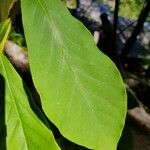
Asimina parviflora
Dwarf pawpaw · Small-flower pawpaw · Small-fruit pawpaw · Smallflower pawpaw · Small-fruited pawpaw
Description
Source: leafsnapAsimina parviflora, commonly known as the smallflower pawpaw, is a deciduous shrub or small tree in the Annonaceae family. Native to the southeastern United States, it can be found in Florida, Georgia, Alabama, and Mississippi. Typically growing up to 10 feet tall, this plant has a spreading habit with a rounded crown. The leaves of Asimina parviflora are simple and alternate, with an oval shape that can reach up to 6 inches in length. The plant features small flowers with three greenish-yellow petals, which bloom from March through May before the leaves emerge. The fruit of Asimina parviflora is edible but not commonly consumed due to its small size (about 1 inch long) and relatively low yield per plant. While it has a sweet flavor similar to other pawpaw species, it may have an unpleasant aftertaste. Asimina parviflora prefers moist soils in shaded areas such as forests or along stream banks, but it can tolerate some sun exposure if soil moisture is adequate. It is not commonly cultivated for ornamental purposes due to its relatively plain appearance when compared to other members of the Annonaceae family, such as cherimoya or custard apple. Overall, Asimina parviflora plays an important ecological role by providing habitat for wildlife species, such as birds, which consume its fruit. Additionally, it contributes to genetic diversity within the Annonaceae family through hybridization events with other pawpaw species like Asmina triloba (common pawpaw).
Care Guide
💧 Water Every 7 days
☀️ Light Partial sun
Small-flower pawpaw is native to habitats like forest understories and rocky areas, which provide natural shade. It prefers partial sun but can tolerate full sun or full shade, demonstrating its versatility and hardiness.
🌡️ Temperature 10–35°C
Small-flower pawpaw is fairly adaptable to temperature, able to endure high heat and considerable temperature swings. In hot conditions, attention should be paid to irrigation and providing appropriate shade to prevent sunburn. Conversely, Small-flower pawpaw has limited cold tolerance. While it can tolerate some chill, very cold conditions may cause frost damage.
💨 Humidity
🪴 Soil 4-6
🌱 Fertilizer
The Small-flower pawpaw plant needs adequate nutrients to achieve optimal fruit production. Fertilize in early spring to encourage new growth and bloom development. Regular feeding keeps the plant healthy, helps it produce more delicious fruit, and prevents nutrient-deficiency problems like yellow leaves and poor fruit production.
🪴 Pot & Repot
✂️ Pruning
The small-flower pawpaw is a deciduous shrub prized for its fragrant flowers and large, edible fruits. The ideal time for pruning is in early spring, when you should focus on removing dead wood and thinning branches to improve air circulation and boost fruit production. Be sure to approach pruning with a gentle hand to preserve the plant's delicate structure.
🌿 Propagating
🐛 Diseases & pets
☠️ Toxicity
Characteristics
- Plant Type
- Shrub
- Life Cycle
- Perennial
- Genus
- Asimina
- Family
- Annonaceae
- Hardiness Zone
- 6-9
- Mature Height
- 0.91 m to 3.66 m
- Mature Spread
- 0.61 m to 1.83 m
- Leaf Color
- Green, Dark Green
- Leaf Type
- Deciduous
- Flower Color
- Purple
- Flower Size
- 2.54 cm to 7.62 cm
- Bloom Time
- Early spring, Mid spring
- Planting Time
- Spring, Summer
- Harvest Time
- Late summer, Early fall, Mid fall