Asparagus cochinchinensis, also known as Chinese asparagus or Shatavari, is a perennial herbaceous plant that belongs to the Asparagaceae family. Native to China and Southeast Asia, it has been used in traditional Chinese medicine for centuries.
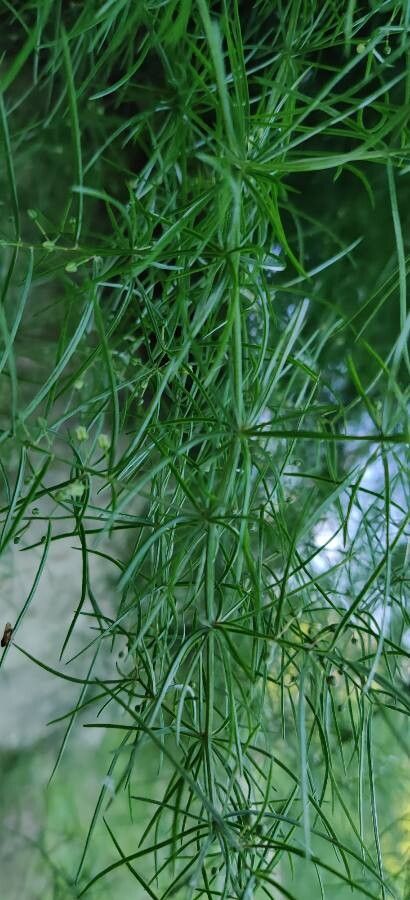
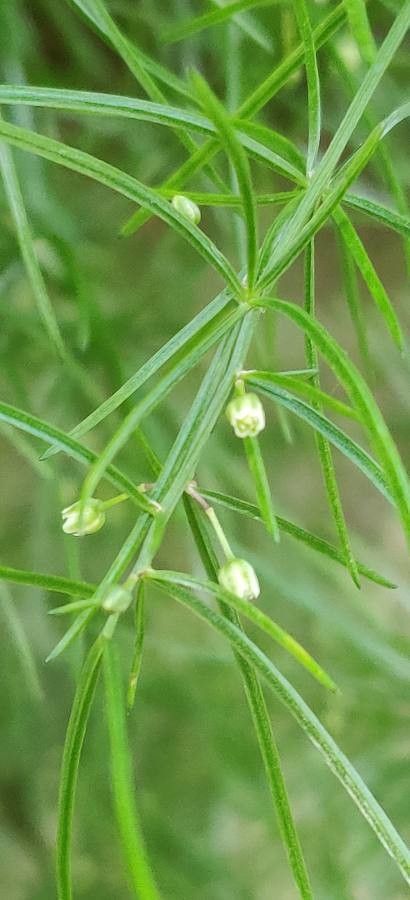
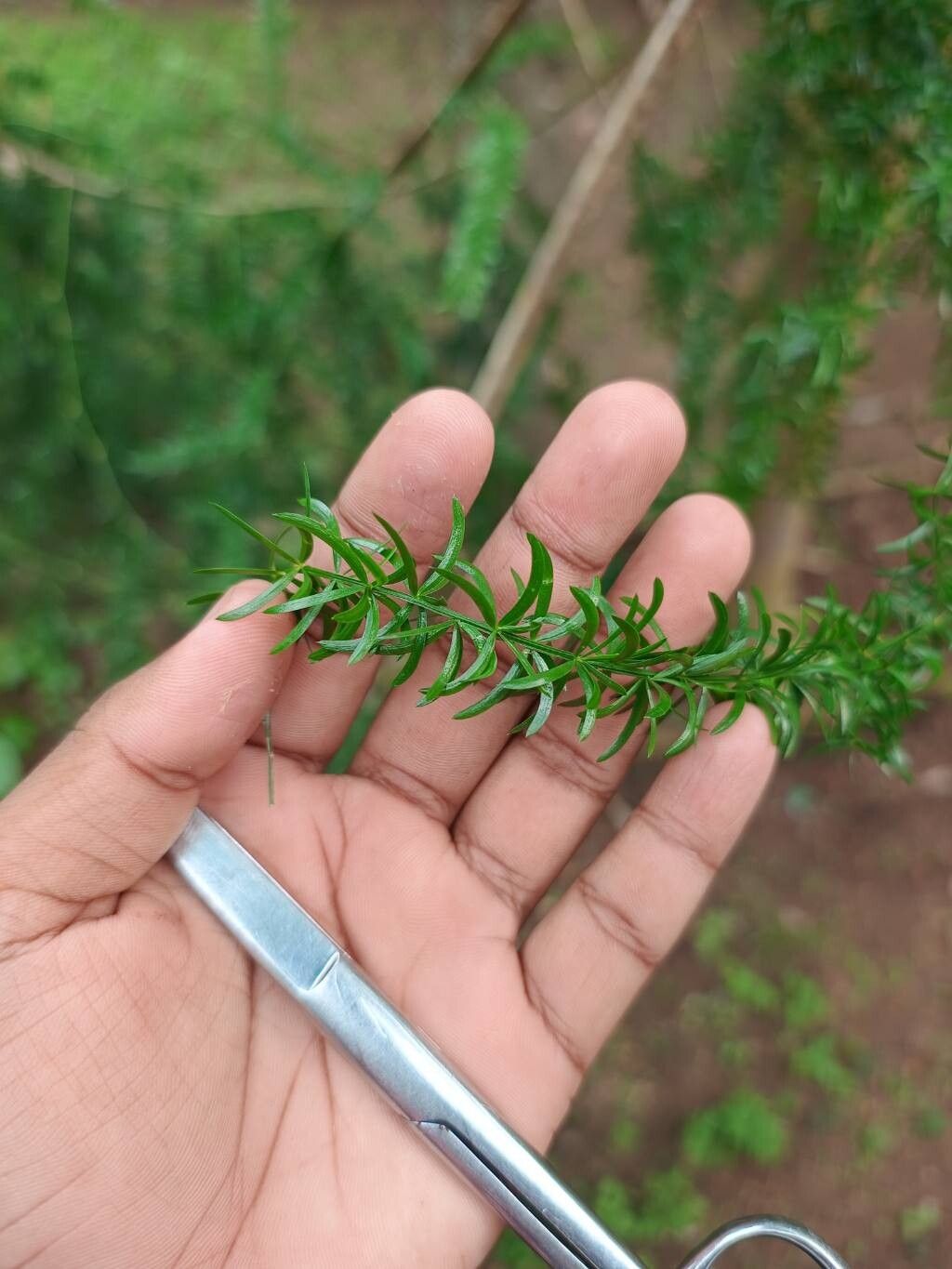
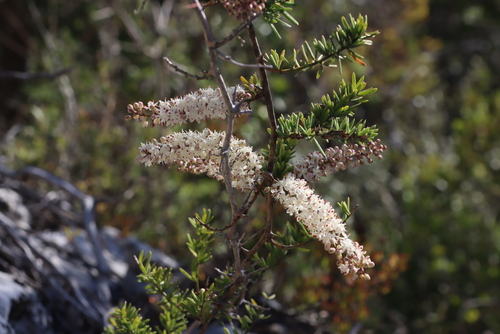
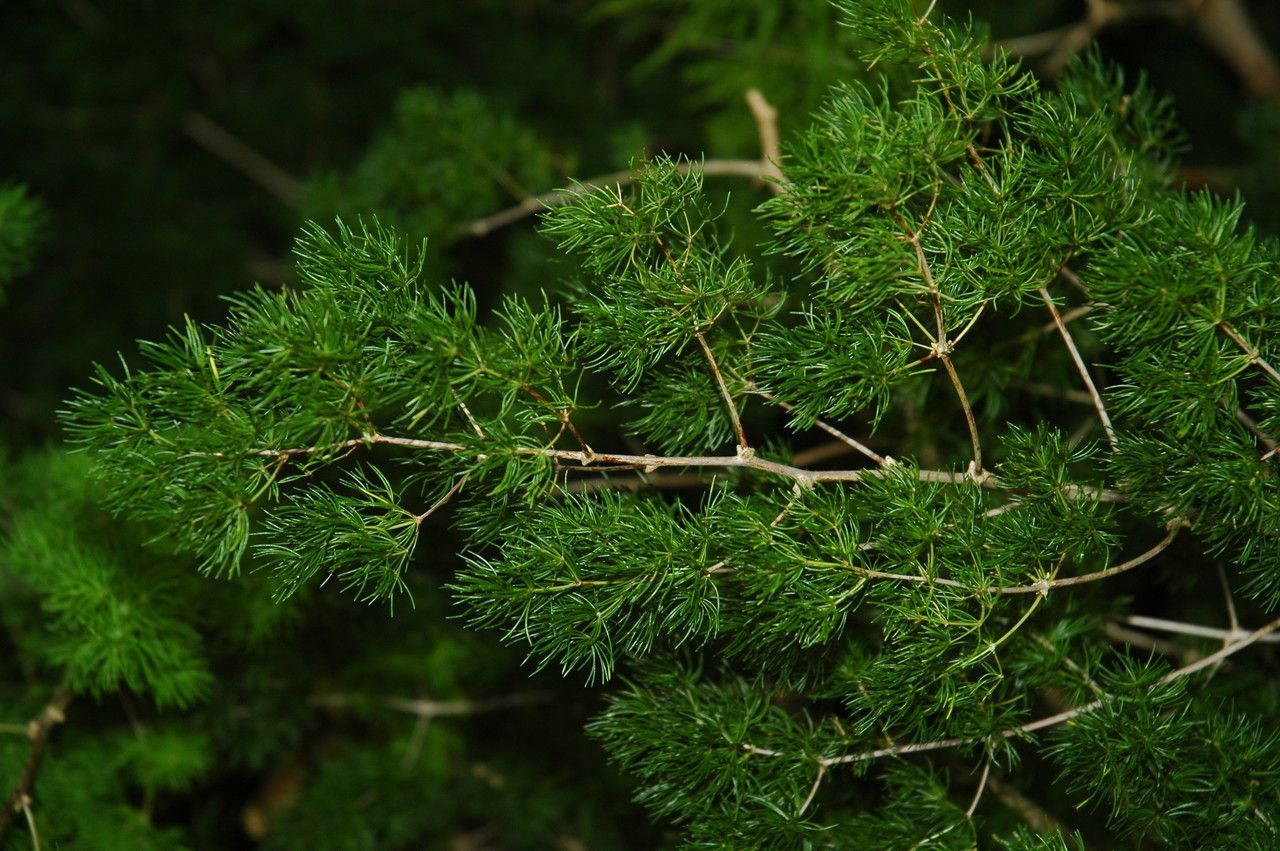
The plant features a woody stem that can grow up to 2 meters in height. Its leaves are small and needle-like, and its flowers are small and white or pinkish. The plant also produces red berries as its fruit.
Asparagus cochinchinensis contains various bioactive compounds such as saponins, flavonoids, alkaloids, and sterols, which have been found to possess medicinal properties including anti-inflammatory effects, antioxidant activity, and immune system modulation.
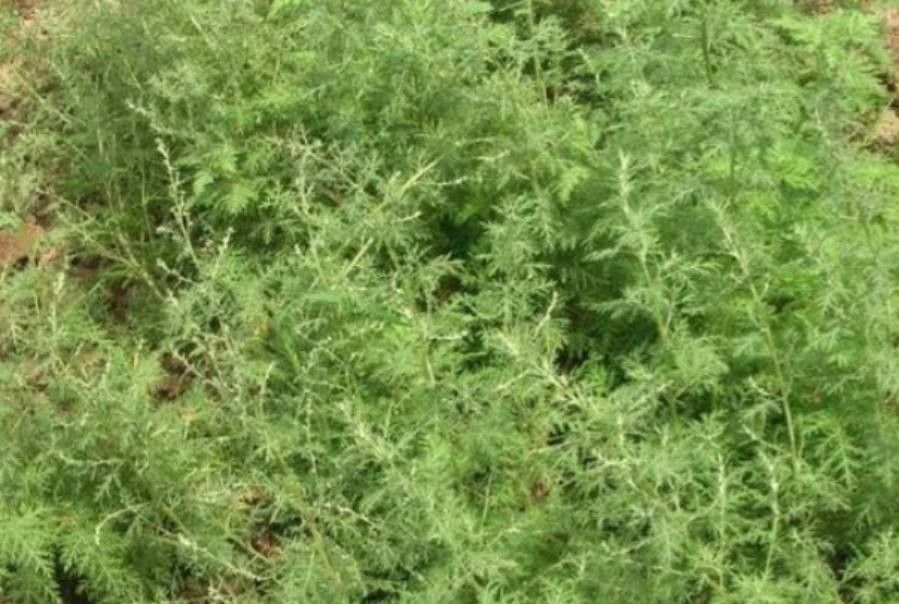
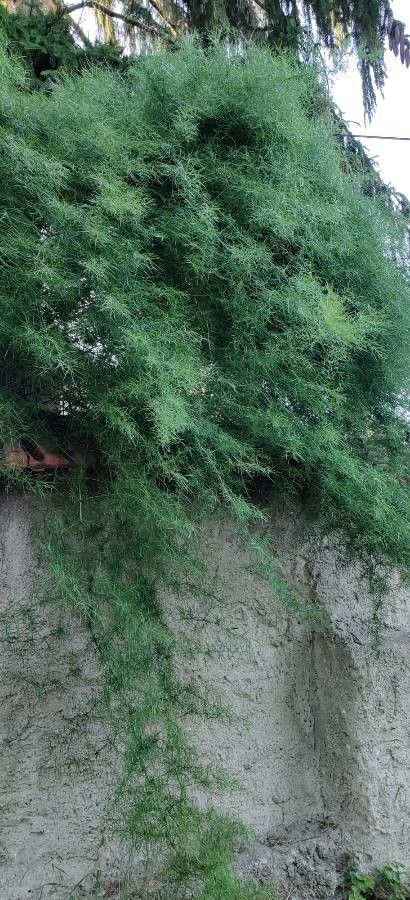
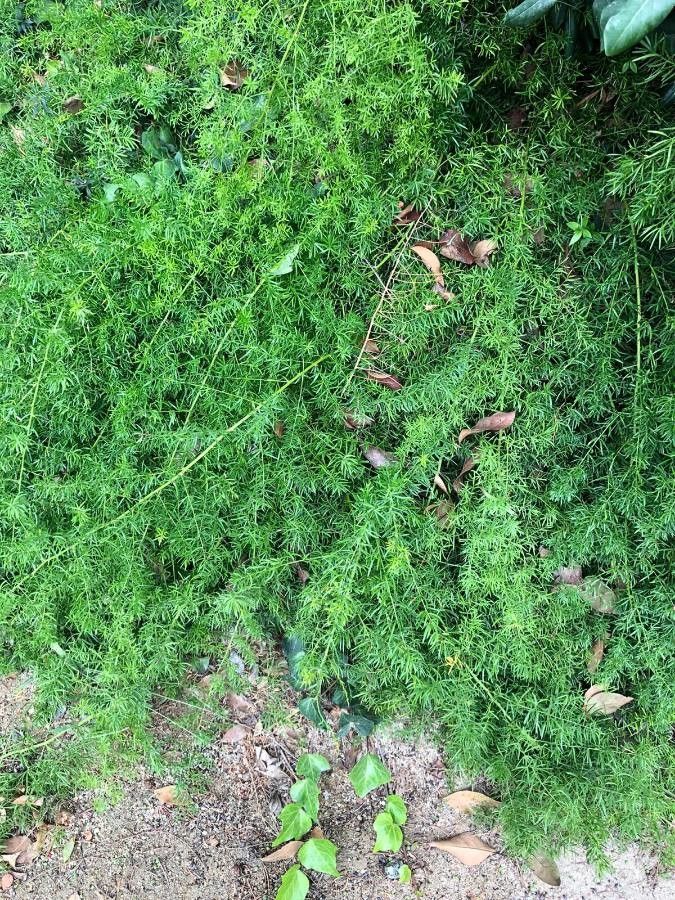
The most striking feature of the wild asparagus fern is its vibrant green color, which exudes vigor and vitality, much like a charismatic individual. With regular watering, it thrives robustly. Similarly, a reclusive poet can eloquently express the essence of life using just a field, paper, and pen. FUN FACT · FROM THE LIBRARY
The roots of Asparagus cochinchinensis are particularly valued for their high concentration of saponins, which have been found effective against various ailments such as coughs, colds, and fever. The roots can be consumed fresh, or dried and then boiled into tea.
Overall, Asparagus cochinchinensis is an important medicinal herb with numerous health benefits, making it an essential component of traditional medicine practices across Asia.
Wild asparagus is fairly disease-resistant and usually not prone to illnesses. However, it can be vulnerable to pests and diseases found in its surroundings. These issues are typically not severe. As for care, the plant requires a moderate level of maintenance. It needs regular pruning to keep a tidy appearance and support healthy growth. Fertilizing can also help encourage flowering. Wild asparagus is well suited for anyone with outdoor space, such as a garden or patio, and does not demand extensive care experience. It may need more attention when grown indoors.
How to keep Asparagus Cochinchinensis.
Light
Wild asparagus does best in spots where it gets most of the day's sunlight. Throughout its development it can tolerate areas with reduced light without harm. Because it comes from brightly lit habitats, imbalances—either too much or too little light—can damage its health.
Water
Wild asparagus thrives in humid conditions similar to its natural tropical environment. It prefers to be watered once a week to maintain balance. As an indoor evergreen plant, wild asparagus needs well-draining soil to prevent waterlogging and to keep its vibrant appearance.
Temperature
Wild asparagus is native to areas where temperatures range from 50 to 95 °F (10 to 35 ℃). It thrives within that range, and seasonal adjustments should be made to replicate those conditions.
Fertilizer
Typically, Wild asparagus requires only one application of fertilizer in spring, however, you can boost growth by feeding it several times. It should be fed once every thirty to forty-five days. Fertilization improves the look and functionality of the leaves, ensuring steady coloration and a robust texture. Additionally, it promotes root development and nutrient uptake, which contribute to the overall wellbeing of the plant in the long run.
Pruning
Wild asparagus is a perennial herb with edible roots. To maintain its health and appearance, prune it in early spring. Remove dead stems and thin out crowded areas to improve air circulation. Avoid pruning late in the season to encourage vigorous new growth.
Pot & Repot
Repot wild asparagus every 2-3 years, preferably in the spring, using a medium-sized pot. Once repotted, place the plant in bright, indirect light and maintain slightly moist soil. Handling the plant gently after repotting will promote healthy growth and help protect its delicate root system.
Botanical profile.
- Plant Type
- Herb
- Life Cycle
- Perennial
- Genus
- Asparagus
- Family
- Asparagaceae
- Hardiness Zone
- 6-9
- Mature Height
- 0.91 m to 2.13 m
- Mature Spread
- 1.52 m to 3.66 m
- Leaf Color
- Green, Blue
- Leaf Type
- Deciduous
- Flower Color
- White
- Flower Size
- 0.51 cm to 0.76 cm
- Bloom Time
- Early summer, Mid summer
- Planting Time
- Spring, Autumn
- Harvest Time
- Late summer, Early fall, Mid fall
- Native Area
- Cambodia, Vietnam, Japan, Philippines, Laos, South Korea, China
Other names.
Reader questions.
What are the sunlight requirements for Wild Asparagus (Asparagus cochinchinensis)?
Wild Asparagus requires varying degrees of sunlight depending on its growth stage. It thrives best in locations that receive a majority of the day's light. Full sun, which is above 6 hours of direct sunlight, is ideal for its optimal growth. However, it can also tolerate partial sun, which amounts to about 3-6 hours of sunlight. It's essential to monitor the movement of sunlight in your garden to identify areas that offer a suitable balance of light and shade, ensuring the plant's health and happiness.
What are the native temperature conditions for wild asparagus?
Wild asparagus is native to regions where the temperature range is between 50 to 95°F (10 to 35°C). It thrives in these temperatures, suggesting that efforts should be made to mimic such conditions across different seasons to ensure the plant's healthy growth and development.
How can artificial lighting support the growth of indoor Wild Asparagus?
Indoor Wild Asparagus plants benefit significantly from adequate lighting, especially when natural sunlight is insufficient. Artificial lights can replicate the sunlight's spectrum, promoting healthier growth. LED lights are recommended due to their ability to provide necessary wavelengths. For full sun plants, 30-50W/sq ft of light is ideal; partial sun plants require 20-30W/sq ft, and full shade plants need 10-20W/sq ft. Positioning the light source 12-36 inches from the plant is optimal to mimic natural sunlight, with 8-12 hours of light per day being beneficial for most plant species.
What are the cold resistance capabilities of wild asparagus?
Wild asparagus possesses strong cold resistance, making special frost protection measures generally unnecessary during winter. However, if winter temperatures are expected to drop below -25°C, it's important to provide cold protection by covering the plant with materials such as soil or straw. Additionally, watering the plant abundantly before the first freeze in autumn can help ensure the soil remains moist and enters a frozen state, which prevents drought and water scarcity for the plant during the cold season.
What are the symptoms of inadequate lighting for Wild Asparagus?
Inadequate lighting can lead to several issues for Wild Asparagus, such as smaller new leaves, leggy or sparse growth, faster leaf drop, and a halt in new growth, indicating the plant is in survival mode. Paler new leaves and chlorosis, the loss of green coloration, signify insufficient light. Sunscald and leaf curling can occur under excessive sunlight, while wilting and leaf scorching indicate overexposure and dehydration. These symptoms highlight the importance of monitoring and adjusting the light exposure for the health of Wild Asparagus.
How does low temperature affect wild asparagus and what are the solutions?
Wild asparagus is cold-tolerant and thrives best when temperatures are above 10°C. During winter, it should be kept above -15°C. If temperatures fall below -25°C, there may not be any noticeable changes during winter, but there could be a decrease in sprouting or a failure to sprout during springtime. The solution for any parts that fail to sprout in spring is to remove them.
How can I address light deficiency symptoms in Wild Asparagus?
To counter light deficiency in Wild Asparagus, gradually increase its exposure to sunlight. For indoor plants, move them closer to a south-facing window or use artificial lighting, ensuring they receive at least 6 hours of direct light daily. Outdoors, transition plants to sunnier spots over a few weeks to prevent sunburn. Removing obstructions or transplanting to brighter locations can also improve light access. Note that damaged parts might not recover, but new growth can flourish with better lighting conditions.
How does high temperature affect wild asparagus and what are the solutions?
In the summer, wild asparagus should be kept below 35°C. When temperatures exceed 38°C, the leaves may lighten in color, become prone to curling, suffer from sunburn, and in severe cases, the entire plant may wilt and dry up. To counteract this, sunburned and dried parts should be trimmed away. Moving the plant to a location that offers shade during the midday and afternoon sun, or using a shade cloth, can provide relief. Additionally, watering the plant in the morning and evening will help keep the soil moist and support the plant's health.