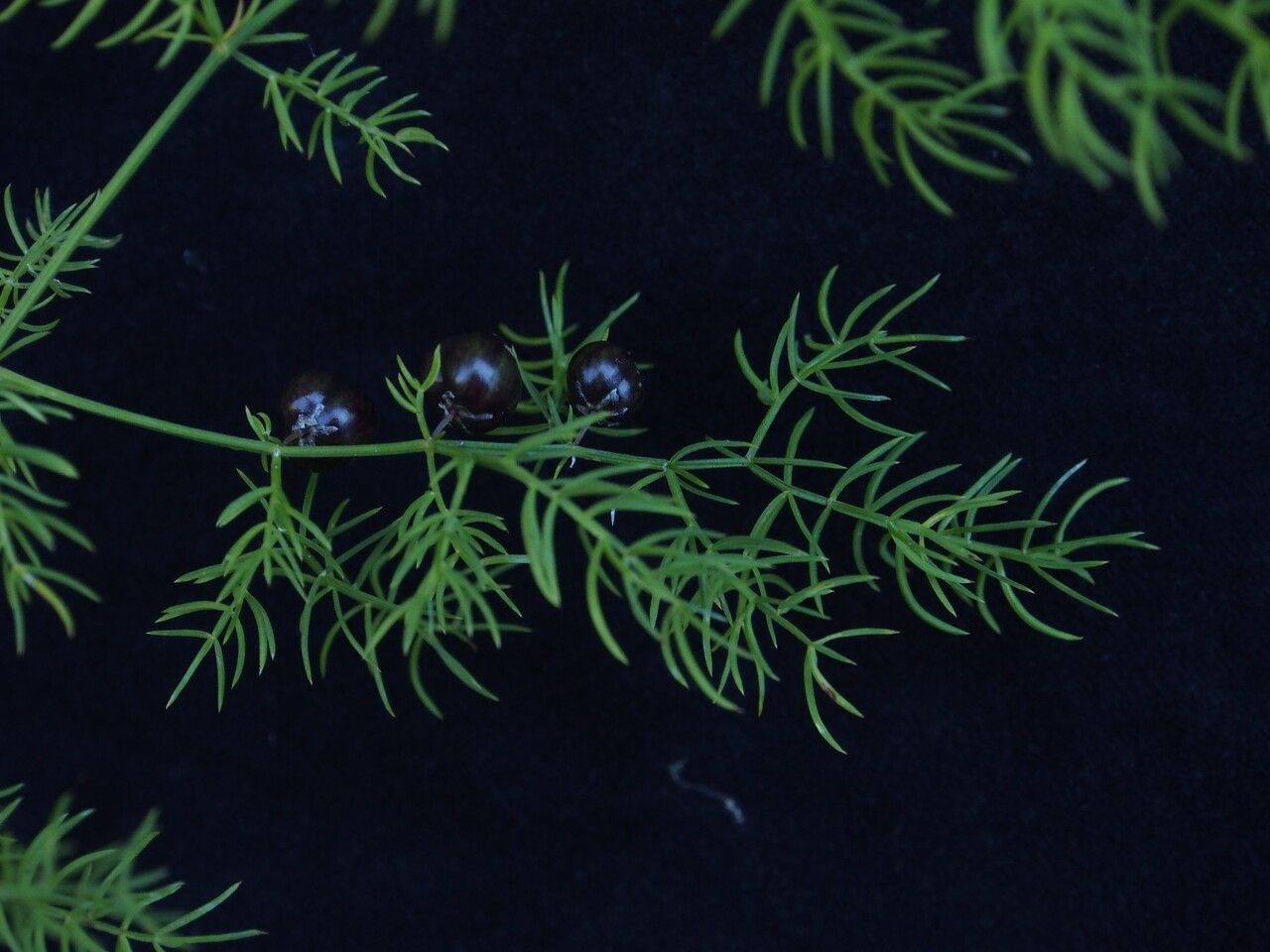
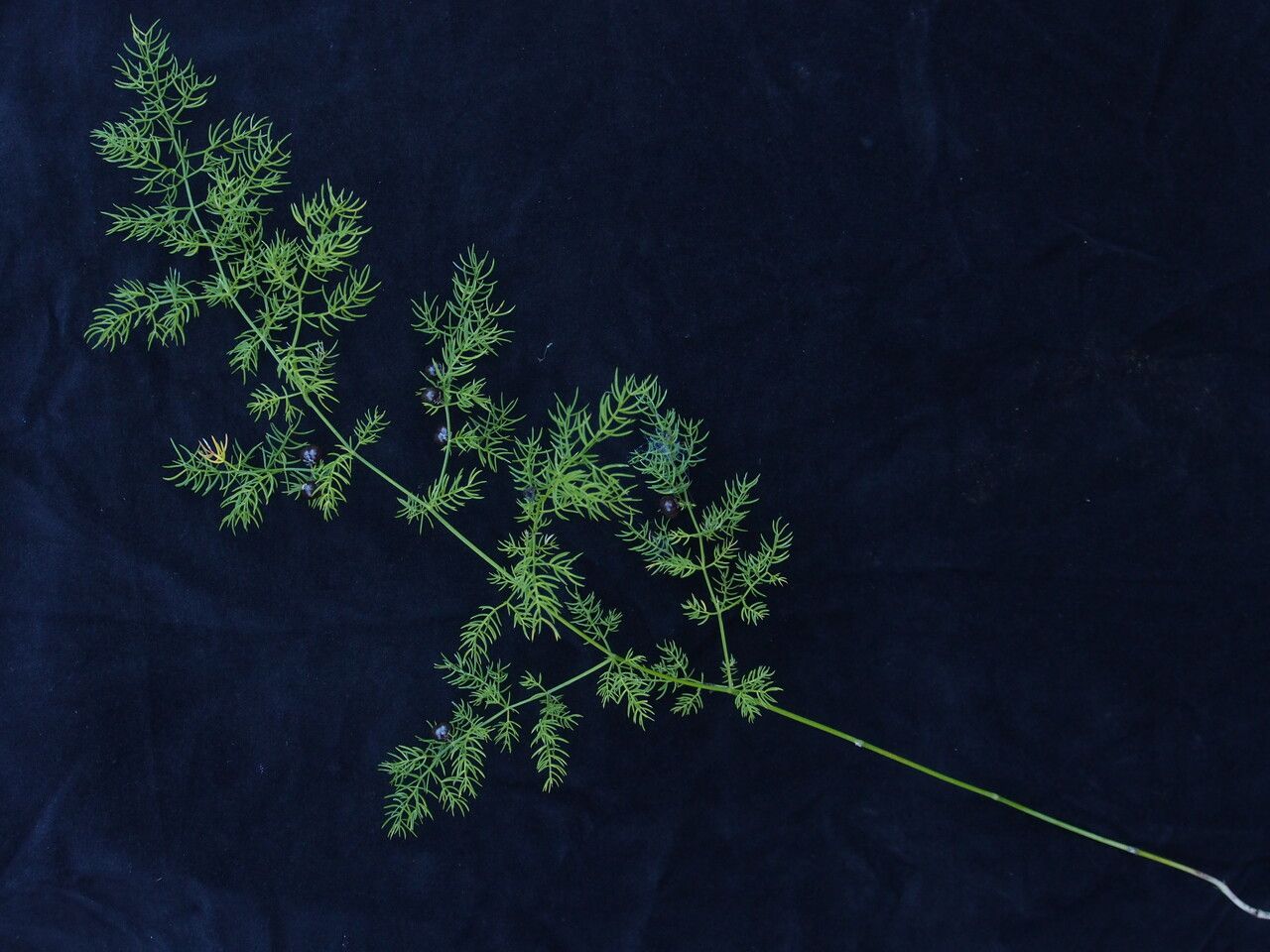
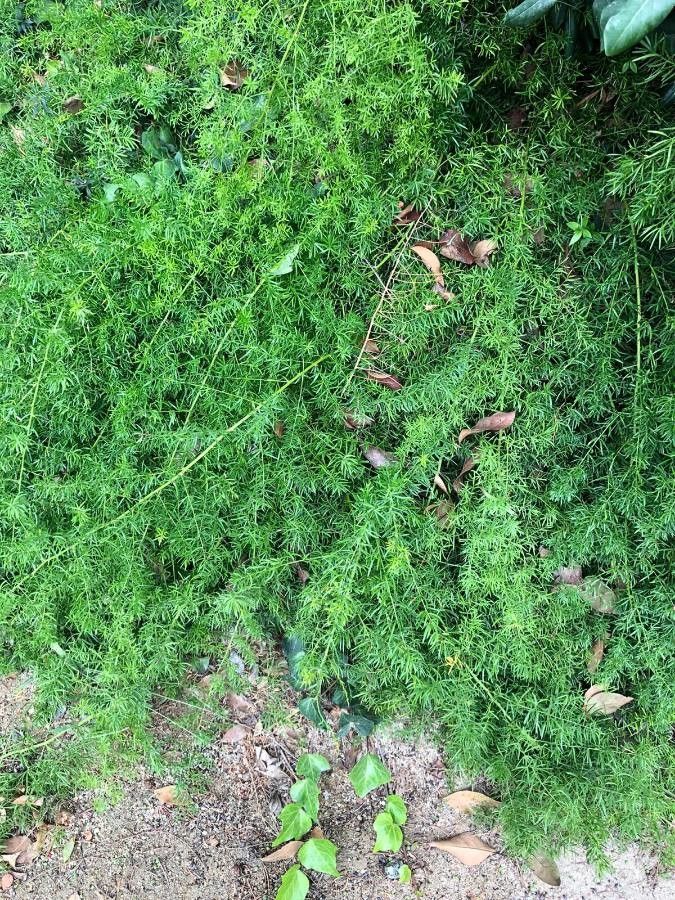
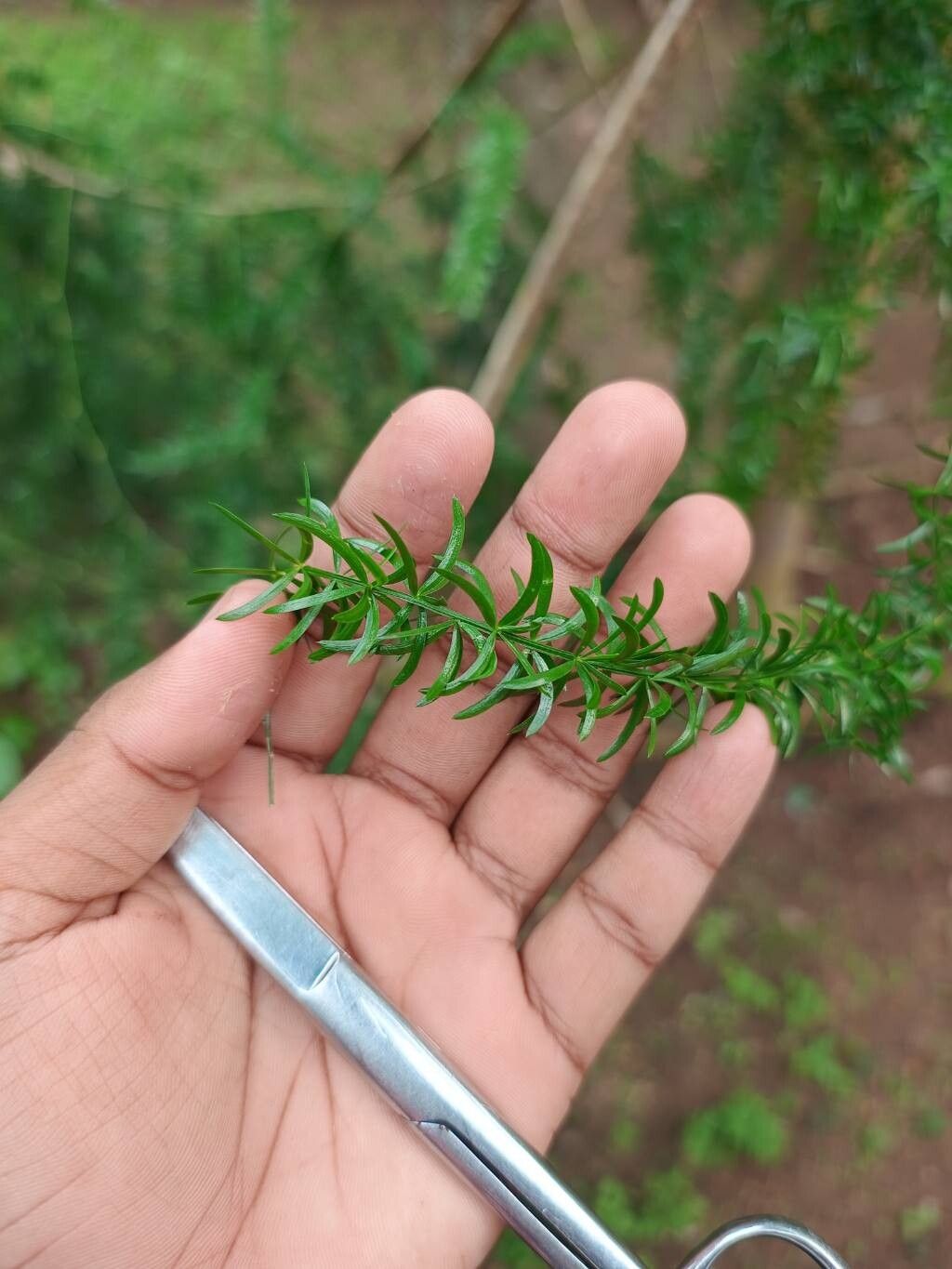
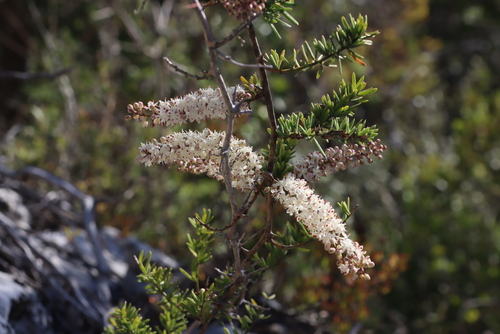
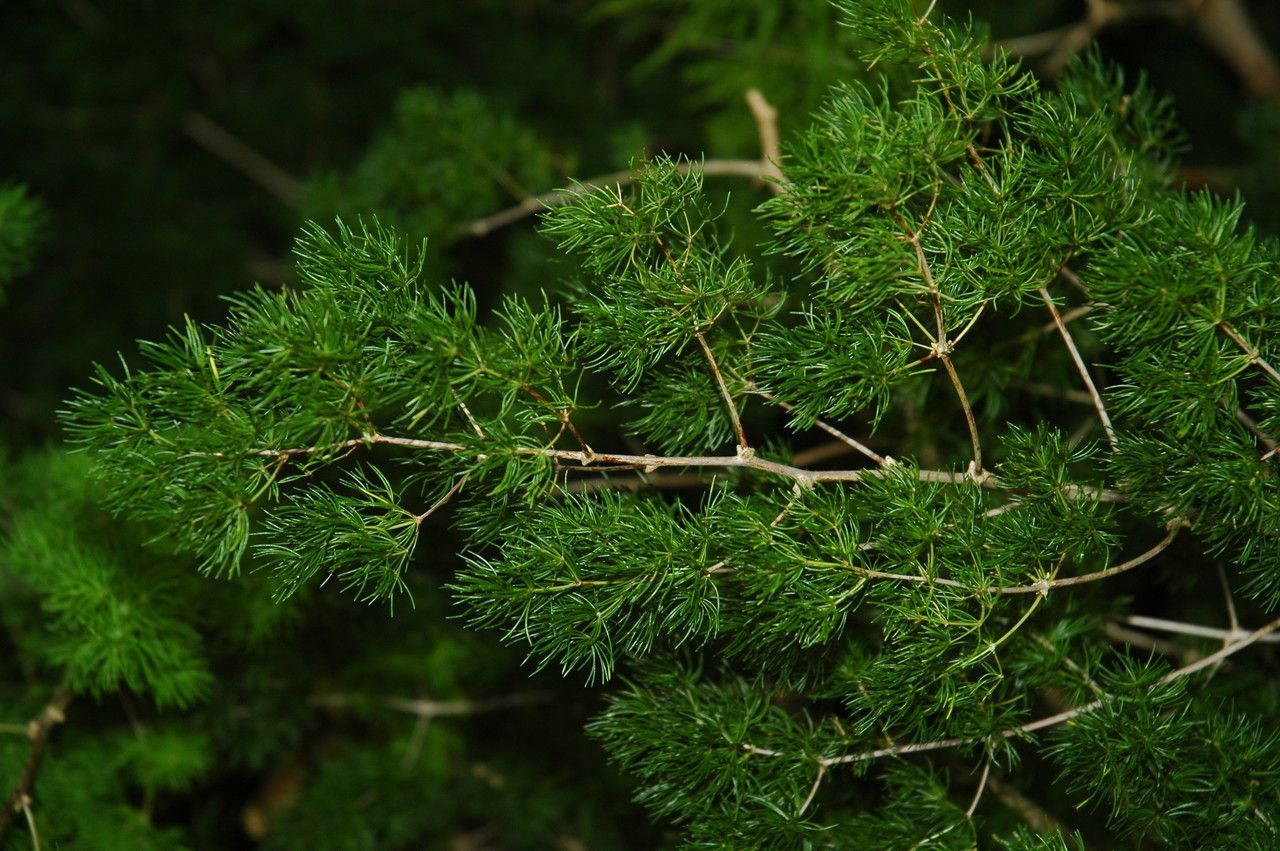
Fern asparagus resists disease well and is generally not prone to illnesses. Still, it can be affected by pests and diseases present in its environment. These problems are typically mild. Regarding upkeep, this plant needs a moderate level of care. Regular pruning is necessary to preserve a neat appearance and support healthy growth. Applying fertilizer can also encourage blooming. Fern asparagus is a good choice for anyone with outdoor areas like a garden or patio and does not demand extensive gardening experience. It may need additional attention when kept indoors.
How to keep Asparagus Filicinus.
Light
Fern asparagus naturally occurs in settings like forest understories and rocky sites, where it grows in natural shade. It prefers partial sun but can adjust to full sun or full shade, showing its versatile, hardy nature.
Water
Fern asparagus thrives in high humidity and prefers slightly moist soil, requiring weekly watering. Although it is moderately drought-tolerant, it performs best in stable, humid environments. For indoor placement, choose well-lit areas such as bathrooms, where it can benefit from steam and warmth.
Temperature
Fern asparagus can tolerate a wide range of temperatures, but its range may nonetheless be restricted by different combinations of water and heat conditions. It grows best in warm summer climates with sufficient rainfall or irrigation. Extended periods of cloudy, rainy weather or prolonged high temperatures can raise the risk of Fern asparagus dying. In winter, protecting the plant from cold can increase its chances of survival.
Fertilizer
One application of fertilizer in spring is generally enough for Fern asparagus, though several feedings can help maximize growth. Feed every month to every month and a half. Fertilizing improves the leaves’ appearance and function, promoting even color and a healthy texture. It also encourages root development and nutrient uptake for long-term plant health.
Pruning
Fern asparagus is a hardy ornamental plant known for its delicate, feathery foliage. To maintain its shape and health, it's best to prune it in early spring, focusing on shaping the plant and removing any damaged fronds. Avoid heavy pruning when the plant is actively growing. Regular upkeep promotes dense growth, enhances airflow, and reduces the risk of disease, resulting in a healthier and more attractive plant.
Botanical profile.
- Plant Type
- Herb
- Life Cycle
- Perennial
- Genus
- Asparagus
- Family
- Asparagaceae
- Hardiness Zone
- 7-10
- Mature Height
- 61 cm to 91 cm
- Mature Spread
- 49 cm to 76 cm
- Leaf Color
- Light Green, Forest Green
- Leaf Type
- Evergreen
- Flower Size
- 0.51 cm to 0.51 cm
- Bloom Time
- Early summer, Mid summer
- Planting Time
- Spring, Summer, Autumn
- Harvest Time
- Late summer, Early fall, Mid fall
- Native Area
- India, Myanmar, Pakistan, Thailand, China
Other names.
Reader questions.
What are the sunlight requirements for Fern Asparagus (Asparagus filicinus)?
Fern Asparagus, scientifically known as Asparagus filicinus, thrives under specific sunlight conditions. It requires partial sun, meaning it should receive about 3-6 hours of sunlight daily. For areas that fall under full shade, less than 3 hours of sunlight is necessary. It is crucial to observe the movement of sunlight through your garden to identify spots that offer an ideal balance of light and shade. This careful selection ensures the plants remain happy and healthy.