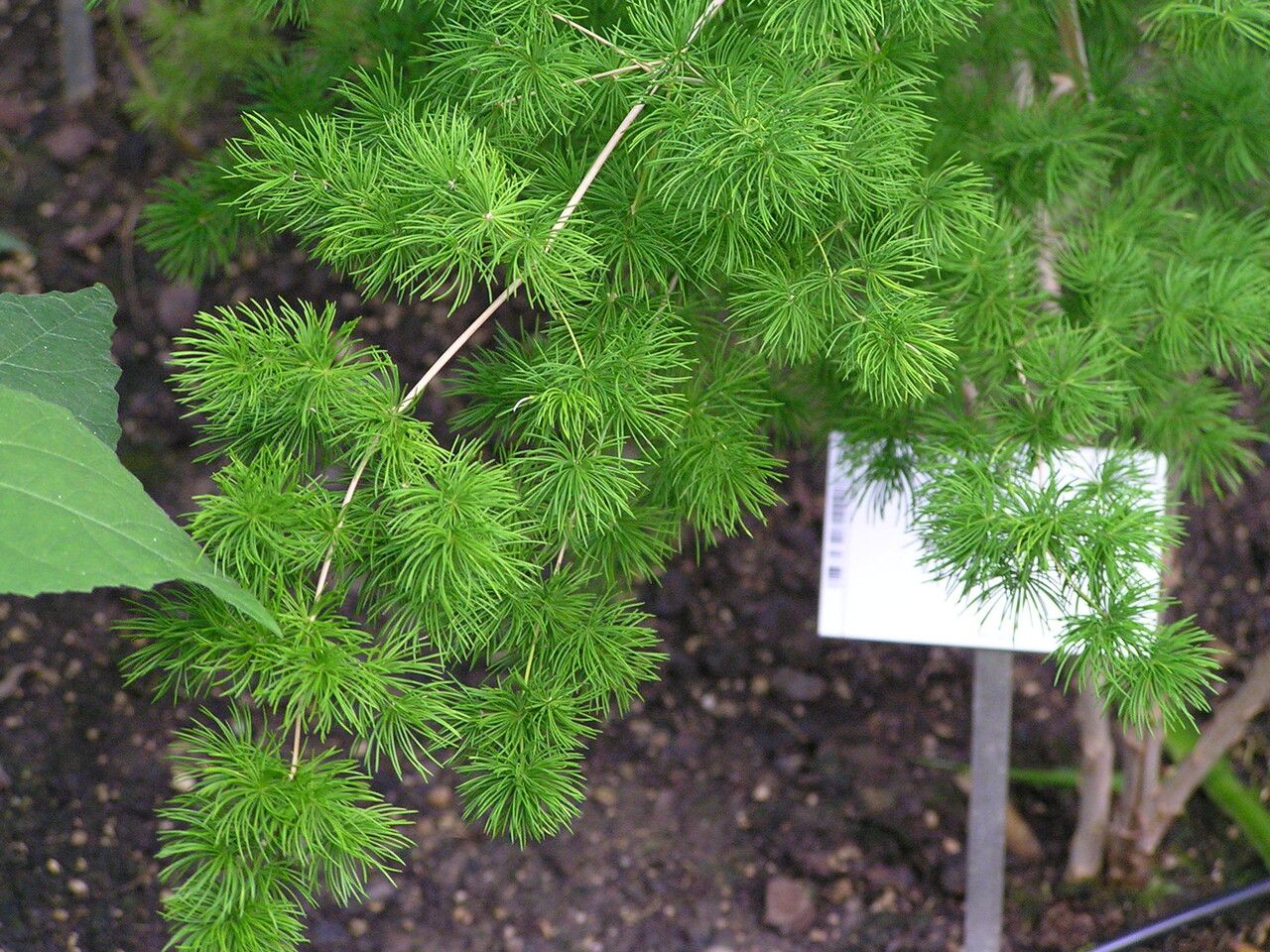
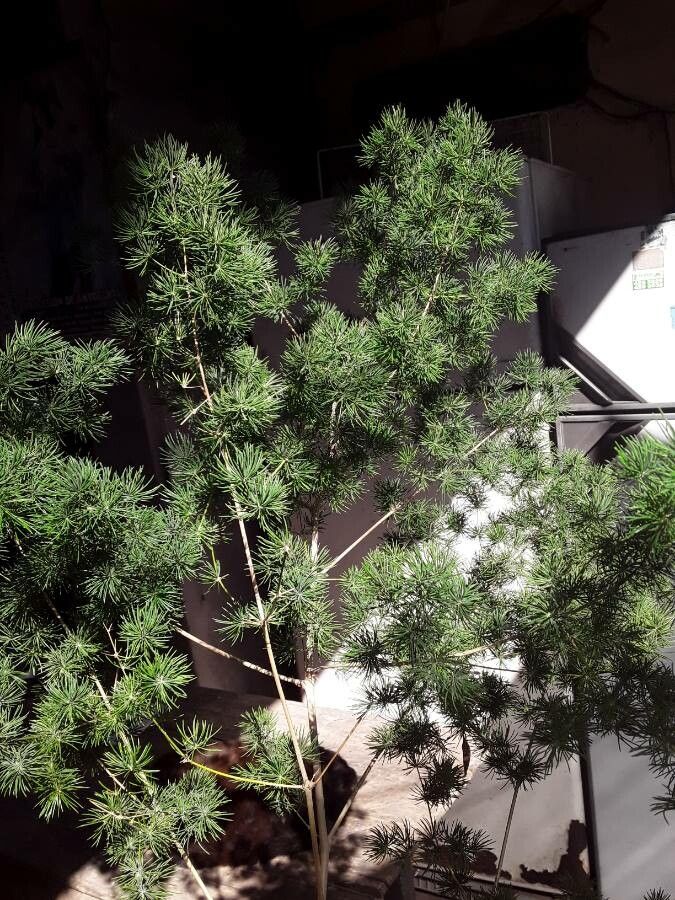
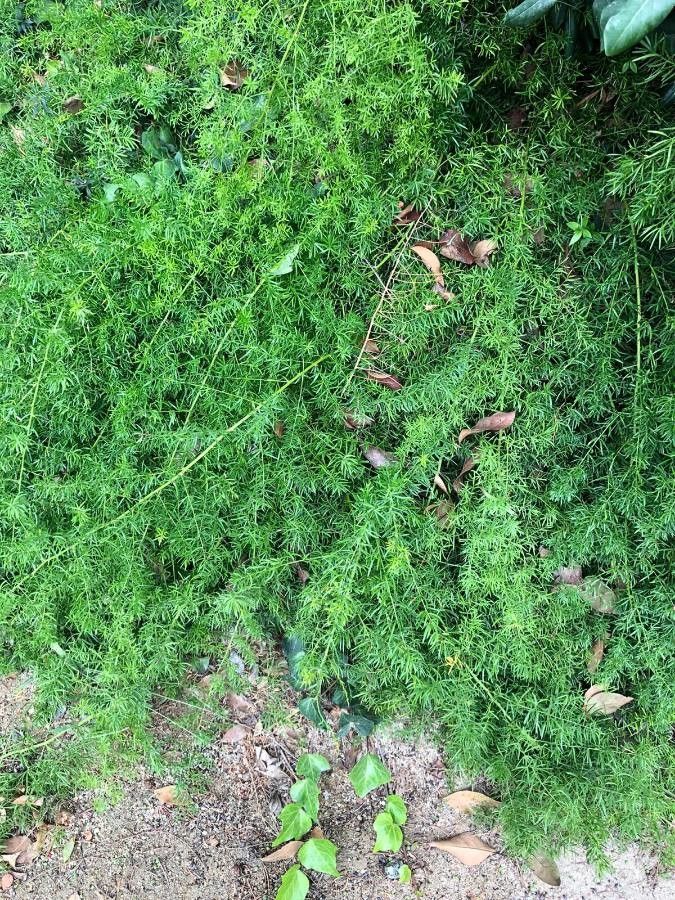
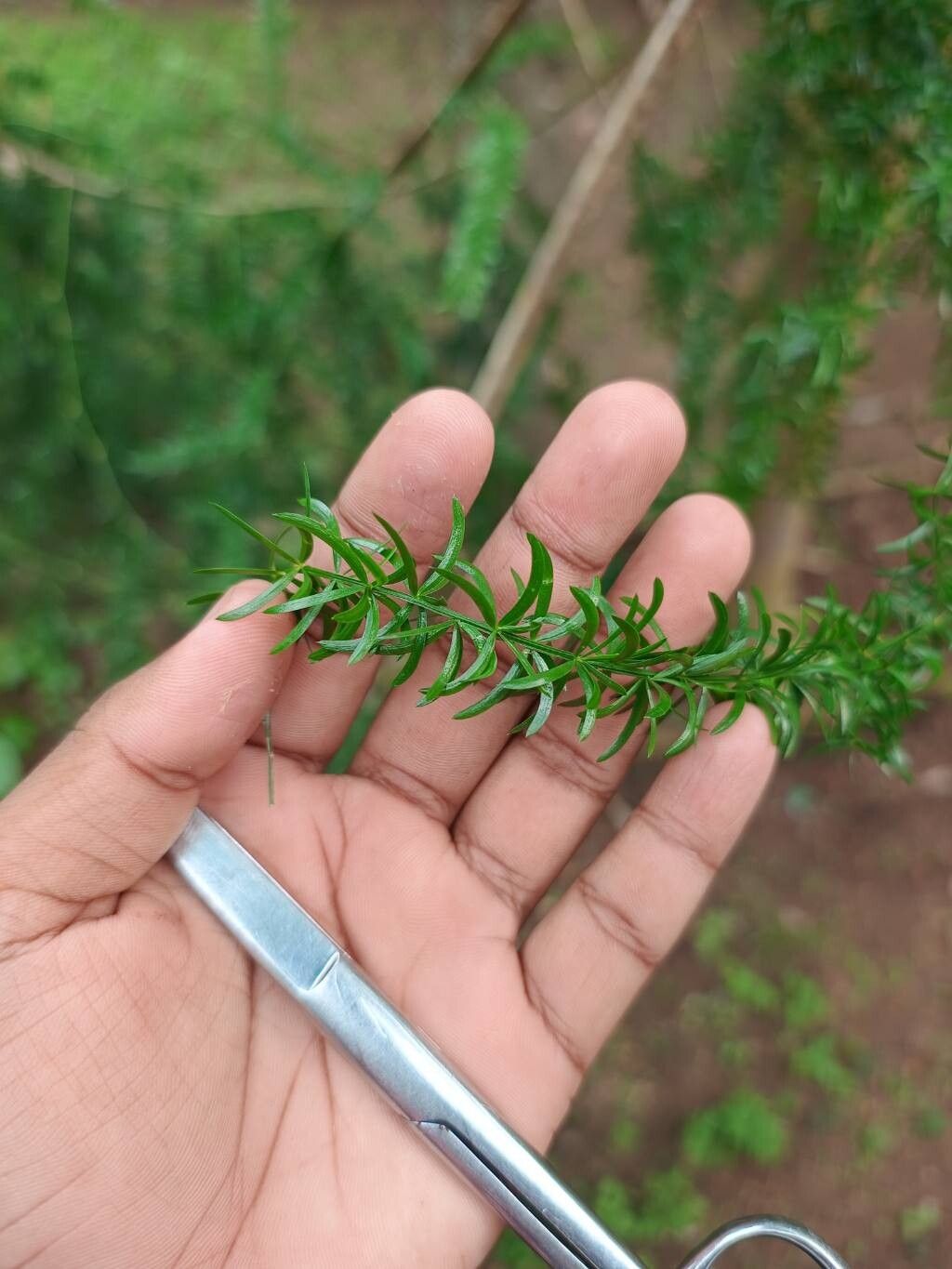
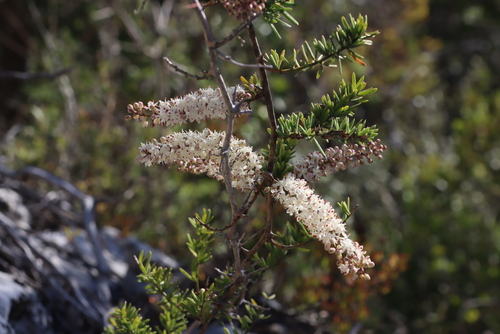
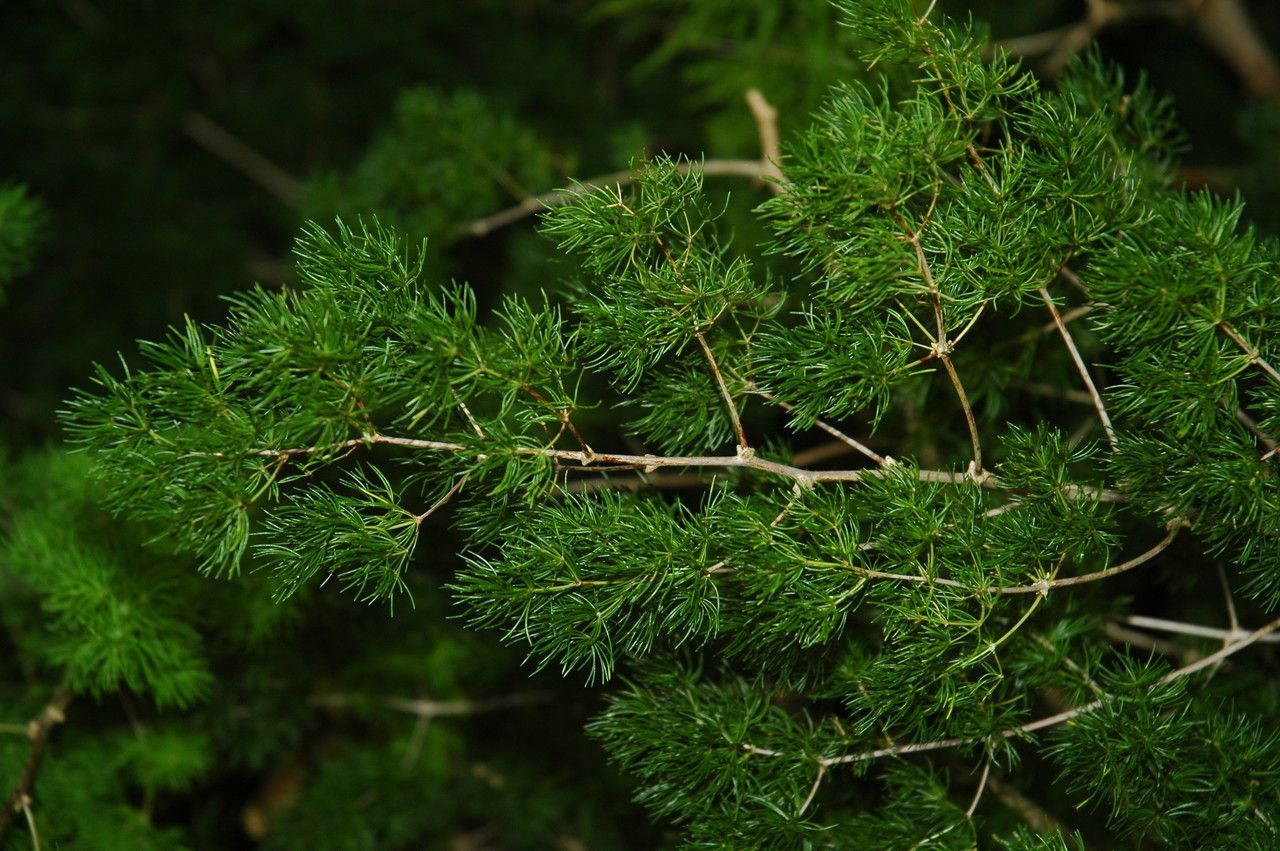
Zulu asparagus has strong resistance to disease and is generally unlikely to suffer from illnesses. In terms of care, this plant is fairly low-maintenance. When grown outdoors, it needs little watering, and larger plants typically do not require pruning. Smaller plants, however, should be pruned after they have finished blooming. Zulu asparagus is appropriate for anyone with an outdoor area, such as a garden or deck, and does not demand extensive plant-care experience.
How to keep Asparagus Macowanii.
Light
Zulu asparagus thrives with abundant sunlight for best growth, though it can tolerate locations with less sun. Native to sun-filled habitats, the plant's health declines when light is lacking or when it is overexposed, affecting its vibrant green color and overall growth.
Water
Zulu asparagus, a plant native to arid regions, is known for its excellent drought tolerance and efficient water storage capabilities. It only needs to be watered every 2-3 weeks. Ideal for xeriscapes, this plant prefers well-draining soil and can stay hydrated during long dry spells, showcasing remarkable resilience in its natural environment.
Temperature
Zulu asparagus is native to regions where temperatures range from 32 to 105.8 °F (0 to 41 °C) and can adapt to fluctuating climates. It grows best within that same temperature range, so adjust warmer or cooler conditions as appropriate during different seasons.
Fertilizer
The timing of fertilizing Zulu asparagus is critical. Apply fertilizer in early spring and continue monthly until early summer. Fertilizer helps produce lovely blooms and supplies energy during both dormant and active growth phases.
Pruning
Zulu asparagus is a hardy perennial known for its feathery foliage and edible spears. To keep the plant healthy, it's important to prune it in early spring. This practice helps by removing dead stems, improving air circulation, and stimulating new growth. Make sure to sanitize your tools before pruning to prevent the spread of disease. Regular pruning not only enhances the plant's yield but also maintains a neat appearance, aligning well with the natural growth cycle of Zulu asparagus.
Botanical profile.
- Plant Type
- Shrub
- Life Cycle
- Perennial
- Genus
- Asparagus
- Family
- Asparagaceae
- Hardiness Zone
- 3-13
- Mature Height
- 1.22 m to 1.83 m
- Mature Spread
- 0.91 m to 1.52 m
- Leaf Color
- Green
- Leaf Type
- Evergreen
- Flower Color
- White, Cream
- Flower Size
- 0.51 cm to 0.76 cm
- Bloom Time
- Mid spring, Late spring
- Planting Time
- Spring, Summer, Autumn
- Harvest Time
- Early summer, Mid summer
- Native Area
- South Africa, Mozambique
Other names.
Reader questions.
What are the sunlight requirements for Zulu asparagus?
Zulu asparagus thrives best with generous exposure to sunlight, ideally preferring full sun for optimal growth. It requires above 6 hours of sunlight daily for full sun conditions, and about 3-6 hours of sunlight for partial sun conditions. However, it can still grow in less sunny areas. It's essential to observe how sunlight moves through your garden to ensure you're providing the right balance of light and shade for your plants. Too little or too much sunlight can lead to health issues for the plant, affecting its growth and color.
What is Zulu asparagus and where is it indigenous to?
Zulu asparagus, botanically known as Asparagus macowanii, is indigenous to regions experiencing wide temperature fluctuations, ranging from 32 to 105.8 °F (0 to 41 °C). Its adaptability allows it to thrive in climates with fluctuating temperatures, making it a versatile plant for various environments.
How can artificial lighting be used for indoor Zulu asparagus plants?
Indoor Zulu asparagus plants can benefit from artificial lighting, especially when natural sunlight is insufficient. LED lights are a popular choice because they can be customized to provide specific wavelengths needed for plant growth. For full sun plants, including Zulu asparagus, 30-50W/sq ft of artificial light is recommended. The artificial light source should be placed 12-36 inches above the plant to mimic natural sunlight. To ensure optimal growth, mimic natural daylight hours, which means providing 8-12 hours of light per day.
How does Zulu asparagus react to different seasonal temperatures for optimal growth?
Optimal growth of Zulu asparagus occurs within the temperature range of 32 to 105.8 °F (0 to 41 °C). To foster growth throughout the seasons, it is important to adjust the surrounding environment to either warmer or cooler conditions as required. The plant demonstrates strong resistance to cold, generally eliminating the need for special frost protection measures during the winter. However, in extremely cold conditions where temperatures are expected to fall below -35°C, it's crucial to protect the plant by wrapping its trunk and branches with insulating materials such as non-woven fabric or cloth. Additionally, watering the plant abundantly before the first freeze in autumn helps keep the soil moist and prevents drought and water scarcity during winter and early spring.
What are common symptoms of inappropriate lighting in Zulu asparagus?
Zulu asparagus may show several symptoms if it's not receiving appropriate lighting, indicative of either too little or too much light. Symptoms of insufficient light include smaller new leaves, leggy or sparse growth, faster leaf drop, slower or no new growth, and lighter-colored new leaves. On the other hand, symptoms of too much light can include chlorosis, where leaves turn yellow, sunscald, leaf curling, wilting, and leaf scorching. These symptoms reflect the plant’s struggle with light conditions, impacting its overall health.
What are the important symptoms to look for in Zulu asparagus due to temperature fluctuations?
In conditions of low temperature, particularly when temperatures fall below -35°C, Zulu asparagus remains cold-tolerant but may show no overt changes during winter. However, its branches may become brittle and dry come spring, leading to a lack of new shoot emergence. The remedy for this is to prune away any dead branches that failed to produce new leaves once spring arrives. In the face of high temperatures, especially above 41°C, the plant's leaves may lighten in color, and the tips may dry and wither, making the plant more prone to sunburn. Solutions include trimming away sunburned and dried-up parts, relocating the plant to a shaded area or using a shade cloth for protection against the harsh midday and afternoon sun, and ensuring the soil remains moist through morning and evening watering.
What solutions are available for Zulu asparagus struggling with sunlight exposure?
To address sunlight exposure issues with Zulu asparagus, you can adopt several strategies. For indoor plants, gradually moving them to a sunnier location each week until they receive at least 6 hours of direct sunlight daily is recommended. If the plant is large or not easily movable, consider using artificial lights, keeping them on for at least 8 hours daily. For outdoor plants, also move them gradually to sunnier spots to avoid shock. If sunlight is obstructed by trees or other objects, consider pruning or relocating the plant to a spot with ample sunlight and good drainage. Note that parts of the plant already affected by poor light might not recover, but new growth should be healthy.