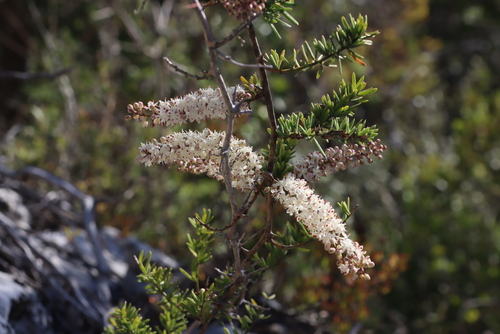
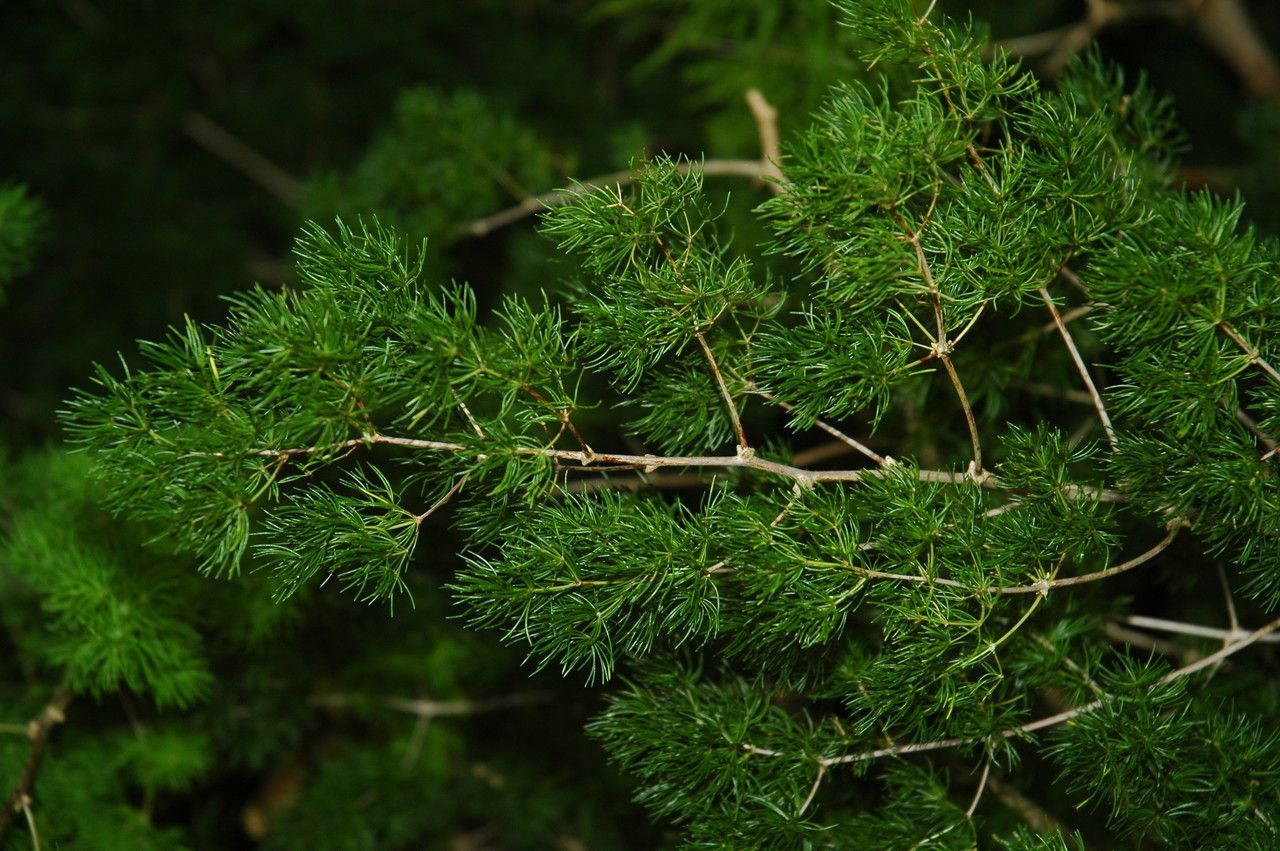
Siberian asparagus is fairly disease-resistant and is generally not affected by illnesses. However, it can be vulnerable to pests and diseases present in its surroundings. These infections are typically not severe. As for care, the plant requires moderate maintenance. Regular pruning is needed to keep a tidy appearance and support healthy growth. Applying fertilizer can also help encourage flowering. Siberian asparagus is suitable for anyone with an outdoor area, such as a garden or patio, and does not demand extensive care experience. It may require more attention when grown indoors.
How to keep Asparagus Schoberioides.
Light
Siberian asparagus prefers locations with moderate sunlight and grows well under those conditions. It is, however, sufficiently adaptable to do well in places with much reduced sunlight. Too much or too little light can adversely affect its health and growth.
Water
Siberian asparagus, which comes from moderately moist environments, thrives with a slight drying of the soil between weekly waterings. It adapts well to changes in temperature and is able to conserve water during hotter seasons. This demonstrates its resilience and evolutionary adaptability.
Temperature
Siberian asparagus can tolerate a wide range of temperatures, though its distribution may still be constrained by specific combinations of moisture and heat. It performs best in warm summer climates with sufficient rainfall or irrigation. Extended periods of cloudy, rainy weather or prolonged high temperatures increase the chance of Siberian asparagus dying. In winter, adequate protection from cold improves the plant's survival chances.
Fertilizer
A single fertilizer application in spring is usually enough for Siberian asparagus, but repeated feedings can maximize growth. Feed it every month to a month and a half. Fertilizing improves the leaves' appearance and function, helping them keep an even color and healthy texture. It also promotes root development and nutrient uptake for long-term plant health.
Pruning
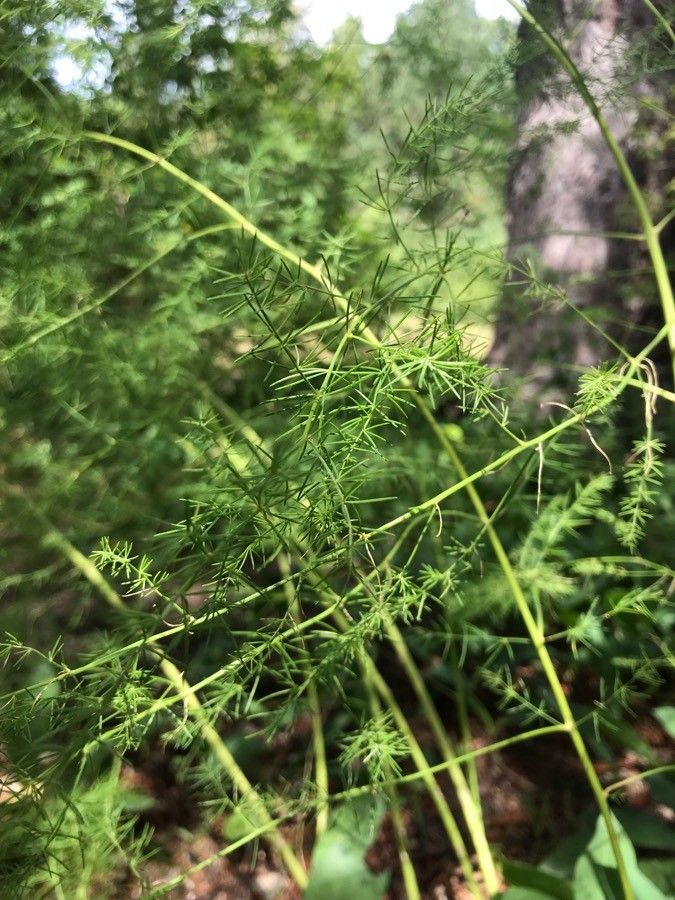
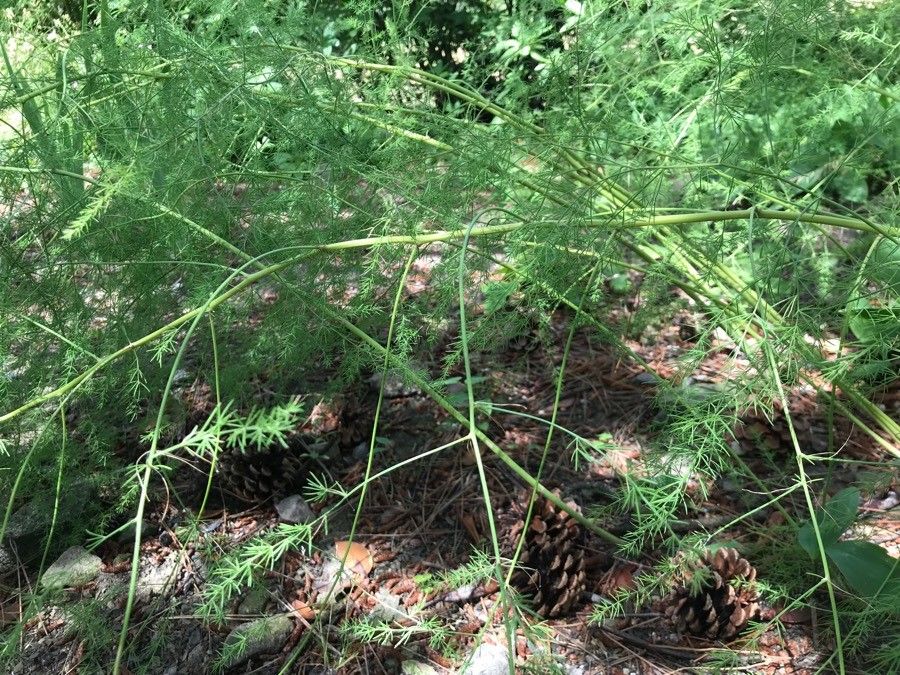
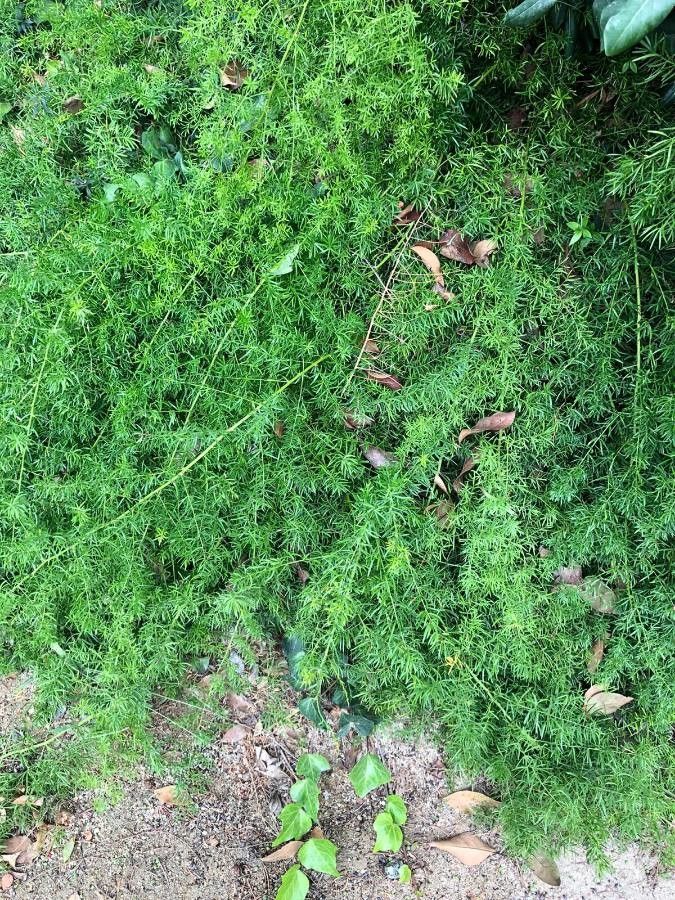
Siberian asparagus is characterized by its feathery foliage and arching stems. To maintain its health and appearance, it benefits from annual pruning in early spring. By trimming away dead stems, you can encourage new growth and improve air circulation, which helps reduce the risk of disease. For the best results, use clean, sharp tools that align with the plant's natural growth cycle.
Botanical profile.
- Plant Type
- Herb
- Life Cycle
- Perennial
- Genus
- Asparagus
- Family
- Asparagaceae
- Hardiness Zone
- 5-8
- Mature Height
- 91 cm
- Mature Spread
- 49 cm
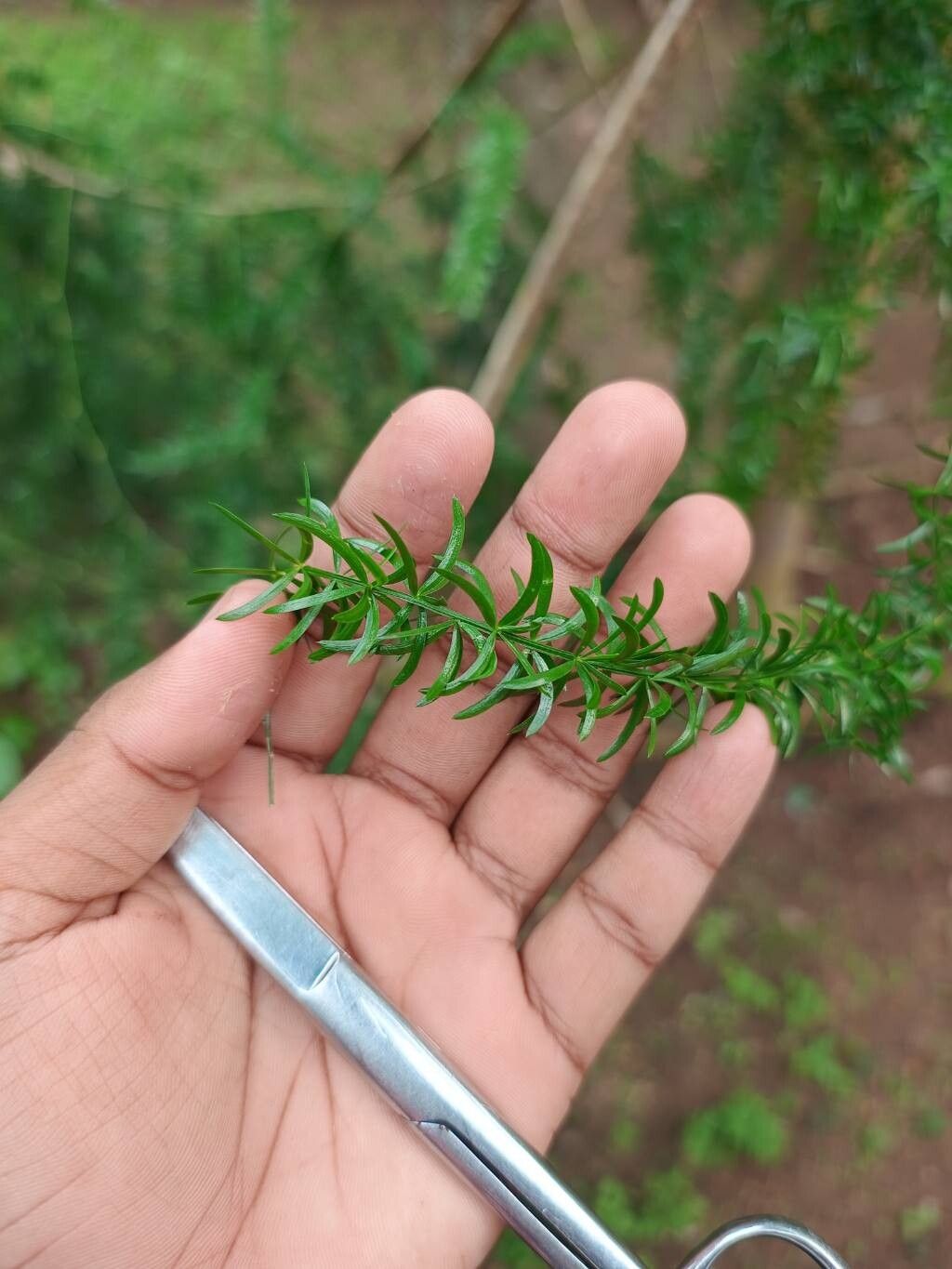
- Leaf Color
- Green
- Leaf Type
- Deciduous
- Flower Color
- White
- Flower Size
- 0.20 cm to 0.25 cm
- Bloom Time
- Late spring, Early summer
- Planting Time
- Spring, Summer, Autumn
- Harvest Time
- Late summer, Early fall, Mid fall
- Native Area
- Russia, Japan, Mongolia, Koppen, South Korea, China
Other names.
Reader questions.
What are the sunlight requirements for Siberian asparagus?
Siberian asparagus, known botanically as Asparagus schoberioides, thrives best in conditions that align with partial sun, requiring about 3-6 hours of sunlight daily. However, it is capable of growing in full shade, where sunlight is present for less than 3 hours. It's essential to observe how sunlight moves through your garden to find the ideal balance of light and shade, which will ensure the plants' optimal growth and happiness. Additionally, while Siberian asparagus prefers moderate sun exposure, it can also adapt to lesser lit areas, although too much or too little light can negatively affect its health.
What is the botanical name of Siberian asparagus?
The botanical name of Siberian asparagus is Asparagus schoberioides. This plant, often referred to by its common name, Siberian asparagus, is known for its unique characteristics distinct from the typical asparagus varieties familiar to many.
How should I use artificial lighting for Siberian asparagus indoors?
For indoor Siberian asparagus plants, adequate lighting is crucial, especially when natural sunlight is inadequate, such as in winter or less sunny spaces. Artificial lights, particularly LED, are recommended as they can be tailored to provide necessary wavelengths of light. Full sun plants require 30-50W/sq ft, partial sun 20-30W/sq ft, and full shade 10-20W/sq ft of artificial light. The light source should be placed 12-36 inches above the plant, mimicking natural sunlight as closely as possible. Most plants will benefit from 8-12 hours of light daily to promote healthier, faster growth.
What are the symptoms of insufficient light in Siberian asparagus?
When Siberian asparagus is grown indoors under insufficient lighting, it may exhibit several symptoms indicating light deficiency. These include smaller new leaves, leggy or sparse growth, early leaf drop to conserve resources, slowed or halted growth, pale new leaves due to a lack of chlorophyll, chlorosis (leaves turning yellow), sunscald, leaf curling, wilting, and leaf scorching. Each of these symptoms suggests that the plant is struggling with the current light conditions and may require adjustments to improve its exposure to light.
How can I remedy the symptoms of poor lighting for Siberian asparagus?
To address symptoms of poor lighting in Siberian asparagus, gradually increase its exposure to sunlight or artificial light. Indoors, you can move the plant to sunnier spots week by week or use artificial lighting such as desk lamps or professional grow lights for at least 8 hours a day. Outdoors, adjust the plant's location slowly to acclimatize it to stronger sunlight, avoiding sudden changes to prevent sunburn. Additionally, reducing obstructions like trees by pruning can help increase sun exposure. For smaller plants, consider transplanting during their dormant period to a location with better sunlight and drainage. It's important to note that parts of the plant damaged by insufficient sunlight may not recover, but new growth should be healthy following these adaptations.