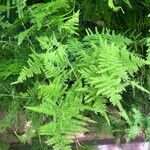
Asparagus setaceus
Asparagus fern · Common asparagus fern · Common Asparagus · Emerald asparagus fern · Bridal Fern
Description
Source: leafsnapAsparagus setaceus, commonly known as Asparagus Fern, is a species of flowering plant in the Asparagaceae family. Native to South Africa, it is widely cultivated as an ornamental plant due to its delicate, feathery foliage. The plant features long, thin stems that can grow up to 2 meters in length and are adorned with small, needle-like leaves, giving it a fern-like appearance. During the summer, Asparagus Fern produces small white or pink flowers that are followed by red berries. However, it is primarily grown for its foliage, which can be green or variegated with white or yellow stripes. The plant prefers bright but indirect light and well-draining soil. It can be grown indoors as a houseplant or outdoors in warm climates where it thrives in partial shade. Despite its delicate appearance, Asparagus Fern is quite hardy and easy to care for, making it an ideal choice for beginner gardeners. However, caution is advised when handling the plant, as its leaves contain tiny thorns that can cause skin irritation if touched directly. Overall, this versatile ornamental plant adds beauty to any garden setting with its lush greenery, making it a popular choice among gardeners worldwide.
💡 The common asparagus fern, while not a type of bamboo, has soft, feather-like leaves that grow densely. Its layered growth forms an elegant shape, and its branches feature knots similar to those found in bamboo. Unlike bamboo, however, the asparagus fern possesses a graceful posture and a unique charm.
🌳 The common asparagus fern is a creeping plant frequently used as ground cover in outdoor garden beds or in hanging containers. It thrives in areas with full sun or partial shade. With its bright green, feather-like foliage, it adds an attractive touch to flower arrangements.
🎭 Endless time, untainted friendship
Care Guide
💧 Water Every 7 days
The common asparagus fern, native to Africa, thrives in humid, moisture-rich environments and does best in consistently moist soil. Although it can tolerate some drought, the plant benefits from weekly watering. As an evergreen, it retains its lush greenery all year round, making it an excellent choice for indoor spaces with controlled humidity.
What's the best way to water my Common asparagus fern?
To properly water the Common asparagus fern, it is recommended to use filtered water at room temperature. Tap water should be avoided as it may contain harmful particles. The water temperature should be at room temperature or slightly warmer since the Common asparagus fern is used to a warm environment. Cold water can be detrimental to its health. It is also advisable to avoid watering the plant from above as it can cause issues with the foliage. Instead, gently apply filtered room temperature water directly to the soil until it is completely soaked. This helps to moisturize the roots and facilitate their spread in the soil, allowing them to absorb necessary nutrients.
What should I do if I give my Common asparagus fern too much or too little water?
Overwatering is a common issue for Common asparagus fern, which can cause wilting, yellowing, and potential diseases such as root rot, mold, and mildew. Underwatering is less common but can result in brittle and brown leaves. It is important to recognize signs of overwatering early to prevent irreparable damage. Reduce watering and check soil drainage if overwatering is suspected. In the case of underwatering, simply increase watering until symptoms improve.
How frequently should I water my Common asparagus fern?
If your Common asparagus fern is in a pot, you can use a simple method to determine if it needs water. Insert your finger into the soil; if the top two to three inches are dry, it's time to water it. The same method can be used for Common asparagus ferns grown in the ground outdoors. Once again, if the top few inches of soil are dry, it's time to water. In the spring and early fall, watering about once a week is usually sufficient. However, during extremely hot weather, you may need to water twice or more per week. It's worth noting that mature, well-established Common asparagus ferns can tolerate drought well.
How often should I water my Common asparagus fern?
When watering your Common asparagus fern, don't hesitate to give it a generous amount of water. Make sure that the top two to three inches of soil are dry before watering and then thoroughly soak the soil. You should add enough water so that it flows out of the drainage holes at the bottom of the pot. If you don't see any excess water draining, it means you haven't watered enough. However, be careful not to let water accumulate in the soil as this can harm the plant. On the other hand, if there is no water draining from the pot, it may indicate that the soil doesn't drain well, which is not good for the plant's health. If the plant is outside, it will only need about 1 inch of rain per week.
How should I water my asparagus fern at different stages of growth?
The water needs of the Common asparagus fern can vary depending on its growth stages. In the first few years of its life or when you have just relocated it to a new growing spot, you'll need to give it more water than usual. During these stages, the plant focuses on sprouting new roots to support future growth. These young roots require more moisture to perform their best. As the plant matures over a few seasons, it will require less water. Additionally, during the bloom period, the plant may need increased watering as flower development utilizes a significant amount of moisture.
☀️ Light Partial sun
Asparagus fern needs substantial light to thrive and is commonly found in well-lit areas in its native habitat. It can, however, tolerate both intense sunlight and shadier spots. Too much sun or too little light can slow its growth, causing wilting in the first case and sparse foliage in the second.
What are the sun requirements for the Common asparagus fern?
The Common asparagus fern needs about 3-6 hours of sunlight daily for partial sun exposure, and it requires above 6 hours for full sun or full shade. It's important to observe the way sunlight moves through your garden throughout the day, to ensure you're providing the right balance of light and shade. This helps in making sure your plants are happy and healthy.
What are the essentials for the growth of Common asparagus fern?
Common asparagus fern thrives in substantial amounts of light, typical of its native, naturally lit habitats, yet it can adapt to both intense sunlight and less illuminated environments. Overexposure to sunlight or a lack of adequate light can hinder its development, leading to wilting or sparse foliage. When natural light is insufficient, especially in winter or darker areas, indoor plants can benefit from artificial light. LED lights are recommended because they can provide specific wavelengths needed by the plants. Depending on the plant's sunlight needs, artificial light ranging from 10-50W/sq ft is beneficial. The lights should be placed 12-36 inches above the plant to simulate natural sunlight and turned on for 8-12 hours a day.
What are the important symptoms to look out for in Common asparagus fern due to improper lighting?
Watch out for symptoms like slower or no new growth, faster leaf drop, chlorosis, sunscald, leaf curling, wilting, and leaf scorching in your Common asparagus fern if it's not receiving proper light. These symptoms range from the plant conserving resources by dropping leaves, to physical damage from intense sunlight. Each symptom indicates a form of stress the plant is under due to inadequate or excessive light.
How can I address light-related issues with my indoor and outdoor Common asparagus fern plants?
For both indoor and outdoor Common asparagus fern plants, gradually increasing sunlight exposure by moving them to sunnier spots each week can help them adapt without getting sunburnt. Indoor plants can also benefit from artificial lighting for at least 8 hours a day if moving them isn't feasible. For plants grown in the ground, improving sunlight access might involve pruning nearby trees or shrubs and possibly transplanting smaller plants during their dormant periods to areas with better light exposure and drainage. It's key to make these changes gradually to avoid shocking the plant and to support healthy new growth.
🌡️ Temperature 20–37.8°C
The asparagus fern does best in temperatures of 68 to 100 ℉ (20 to 38 ℃) and originates from tropical and subtropical regions. In colder months, temperatures should not fall below 59 ℉ (15 ℃) to prevent harm to the plant, while in warmer months they can rise up to 104 ℉ (40 ℃).
What are the ideal temperature conditions for the Common asparagus fern?
The Common asparagus fern thrives in temperatures between 68 to 100°F (20 to 38°C), native to tropical and subtropical regions. During colder seasons, it's important to keep the temperature above 59°F (15°C) to prevent damage. In warmer seasons, temperatures can rise up to 104°F (40°C), but care should be taken to avoid prolonged exposure to cold, as it can harm the plant. During autumn, it's advised to move outdoor plants indoors, placing them near a bright window but away from direct heat sources. Keeping the temperature above 20°C during winter supports the plant's growth, and exposure to temperatures near 0°C can be detrimental.
What should I do if my Common asparagus fern is exposed to low temperatures?
If your Common asparagus fern is exposed to low temperatures, you should immediately trim off the frost-damaged parts and move the plant indoors to a warmer environment. Place it near a south-facing window to ensure it receives ample sunlight, but be cautious about positioning the plant too close to heaters or air conditioning vents, as this can cause the air to become excessively dry. It's essential to maintain temperatures above 20°C, especially during winter, to prevent the plant from sustaining damage.
How do I care for my Common asparagus fern during high temperatures?
In high temperatures, particularly during summer when it should be kept below 38°C, it's vital to protect the Common asparagus fern from exceeding 43°C, where it becomes prone to sunburn. Trim away sunburned and dried parts of the plant. Relocate the fern to a shaded area to avoid the harsh midday and afternoon sun. Watering the plant in the morning and evening can help keep the soil adequately moist, assisting in cooling the plant and preventing excessive heat stress.
💨 Humidity high (>60%)
This plant needs special care because it loves high humidity levels of 60-80% or more. The best way to achieve this is by placing a humidifier near the plant. Daily misting is also essential! Make sure the room has good ventilation.
🪴 Soil 6-7
🌱 Fertilizer
The asparagus fern needs the most fertilizer during its active growth period, which is mainly in spring, summer, and early fall. Fertilizing supplies essential nutrients the soil might be lacking, supporting healthy root and stem development as well as the attractive foliage that is a defining trait of this plant.
Why should I put fertilizer on my Common asparagus fern?
All plants need nutrients in the soil to grow, including the Common asparagus fern. However, it's not always guaranteed that the soil where your plants are growing will have all the necessary nutrients. To make sure your garden plants have the right nutrients, you can use fertilization and soil amendments. For the Common asparagus fern, fertilizer is important for the healthy development of its roots and stems throughout the growing season. Fertilization also helps to create beautiful leaves, which are a key feature of this plant's decorative appeal.
When should I fertilize my Common asparagus fern?
The Common asparagus fern requires the most fertilizer when it is actively growing, which is typically during the spring, summer, and early fall. During this time, you should fertilize it approximately every two to four weeks. As winter approaches, you can gradually reduce the amount of fertilizer you give until you stop completely, as the fern will have less growth during this time.
When is it best to not add fertilizer to my Common asparagus fern?
For most of the year, from spring to fall, it is important to regularly feed your Common asparagus fern. However, there are a couple exceptions to this. If you notice that your fern has been over-fertilized or if you have made a mistake with fertilizing, causing issues like fertilizer burn, you should take steps to fix the problem before continuing with regular feedings. The only time of year when you should not fertilize the fern is during winter. If you are growing it indoors in a cold winter environment, it will go into a dormant phase. Feeding the plant during this phase is unnecessary and can likely result in fertilizer burn.
What kind of plant food does my Common asparagus fern need?
The fertilizer for a Common asparagus fern contains a specific blend of nutrients, each in relatively low amounts. The ideal fertilizer should have an N-P-K ratio of 3-1-2. However, a general-purpose fertilizer with an even nutrient blend can also be effective in some cases. Regardless, when using a balanced fertilizer, make sure that the ratio number for each nutrient is 10 or lower. You can choose between a granular or liquid-based fertilizer. If using a liquid-based fertilizer, it's recommended to dilute it by half. While granular fertilizer has few downsides, it is generally more practical to use liquid fertilizer, especially when watering your Common asparagus fern.
How should I fertilize my Common asparagus fern?
When purchasing fertilizer for your Common asparagus fern, you will find application instructions on the package. It is important to follow these instructions in most cases. For the Common asparagus fern, it is recommended to fertilize just before or while watering the soil. This timing will prevent the fertilizer from harming the plant's roots. If you are using a slow-release granular fertilizer, you should sprinkle it on the soil and then water immediately afterwards. On the other hand, if you are using a liquid-based fertilizer, it should be diluted with water. After diluting, apply the mixture to the soil and give it some additional water. In particular, during the spring and fall when the plant's growth is increasing or decreasing respectively, it is essential to dilute your fertilizer by at least half. Following these guidelines will help ensure the health and growth of your Common asparagus fern.
🪴 Pot & Repot 2-3 years
When repotting an Asparagus fern, select a pot 1-2 inches (2.5–5.1 cm) larger that has plenty of drainage. Use a well-draining potting mix. Repot in spring or fall, making sure the root ball sits slightly below the rim of the flower pot. Water thoroughly after repotting and put it in a warm location with indirect sunlight.
✂️ Pruning
The common asparagus fern is characterized by its feathery, fern-like foliage. To promote healthy growth and maintain its shape, prune the plant in early spring by removing any dead or overly dense stems. Be sure to watch for overcrowding, as this can attract pests. For detailed care instructions, refer to horticultural guides.
🌿 Propagating
🐛 Diseases & pets
☠️ Toxicity
Characteristics
- Plant Type
- Herb
- Life Cycle
- Perennial
- Genus
- Asparagus
- Family
- Asparagaceae
- Hardiness Zone
- 9-12
- Mature Height
- 3.05 m to 6.1 m
- Mature Spread
- 61 cm to 91 cm
- Leaf Color
- Green
- Leaf Type
- Evergreen
- Flower Color
- White
- Flower Size
- 2.54 cm
- Bloom Time
- Mid summer
- Planting Time
- Spring, Summer
- Harvest Time
- Late summer, Early fall
- Native Area
- Malawi, Lesotho, Mozambique, Tanzania, South Africa, Zambia, Eswatini, Ethiopia, Kenya, Congo (DRC), Uganda, Botswana, Zimbabwe