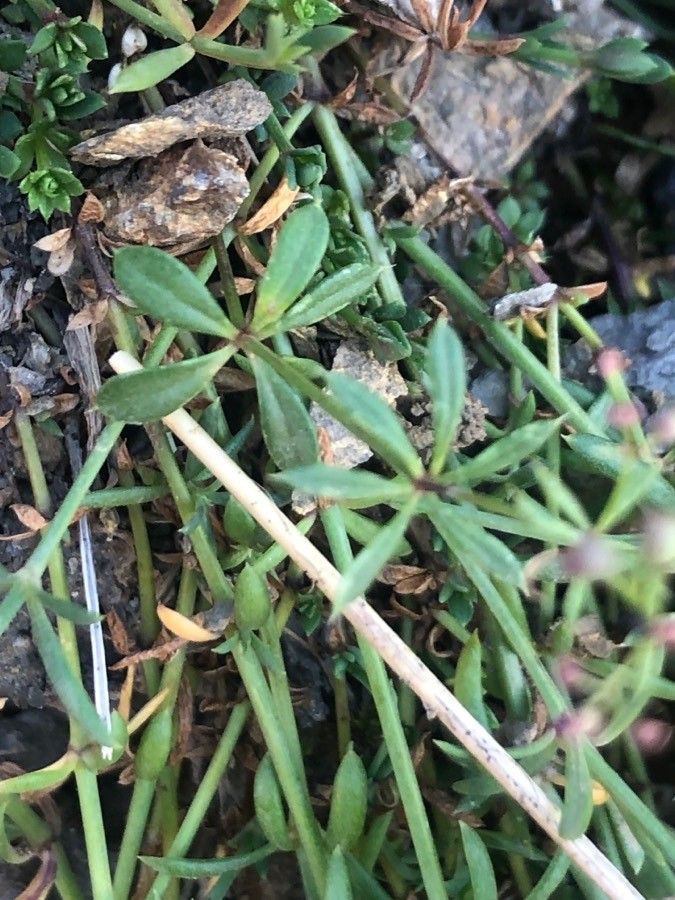
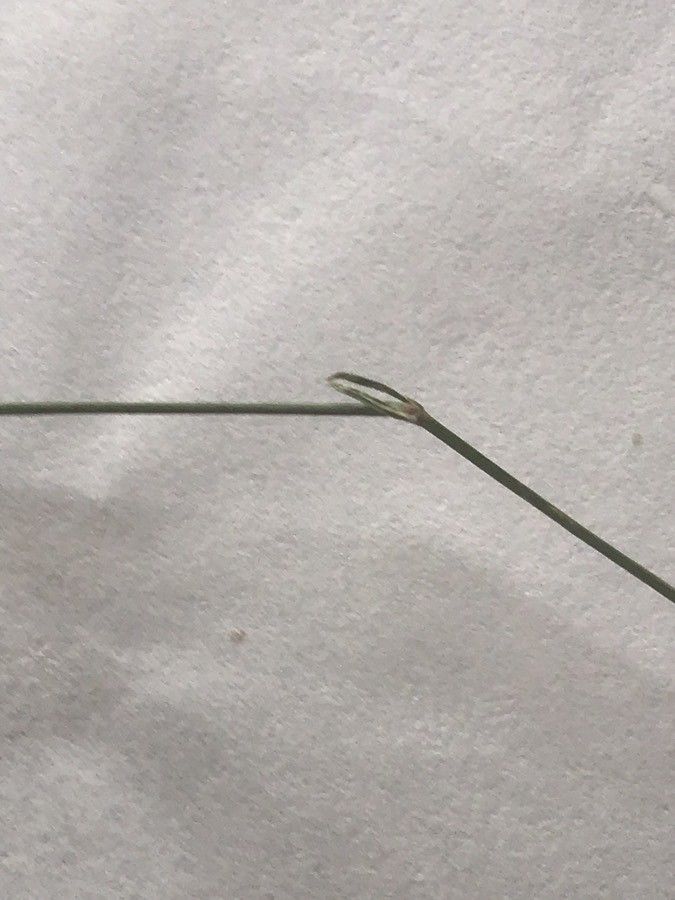
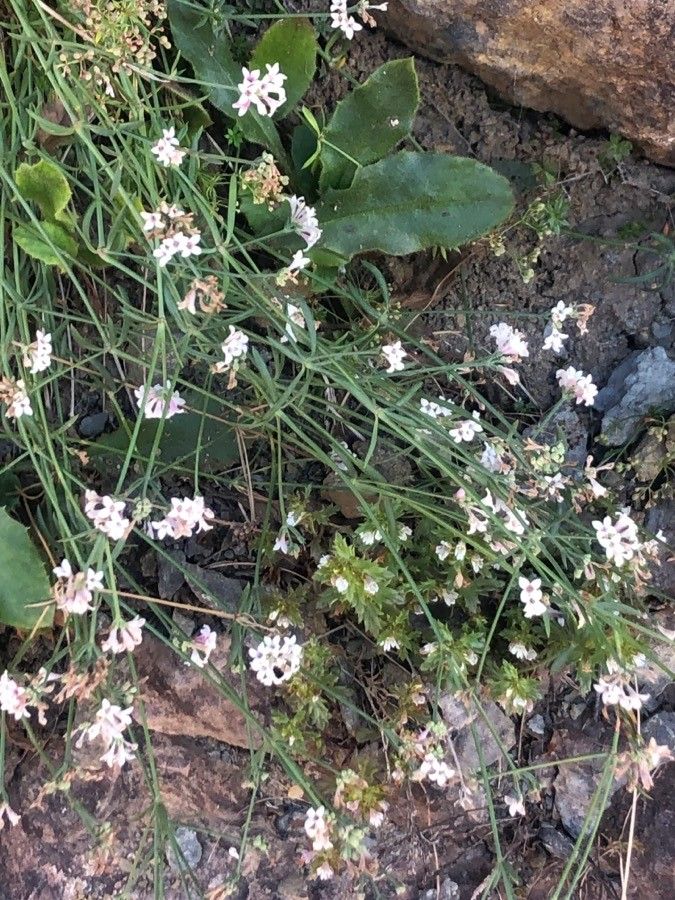
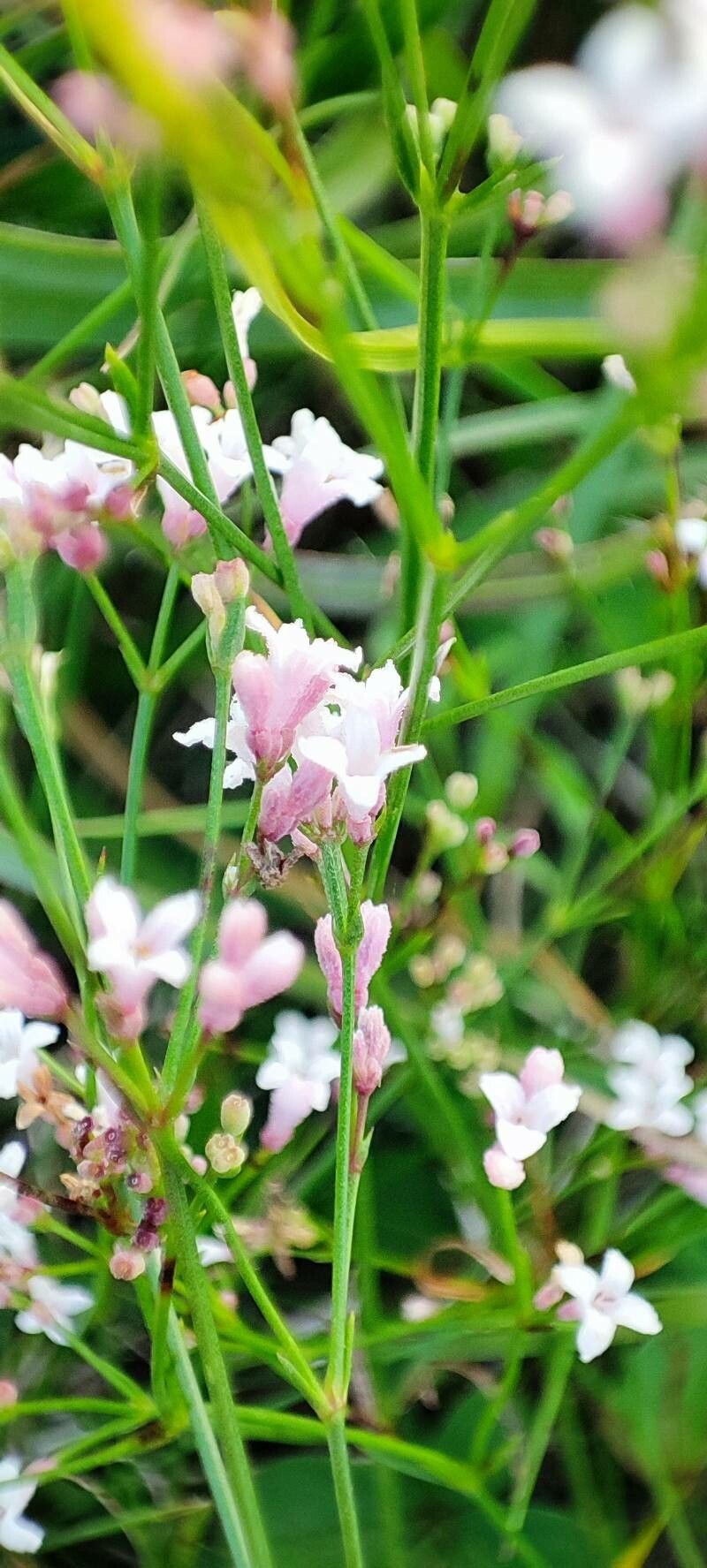
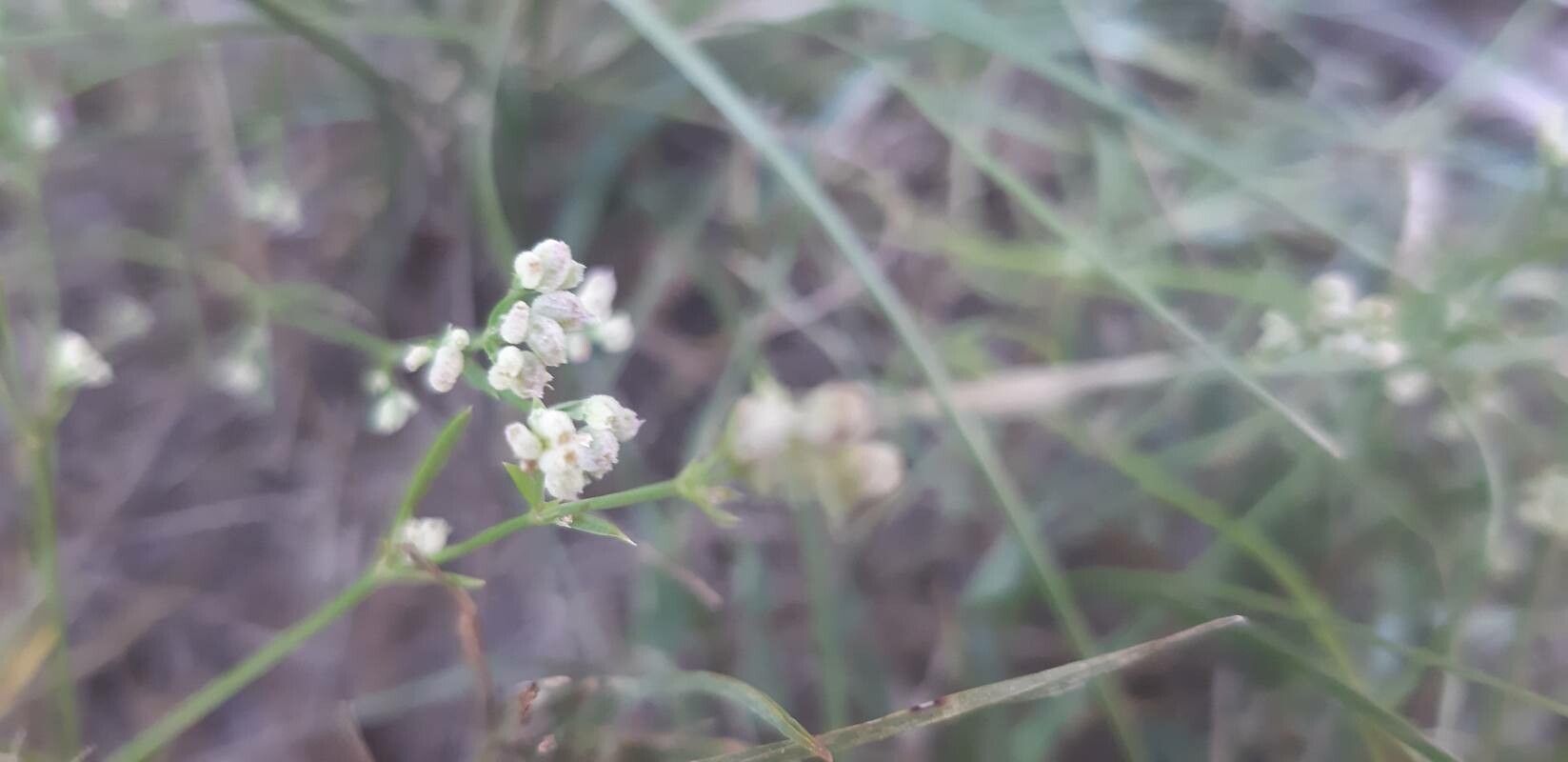
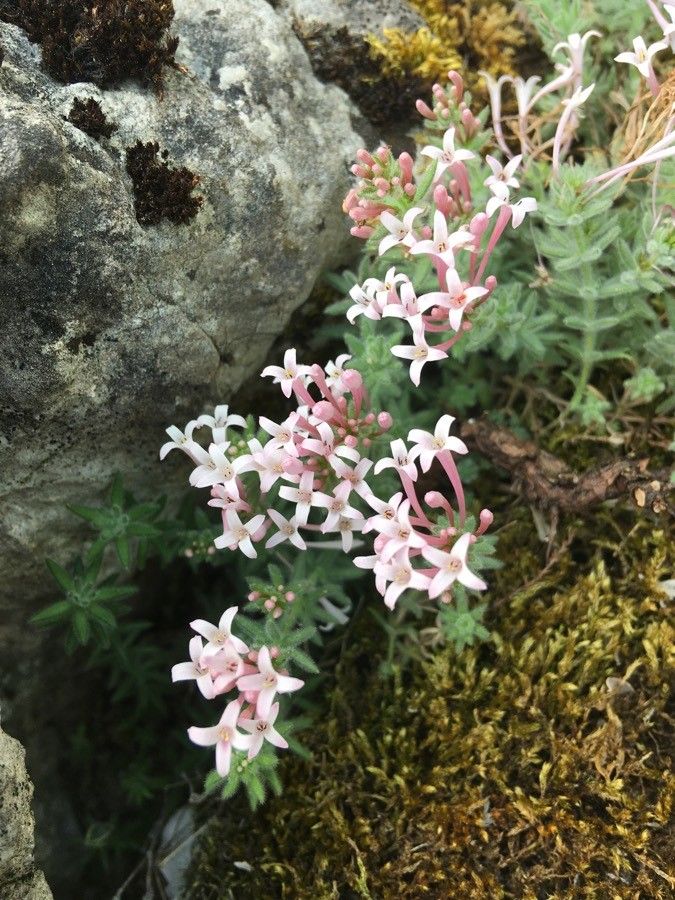
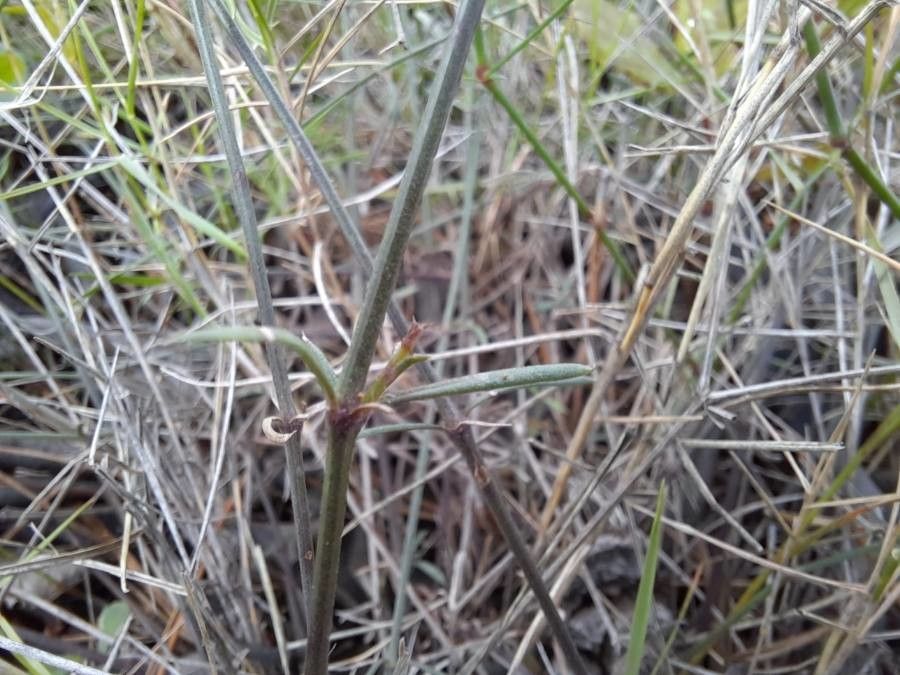
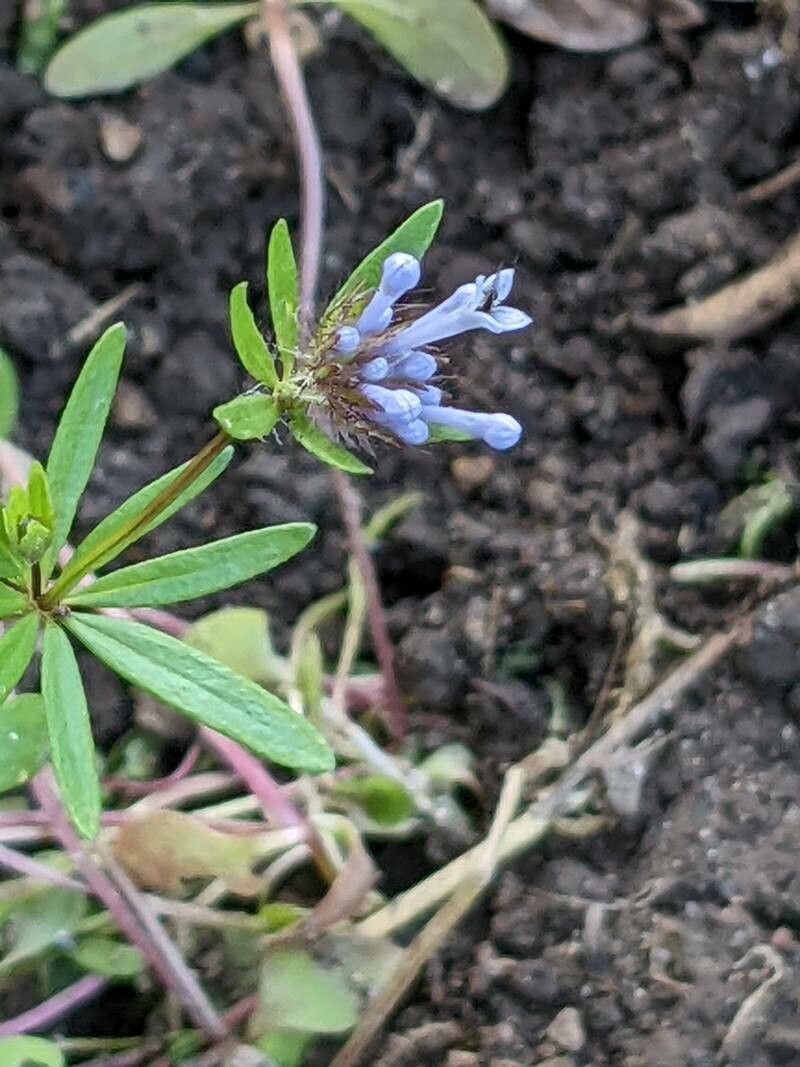
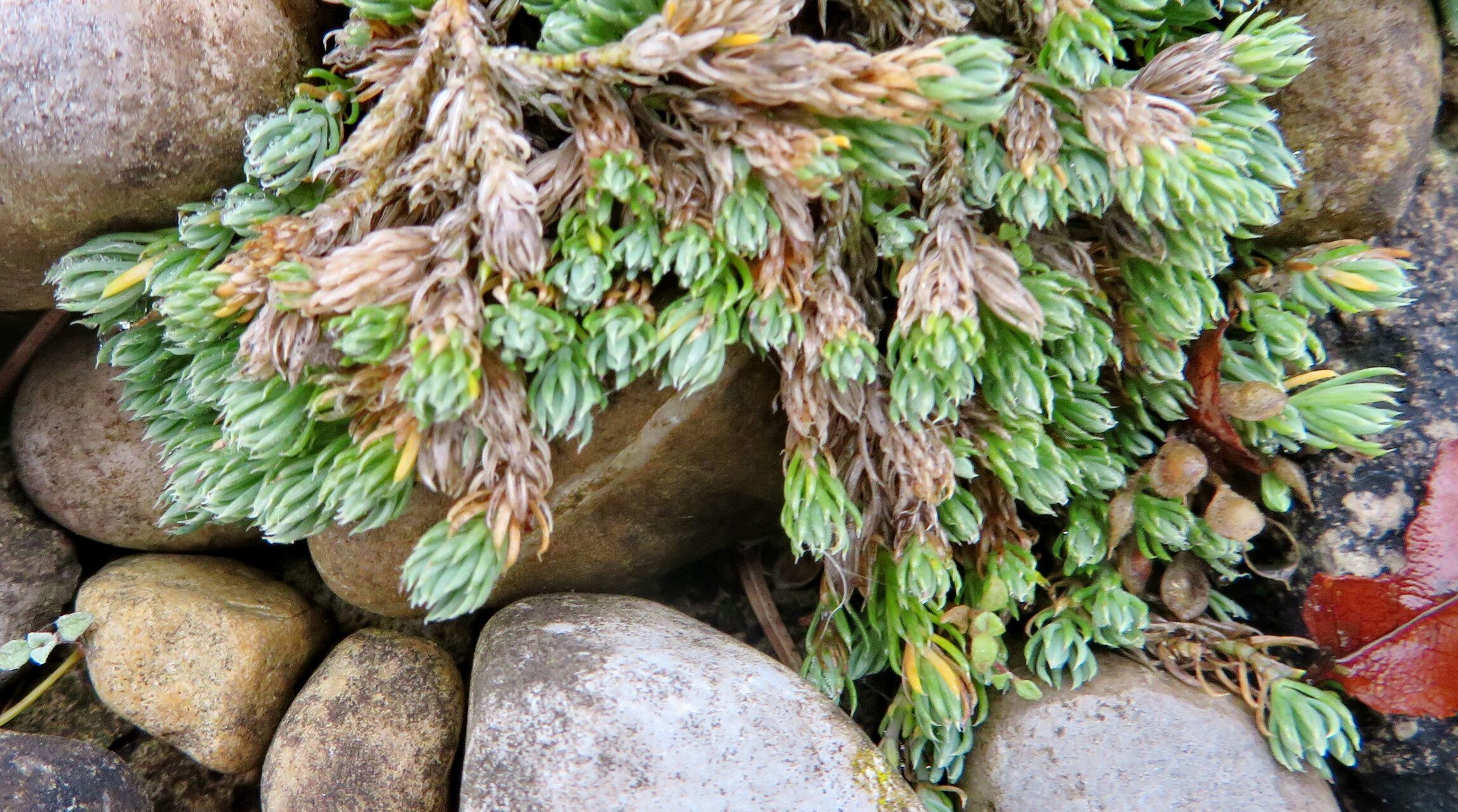
Asperula cynanchica, the squinancywort or squincywort, is a species of flowering plant in the family Rubiaceae. Its common name is derived from its former use as a medicinal herb to cure quinsy. It is native to much of southern and central Europe from Spain and Ireland to Russia. In Sweden, the roots have been used as a red dyeing agent.
Squinancy wort is fairly disease-resistant and typically not vulnerable to illnesses. Still, it can be affected by pests and diseases found nearby. Such infections are generally mild. Regarding care, the plant needs a moderate level of maintenance. Regular pruning is necessary to preserve its appearance and encourage healthy growth. Applying fertilizer can also aid in increasing flowering. This plant is well suited for anyone who has outdoor space, like a garden or patio, and does not demand extensive gardening experience. It may need extra attention if kept indoors.
How to keep Asperula Cynanchica.
Light
Squinancy wort is a sun-loving perennial herbaceous plant native to open habitats, commonly found in meadows and grasslands. It prefers full sun but can also tolerate partial sun conditions.
Water
Squinancy wort is native to dry grasslands and thrives in arid conditions with moderate weekly watering. Once established, it becomes drought-tolerant and can survive with minimal water. Although it is usually grown outdoors, squinancy wort can also adapt well to container environments with careful water management.
Temperature
Squinancy wort is an adaptable plant that does well in climates between 41 and 90 °F (5 to 32 ℃). Native to temperate areas, it can cope with seasonal temperature changes. It achieves best growth in cooler conditions. For best results, avoid abrupt temperature shifts.
Fertilizer
The primary time to fertilize Squinancy wort is in early spring, while the flowers are forming. Using the appropriate fertilizer promotes better blooms and helps Squinancy wort produce attractive flowers. Fertilizing in early spring ensures strong flowers during the season and supplies energy for dormant growth phases.
Pruning
Squinancy wort is a low-growing perennial with small, star-shaped flowers. Prune it from early to late spring to remove dead stems, promote denser foliage, and enhance blooms. Minimal intervention helps maintain plant health, improves airflow, and increases disease resistance. It's recommended to perform regular maintenance according to seasonal guidelines.
Botanical profile.
- Plant Type
- Herb
- Life Cycle
- Perennial
- Genus
- Asperula
- Family
- Rubiaceae
- Hardiness Zone
- 4-8
- Mature Height
- 10 cm to 40 cm
- Mature Spread
- 15 cm to 25 cm
- Leaf Color
- Dark Green
- Leaf Type
- Deciduous
- Flower Color
- Pink, White
- Flower Size
- 0.51 cm
- Bloom Time
- Summer
- Planting Time
- Spring
- Harvest Time
- Late summer, Early fall, Mid fall
Other names.
Reader questions.
What are the sunlight requirements for Squinancy wort (Asperula cynanchica)?
Squinancy wort (Asperula cynanchica) thrives in various sunlight conditions. It requires full sun, which means it should receive above 6 hours of sunlight daily. Alternatively, it can grow in partial sun, with about 3-6 hours of sunlight each day. It's important to observe how sunlight moves through your garden throughout the day. By doing so, you can choose planting spots that offer the perfect balance of light and shade, ensuring the best growth conditions for your Squinancy wort.
What is Squinancy wort?
Squinancy wort, scientifically known as Asperula cynanchica, is a versatile plant native to temperate regions. It is capable of thriving in a wide range of climates, from 41 to 90 °F (5 to 32 °C), and adjusts well to seasonal temperature swings. However, it exhibits optimal growth in cooler environments, and sudden temperature changes should be avoided for the best results.