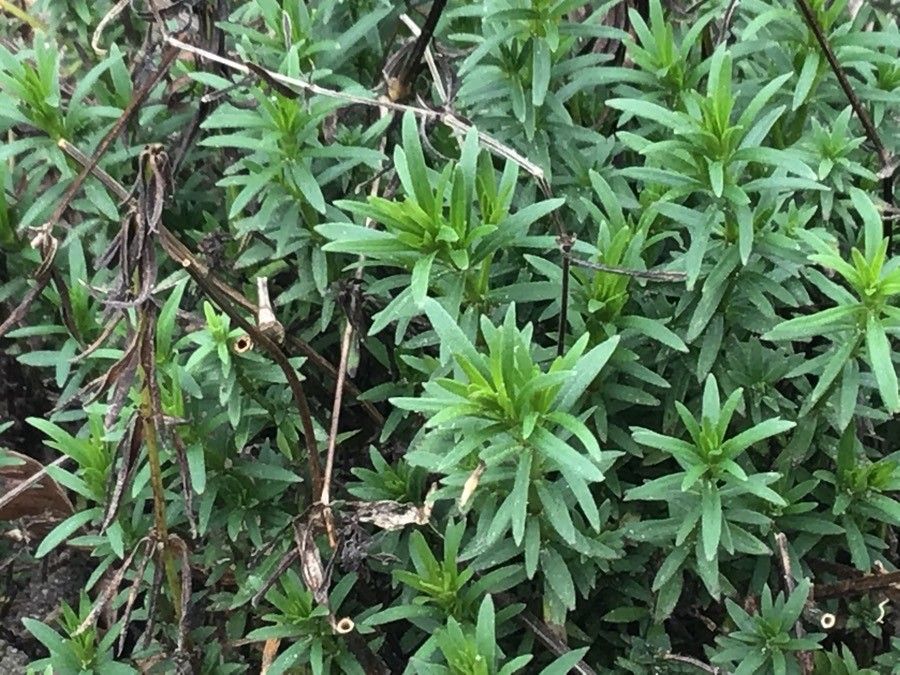
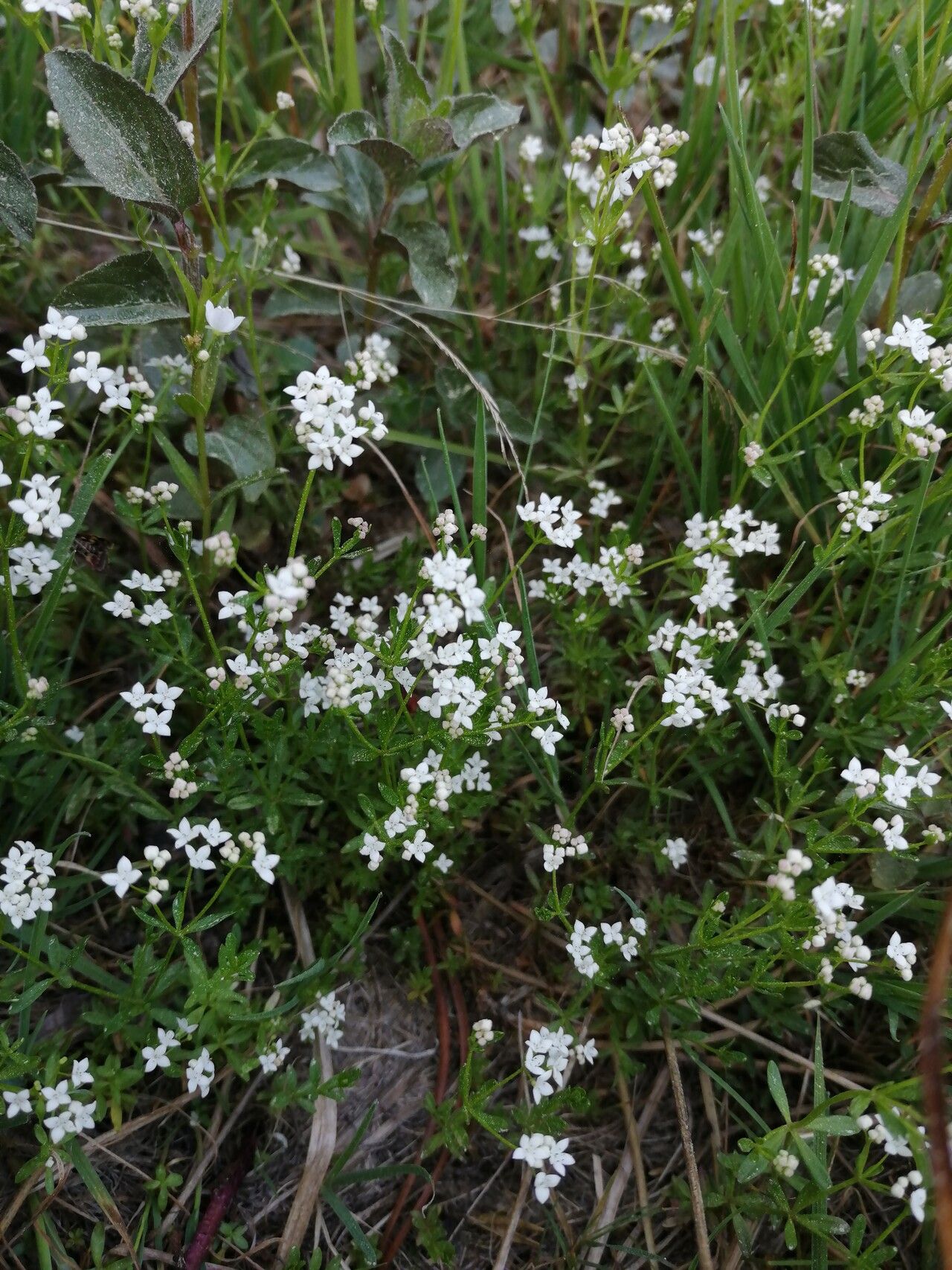
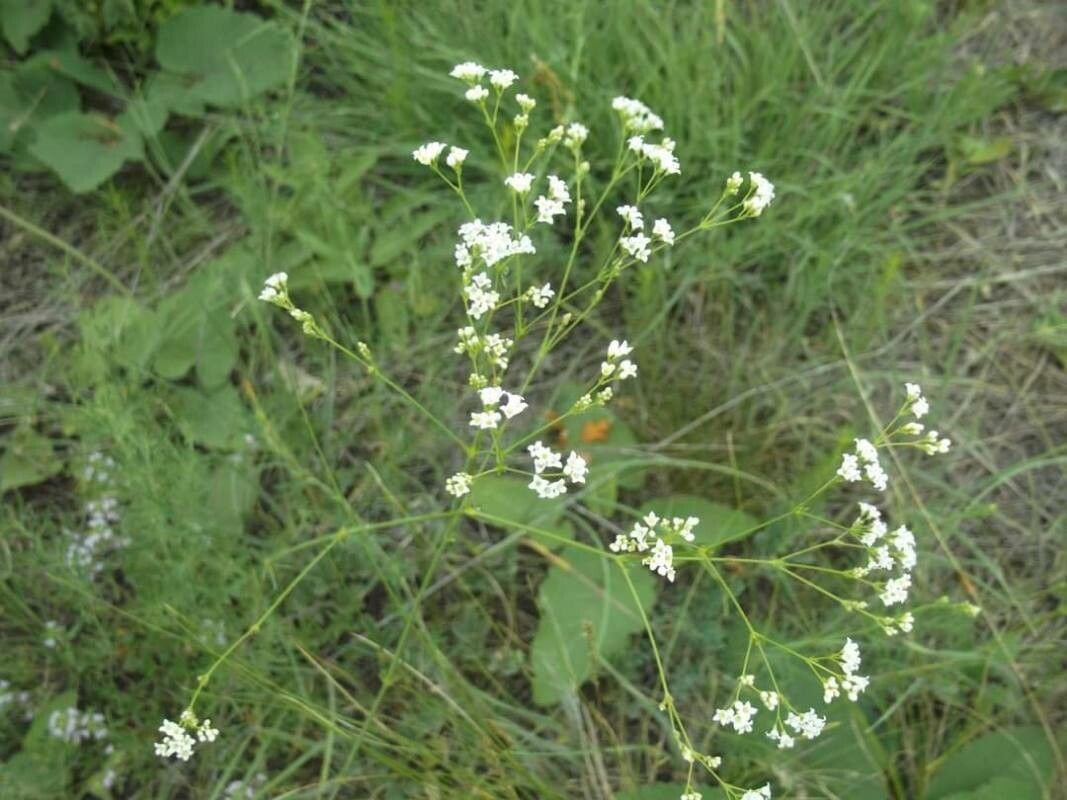
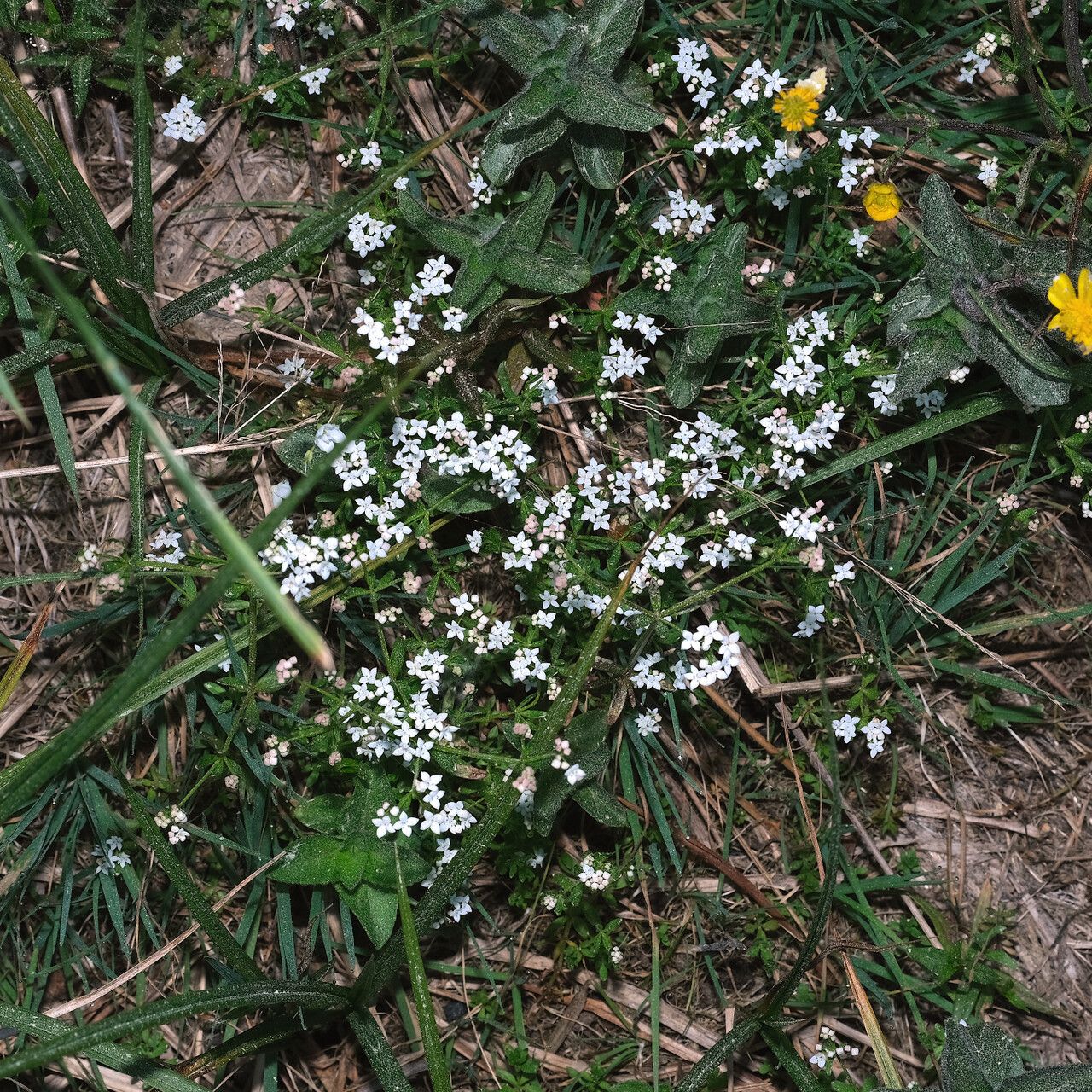
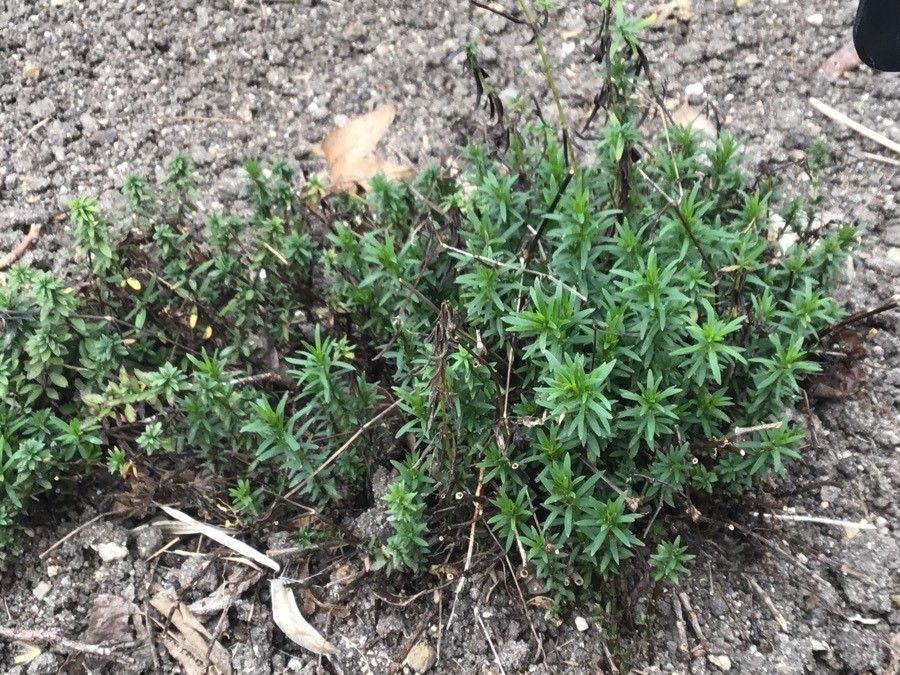
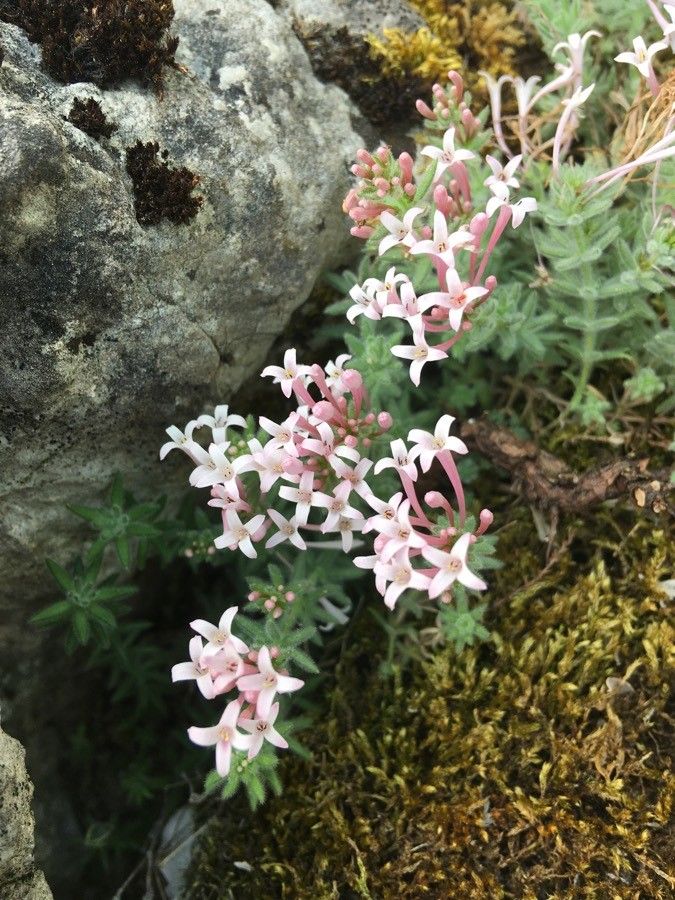
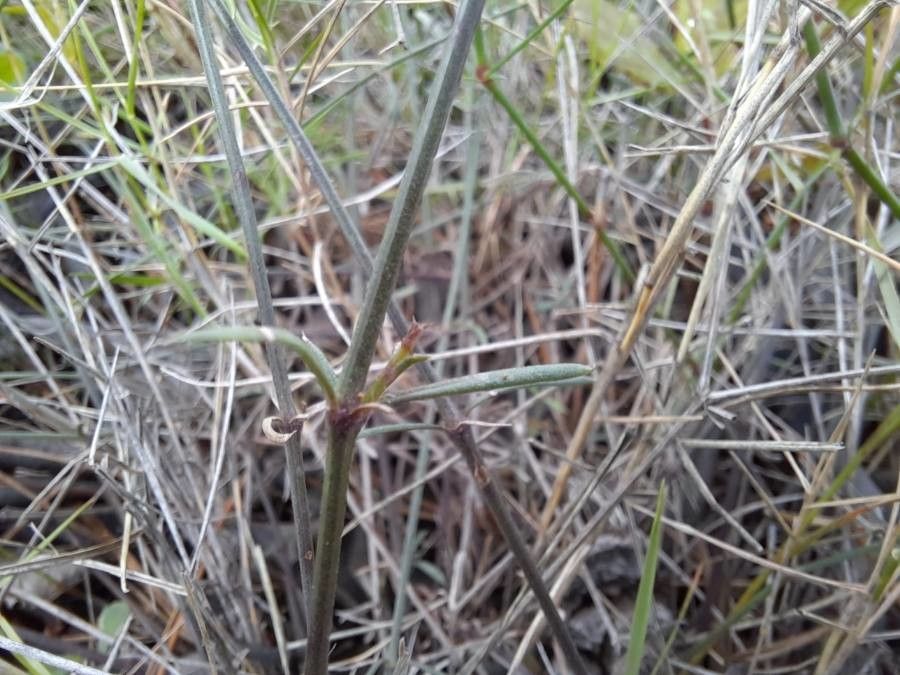
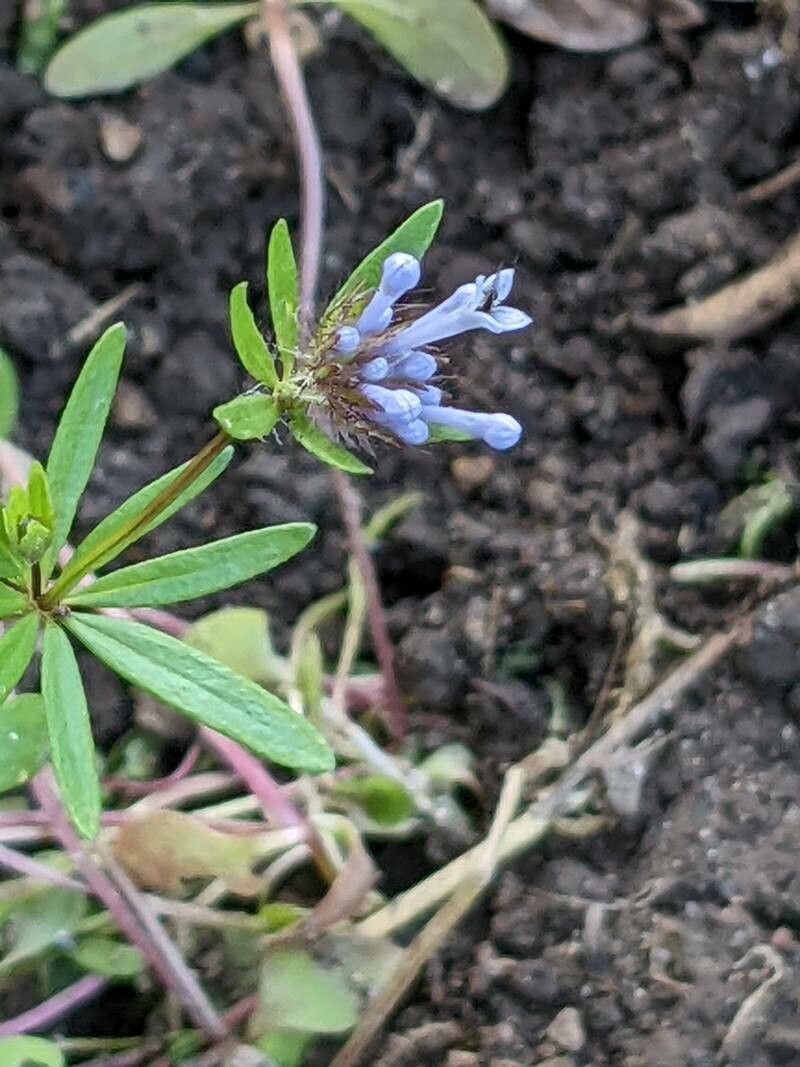
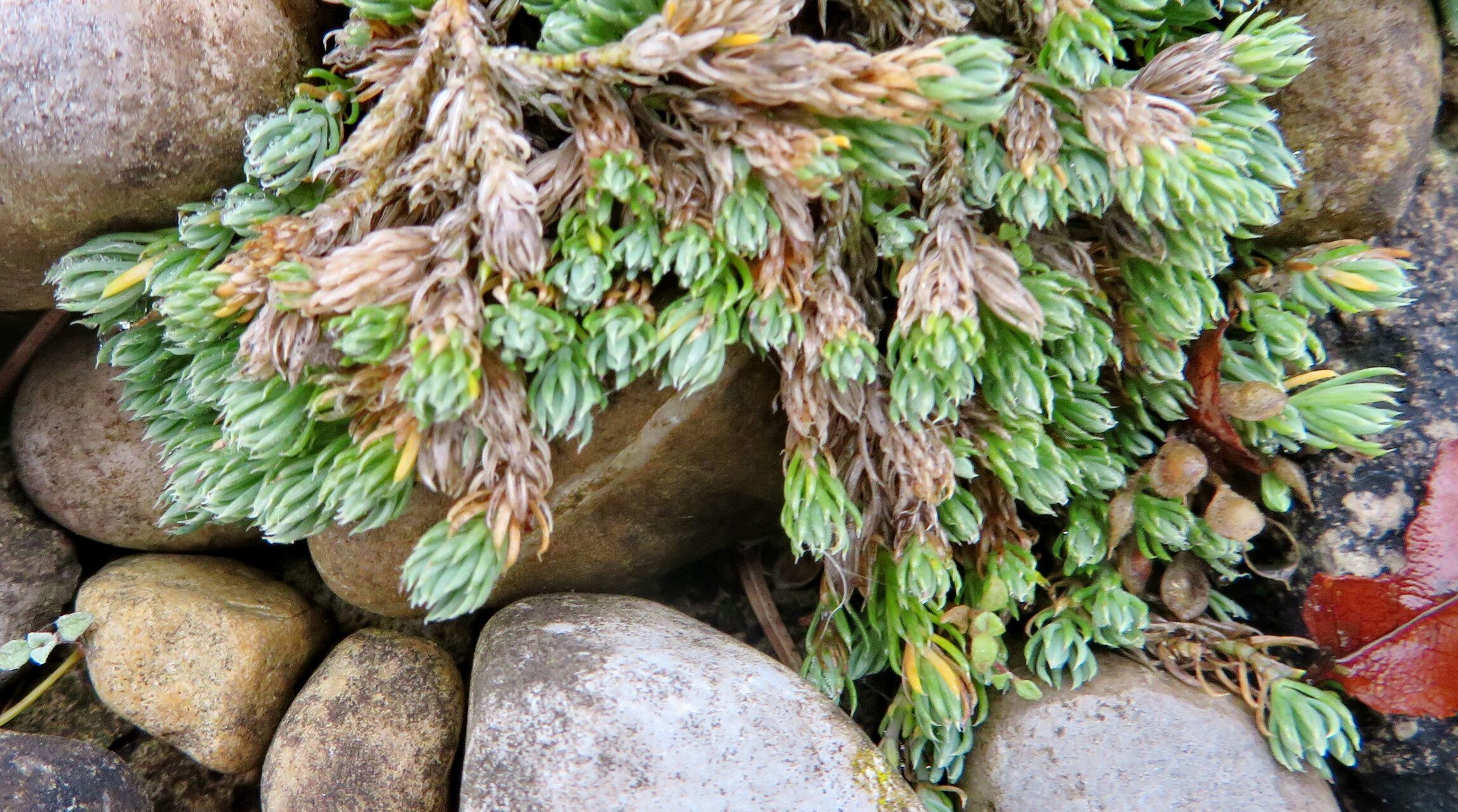
Asperula tinctoria, common name dyer's woodruff, is a plant in the family Rubiaceae, a native of much of northern and central Europe from France to Russia and also of Western Siberia.
Dyer's woodruff is fairly disease-resistant and typically not prone to illnesses. Still, it can be vulnerable to pests and diseases present in its environment. Such infections are generally mild. Regarding care, this plant needs moderate maintenance. Regular pruning is required to keep a neat appearance and support healthy growth. Applying fertilizer can also encourage flowering. Dyer's woodruff is appropriate for anyone with outdoor space, like a garden or patio, and does not demand extensive care experience. It may need more attention when cultivated indoors.
How to keep Asperula Tinctoria.
Fertilizer
One fertilizer application in spring is typically enough for Dyer's woodruff, though repeated feedings can boost growth. Apply fertilizer every four to six weeks. Fertilizing improves the leaves' appearance and function, maintaining even color and a healthy texture. It also encourages root development and better nutrient uptake for long-term plant health.
Pruning
Dyer's woodruff boasts vibrant foliage and star-shaped flowers. To promote healthy growth, prune the plant by trimming dead stems from early to late spring. Making clean cuts helps reduce disease, enhancing both blooming and longevity. Proper timing and technique are crucial for maintaining the plant's aesthetic appeal and overall health.
Botanical profile.
Other names.