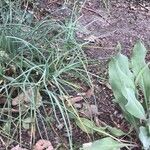
Asphodeline liburnica
Care Guide
💧 Water
The Liburne asphodel, a plant native to the Mediterranean, grows best in well-drained soil with a balance between dry and moist conditions. To encourage healthy growth and blooming, water the plant once a week, particularly during its active growing season. Thanks to its drought-resistant nature, the Liburne asphodel can easily adapt to natural cycles of wet and dry conditions when planted outdoors.
What should I do if I give too much water or too little water to my Liburne asphodel plant?
Overwatering and underwatering can both harm your Liburne asphodel, but overwatering is more common. When this plant gets too much water, its stems and leaves may wilt and turn yellow. Overwatering for a long time can also cause diseases like root rot, mold, and mildew, which can kill your plant. Underwatering is less likely for the Liburne asphodel because it can tolerate drought well. However, there is still a chance of underwatering, which will cause the leaves to become brittle and brown. It's important to recognize the signs of overwatering early when caring for your Liburne asphodel. Some diseases caused by overwatering, like root rot, may not be fixable if you wait too long. If you see early signs of overwatering, reduce your watering schedule immediately. Also, check if the soil drains poorly. If it does, replace it with loose, well-draining potting mix. If you notice signs of underwatering, simply water the plant more regularly until the signs go away.
How often should I water my Liburne asphodel plant?
If your Liburne asphodel plant is in a pot, the most accurate way to determine if it needs water is to stick your finger into the soil. When you discover that the top two to three inches of soil are dry, it's time to water it. If you're growing the plant outdoors in the ground, you can use the same method to test the soil. Once you notice that the top few inches of soil have dried out, it's time to water it. Typically, during the spring and early fall, you'll need to water this plant once a week using this method. However, when it gets extremely hot, you may need to water it twice or more per week. It's worth noting that mature, well-established Liburne asphodel plants can tolerate drought well.
How much water does my Liburne asphodel plant need?
To water your Liburne asphodel properly, don't be afraid to give it a generous amount of water. Make sure the top two to three inches of soil are dry before watering. It's best to thoroughly soak the soil, allowing the excess water to flow out through the drainage holes at the bottom of the pot. If you don't see water draining out, it means you haven't given your plant enough water. However, be careful not to let water accumulate in the soil, as this can harm the plant. Additionally, if your pot doesn't drain well, it's important to avoid using soils that don't drain properly, as this can negatively affect the plant's health. If your plant is outside, it will only need about 1 inch of rain per week.
How should I water my Liburne asphodel at different growth stages? How much water does my Liburne asphodel need at each stage of growth?
The water requirements for the Liburne asphodel vary depending on its growth stages. In the first few years or after transplanting to a new location, you should provide more water than usual. During these stages, the plant focuses on developing new roots to support future growth, which requires additional moisture. As the plant matures, its water needs decrease. Another growth stage in which the plant may need more water is during the bloom period, as flower development utilizes a significant amount of moisture.
How do I properly water my Liburne asphodel throughout the year?
The water needs of the Liburne asphodel vary depending on the season. During the hottest months of the year, especially in the height of summer, you may need to water this plant more than once per week to prevent the soil from drying out quickly. Conversely, during the winter, when the plant enters a dormant phase, its water requirements decrease significantly. In fact, you may not need to water it at all during this time. However, if you choose to water it during winter, it should be done no more than once per month to avoid the risk of disease.
☀️ Light Full sun
The liburne asphodel grows best in locations that receive abundant sunlight throughout the day. This light encourages its healthy development. In its native habitat, liburne asphodel is found in places where sunrays fall across the landscape unimpeded. However, too much sun can damage the plant, producing scorched leaves or stunted growth.
What are the sunlight requirements for Liburne asphodel?
Liburne asphodel thrives best in environments that provide it with generous amounts of sunlight throughout the day, requiring above 6 hours of sunlight for optimal growth. Sunlight promotes healthy growth in these plants, and they are commonly found in their native habitat where sunrays cover the landscape unimpeded. However, gardeners are advised to observe the movement of sunlight through their gardens carefully, choosing spots that provide a perfect balance between light and shade to ensure the plants' wellbeing. In situations where natural sunlight is insufficient, artificial lighting can be employed, especially for indoor plants or during less sunny seasons. LED lights, mimicking natural sunlight conditions by providing the specific wavelengths needed, are a popular choice for indoor plant lighting.
How can artificial lighting be used for Liburne asphodel indoors?
Indoor plants, including Liburne asphodel, require adequate lighting for optimal growth, especially when natural sunlight is insufficient. Artificial lights, such as LED lights, offer a vital solution by mimicking the natural light spectrum. It is recommended to provide 30-50W/sq ft of artificial light for full sun plants. Place the light source 12-36 inches above the plant to mimic natural sunlight and determine the duration to match the natural daylight hours for the plant species, generally 8-12 hours of light per day. This setup promotes faster, healthier growth by ensuring that the plant receives the necessary wavelengths of light for photosynthesis and growth.
What are the symptoms of light deficiency in Liburne asphodel?
Symptoms of light deficiency in Liburne asphodel include smaller new leaves compared to previous ones, leggy or sparse growth resulting in a thin appearance, faster leaf drop to conserve resources, slower or no new growth indicating a survival mode due to poor light conditions, lighter-colored new leaves due to lack of chlorophyll, and chlorosis where leaves turn yellow. Excessive sunlight can also be harmful, leading to conditions like sunscald, leaf curling as a defense mechanism, wilting from water loss, and leaf scorching characterized by brown, dry edges on leaves.
What solutions are recommended for light-related issues in Liburne asphodel?
For light-related issues in Liburne asphodel, gradual adjustment to more sunlight is key. For indoor plants, move them to a sunnier location each week until they receive at least 6 hours of direct sunlight daily, use a south-facing window, and consider artificial light if necessary, keeping it on for 8 hours daily. For outdoor plants, also adjust them gradually to prevent sunburn. Reducing obstructions like pruning trees can help outdoor plants receive more sunlight. If necessary, transplant smaller plants during their dormant period to a location with more sunlight and good drainage. However, portions of the plant already damaged by insufficient light may not recover, but new growth following increased light exposure will be healthy.
🌡️ Temperature 5–35°C
Liburne asphodel can tolerate a wide range of temperatures, though its range may still be restricted by specific combinations of moisture and heat. It performs best in warm summer climates with sufficient rainfall or watering. Long periods of cloudy, rainy weather, as well as extended high temperatures, can raise the chance of Liburne asphodel dying. In winter, adequate protection from cold can increase the plant’s likelihood of survival.
What is the botanic name of Liburne asphodel?
The botanic name of Liburne asphodel is Asphodeline liburnica.
💨 Humidity
🪴 Soil 6-7
🌱 Fertilizer
The best time to fertilize a Liburne asphodel is in early spring, when it is coming out of dormancy and starting active growth. Fertilization supplies essential nutrients needed for healthy development. Although Liburne asphodel has relatively low fertilization requirements, feeding it once a year can improve its survival and encourage stronger, longer-lasting flowers.
Why should I put fertilizer on my Liburne asphodel?
Fertilization is important for the growth of the Liburne asphodel and other plants because it provides essential nutrients for both their above-ground and below-ground development. Although the overall fertilization requirements for the Liburne asphodel are relatively low, annual fertilization can greatly benefit the plant by improving its survival and promoting the production of beautiful, longer-lasting flowers. Therefore, those who want their Liburne asphodel to thrive should prioritize regular fertilization.
When should I fertilize my Liburne asphodel?
The best time to fertilize a Liburne asphodel is during the late winter to early spring when the plant is transitioning from dormancy to active growth. Fertilizing at this time promotes healthy growth and sets the plant up for a successful season. It is also possible to fertilize a Liburne asphodel during the fall, but it is not recommended to feed the plant during summer or winter.
When is it best not to add fertilizer to my Liburne asphodel?
To properly fertilize your Liburne asphodel, it is important to follow specific timing. The plant only requires one feeding per year, ideally in late winter or early spring. Fertilizing during spring, summer, and fall can lead to overfertilization and complications, unless you skipped fertilizing in spring, in which case you can fertilize in fall. It is unnecessary to fertilize the plant during winter since it is in a dormant growth phase and does not produce new growth. So, refrain from fertilizing for most of the growing season and avoid winter fertilization.
What kind of fertilizer should I use for my Liburne asphodel?
When fertilizing a Liburne asphodel, most general-purpose fertilizers with balanced amounts of the three main plant nutrients will do the job well. However, there are specific nutrient blends that can be even more beneficial. Some gardeners believe that higher levels of phosphorus can lead to stronger roots and better flowers. Since the Liburne asphodel is a flowering plant, using a phosphorus-rich fertilizer may be the best option. Whether you choose a granular or liquid fertilizer, it's important to ensure that there are plenty of nutrients present. Additionally, besides manufactured fertilizers, you can also improve the soil for your Liburne asphodel using organic approaches such as compost, manure, and similar materials. These can greatly contribute to creating a healthy growing medium for your plant.
How can I fertilize my Liburne asphodel plant?
To fertilize a Liburne asphodel, the most common method is to use a granular or pellet fertilizer. The best time to fertilize is when the plant is transitioning from its dormant phase to active growth, usually in early spring. Once you start seeing shoots emerge from the soil, you can apply the fertilizer. Some people prefer using liquid fertilizer instead, in which case it should be diluted with water before application. Whether you choose granular or liquid fertilizer, it's important to ensure the soil is moist before, during, and after fertilizing.
🪴 Pot & Repot
✂️ Pruning
To encourage healthy growth and maintain the aesthetic appeal of Liburne asphodel, it thrives best with pruning from early to late spring. This process involves removing dead foliage and spent flower stems, which not only promotes new blooms but also helps prevent self-seeding. Timely care reduces the risk of disease and keeps the plant looking its best.
🌿 Propagating
🐛 Diseases & pets
☠️ Toxicity
Characteristics
- Plant Type
- Herb
- Life Cycle
- Perennial
- Genus
- Asphodeline
- Family
- Asphodelaceae
- Hardiness Zone
- 5-9
- Mature Height
- 1.22 m
- Mature Spread
- 91 cm
- Leaf Color
- Green, Blue
- Leaf Type
- Deciduous
- Flower Color
- Yellow
- Flower Size
- 2.03 cm to 3.05 cm
- Bloom Time
- Mid spring, Late spring
- Planting Time
- Spring, Summer
- Harvest Time
- Early summer, Mid summer
- Native Area
- Italy, Bulgaria, Montenegro, Albania, Lebanon, Greece, Croatia, Serbia