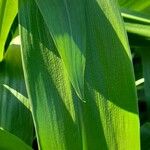
Aspidistra elatior
Cast-iron-plant · Barroomplant · Cast Iron Plant · Parlor palm · Variegated Cast Iron Plant
Description
Source: leafsnapAspidistra elatior, commonly known as the Cast Iron Plant, is a hardy and low-maintenance evergreen plant native to Asia. Belonging to the Asparagaceae family, it is widely cultivated as an ornamental plant for its attractive foliage. The dark green, glossy, and leathery leaves can grow up to 60 cm in length and 10 cm in width. The Cast Iron Plant thrives in low light conditions, making it an ideal indoor plant for homes or offices with limited natural light. It can also tolerate a wide range of temperatures, from cool to warm, making it adaptable to different environments. This plant requires minimal care, as it does not need frequent watering or fertilization. It prefers well-draining soil that is kept slightly moist but not waterlogged. Additionally, the Cast Iron Plant benefits from occasional misting or wiping of its leaves with a damp cloth. Overall, Aspidistra elatior is an excellent choice for those seeking a low-maintenance yet attractive indoor ornamental plant that can thrive even under less-than-ideal conditions, such as low light levels and infrequent watering!
💡 The pollination of the cast-iron plant flower has long been a topic of various theories. Some scientists suggested that slugs were responsible for pollinating it. However, the mystery was finally unraveled by Japanese professors Suetsugu Kenji and Sueyoshi Masahiro. In 2017, their research conducted in the plant's native habitat revealed that the true pollinator of Aspidistra elatior is the fungus gnat.
🌳 Gardeners appreciate the cast-iron plant for its deep, glossy leaves and exceptional resilience. Recognized with the Award of Garden Merit, the cast-iron plant and its various cultivars are often grown in the shadier parts of city and courtyard gardens, serving as striking accent pieces or providing visual interest during the winter months.
🎭 Complete middle-class respectability
Care Guide
💧 Water Every 7 days
The cast-iron plant thrives in low light and is drought-tolerant, but it prefers evenly moist soil with weekly watering. As an indoor evergreen, it benefits from occasional misting, which helps replicate its humid natural habitat and promotes lush foliage.
How can I water my Cast-iron plant properly?
To ensure the health of your Cast-iron plant, remember to water it using filtered water at room temperature. Tap water may have harmful particles, so filtered water is a better choice. The plant is adapted to warm environments, so avoid using cold water as it can shock the system. Also, overhead watering should be avoided to prevent foliage issues. Instead, directly water the soil with filtered, room temperature water until it is fully soaked. This will benefit the plant by moisturizing the roots and promoting the spread and absorption of nutrients.
What should I do if I give my Cast-iron plant too much or too little water?
Overwatering is a common problem for Cast-iron plants and can cause wilting, yellowing leaves, and diseases like root rot, mold, and mildew. Underwatering is less of an issue, but it can cause brittle, brown leaves. It's important to notice signs of overwatering early to prevent irreparable damage. Reduce watering if you see early signs and replace poorly draining soil with a well-draining potting mix. If your plant is underwatered, simply water more regularly until the signs go away.
How frequently do I need to water my Cast-iron plant?
If your Cast-iron plant is in a pot, the most precise way to tell if it needs water is by feeling the soil with your finger. If the top two to three inches of soil are dry, it's time to water it. If you have your Cast-iron plant planted in the ground outdoors, you can use a similar method to test the soil. Once the top few inches of soil have dried out, it's time to give it water. Typically, during spring and early fall, watering once a week is sufficient. However, when it gets extremely hot, you may need to water it twice a week or even more frequently. That being said, mature and well-established Cast-iron plants can handle periods of drought quite well.
How much water does my Cast-iron plant require?
When watering your Cast-iron plant, don't be hesitant to give it a generous amount of water. Make sure the top two to three inches of soil are dry before watering and then thoroughly saturate the soil. It's important to water enough that excess water flows out of the drainage holes at the bottom of the pot. If you don't see this excess water, it means you haven't watered enough. However, be cautious not to let water accumulate in the soil, as this can harm the plant. On the other hand, if you notice that water is not draining well from the pot, it could mean the soil is poorly draining, which is not good for the plant's health. When the plant is outdoors, it generally requires about 1 inch of rain per week.
How do I water my Cast-iron plant as it grows?
The amount of water needed by the Cast-iron plant can vary depending on its growth stages. In the first few years or after transplanting, it requires more water. At this stage, the plant is focused on developing new roots for future growth, which need extra moisture. As the plant matures, it will need less water. Additionally, during the bloom period, the Cast-iron plant may require more water to support flower development.
☀️ Light Full shade
The cast-iron plant prefers areas protected from direct sunlight, staying healthy even in less illuminated spots. Coming from habitats with thick overhead foliage, it tolerates situations where sunlight reaches it only occasionally. However, prolonged exposure to intense sun can drain its vigor, resulting in stunted growth or leaf discoloration.
What are the sunlight requirements for a Cast-iron plant?
The Cast-iron plant has specific sunlight requirements to thrive. For full shade, it needs less than 3 hours of sunlight per day. If the plant is in partial sun, it should receive about 3-6 hours of sunlight. It's important to observe how sunlight moves through your garden and select locations that provide an ideal balance of light and shade, ensuring the plant's health and happiness.
What are the essential care tips for a Cast-iron plant?
The Cast-iron plant prefers areas that are shielded from direct sunlight, flourishing even in spots with minimal light. Originating from environments with dense overhead foliage, it can handle low light but does not do well with constant exposure to strong sun, which can lead to energy depletion, stunted growth, or foliage discoloration. When natural sunlight is insufficient, especially in winter or darker areas, artificial lighting such as LED lights can be used to supplement growth. Depending on the type of plant (full sun, partial sun, or full shade), the wattage per square foot and the distance and duration of artificial lighting should be adjusted accordingly.
What symptoms indicate a light deficiency in a Cast-iron plant?
When a Cast-iron plant is grown in conditions with insufficient light, especially indoors, it may show subtle signs of light deficiency. These include slower or halted growth as the plant enters survival mode, smaller new leaves, chlorosis or yellowing of leaves due to chlorophyll breakdown, sunscald characterized by pale or bleached areas on the plant, leaf curling as a defense mechanism against excessive sunlight, wilting due to increased water loss, and leaf scorching indicated by brown, dry edges on leaves.
How can I address light deficiency symptoms in a Cast-iron plant?
To combat light deficiency symptoms in a Cast-iron plant, consider moving your plant to a spot where it can receive ample filtered light, including brief direct morning sunlight, ideally positioned 1-2 meters away from a window. For larger plants or those not easily movable, artificial light such as desk or ceiling lamps, or professional grow lights, can be used for at least 8 hours daily. Outdoors, gradually shift your plant to sunnier spots each week to avoid sudden light intensity changes that could cause sunburn. If sunlight is blocked by trees or buildings, consider pruning or relocating smaller plants to brighter areas during their dormant period for optimal growth and health recovery.
🌡️ Temperature 15–37.8°C
The cast-iron plant thrives at temperatures from 59 to 100 ℉ (15 to 38 ℃), making it adaptable to fluctuating temperatures. It originates from the forest floors of east Asia, where conditions can become quite cold, yet it adapts well to household temperatures. In winter this plant prefers cooler temperatures, while in summer it favors warmer temperatures.
What are the ideal temperature conditions for a Cast-iron plant?
The Cast-iron plant, native to the forest floors of East Asia, thrives in a wide temperature range from 59 to 100°F (15 to 38°C), adjusting well to typical household temperatures. It prefers cooler conditions in winter and warmer ones in summer. Although it has some cold tolerance, generally not requiring protection above -5°C, below this temperature, temporary measures like wrapping the plant with a protective material are recommended until warmer conditions return.
What should be done if a Cast-iron plant is exposed to temperatures below its tolerance?
When a Cast-iron plant is exposed to temperatures below 15°C, particularly under -10°C, its leaves may droop or wilt, potentially resulting in leaf loss in severe cases. Recovery might occur in mild cases. To protect the plant from low temperature damage again, it's advised to trim off the frost-damaged parts and wrap the plant using materials such as non-woven fabric or cloth. Additionally, erecting a wind barrier can provide added protection against cold winds.
How does high temperature affect the Cast-iron plant and what measures can be taken?
High temperatures, especially above 38°C, can cause the Cast-iron plant's leaves to lighten in color, with tips drying and curling, and increase the plant's susceptibility to sunburn. To manage high temperature stress, trim away any sunburned or dried parts of the plant. Relocate the plant to a shaded location or use a shade cloth to protect it from intense midday and afternoon sun. Make sure to water the plant in the morning and evening to maintain soil moisture.
💨 Humidity normal (40-60%)
This plant will thrive in moderate humidity, which is probably the level in your home. However, misting it a few times a week can be very beneficial. Make sure the room has good ventilation.
🪴 Soil 5-6
🌱 Fertilizer
One application of fertilizer in spring is generally enough for the Cast-iron plant, though repeated feedings can enhance growth. Apply fertilizer every month to six weeks. Fertilizing improves the leaves’ appearance and function, helping maintain even color and a healthy texture. It also encourages root development and nutrient uptake, supporting the plant’s long-term health.
Why should I put fertilizer on my Cast-iron plant?
The leaves of the Cast-iron plant are its main structure. Fertilization is important for maintaining the appearance and function of these leaves. Proper fertilization ensures consistent color and a healthy texture. It also promotes the growth of new roots and maintains existing ones, improving the plant's ability to absorb nutrients from the soil in the long run.
When should I fertilize my Cast-iron plant?
If you grow your Cast-iron plant outdoors, it will send out new growth in early spring. This is the sign that it is time to fertilize the plant. Usually, one application of fertilizer is enough for the plant to do well. However, if you want to maximize growth, you can fertilize multiple times in spring and early summer. In this case, feed your Cast-iron plant about once every month to a month and a half.
When is the best time to not give my Cast-iron plant fertilizer?
During the late fall and winter, your Cast-iron plant goes dormant and stops producing new growth. So, it's best not to fertilize it during this time. In the spring and summer, if you decide to fertilize, you should gradually reduce the amount as summer approaches because the plant's growth rate slows down. It's never a good idea to fertilize when the weather is unusually hot or the soil is very dry; doing so can stress the plant and cause it to die sooner.
What kind of fertilizer does my Cast-iron plant require?
Choosing the best fertilizer for a Cast-iron plant is actually quite simple. These plants do well with a general-purpose garden fertilizer that has equal amounts of nitrogen, phosphorus, and potassium. Look for a fertilizer with a 10-10-10 ratio or something similar. Avoid fertilizers high in nitrogen if you're unsure. Granular fertilizers are recommended and should be slow-release for easy soil application. Additionally, using organic soil amendment like compost can be beneficial for feeding your Cast-iron plant.
How can I give my Cast-iron plant the nutrients it needs?
To ensure proper fertilization for your Cast-iron plant, wait until its first leaves poke through the soil in spring. Apply a slow-release fertilizer with a balanced formula to the soil around the plant's base. You can repeat this process later in the season if desired. Remember to apply the fertilizer to the soil and not directly to the plant, which may require moving leaves aside. It is also beneficial to water the plant before and after fertilizing.
🪴 Pot & Repot 2-3 years
When repotting a Cast-iron plant, pick a pot 1-2 inches (2.5–5.1 cm) larger that has good drainage. Use a well-draining potting mix. Repot in spring or fall, making sure the root ball sits slightly below the rim of the flower pot. Water thoroughly after repotting and keep the plant in a warm spot with indirect sunlight.
✂️ Pruning
The cast-iron plant has robust, dark green leaves. To promote growth, improve air circulation, and reduce pests, prune the plant in early spring by removing any yellowed or damaged leaves. Concentrate on the oldest leaves and make careful cuts to preserve the plant's structure.
🌿 Propagating
🐛 Diseases & pets
☠️ Toxicity
Even though Cast Iron Plant is a member of the lily family, it is a non-toxic plant for humans and pets like dogs and cats. Nothing to worry about if pets nibble a few of its leaves. Even a touch will not cause any harm.
Characteristics
- Plant Type
- Herb
- Life Cycle
- Perennial
- Genus
- Aspidistra
- Family
- Asparagaceae
- Hardiness Zone
- 8-11
- Mature Height
- 61 cm
- Mature Spread
- 61 cm
- Leaf Color
- Green, White, Variegated
- Leaf Type
- Evergreen
- Flower Color
- Purple, Brown
- Flower Size
- 2.03 cm to 3.05 cm
- Bloom Time
- Late spring, Early summer, Mid summer
- Planting Time
- Spring, Autumn
- Harvest Time
- Early summer, Mid summer
- Native Area
- Taiwan, Japanese islands