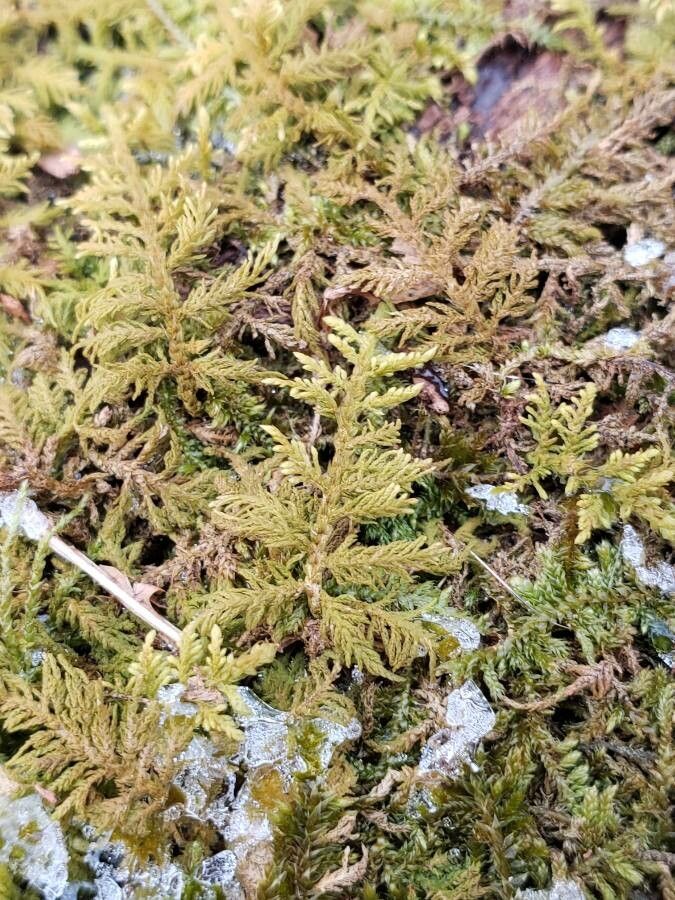
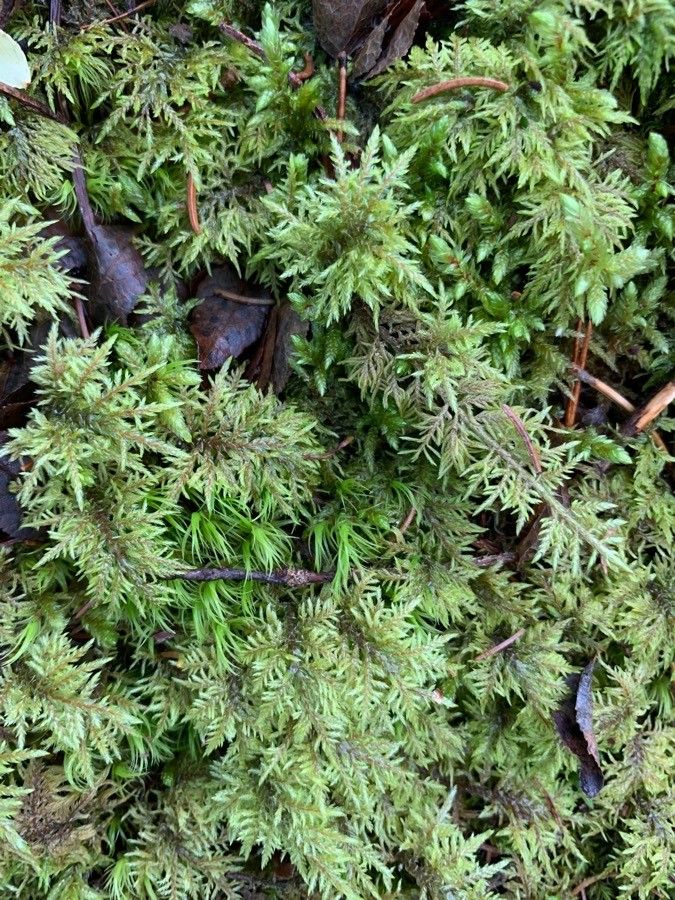
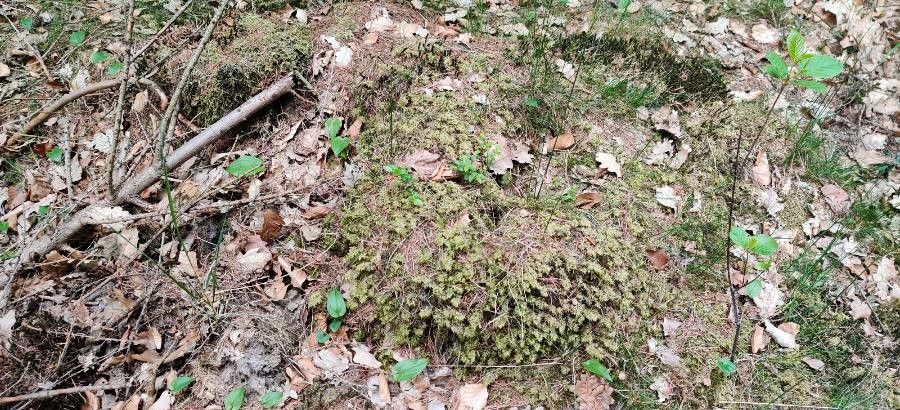
Aspidotis densa, commonly known as the California lace fern, is a species native to California and Oregon in the United States. This fern is typically small to medium-sized and flourishes in rocky or gravelly soils found in shaded areas such as forests, canyons, and stream banks. The fronds of Aspidotis densa are delicate and lacy, featuring finely divided leaflets that contribute to its airy appearance. The plant can reach up to 60 cm in height, with fronds extending up to 30 cm in length.
Aspidotis densa is an evergreen plant, retaining its foliage year-round. It thrives in moist soil conditions but can tolerate periods of drought once it has become established. Its ease of growth and maintenance makes it a popular choice for gardens and indoor plants alike.
Beyond its ornamental value, Aspidotis densa has a history of use in traditional medicine by Native American tribes. The leaves were often used topically as poultices or brewed into teas to treat various ailments, including headaches, stomachaches, and skin irritations.
In summary, Aspidotis densa is a beautiful fern species that offers both aesthetic and medicinal benefits, making it an excellent addition to any garden or indoor space.
Indian's dream shows strong resistance to disease and is typically not vulnerable to illnesses. Still, it can be affected by pests and diseases found nearby. Such infections tend to be mild. Regarding care, this plant demands a moderate level of maintenance. Regular pruning is necessary to preserve its appearance and encourage healthy growth. Applying fertilizer can also support better flowering. Indian's dream is appropriate for anyone who has outdoor space, like a garden or patio, and does not need extensive gardening experience. It may need extra attention if cultivated indoors.
How to keep Aspidotis Densa.
Light
Indian's dream does best in full sunlight, where it can take in the sun's full spectrum of nourishing, radiant rays to power its photosynthesis. It can, however, cope with only partial sun. Although this is not ideal, it can adjust to those conditions, but its vigor and ability to flourish may be diminished.
Water
Originating from arid regions, the Indian's Dream is a plant that thrives with minimal moisture and exhibits high drought tolerance. To prevent over-saturation, it requires weekly watering. During its growing season, it needs consistent, moderate hydration to support its foliage and maintain its resilience across various climates.
Temperature
Indian's dream is native to habitats with temperatures ranging from 41 to 77°F (5 to 25℃). This plant does best in moderate temperatures, so adjusting the temperature to keep it within that range during seasonal changes is essential for optimal growth.
Fertilizer
Usually one fertilizer application in spring is enough for Indian's dream, though repeated feedings can increase growth. Apply fertilizer about every month to a month and a half. Fertilizing improves the leaves' appearance and function, supporting even color and a healthy texture. It also promotes root development and nutrient uptake for long-term plant health.
Pruning
Prune Indian's Dream in early to late spring to encourage new growth and maintain its shape. Use sharp tools to remove dead fronds, which will help improve air circulation and reduce the likelihood of pests. Be careful not to over-prune healthy fronds, as this will help maintain a vibrant appearance throughout the growing season.
Botanical profile.
- Plant Type
- Herb
- Life Cycle
- Perennial
- Genus
- Aspidotis
- Family
- Pteridaceae
- Hardiness Zone
- 4
- Mature Height
- 5 cm to 10 cm
- Mature Spread
- 15 cm to 30 cm
- Leaf Color
- Dark Green
- Leaf Type
- Evergreen
- Planting Time
- Spring, Summer, Autumn
Other names.
Reader questions.
How should I water my Indian's dream?
To ensure the proper care of the Indian's dream plant, it is important to use filtered water at room temperature or slightly warmer. Tap water may contain harmful particles, so filtered water is the better choice. Since the Indian's dream plant prefers a warm environment, cold water can be detrimental to its health. It is also advised to avoid overhead watering as it can cause issues with the plant's foliage. Instead, it is best to thoroughly water the soil with the filtered room temperature water, allowing it to become completely soaked. This will benefit the plant by moistening the roots and facilitating the spread of nutrients through the soil.
What are the sunlight requirements for Indian's dream?
Indian's dream, or Aspidotis densa, requires full sun exposure to thrive, which means it should receive more than 6 hours of direct sunlight daily. It can also survive in partial sun conditions, where it gets around 3-6 hours of sunlight. However, it's essential to observe the movement of sunlight through your garden to find the ideal spots that offer this plant the right balance of light and shade, ensuring it grows healthy and happy.
What is the optimal temperature range for Indian's dream?
Indian's dream, botanically known as Aspidotis densa, thrives best in environments with moderate temperatures, specifically within the range of 41 to 77°F (5 to 25°C). Keeping the plant within this temperature range throughout the seasonal shifts is essential for its optimal growth.
What should I do if I give too much or too little water to my Indian's dream plant?
Overwatering and underwatering can both harm your Indian's dream plant, but overwatering is a more common issue. When the plant gets too much water, its stems and leaves may wilt and turn yellow. Overwatering for a long time can also cause diseases like root rot, mold, and mildew that can be fatal to your plant. While the Indian's dream plant can tolerate some drought, underwatering is less likely to occur. However, if it happens, the leaves may become brittle and brown. It's important to recognize signs of overwatering early when taking care of your Indian's dream plant. Some diseases caused by overwatering, like root rot, can't be fixed if you wait too long. If you notice early signs of overwatering, reduce your watering schedule right away. You should also check the soil quality. If it drains poorly, replace it with a loose, well-draining potting mix. On the other hand, if you see signs of underwatering, water the plant more regularly until the signs improve.
How does Indian's dream react to different lighting conditions?
Indian's dream performs best when exposed to the full spectrum of sunlight, which is crucial for its photosynthesis process. In cases of insufficient natural sunlight, such as during winter or in less sunny spaces, artificial lighting can be a valuable solution. LED lights are recommended for their ability to be customized to provide specific light wavelengths needed by the plant. Full sun plants require 30-50W/sq ft of artificial light, partial sun plants need 20-30W/sq ft, and full shade plants need 10-20W/sq ft. Position the light source 12-36 inches above the plant and ensure it receives 8-12 hours of light per day to mimic natural daylight conditions.
Is Indian's dream cold-tolerant?
Yes, Indian's dream is remarkably cold-tolerant and does not require additional frost protection measures during the winter months. However, it is advised to water the plant generously before the first freeze in autumn. This ensures the soil is moist when it freezes, helping prevent drought and water scarcity for the plant during the winter and early spring.
How often should I water my Indian's dream plant?
If your Indian's dream plant is in a pot, you can determine if it needs water by sticking your finger into the soil. If the top two to three inches of soil are dry, it needs water. The same goes for Indian's dream plants grown outdoors in the ground. During spring and early fall, watering about once a week is usually sufficient. However, in very hot weather, you may need to water twice or more per week. It's worth noting that mature, well-established Indian's dream plants can handle periods of drought quite well.
What symptoms indicate Indian's dream is receiving inadequate light?
When Indian's dream does not receive enough light, it shows several symptoms: new leaves may grow smaller and develop paler colors, indicating a lack of chlorophyll. The plant may also exhibit leggy or sparse growth, become prone to early leaf drop, and its growth could slow down or stop altogether. In extreme sunlight conditions, symptoms like chlorosis, sunscald, leaf curling, wilting, and leaf scorching can occur. These signs indicate the plant's struggle with either too little or too much light exposure.
What should I do if the temperature drops below -30°C?
Although Indian's dream is extremely cold-tolerant, winter temperatures should be kept above -30°C. If temperatures fall below this threshold, the plant may not show immediate signs of distress, but there can be a noticeable decrease in sprouting or even no sprouting come spring. In such cases, removing any parts that have failed to sprout in the spring is recommended.
How much water does my Indian's dream require?
When watering your Indian's dream, it's important not to hold back on the amount of water you give. If the top two to three inches of soil are dry, water the plant thoroughly until the soil is completely soaked. Ensure that enough water is added so that it flows through the drainage holes in the pot. If no excess water is draining out, then you haven't watered enough. However, be careful not to let water accumulate in the soil as this can be harmful to the plant. On the other hand, if water isn't draining through the pot, it could indicate poor soil drainage, which should be avoided. If the plant is outdoors, 1 inch of rainfall per week is sufficient.
How can I ensure Indian's dream receives adequate light indoors and outdoors?
To provide adequate light for Indian's dream indoors, gradually move the plant each week to sunnier spots until it gets at least 6 hours of direct sunlight, ideally using a south-facing window. Use artificial lighting if necessary, keeping it on for at least 8 hours daily. Outdoors, introduce the plant gradually to sunnier areas to avoid sunburn, seeking the best sunlight exposure. Removing obstructions, like pruning branches that block sunlight, and transplanting to sunnier locations can also help ensure your Indian's dream receives the light it needs to thrive. Remember, parts of the plant damaged by insufficient light might not recover, but new growth will be healthy with proper light adjustments.
How does Indian's dream react to high temperatures?
Indian's dream does not tolerate high temperatures well. Exceeding the 25°C mark can halt its growth and increase susceptibility to rot. To mitigate high-temperature stress, trim any sunburned or dried-up parts, move the plant to a shaded location or use a shade cloth to protect it from midday and afternoon sun. Additionally, water the plant in the morning and evening to maintain soil moisture.