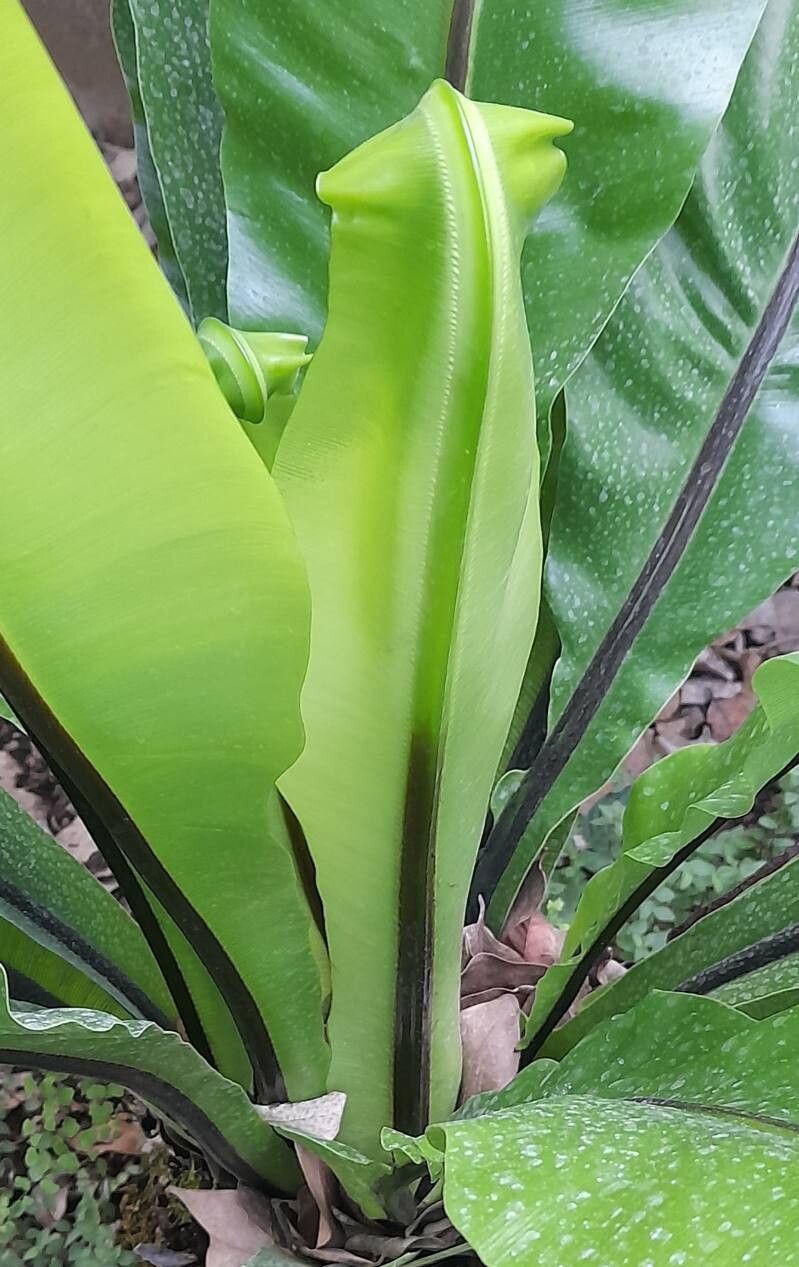
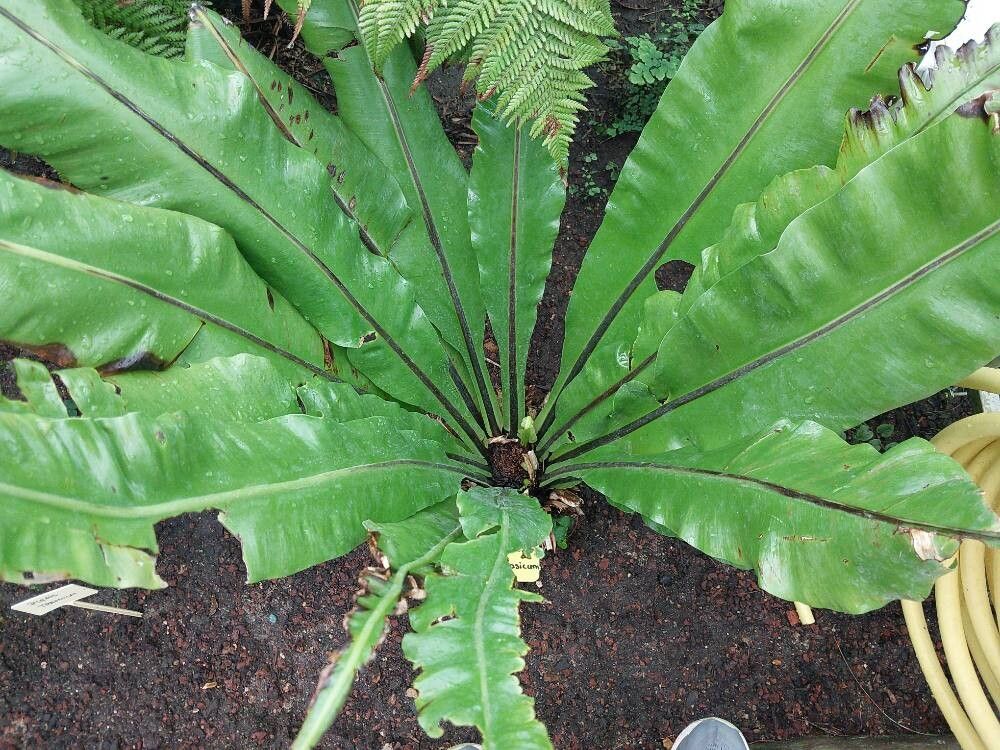
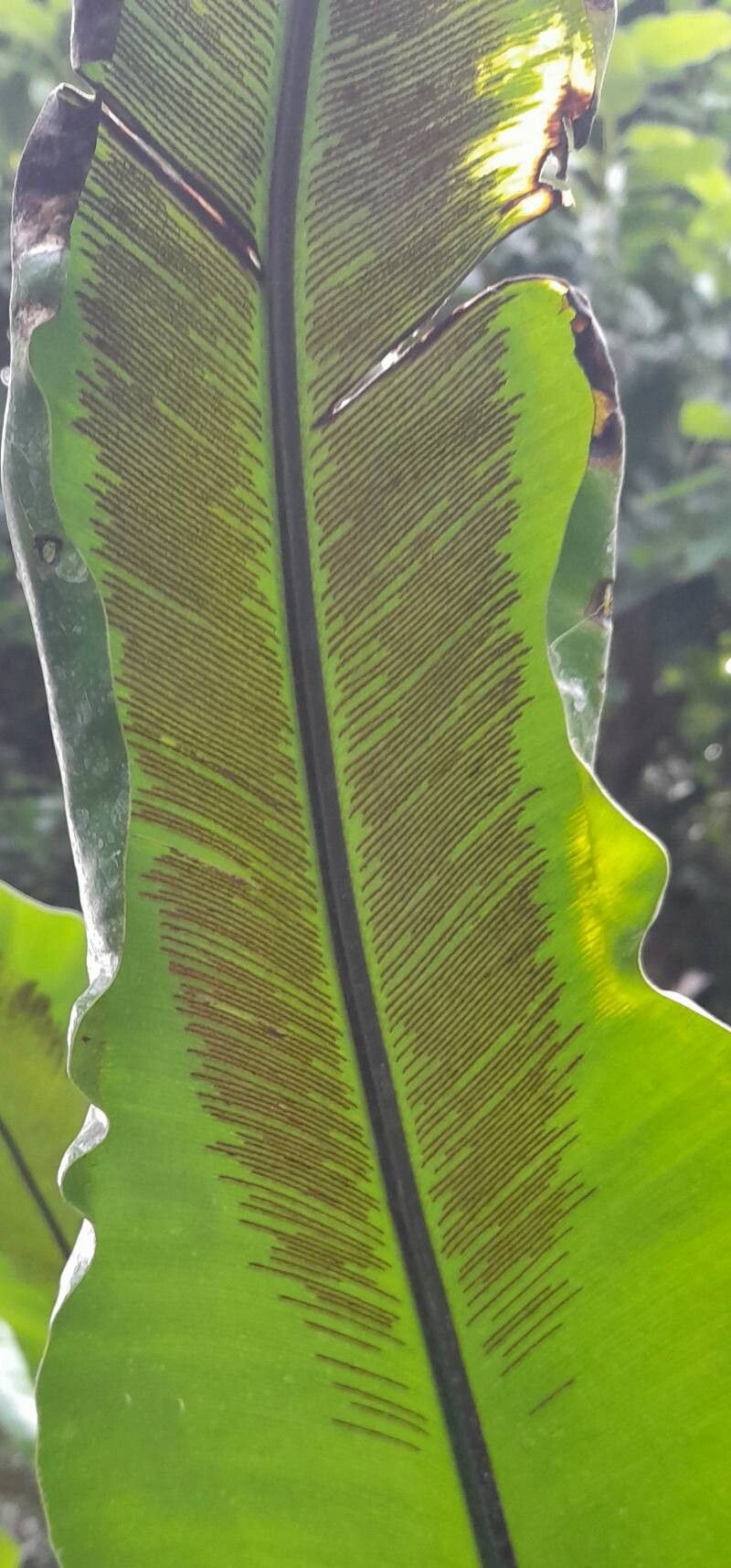
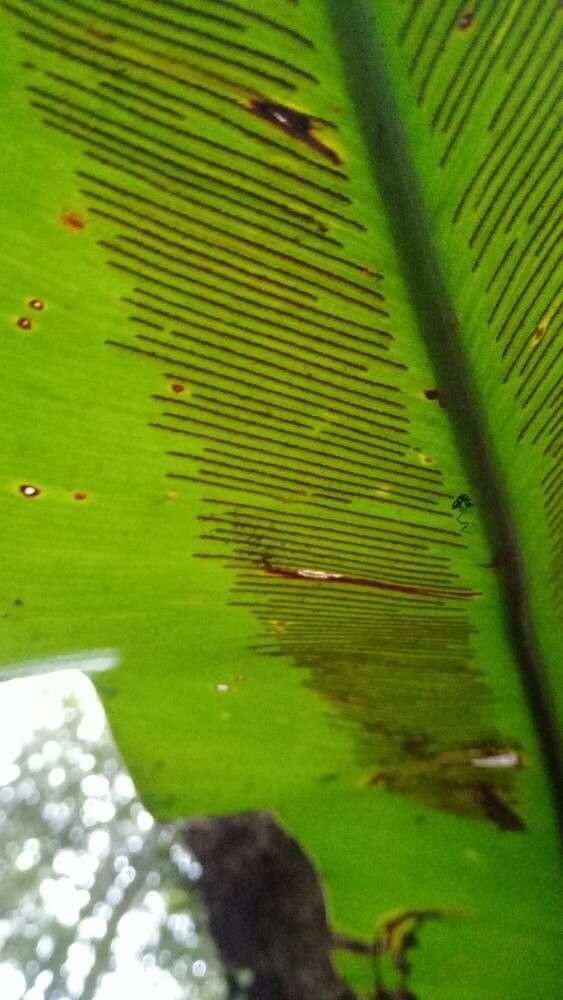
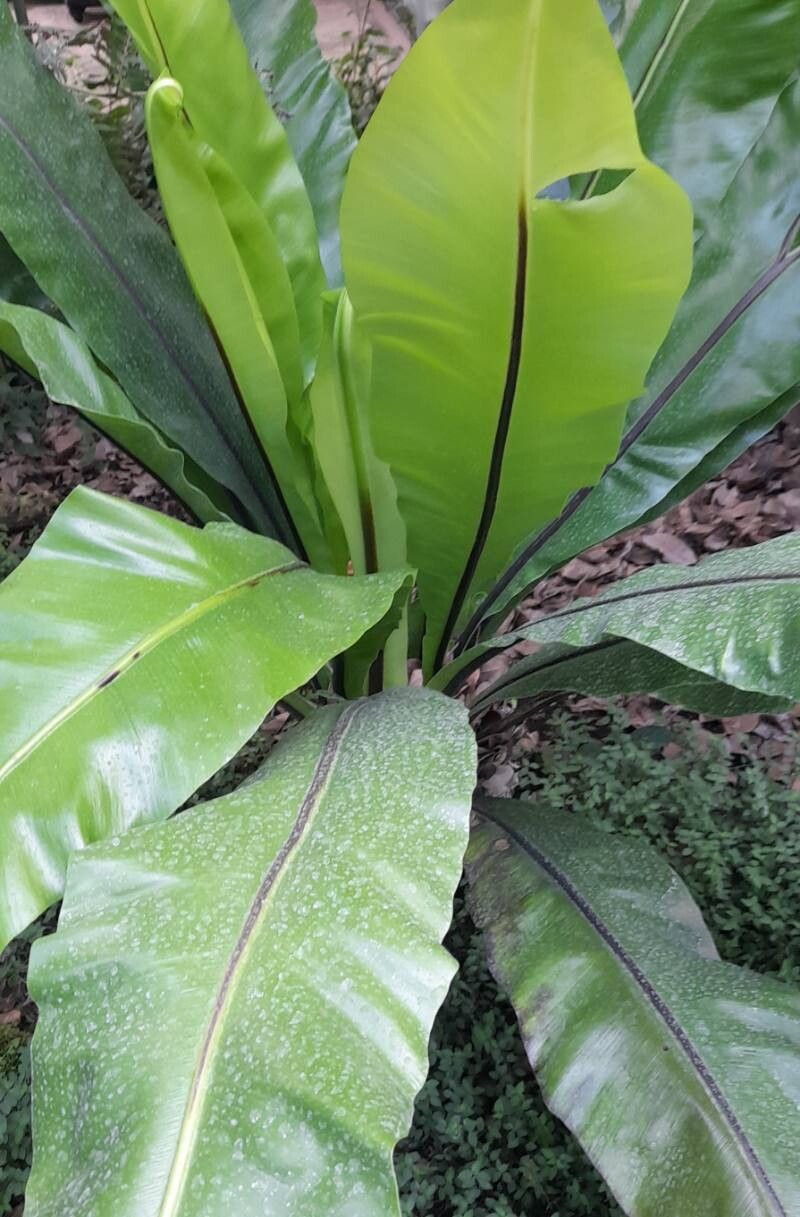
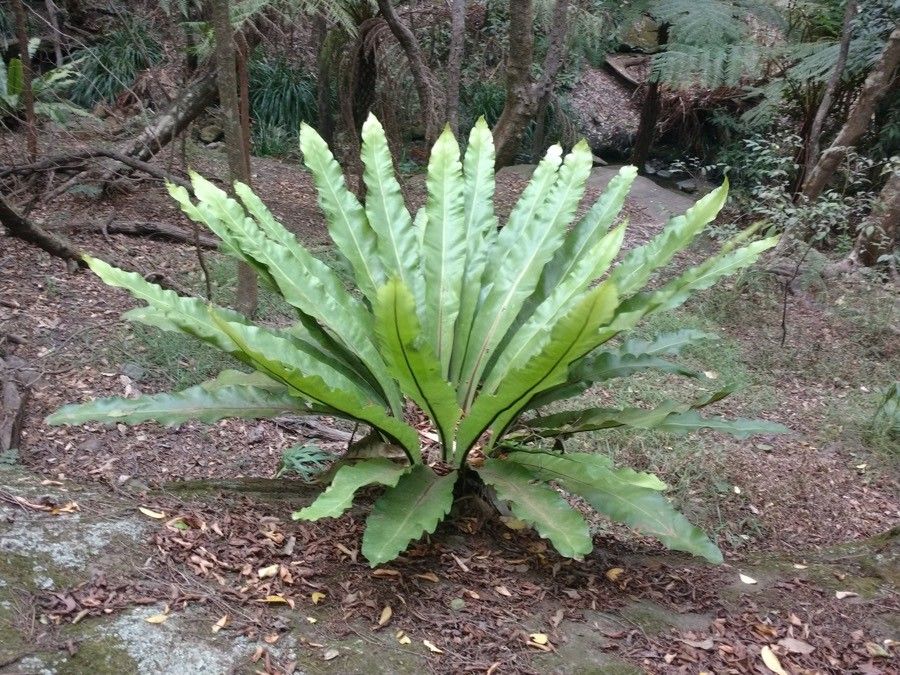
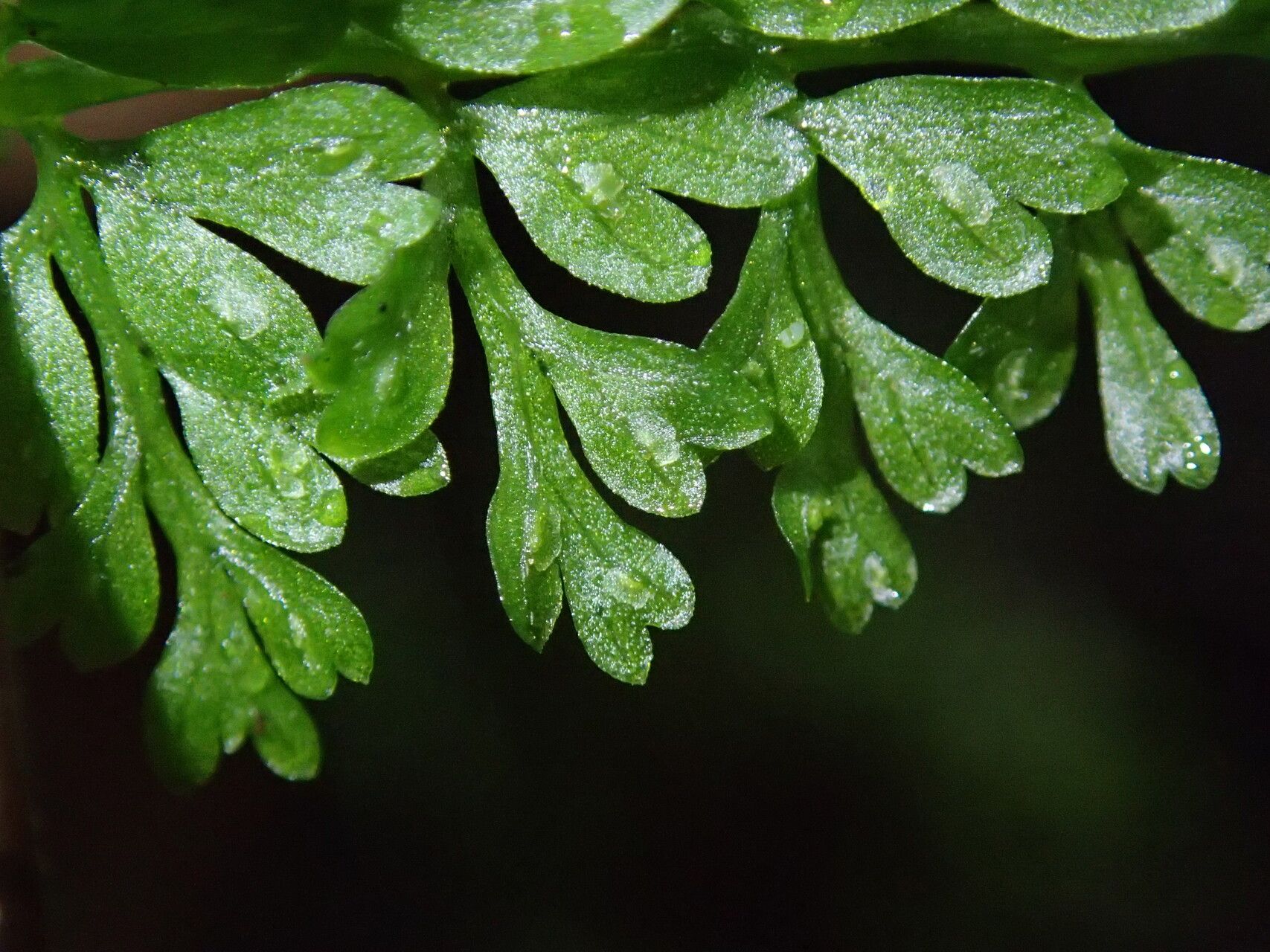
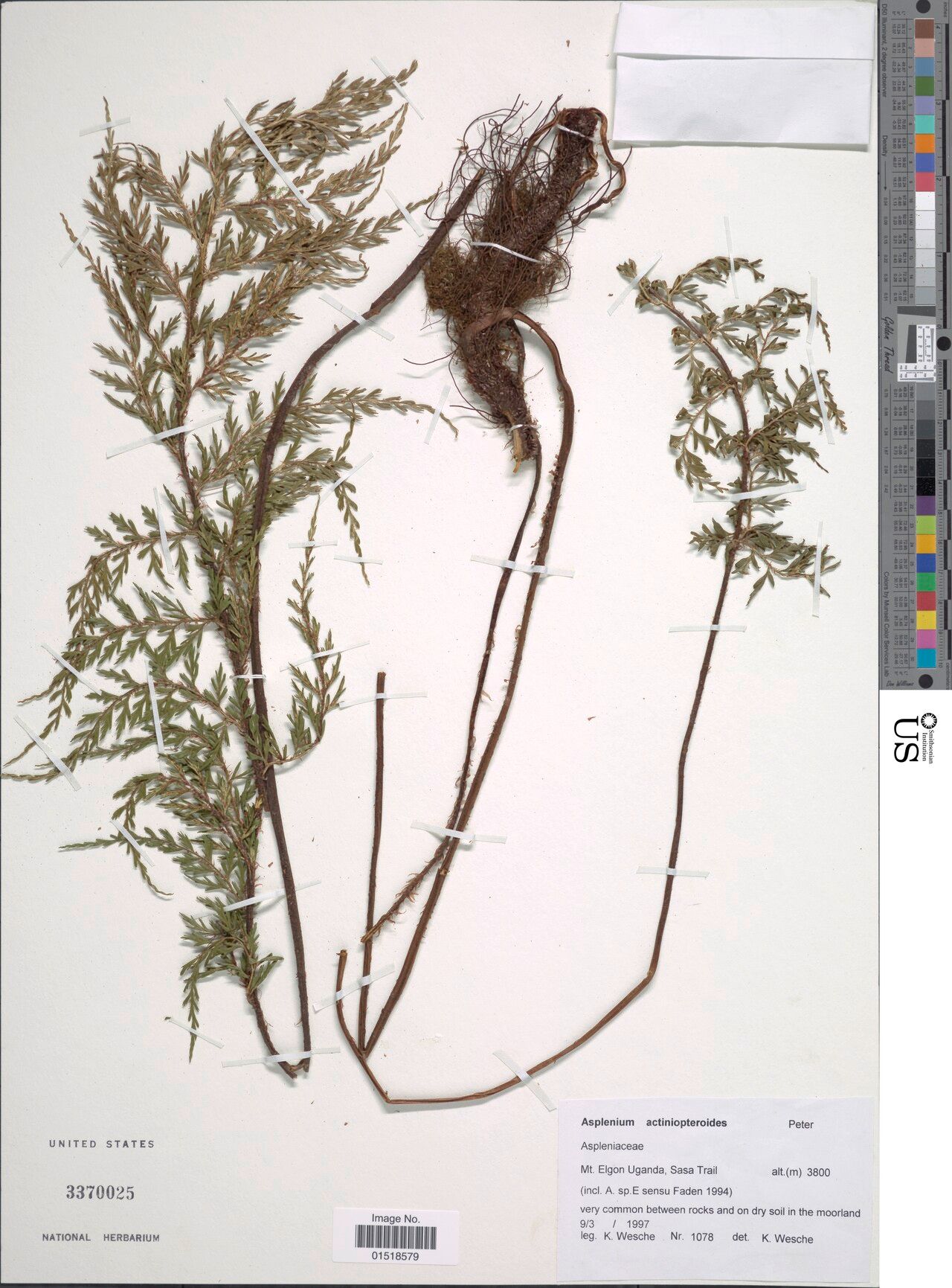
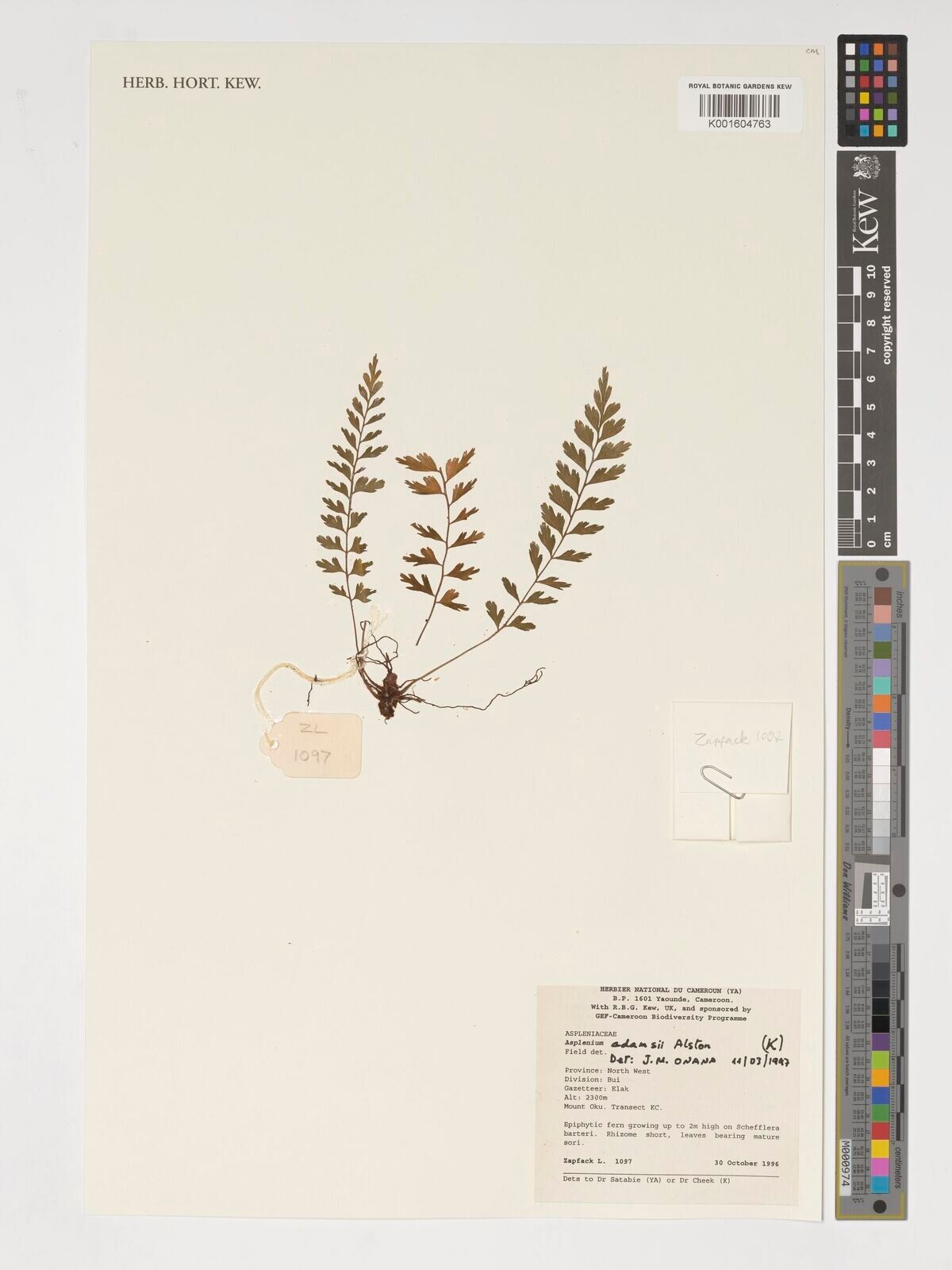
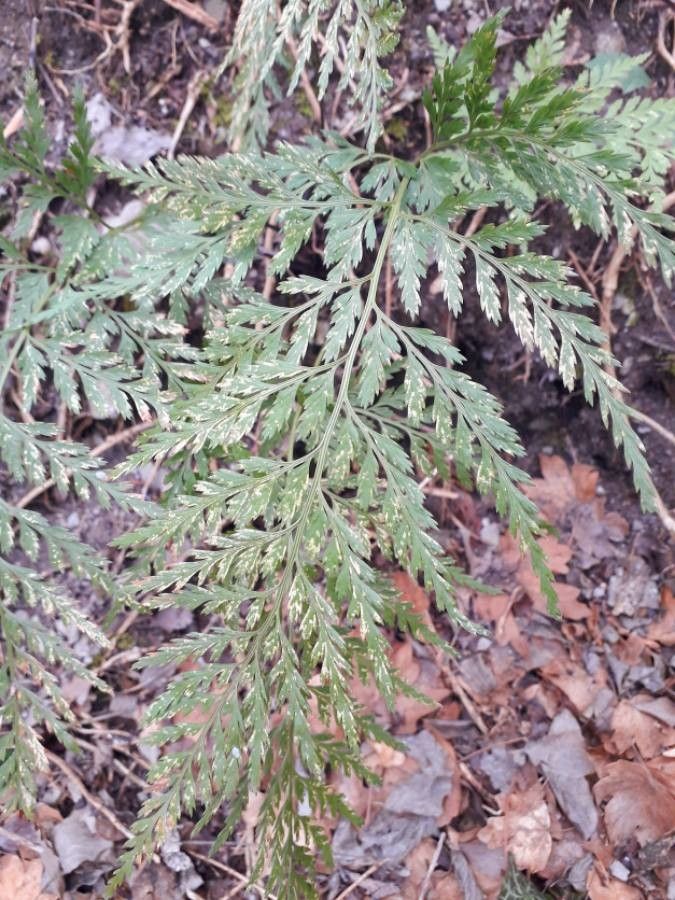
Asplenium australasicum, the bird's nest fern or crow's nest fern, is an epiphytic Australasian species of fern in the family Aspleniaceae.
The bird's nest fern is generally disease-resistant and is usually not prone to illness. However, it can develop leaf spots if light and ventilation are poor and if it is overwatered. Its care requirements are considered easy, as it mainly needs regular watering and little else. The bird's nest fern is well suited to people who do not have the time or energy to provide frequent care.
How to keep Asplenium Australasicum.
Light
Preferably, bird's nest ferns do best in sunlit spots for robust health. Bright sunlight encourages vigorous growth and deep green coloration, especially in their native environment. While these plants can tolerate areas with somewhat filtered light, extended exposure to intense sun can be damaging, causing scorching or discoloration.
Water
The bird's nest fern thrives in humid environments and needs consistent moisture to stay healthy. To ensure its well-being, water it weekly. This evergreen fern keeps its vibrant greenery throughout the year. Regular misting is also beneficial, especially indoors, where humidity levels are often lower.
Temperature
Bird's nest fern originates from warmer regions and does best when kept within a steady temperature range of 68 to 100 °F (20 to 38 °C). Seasonal shifts may require adjusting indoor heating to preserve ideal growth conditions.
Fertilizer
A bird's nest fern needs the most fertilizer during its active growth period, which takes place mainly in spring, summer, and early fall. Fertilizing supplies essential nutrients that the soil may lack, encouraging healthy root and stem development as well as the attractive foliage that is a key characteristic of this plant.
Pruning
The bird's nest fern has large, shiny, funnel-shaped fronds. Prune it from early to late spring, removing any yellowing leaves to enhance airflow and promote growth. Regularly inspect the plant for pests and damage, and use sanitized tools to prevent infection. Minimal pruning is recommended to preserve its natural growth and maintain overall health.
Pot & Repot
When repotting Bird's nest fern, select a pot 1-2 inches (2.5–5.1 cm) larger with ample drainage. Use a well-draining potting mix. Repot in spring or fall, ensuring that the root ball is slightly lower than the rim of the pot. Water thoroughly after repotting and place in a warm spot with indirect sunlight.
Botanical profile.
Other names.
Reader questions.
What are the sunlight requirements for a Bird's nest fern?
The Bird's nest fern thrives in locations that receive full sunlight, which supports its lush growth and vibrant green color, particularly in its native habitat. It requires above 6 hours of sunlight (full sun) for thriving health but can also tolerate partial sun, which is about 3-6 hours of sunlight. However, it's important to note that excessive direct sunlight can be harmful, causing scorching or discoloration of the leaves. Observing your garden's sunlight movement is crucial to find the ideal balance of light and shade for these plants.
What is the native climate for Bird's nest fern, and what temperature does it prefer?
Bird's nest fern, scientifically known as Asplenium australasicum, thrives in warmer climates. It prefers a consistent temperature range of 68 to 100°F (20 to 38°C). To maintain ideal growth conditions, especially during seasonal changes, indoor heating may need to be adjusted. The fern is extremely heat-loving, and exposure to cold temperatures can harm it. During autumn, it is recommended to bring outdoor-grown Bird's nest ferns indoors, placing them near a bright window but at a safe distance from heaters to avoid damage. Keeping the temperature above 20°C during winter facilitates optimal growth, while any exposure to temperatures approaching 0°C can be detrimental.
How can artificial lighting support Bird's nest fern growth indoors?
Indoor plants, like the Bird's nest fern, require adequate lighting to flourish, especially in conditions where natural sunlight is insufficient, such as during winter or in less sunny indoor locations. Artificial lighting is an excellent alternative, promoting faster and healthier growth. LED lights are recommended due to their ability to mimic natural sunlight by providing specific wavelengths needed by plants. For full sun plants, including Bird's nest fern, 30-50W per square foot is ideal, with the light source placed 12-36 inches above the plant. Providing 8-12 hours of artificial light per day can help mimic natural daylight hours, supporting the plant's growth needs.
How does low temperature affect Bird's nest fern, and what should be done?
Bird's nest fern prefers warm environments and is not tolerant to low temperatures, thriving best when the temperature remains above 20°C. During winter, it's crucial to keep the plant above 0°C to avoid damage. Exposure to temperatures below -5°C can cause the leaves to lighten in color. Following frost damage, the leaves may turn brown or black, and symptoms such as wilting and drooping might occur. The solution involves trimming off the frost-damaged parts and immediately moving the plant indoors to a warm spot, preferably near a south-facing window for ample sunlight. It is also important to avoid placing the fern near heaters or air conditioning vents to prevent the air from becoming excessively dry.
What are common symptoms of inadequate lighting in Bird's nest fern?
When a Bird's nest fern does not receive sufficient light, several symptoms may appear indicating light deficiency. These include the development of smaller new leaves, leggy or sparse growth, faster leaf drop, slowed or halted growth, and lighter-colored new leaves. Moreover, excessive sunlight can cause chlorosis, where leaves turn yellow due to chlorophyll breakdown, sunscald, leaf curling as a defense against sun exposure, wilting from increased water loss, and leaf scorching. These symptoms highlight the plant's struggle with improper lighting conditions.
How does high temperature affect Bird's nest fern, and how can it be mitigated?
Bird's nest fern should be kept below 100°F (38°C) during summer. Exposure to temperatures exceeding 109°F (43°C) can cause the leaves to lighten and make the plant more susceptible to sunburn. To mitigate damage from high temperatures, sunburned and dried-up parts of the plant should be trimmed away. Moving the plant to a location that offers shade from the midday and afternoon sun can help protect it. Additionally, watering the plant in the morning and evening to keep the soil moist can further assist in maintaining the plant's health under high temperatures.
What solutions can address lighting issues for indoor, outdoor, and ground-planted Bird's nest ferns?
To mitigate lighting issues for Bird's nest ferns, several strategies can be employed based on the planting location. Indoors, it's advisable to gradually introduce the plant to sunnier spots until it receives at least 6 hours of sunlight daily. Utilizing south-facing windows and ensuring curtains remain open during the day is beneficial. For plants that are large or not easily movable, supplementing with artificial light for at least 8 hours daily can suffice. Outdoors, acclimate plants to brighter conditions by moving them weekly to sunnier locations, avoiding sudden changes that can cause sunburn. Obstruction reduction and careful transplantation during the plant's dormant period are effective for ground-planted ferns. While some parts of the plant may not recover from previous light deprivation, new growth should be healthy with proper light exposure adjustments.