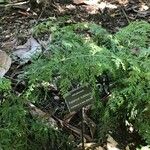
Asplenium bulbiferum
Hen-and-chickens · Mother fern · Mother spleenwort · Hen and chickens fern
Description
Source: leafsnapAsplenium bulbiferum, commonly known as the Hen and Chicken Fern, is a species of fern native to New Zealand and Australia. Belonging to the Aspleniaceae family, it is a popular ornamental plant known for its attractive foliage. The plant features dark green, glossy, and leathery fronds that are pinnate, with numerous small leaflets arranged on either side of the central stem. One of the unique characteristics of Asplenium bulbiferum is its ability to produce small plantlets, or "bulbils," on its fronds. These bulbils can grow into new plants when they detach from the parent plant. The Hen and Chicken Fern prefers moist soil with good drainage but can tolerate some dryness once established. It thrives in partial shade but can also grow well in full shade or filtered sunlight. Among indigenous communities where it grows naturally, Asplenium bulbiferum has several medicinal uses. Its leaves have been used as a poultice for treating wounds, burns, skin irritations, headaches, and feverish conditions, among other ailments. Overall, Asplenium bulbiferum makes an excellent addition to any garden. Its attractive foliage adds texture and color, and it is a low-maintenance plant that looks great year-round.
Care Guide
💧 Water Every 7 days
Mother spleenwort thrives in moist, high-humidity environments and requires consistent moisture. It needs to be watered twice a week and adapts well to indoor conditions. To promote healthier growth, it benefits from additional humidity, such as using a pebble tray, which mimics its natural tropical habitat.
☀️ Light Full shade
Mother spleenwort prefers moderate sunlight but can still grow in low-light conditions. Too much light can harm the plant and affect its health. It was originally found in places with filtered light, which explains its ability to tolerate shifting light levels.
What are the sunlight requirements for Mother Spleenwort?
Mother Spleenwort requires moderate sunlight but can also grow in low light conditions. It originally thrived in areas with filtered light, which makes it adaptable to varying levels of illumination. It's important to provide Mother Spleenwort with about 3-6 hours of sunlight daily for optimal growth. The plant should be shielded from excessive sunlight exposure to prevent damage. For indoor plants, artificial lighting can be used to supplement natural light, especially in less sunny spaces or during the winter. LEDs are recommended for their ability to provide the specific wavelengths needed by the plant. The artificial light should be placed 12-36 inches above the plant for 8-12 hours per day, depending on the plant's needs.
How do I recognize if my Mother Spleenwort is getting too little or too much light?
Symptoms of insufficient light in Mother Spleenwort include smaller new leaves, leggy or sparse growth, faster leaf drop, slower or halted growth, and lighter-colored new leaves, indicating a lack of chlorophyll and essential nutrients. In contrast, too much light can cause chlorosis, where leaves lose their green color, sunscald, leaf curling as a defense mechanism, wilting due to increased water loss, and leaf scorching, marked by brown, dry edges or patches on the leaves. Observing these symptoms can help diagnose whether your Mother Spleenwort is experiencing light-related stress.
What are the solutions for light-related issues in Mother Spleenwort?
To address light-related issues in Mother Spleenwort, gradually acclimate your plant to its ideal light conditions. For indoor plants, start by moving them to sunnier spots each week until they receive the necessary 3-6 hours of direct sunlight, or use artificial light to supplement natural light. Ensure your artificial light source is on for at least 8 hours a day. For outdoor plants, similarly, increase exposure to sunlight gradually to prevent sunburn. Pruning nearby trees or plants that create shade can help increase sunlight exposure. If certain parts of the plant have already been damaged by light stress, they may not recover, but proper light adjustment will promote healthy new growth.
🌡️ Temperature 20–37.8°C
Mother spleenwort comes from mild climates where temperatures typically range from 68 to 100.4 °F (20 to 38 ℃). For best growth, keep conditions within that range. During colder months, supply extra warmth to mimic its native habitat.
What is the native climate for Mother Spleenwort, and how should it be cared for in terms of temperature?
Mother Spleenwort, scientifically known as Asplenium bulbiferum, thrives in mild climates where temperatures typically range from 68 to 100.4 °F (20 to 38 °C). To ensure optimal growth, it's crucial to maintain temperatures within this range. This plant loves heat and is sensitive to cold. During colder months, it's recommended to provide extra warmth to replicate its native environment. When autumn arrives, if the Mother Spleenwort is grown outdoors, it should be brought indoors and placed near a bright window, ensuring it's not too close to heaters. Keeping the temperature above 20°C during winter supports its growth, while temperatures approaching 0°C can be detrimental.
What should I do if my Mother Spleenwort is exposed to low temperatures?
Mother Spleenwort prefers warm climates and struggles with low temperatures. It performs best when the temperature remains above 20°C, and it's crucial to keep it above 0°C during winter. Exposure to temperatures below -5°C can cause the leaves to lighten in color, eventually turning brown or black after frost damage, with symptoms including wilting and drooping. If frost damage occurs, trim off the damaged parts and immediately move the plant indoors to a warm environment for cold protection. Placing the plant near a south-facing window ensures ample sunlight. However, avoid positioning it close to heaters or air conditioning vents to prevent the air around the plant from becoming too dry.
What should I do if my Mother Spleenwort is exposed to high temperatures?
During summer, it's important to keep Mother Spleenwort below 38°C to prevent heat stress. Exposure to temperatures exceeding 43°C can lighten the color of the leaves, making the plant more susceptible to sunburn. If sunburn occurs, trim away the affected, dried-up parts. To protect the plant from excessive heat, move it to a spot that offers shade from the midday and afternoon sun. Watering the plant in the morning and evening helps keep the soil adequately moist, offering relief from high temperature stress.
💨 Humidity high (>60%)
This plant needs special care because it loves high humidity levels of 60-80% or more. The best way to achieve this is by placing a humidifier near the plant. Daily misting is also essential! Make sure the room has good ventilation.
🪴 Soil 5-6
🌱 Fertilizer
To promote growth, fertilize your mother spleenwort every four weeks during the spring and summer using a diluted high-nitrogen liquid fertilizer. In the fall, reduce the frequency of feeding, and stop fertilizing altogether in the winter. Always wear gloves while handling the fertilizer, and promptly clean any spills on the leaves. This helps maintain the plant's health by ensuring precise dosing and making necessary seasonal adjustments.
🪴 Pot & Repot 2-3 years
Repot your mother spleenwort every 2 to 3 years in the spring. Use a medium-sized, breathable pot for the best results. After repotting, place the plant in a location with bright, indirect light, and keep the soil slightly moist. It’s important to maintain a warm environment to aid in the plant’s recovery. Although mother spleenwort is low-maintenance, be sure to handle its delicate fronds with care during repotting for optimal health.
✂️ Pruning
The Mother Spleenwort is a fern known for its feathery fronds and bulbils. To encourage growth and maintain its shape, prune any dead or yellowing fronds in early spring. This practice helps control its spread, fosters good health, and enhances its appearance. Be sure to use clean, sharp tools to prevent the transmission of diseases.
🌿 Propagating
🐛 Diseases & pets
☠️ Toxicity
Characteristics
- Plant Type
- Fern
- Life Cycle
- Perennial
- Genus
- Asplenium
- Family
- Aspleniaceae
- Hardiness Zone
- 9-11
- Mature Height
- 1.22 m
- Mature Spread
- 91 cm
- Leaf Color
- Green
- Leaf Type
- Evergreen
- Planting Time
- Spring, Summer