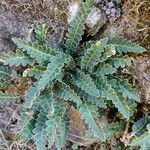
Asplenium ceterach
Σκορπίδι (Skorpidi) · Το όνομα του γένους Asplenium προέρχεται από την αρχαία ελληνική και σημαίνει “χωρίς σπλήνα” · γιατί το χρησιμοποίησαν για προβλήματα της σπλήνας. · Rusty-back · Scaly spleenwort
Description
Source: leafsnapAsplenium ceterach (syn. Ceterach officinarum) is a fern species commonly known as rustyback.
Care Guide
💧 Water Every 7 days
Scale fern thrives in moist environments akin to its rocky European origins, with a preference for stable humidity levels. It is recommended to water it twice a week. This evergreen plant is commonly grown indoors and maintains consistent water requirements throughout the year, making it a resilient choice for an indoor garden.
What do I need to do if I give my Scale fern too much water or not enough water?
The Scale fern can be overwatered if it is left sitting in water or if the planter doesn't have drainage holes. This can prevent the roots from getting nutrients and moisture and can lead to fungal or bacterial diseases. Signs of overwatering include wilted and yellow leaves, drooping stems, and softness/mushiness. Make sure to check for other causes of these symptoms, as it's difficult to give the plant too much water. On the other hand, the Scale fern can also become underwatered if not monitored closely. This often happens when using a non-self-watering planter. In dry conditions, the appearance of the plant can quickly change from lush and green to brown and crispy. In severe cases, it may seem like there are no living fronds left, but the plant can still be saved if some of the roots are healthy. Trim off the dry and dead stems, water thoroughly, and return the plant to its original spot. With proper care, the plant can bounce back and grow new fronds, although it may take a few months to reach its original size.
How do I properly water my Scale fern?
To keep your Scale fern happy and healthy, make sure its soil stays consistently moist. This may require watering every one or two days. It's important to not let the plant dry out, so when the top layer of soil feels even slightly dry, it's time to water again. Be sure to thoroughly soak the soil until water drains from the bottom of the pot. Once the excess water has drained, remove it to avoid the pot sitting in a puddle. Following this method will help prevent the soil from becoming too dry.
What do I need to think about when watering my Scale fern?
The frequency of watering your Scale fern is influenced by the humidity in the air. Higher humidity means watering less often because evaporation is slower. Avoid placing the plant near heating or cooling vents as it will dry out quickly. Find a draft-free location instead. These ferns prefer dappled and indirect sunlight, along with temperatures between 55-80 degrees F (13-27 degrees C). Placing them on a warm and sunny windowsill can cause quick dehydration. If possible, use rainwater or distilled water for this plant, although tap water usually works fine in most places. Tap water may contain minerals and chemicals that can result in brown leaf tips, especially because Scale fern has delicate leaves. Small pots can lead to issues since they hold a small amount of potting medium and dry out faster. It is best to give this plant more space in the pot compared to other houseplants. Consider using a self-watering planter for your Scale fern. This type of pot has a wicking system that allows the soil to constantly absorb water from a central reservoir, ensuring consistent moisture in the soil. This saves you from having to frequently water your fern and benefits the roots by providing a steady water supply instead of alternating between dry and wet conditions.
☀️ Light Full shade
The scale fern thrives in locations bathed in strong sunlight but also tolerates spots with a moderate amount of sun. Too much light can be taxing and cause it to wilt, while insufficient sunlight may lead to poor growth. Its native habitat provides ample natural light.
What are the sunlight requirements for a Scale fern?
The Scale fern needs abundant sunlight but can also thrive with moderate sun exposure. Too much sun can lead to wilting, while insufficient sunlight weakens the plant. It originates from environments with plenty of natural light. Full sun exposure means the plant should receive more than 6 hours of sunlight daily, and partial sun indicates about 3-6 hours of sunlight.
How can artificial lighting benefit indoor Scale ferns?
Indoor Scale ferns benefit significantly from adequate lighting, especially when natural sunlight is lacking, such as during winter or in less sunny areas. Artificial lights, particularly LEDs, are excellent as they can be customized to provide the wavelengths needed by the plant. Full sun plants require 30-50W/sq ft, partial sun plants need 20-30W/sq ft, and full shade plants should have 10-20W/sq ft of artificial light. The light source should be placed 12-36 inches above the plant for 8-12 hours per day to mimic natural sunlight.
What are some common symptoms of improper lighting in Scale ferns?
Symptoms of light deficiency in Scale ferns include small leaves, leggy or sparse growth, faster leaf drop, and halted new growth. Insufficient light leads to pale or irregularly colored new leaves due to a lack of chlorophyll. Excessive sun exposure can cause chlorosis, sunscald, leaf curling, wilting, and leaf scorching, damaging the plant's health and reducing its ability to photosynthesize effectively.
What solutions can address improper lighting for Scale ferns?
To combat improper lighting, gradually acclimatize indoor Scale ferns to sunnier spots, ensuring they receive at least 6 hours of direct sunlight daily, or utilize artificial lighting for at least 8 hours daily. Outdoor plants should also be moved gradually to sunnier locations to prevent sunburn. Removing obstructions or transplanting can improve sunlight access. For affected areas of the plant, recovery might not be possible, but new growth will be healthy with improved light exposure.
🌡️ Temperature 15–35°C
Scale fern is indigenous to temperate regions and prefers a comfortable temperature range of 59 to 95 °F (15 to 35 ℃). To maintain these conditions, moderating and regulating temperature across the seasons is highly recommended.
What are the optimal temperature conditions for a Scale fern?
Scale fern is native to temperate environments and prefers a temperature range of 59 to 95 °F (15 to 35 °C). It's important to regulate and moderate the temperature across different seasons to maintain these conditions. Although the Scale fern has strong cold resistance and usually doesn't require special frost protection, if temperatures are forecasted to drop below -15°C, it's crucial to protect the plant by covering it with materials like soil or straw. Additionally, watering the plant abundantly before the first freeze in autumn to keep the soil moist can help prevent drought and water scarcity during winter and early spring.
How does low temperature affect Scale fern, and what are the solutions?
Scale fern is cold-tolerant and performs best when the temperature remains above 15°C. During winter, it's recommended to keep the temperature above -10°C. If temperatures fall below -15°C, there may not be noticeable changes during the winter, but there might be a decrease in sprouting or a complete lack of sprouting in spring. To address this, in spring, remove any parts of the plant that have failed to sprout.
What are the effects of high temperature on Scale fern and how can they be mitigated?
During the summer months, it's crucial to ensure the Scale fern's environment doesn't exceed 35°C. Temperatures surpassing 41°C can cause the leaves to lighten in color, become prone to curling, and increase the risk of sunburn. To mitigate these effects, trim away sunburned and dried-up parts, and relocate the plant to a shaded area, especially away from the midday and afternoon sun. Utilizing a shade cloth to create shelter and watering the plant in the morning and evening are effective strategies to keep the soil moist and protect the plant.
💨 Humidity
🪴 Soil 6-7
🌱 Fertilizer
To promote the vitality and longevity of scale ferns, fertilize them with a diluted quarter-strength high-nitrogen solution once a month during the growing season. Avoid fertilizing during the winter. Young scale ferns need consistent nourishment, while mature plants require less frequent feeding. To prevent root burn, always water the plants before applying fertilizer.
Why should I add fertilizer to my Scale fern?
Fertilizing Scale fern is important for several reasons. First, it provides your plant with the necessary nutrients to promote healthy new growth. Additionally, the extra nutrients also help maintain the health of older growth and enhance the plant's ability to ward off diseases and pests.
When should I fertilize my Scale fern?
The feeding schedule of Scale fern depends on its location. Although it doesn't have a huge appetite, it still needs some extra nutrients. If it's an outdoor plant, you only need to fertilize it once in the spring. However, if it's an indoor plant, you should feed it monthly from spring to summer.
When is the best time to not fertilize my Scale fern?
Avoid fertilizing in late autumn as it can lead to excessive growth before winter. Additionally, refrain from fertilizing Scale fern during hot and dry periods, as dry soil is not as effective at delivering fertilizer. Fertilizing at this time can also promote growth that requires more water, which may not be available. It is better to fertilize earlier in the season when temperatures are cooler. Lastly, be cautious about inadvertently giving Scale fern a double-dose of fertilizer, as they can absorb fertilizer from nearby plants or lawns.
What kind of plant food does my Scale fern need?
When selecting a fertilizer for Scale fern, the options depend on whether it is grown outdoors or indoors. Outdoor plants benefit from a layer of mulch or compost. For indoor plants, an ideal fertilizer should have an N-P-K ratio of 3-1-2. However, a general-purpose fertilizer with a balanced blend of nutrients can also be effective. In any case, the ratio number for each nutrient volume should be 3 or lower.
How do I make my Scale fern grow better?
Fertilizing Scale fern is simple, but it varies depending on the plant's location. For outdoor garden plants, applying a layer of mulch or compost to the soil, focusing on the base of the plant, works best. As for indoor plants, dilute a liquid fertilizer before watering them, ideally on a monthly basis in the spring and summer.
🪴 Pot & Repot Every 12 months
✂️ Pruning
Scale fern requires minimal pruning, which mainly involves removing dead fronds and cutting back any overgrowth. The best time for pruning is in early spring, as this supports new growth, enhances the plant's health, and helps prevent disease. It's important to use gentle techniques during pruning to encourage a lush appearance and maintain the plant's shape, contributing to the aesthetic appeal of gardens.
🌿 Propagating
🐛 Diseases & pets
☠️ Toxicity
Characteristics
- Plant Type
- Fern
- Life Cycle
- Perennial
- Genus
- Asplenium
- Family
- Aspleniaceae
- Hardiness Zone
- 7-10
- Mature Height
- 15 cm
- Mature Spread
- 25 cm
- Leaf Color
- Dark Green, Olive
- Leaf Type
- Evergreen
- Bloom Time
- Summer
- Planting Time
- Spring, Summer
- Native Area
- Western & central Europe