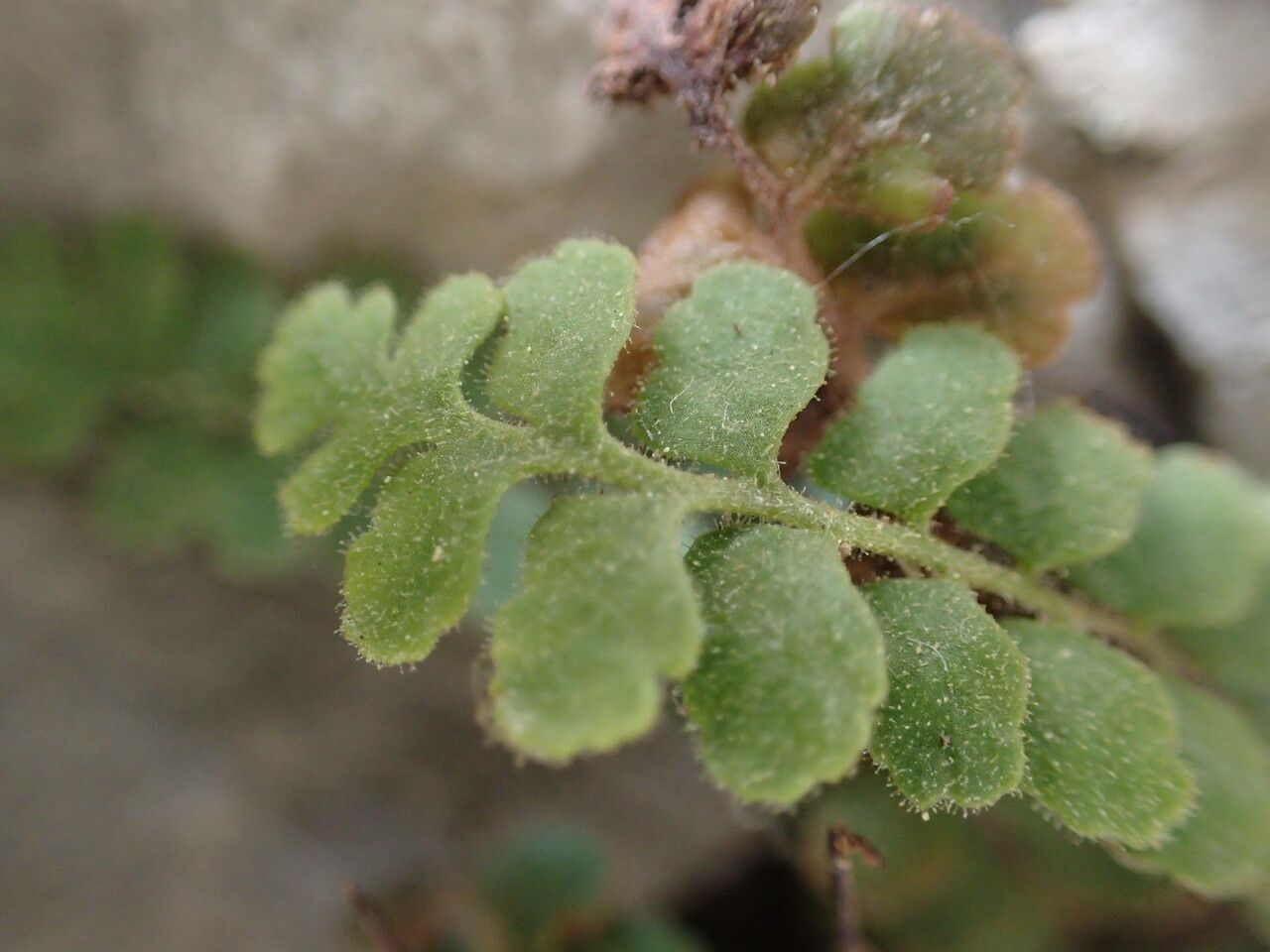
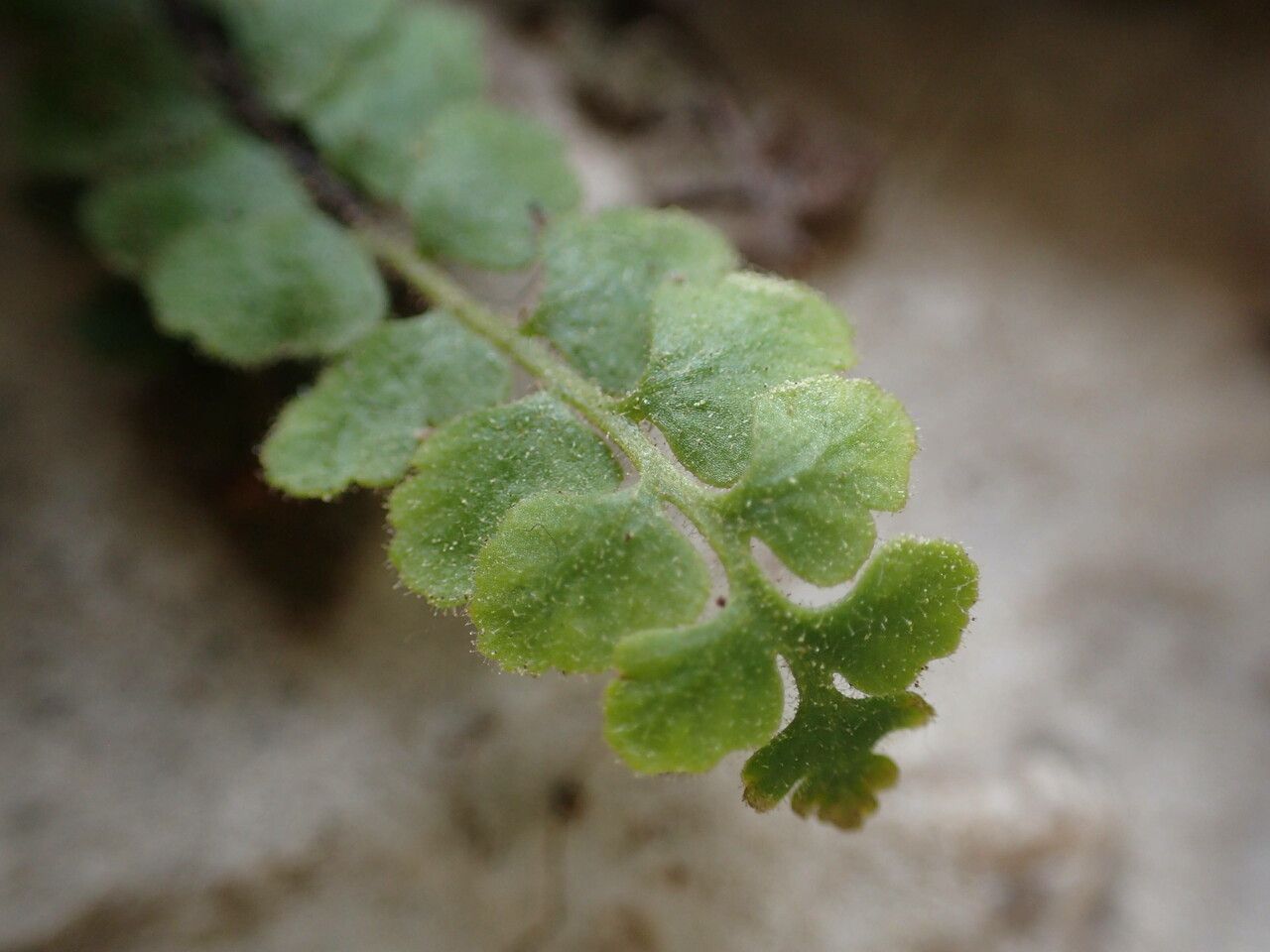
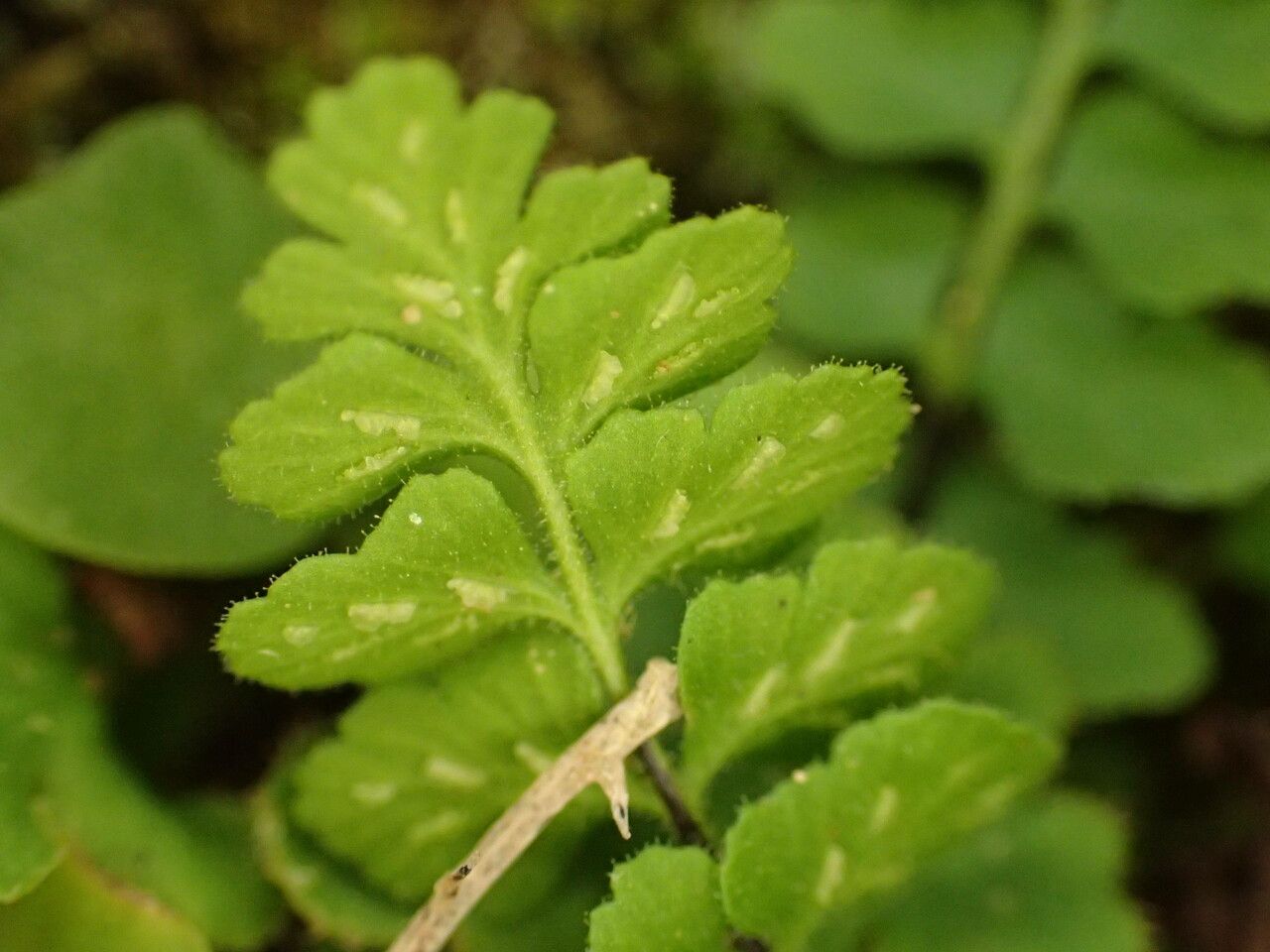
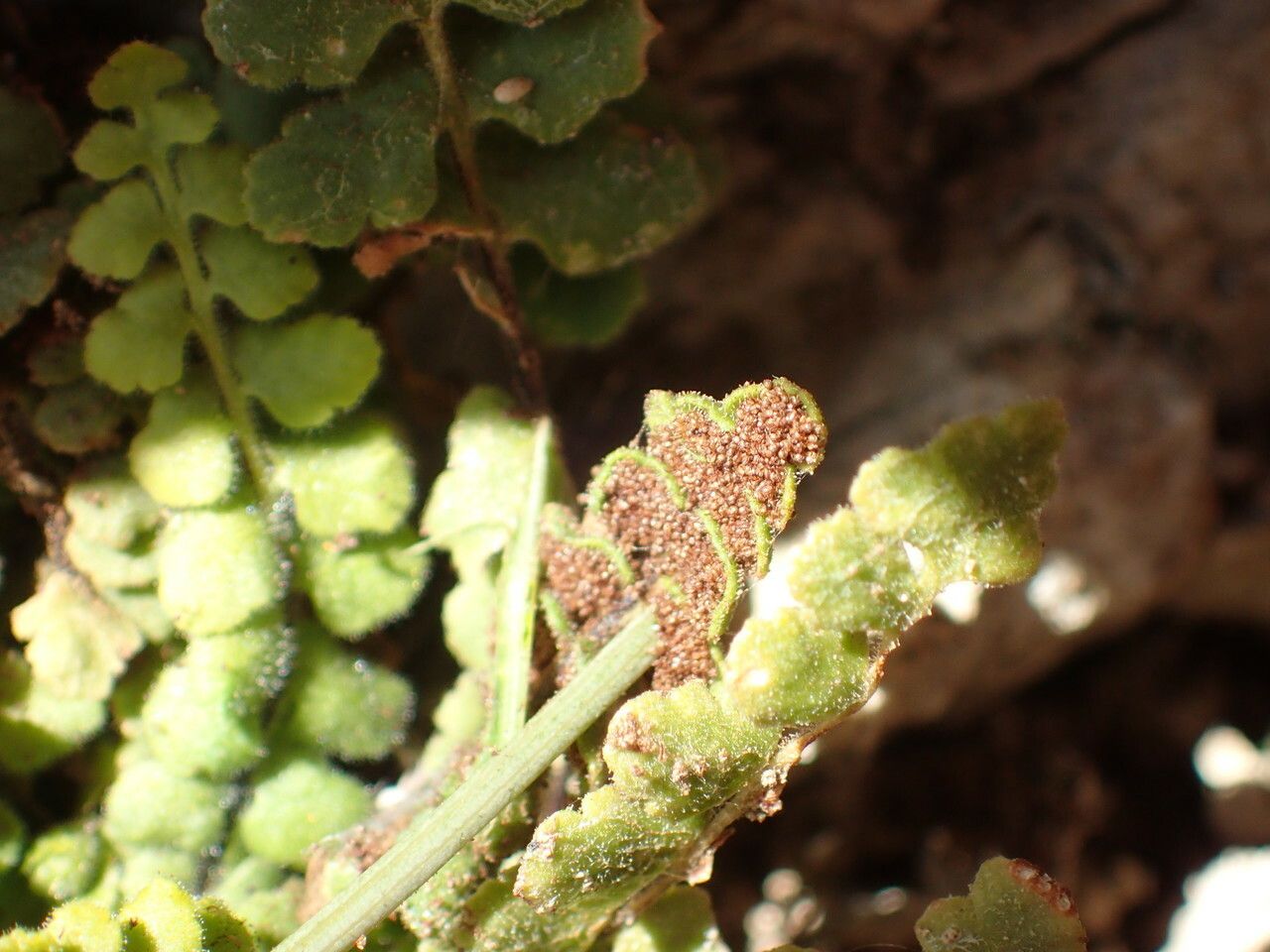
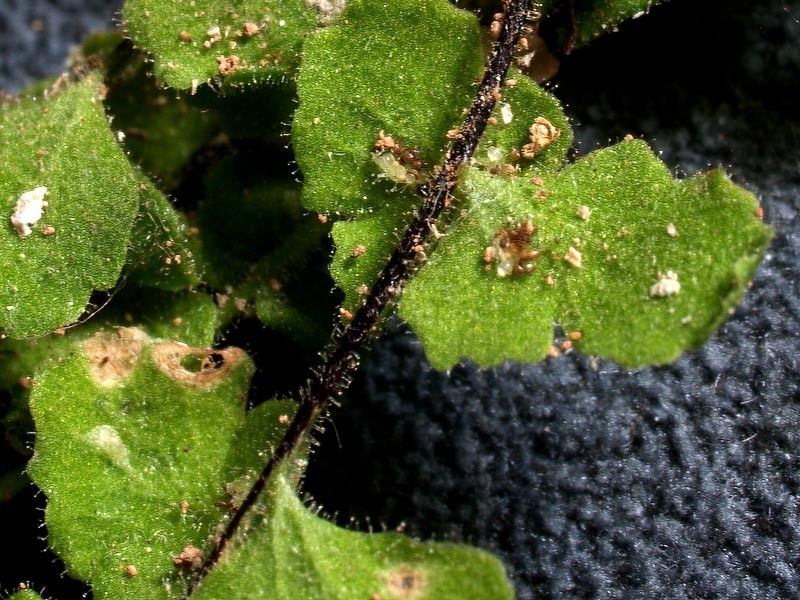
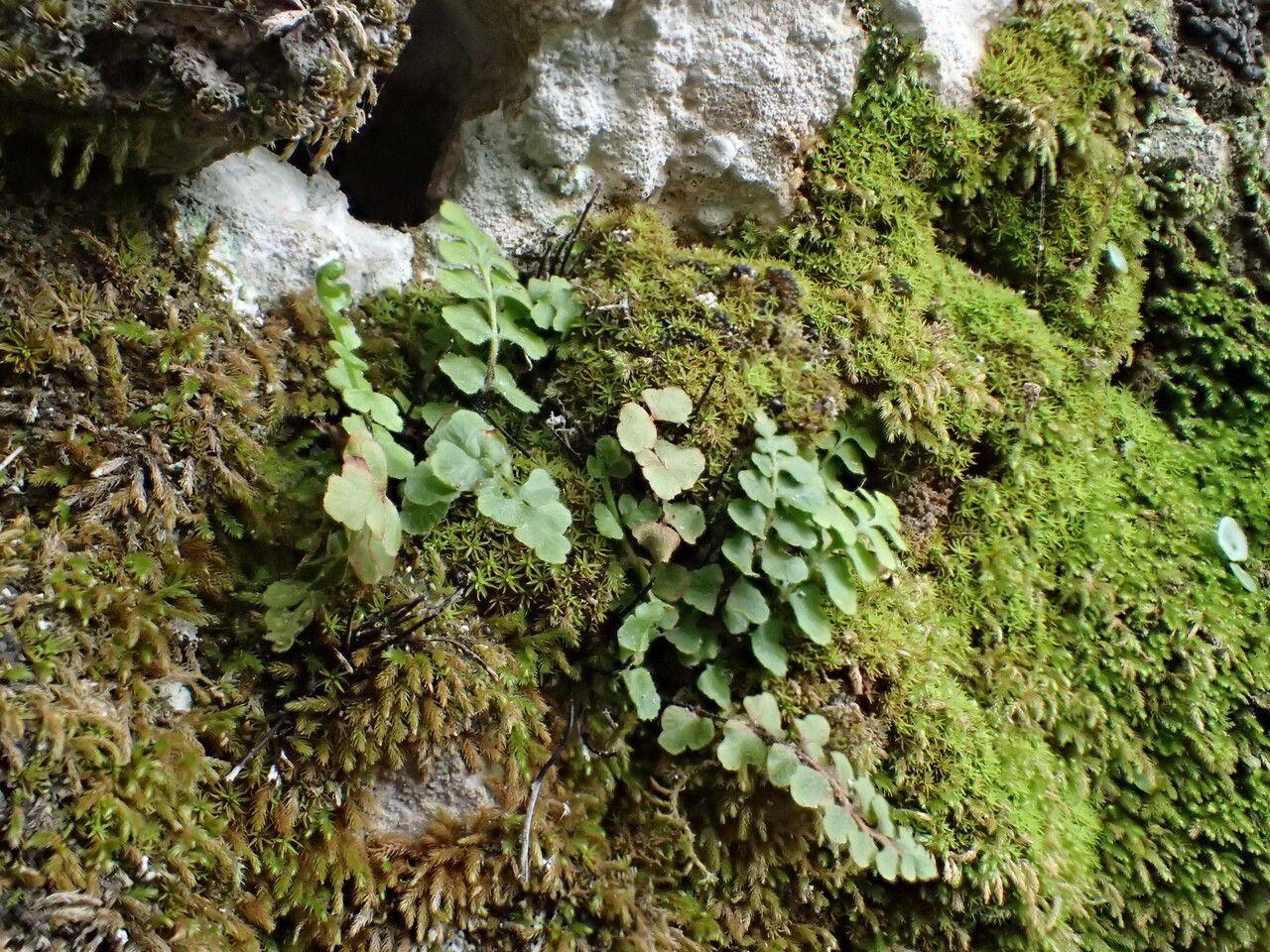
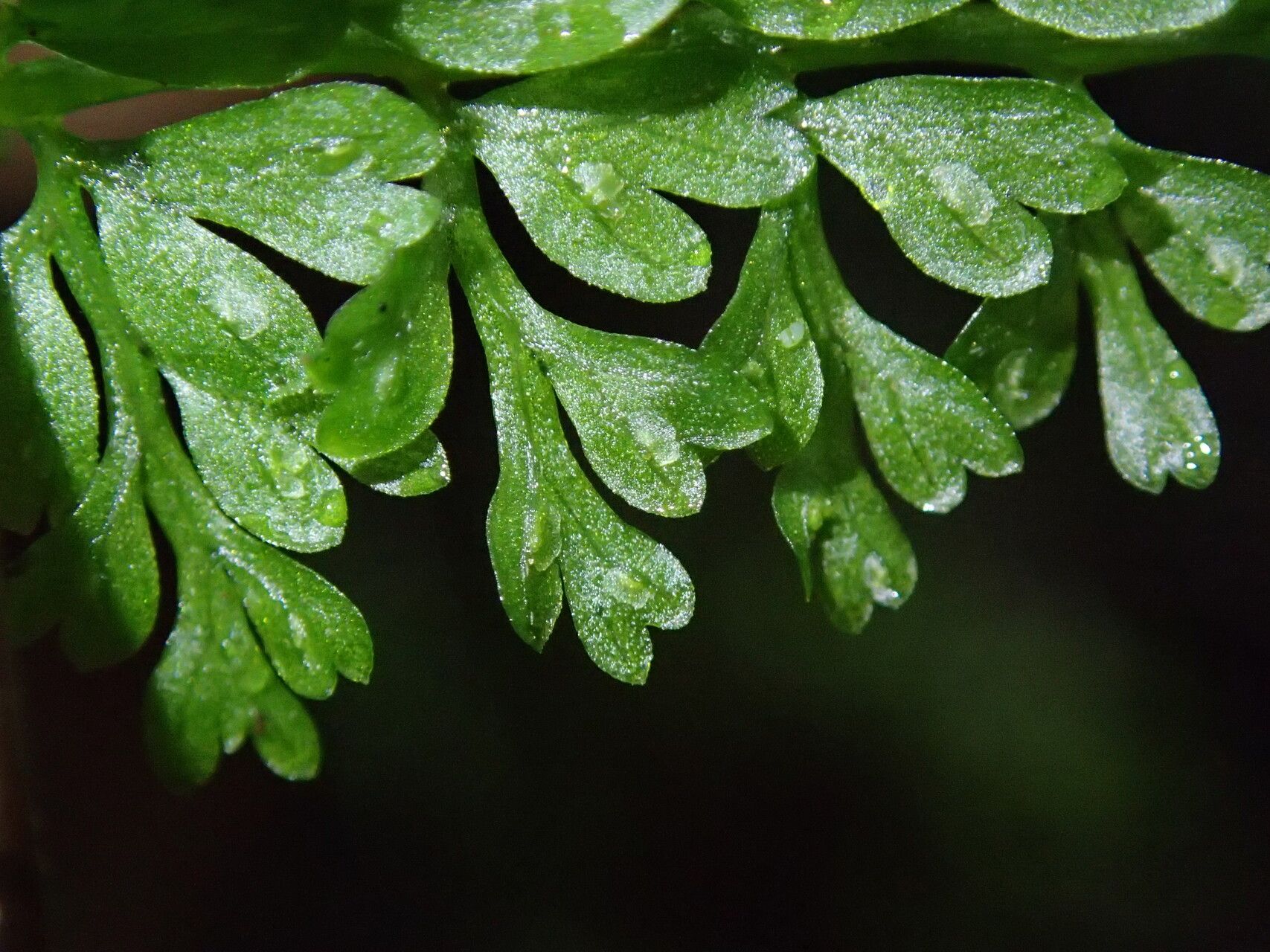
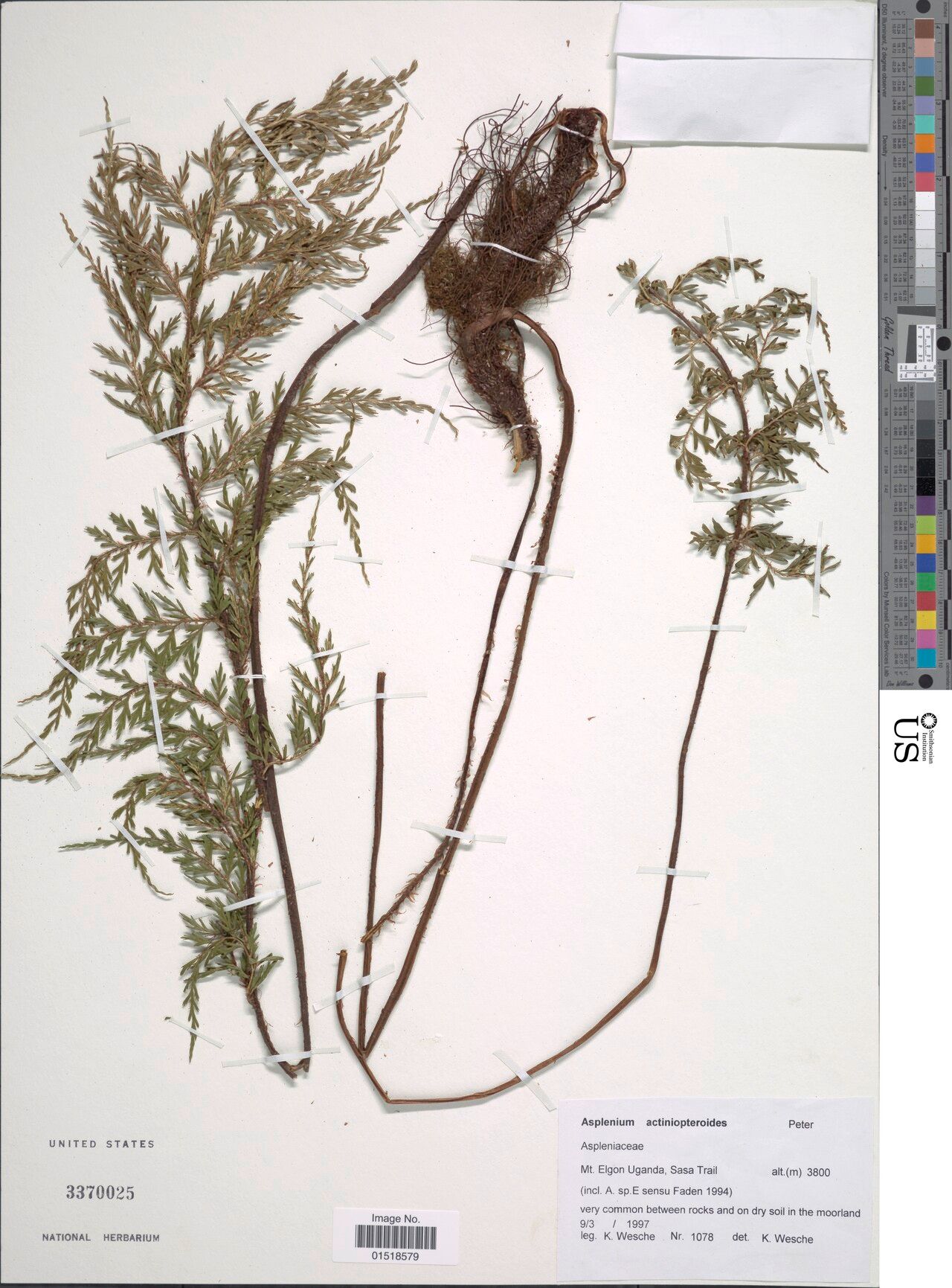
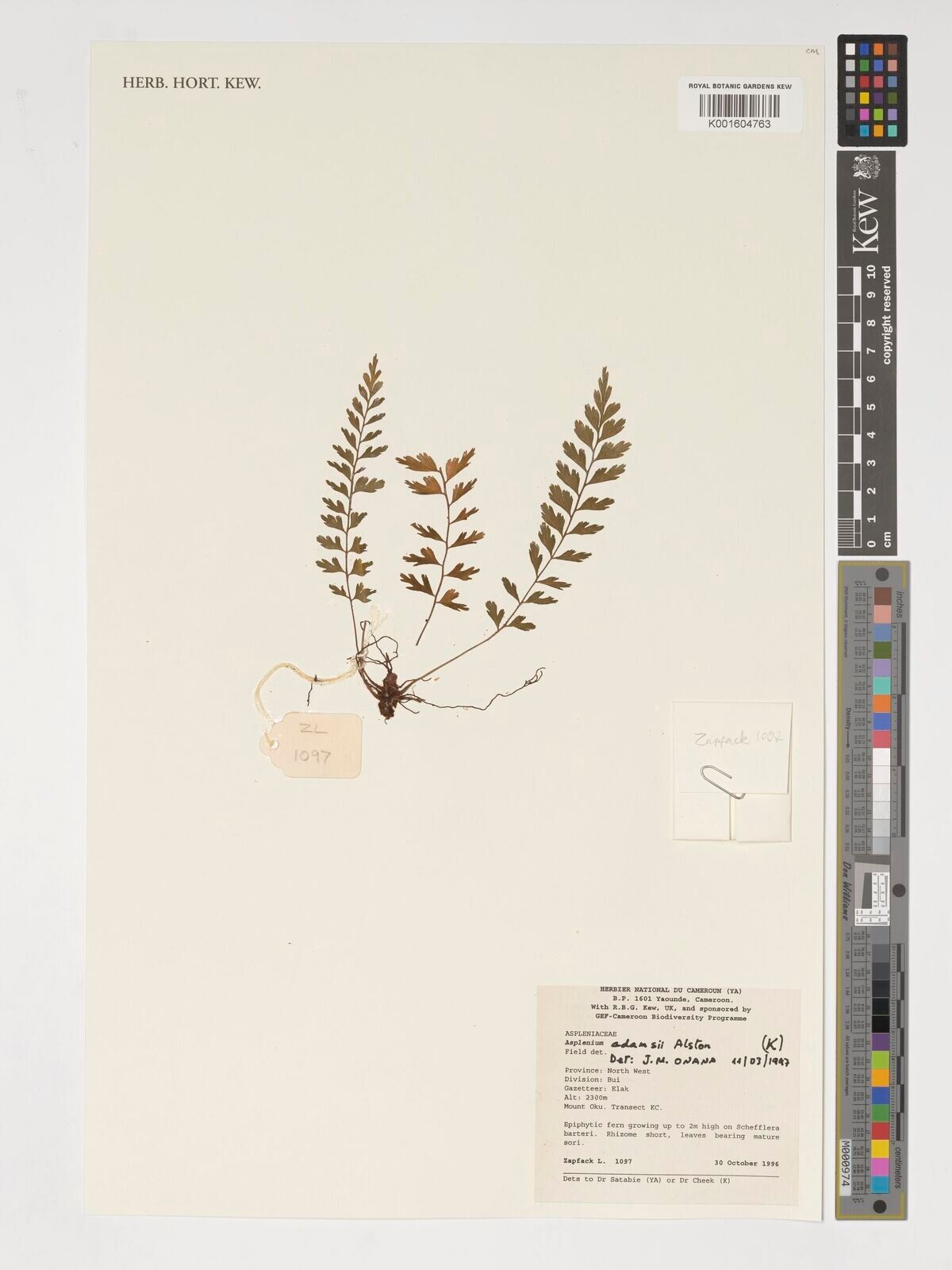
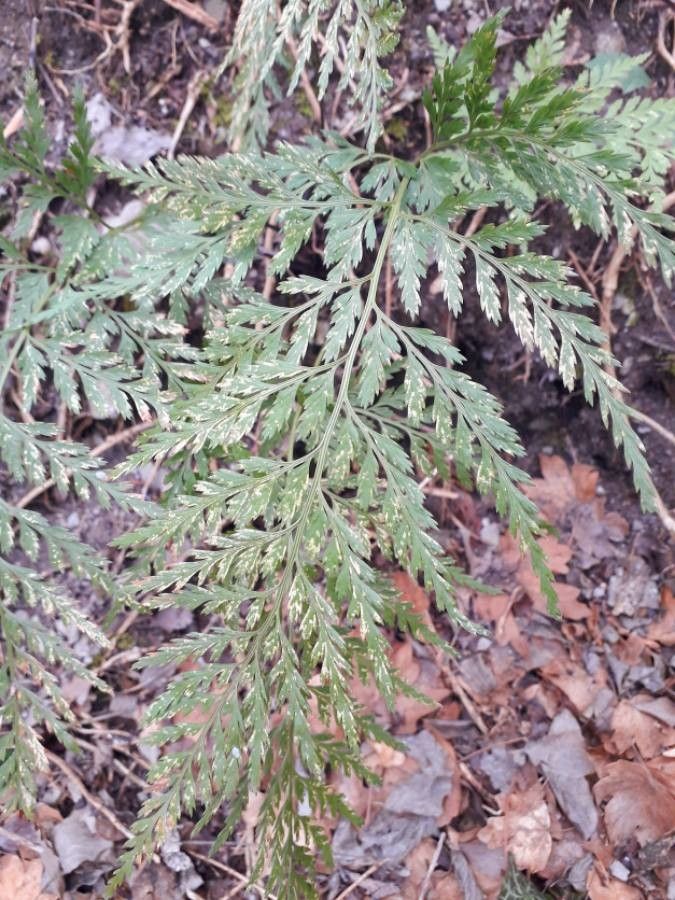
Asplenium petrarchae is a tiny fern of the family Aspleniaceae. Its fronds are densely pubescent-glandular with length between 5 and 14 cm. Petiole less than the sheet of dark brown and shiny. Sores along the central line of the pinnae, subelliptical and confluent when mature. It sporulates almost throughout the year.
Asplenium petrarchae generally shows good resistance to disease and is affected by relatively few insect pests. Caring for Asplenium petrarchae is considered difficult because it requires a consistently moist environment and frequent watering. However, its roots are susceptible to rot if they are overwatered or if the surroundings lack adequate ventilation. It is suitable for people with some growing experience, since most people can keep it alive for a certain amount of time. Nevertheless, it may struggle to thrive, and its leaves can dry out and become less healthy over time.
How to keep Asplenium Petrarchae.
Light
Asplenium petrarchae is native to habitats such as forest understories or rocky areas that provide natural shade. It prefers Full Shade but can tolerate Partial Sun.
Temperature
Asplenium petrarchae grows best in forest thickets. It is very sensitive to temperature and humidity, and high temperatures, dry conditions, and strong sunlight all make Asplenium petrarchae uncomfortable. In summer it needs proper shading and a high-humidity environment. Generally it does not require special care in winter, but prolonged winter drought can still be fatal to the plant.
Pruning
Asplenium petrarchae is a fern known for its delicate fronds. To keep it healthy, prune in early spring to remove any dead or damaged growth. Make sure to use clean cuts. Light trimming helps maintain the plant's shape, enhances air circulation, and lowers the risk of disease, all of which support vigorous growth.
Botanical profile.
- Plant Type
- Fern
- Life Cycle
- Perennial
- Genus
- Asplenium
- Family
- Aspleniaceae
- Hardiness Zone
- 7-10
- Mature Height
- 10 cm to 20 cm
- Mature Spread
- 5 cm to 15 cm
- Leaf Color
- Dark Green
- Leaf Type
- Evergreen
- Planting Time
- Summer
Reader questions.
What do I need to do if I give my Asplenium petrarchae too much or too little water?
The Asplenium petrarchae, a plant that loves water, can be overwatered if it sits in a pool of water or has no drainage holes in the planter. This results in the roots being unable to take up nutrients and moisture, and can lead to fungal or bacterial diseases. Signs of overwatering include wilted and yellow leaves, droopy stems, and soft, mushy texture. However, other causes should be considered before assuming overwatering, as this plant is difficult to overwater. On the other hand, underwatering is a common issue with the Asplenium petrarchae, as owners often inadvertently let the plant get too dry. In dry conditions, the plant can quickly change from lush and green to brown and crispy. In extreme cases, the plant may seem completely dried up, but if some of the roots are still healthy, it may be possible to save it. To do so, cut off all dry and dead stems, thoroughly water the plant, and return it to its usual spot. With proper care, the plant can recover and start growing new fronds, although it may take several months to reach its original size.
What are the sunlight requirements for Asplenium petrarchae?
Asplenium petrarchae prefers Full Shade conditions, requiring less than 3 hours of sunlight daily, though it can tolerate Partial Sun. Its natural habitats, such as forest understories or rocky areas, often provide the necessary shade. It's important to observe the sunlight's movement through your garden to ensure the spots chosen for these plants offer a balance of light and shade, supporting their growth and well-being.
How should I water my Asplenium petrarchae correctly?
To keep your Asplenium petrarchae happy, it needs consistently moist soil like its natural habitat. This could mean watering every one or two days, as this plant should not be allowed to dry out. When the top layer of soil starts to feel slightly dry, it's a sign that it's time to water again. Make sure to thoroughly saturate the soil until water drains out from the pot's bottom. Afterward, be sure to empty any excess water to prevent the pot from sitting in a puddle. This method is the best way to ensure that the soil never becomes too dry.
How important is artificial lighting for Asplenium petrarchae, especially in inadequate natural light?
Artificial lighting is critical for the growth of indoor Asplenium petrarchae when natural sunlight is insufficient, especially during winter or in less sunny spaces. LED lights are recommended due to their ability to be customized to provide specific wavelengths needed by plants. Full sun plants should have 30-50W/sq ft, partial sun plants 20-30W/sq ft, and full shade plants 10-20W/sq ft of artificial light. The light source should be placed 12-36 inches above the plant and kept on for 8-12 hours per day to mimic natural daylight hours, promoting healthier and faster plant growth.
What do I need to think about when watering my Asplenium petrarchae?
The frequency of watering your Asplenium petrarchae depends on the humidity level in the air. Higher humidity means less watering as water evaporation is slower. Avoid placing the plant near heating or cooling vents as it will lead to faster drying. Choose a location protected from drafts. These ferns prefer dappled and indirect sunlight with temperatures between 55-80 degrees F (13-27 degrees C). Placing them on a warm and sunny windowsill may cause dehydration. Rainwater or distilled water is ideal, but tap water generally works fine despite potential brown leaf tips due to minerals and chemicals. Avoid small pots as they dry out faster. Give the plant ample space in a pot. Consider using a self-watering planter for a consistent moisture level in the soil, benefiting both the ease of watering and the roots.
What are the signs of insufficient or excessive sunlight for Asplenium petrarchae?
Signs of insufficient sunlight include small and lighter-colored new leaves, leggy or sparse growth, a slower or complete halt in new leaf production, and early leaf drop. In case of excessive sunlight, symptoms may manifest as chlorosis, sunscald, leaf curling, wilting, and leaf scorching. These conditions indicate stress from inappropriate lighting, influencing the plant's health and growth.
What solutions are available for dealing with insufficient or excessive sunlight for Asplenium petrarchae?
For insufficient sunlight, indoors, move plants closer to windows or use artificial lighting for at least 8 hours daily. Outdoors, gradually transition plants to sunnier spots weekly to avoid sunburn. For obstructed sunlight, consider pruning blocking trees or transplanting smaller plants to sunnier locations with good drainage. It's crucial to avoid drastic changes in light exposure to prevent damage. Note that parts of the plant affected by light deficiencies may not recover, but new growth should be healthy following adjustments.