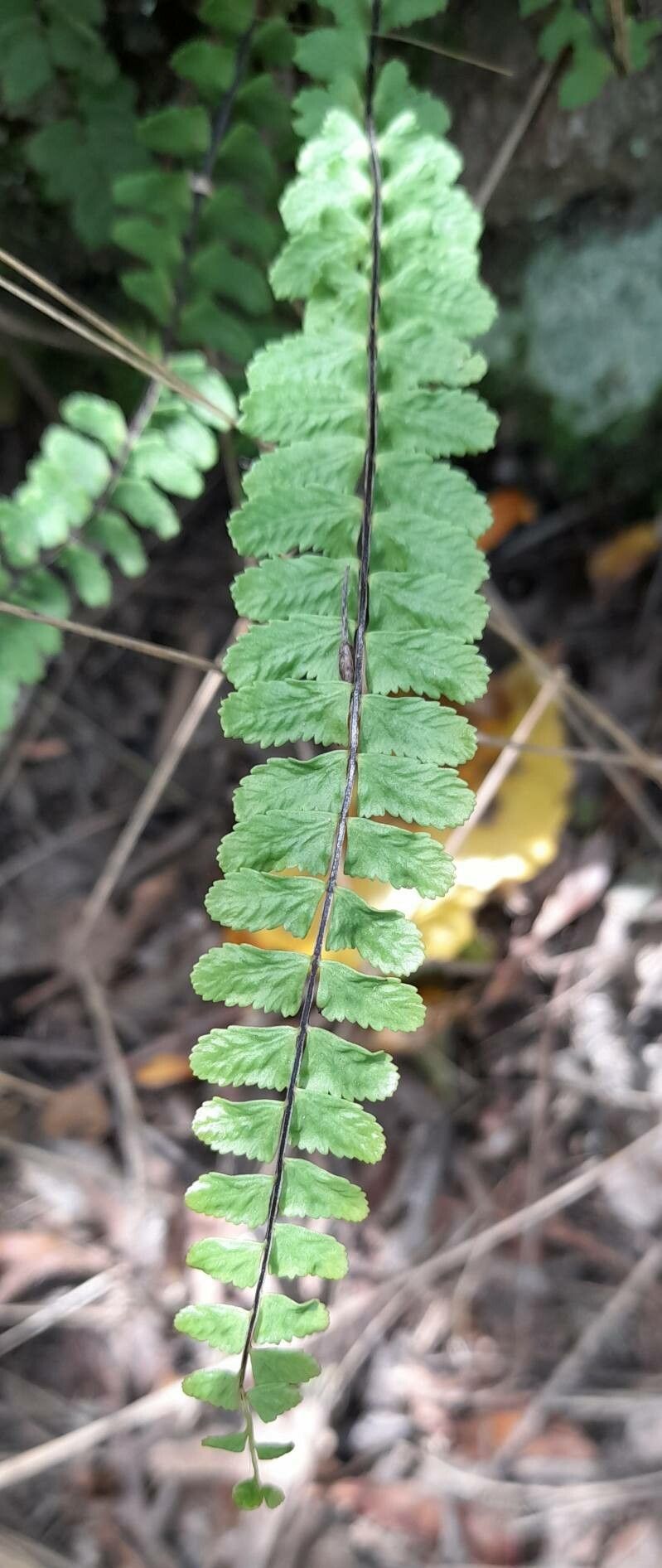
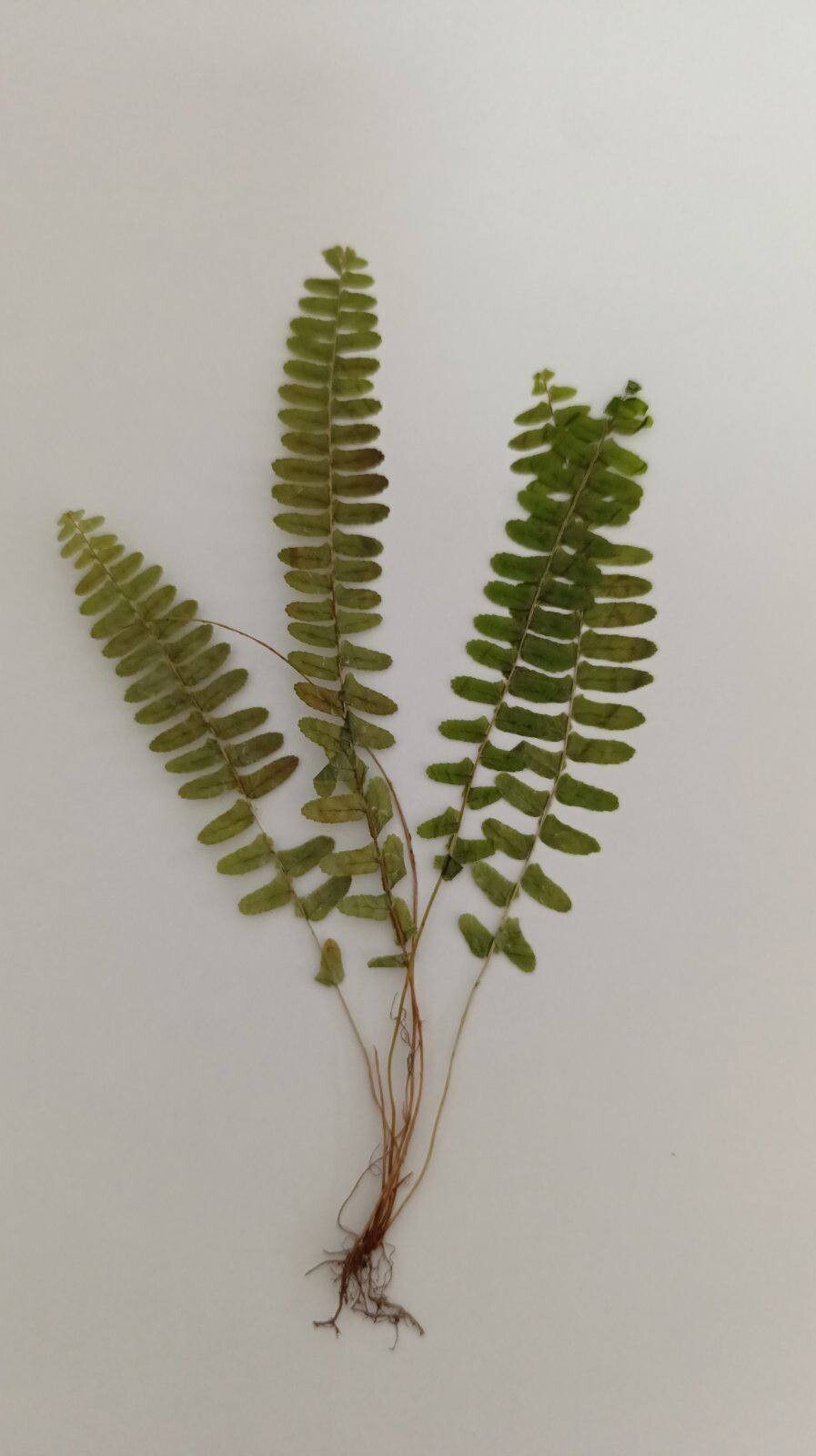
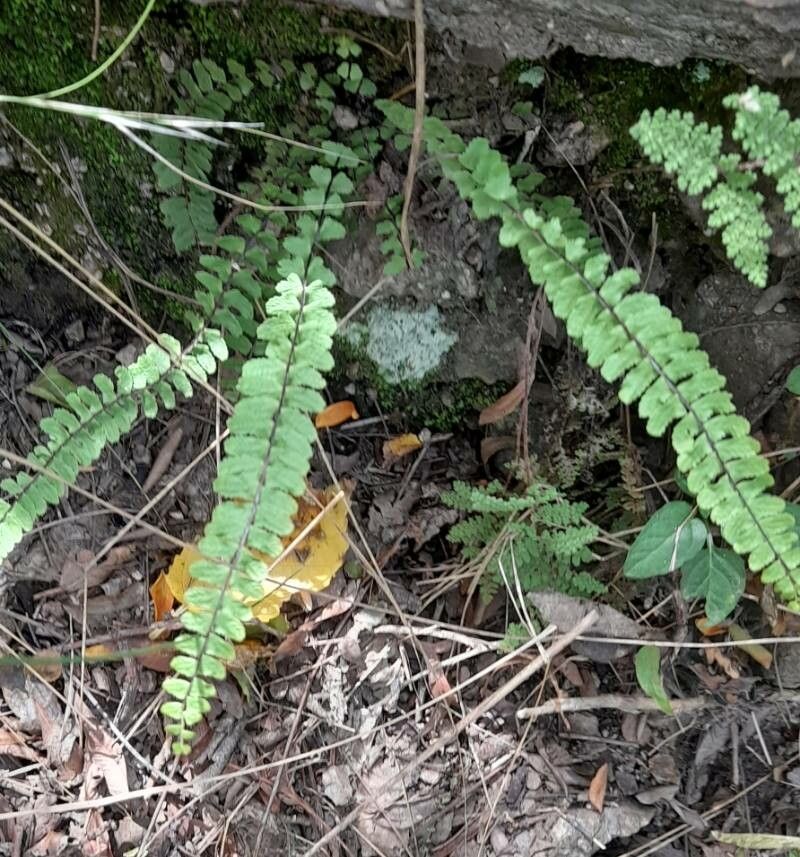
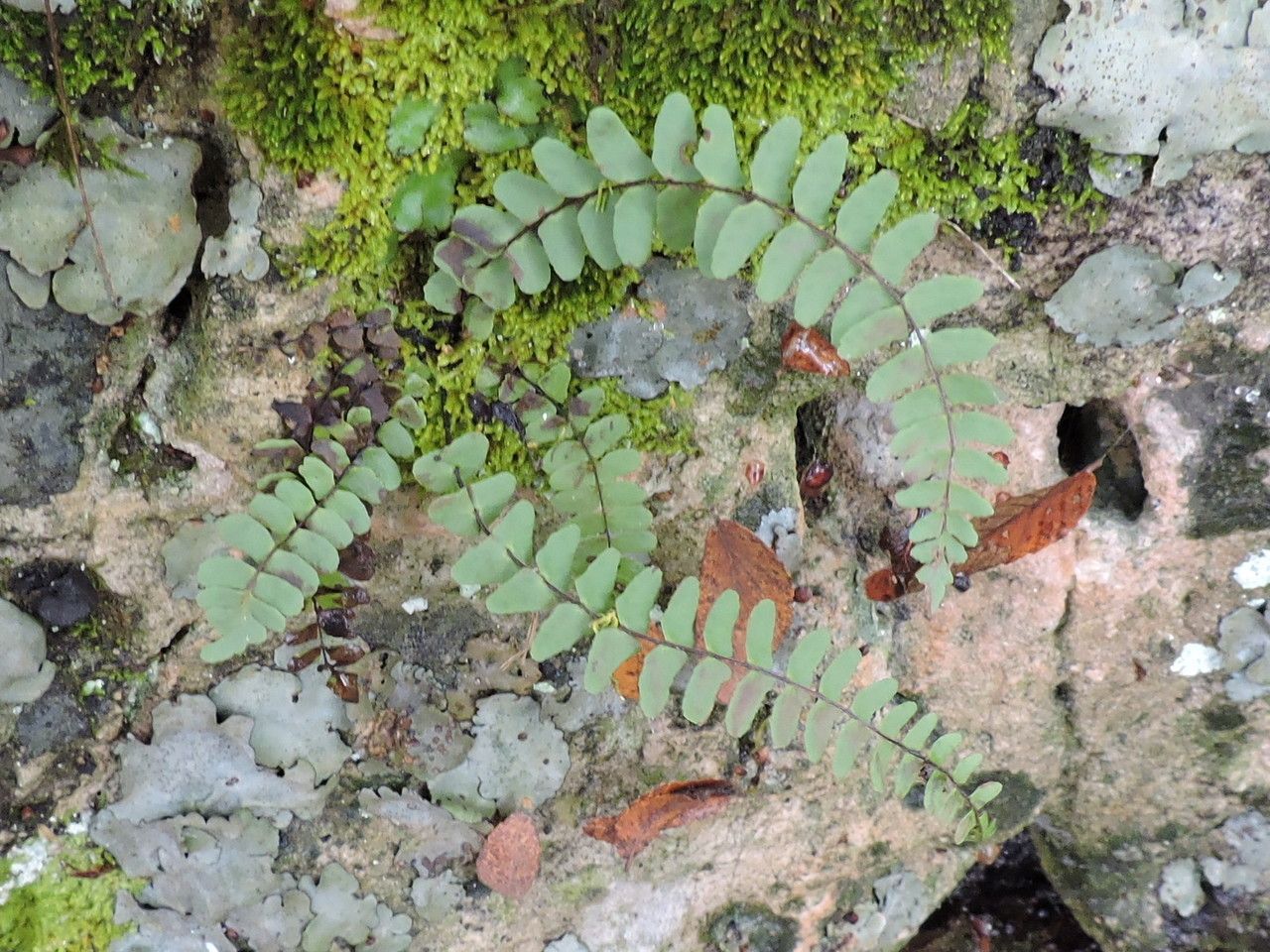
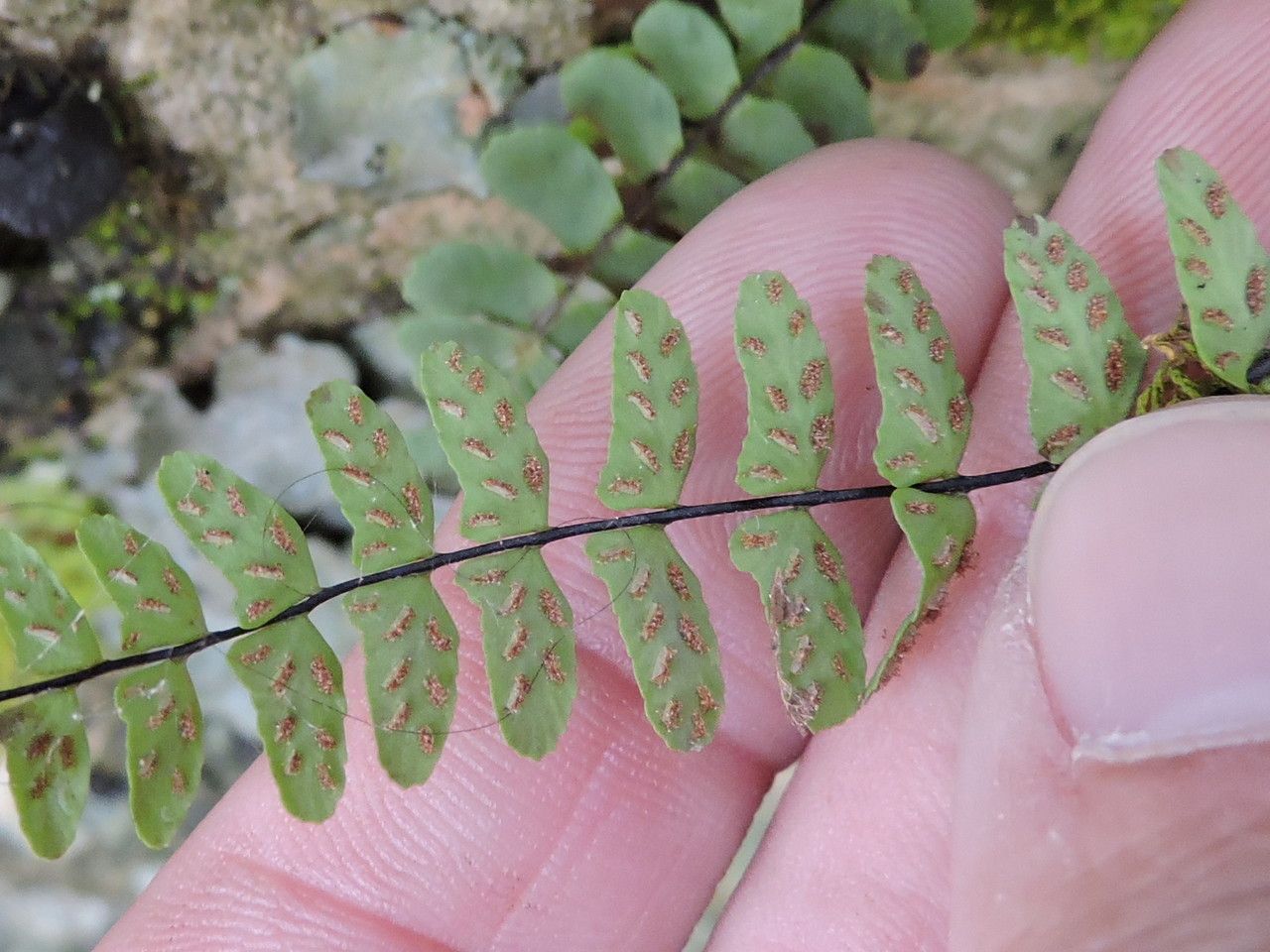
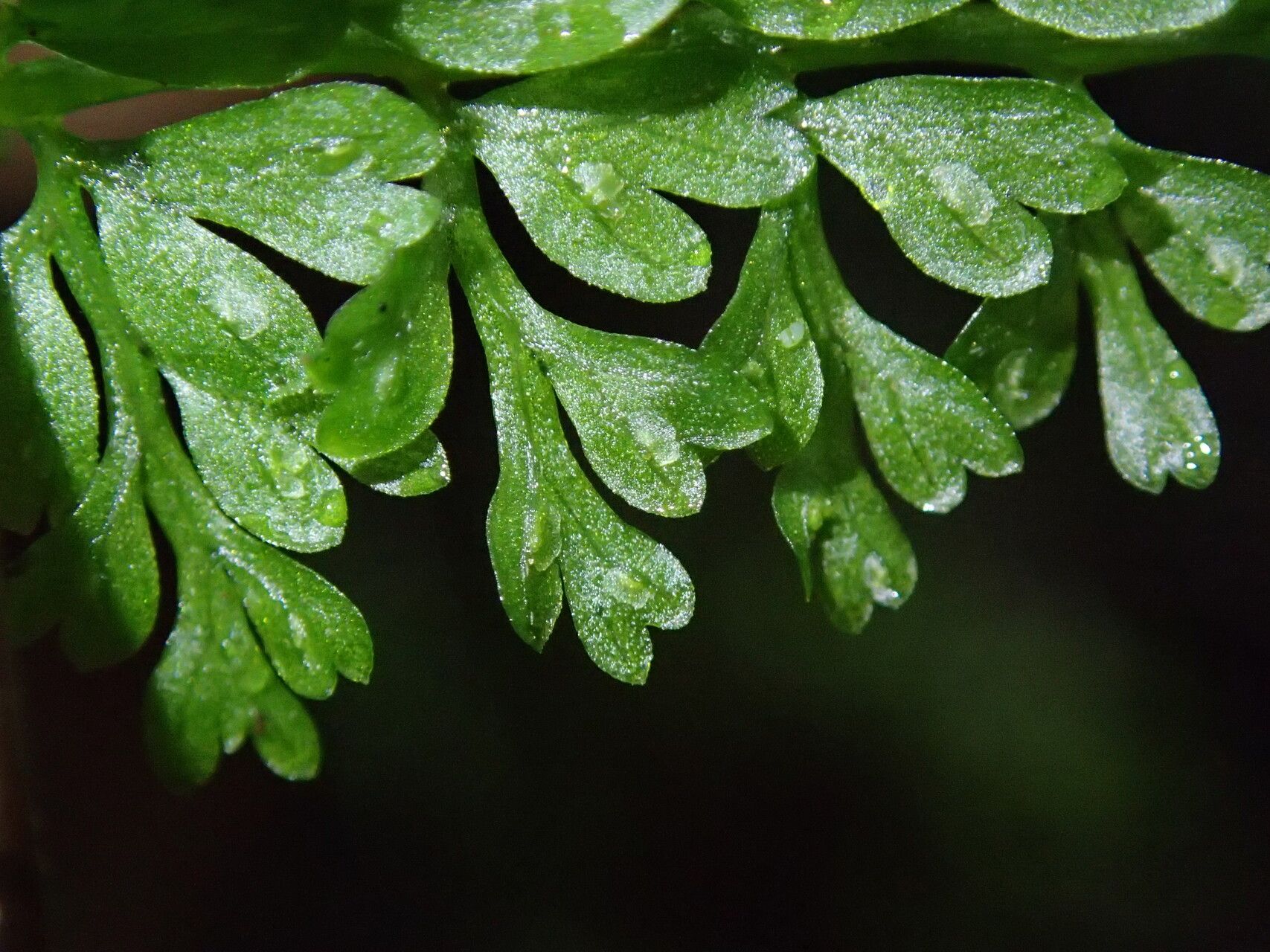
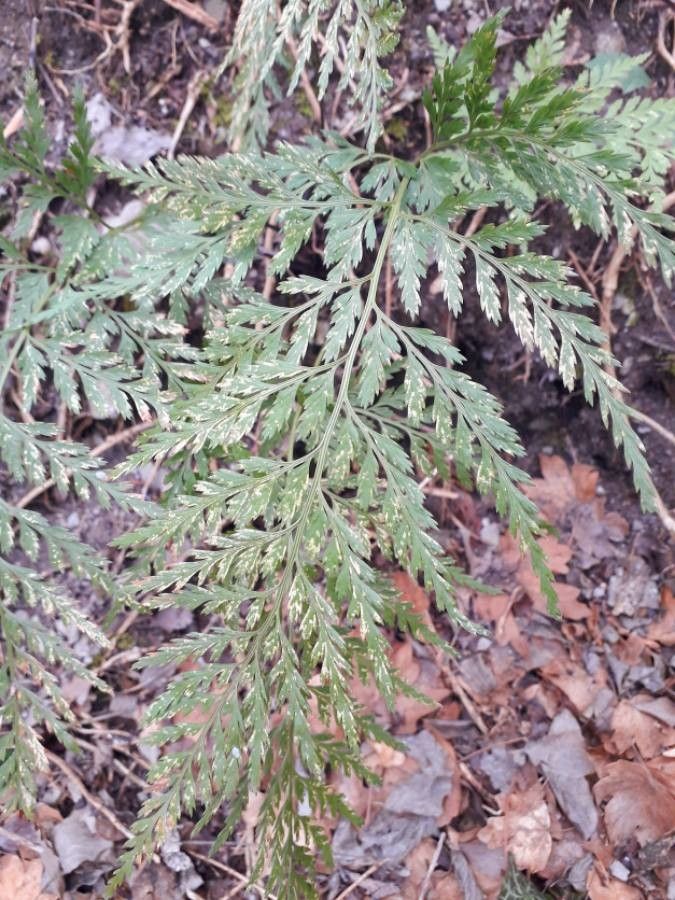
Asplenium resiliens, the blackstem spleenwort or little ebony spleenwort, is a species of fern native to the Western Hemisphere, ranging from the southern United States south to Uruguay, including parts of the Caribbean. Found on limestone substrates, it is named for its distinctive purplish-black stipe and rachis. A triploid, it is incapable of sexual reproduction and produces spores apogamously. First described by Martens and Galeotti in 1842 under the previously used name Asplenium parvulum, the species was given its current, valid name by Kunze in 1844. Several similar species are known from the tropics; A. resiliens may have arisen from these species by reticulate evolution, but precise relationships among the group are not yet certain.
Blackstem spleenwort is fairly resistant to disease and typically does not suffer from many illnesses. Still, it can be vulnerable to pests and diseases found in its environment, though these problems are generally mild. Regarding maintenance, this plant needs a moderate level of care. Regular pruning is necessary to preserve a tidy appearance and support healthy growth. Applying fertilizer can also encourage blooming. Blackstem spleenwort is appropriate for anyone who has an outdoor area like a garden or patio and does not demand extensive gardening experience. It may need extra attention if kept indoors.
How to keep Asplenium Resiliens.
Light
Blackstem spleenwort is native to habitats like forest understories and rocky sites, where it grows in natural shade. It prefers partial sun but can adapt to full sun or full shade, demonstrating its versatile, hardy nature.
Water
Blackstem spleenwort thrives in consistently moist soil and benefits from high humidity, which mimics its natural understory environment. Although it can tolerate moderate drought, it should be watered weekly to keep its foliage lush and support the health of its fronds, similar to the conditions in its rainforest habitat.
Temperature
Blackstem spleenwort comes from tropical areas, where the climate is usually warm and humid. For that reason, it is suited to high temperatures and humidity. It does not tolerate sudden temperature changes and prefers a consistent temperature, so avoiding temperature fluctuations indoors is important. It typically cannot endure cold and needs warmer conditions to grow. If the surrounding temperature falls too low, the plant may stop growing or even die.
Fertilizer
Blackstem spleenwort needs the most fertilizer during its active growth period, which is mainly in spring, summer, and early fall. Fertilization supplies essential nutrients the soil may lack, supporting healthy root and stem growth and producing attractive foliage, a notable characteristic of this plant.
Pruning
Blackstem spleenwort features leathery, dark green fronds. For optimal growth, it should be pruned between early and late spring. Make sure to remove any dead or damaged fronds at their base to enhance airflow. Be careful not to over-prune, as this can affect the plant's vigor and appearance. For more detailed care instructions, consult horticultural guides.
Botanical profile.
- Plant Type
- Herb
- Life Cycle
- Perennial
- Genus
- Asplenium
- Family
- Aspleniaceae
- Hardiness Zone
- 5-9
- Mature Height
- 15 cm to 30 cm
- Mature Spread
- 10 cm to 20 cm
- Leaf Color
- Dark Green, Forest Green
- Leaf Type
- Evergreen
- Planting Time
- Spring, Summer, Autumn
- Native Area
- Colombia, Mexico, Guatemala, Bolivia, Venezuela, Peru, Brazil, Ecuador, Jamaica
Other names.
Reader questions.
What are the sunlight requirements for Blackstem spleenwort (Asplenium resiliens)?
Blackstem spleenwort (Asplenium resiliens) requires full shade, which means it should receive less than 3 hours of sunlight daily. It's important to observe how sunlight moves through your garden to find spots that offer the perfect balance of light and shade. This careful selection will ensure your plants remain happy and healthy.