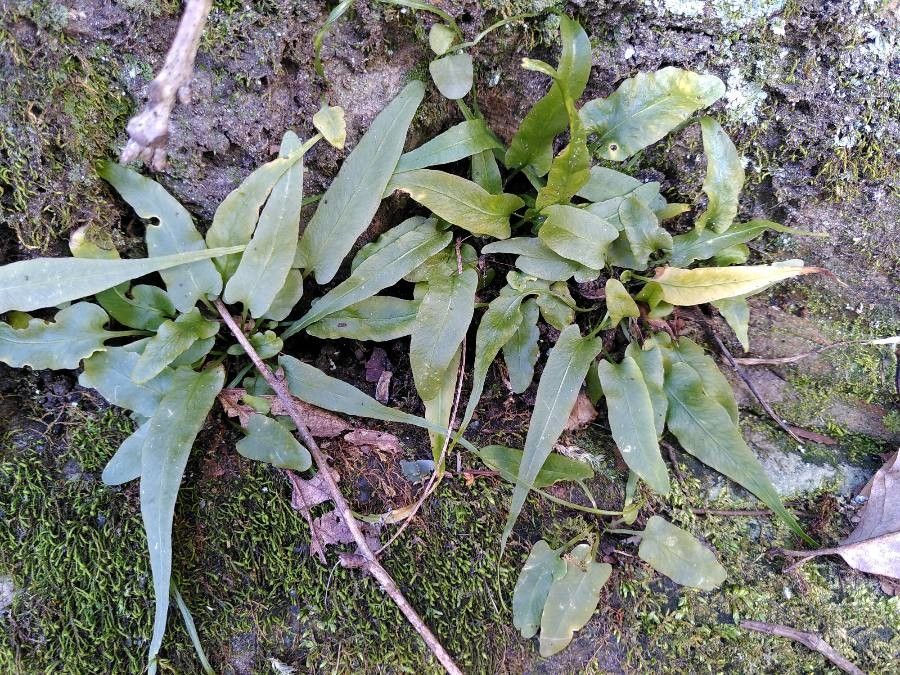
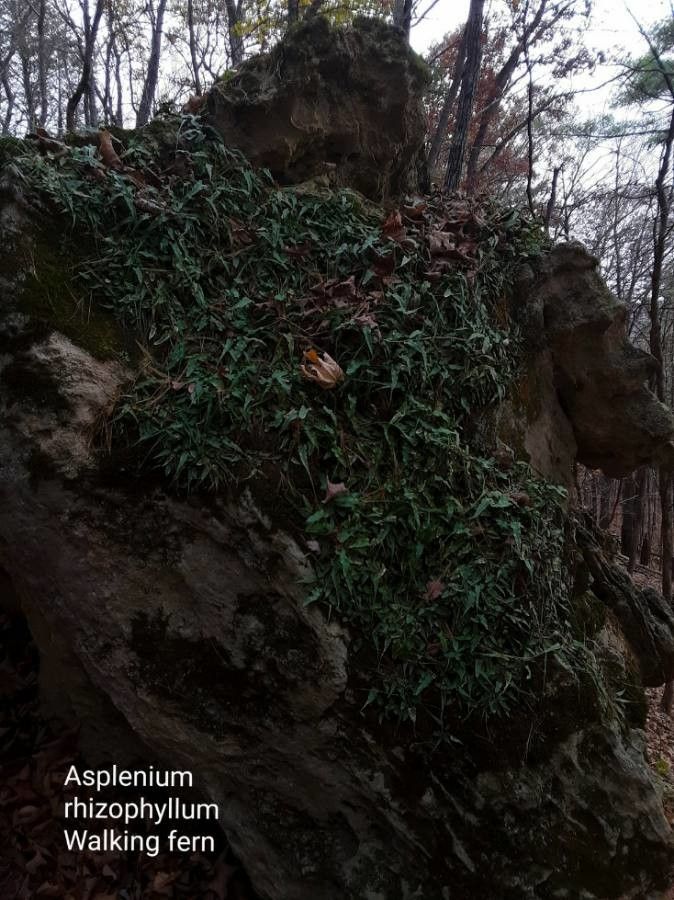
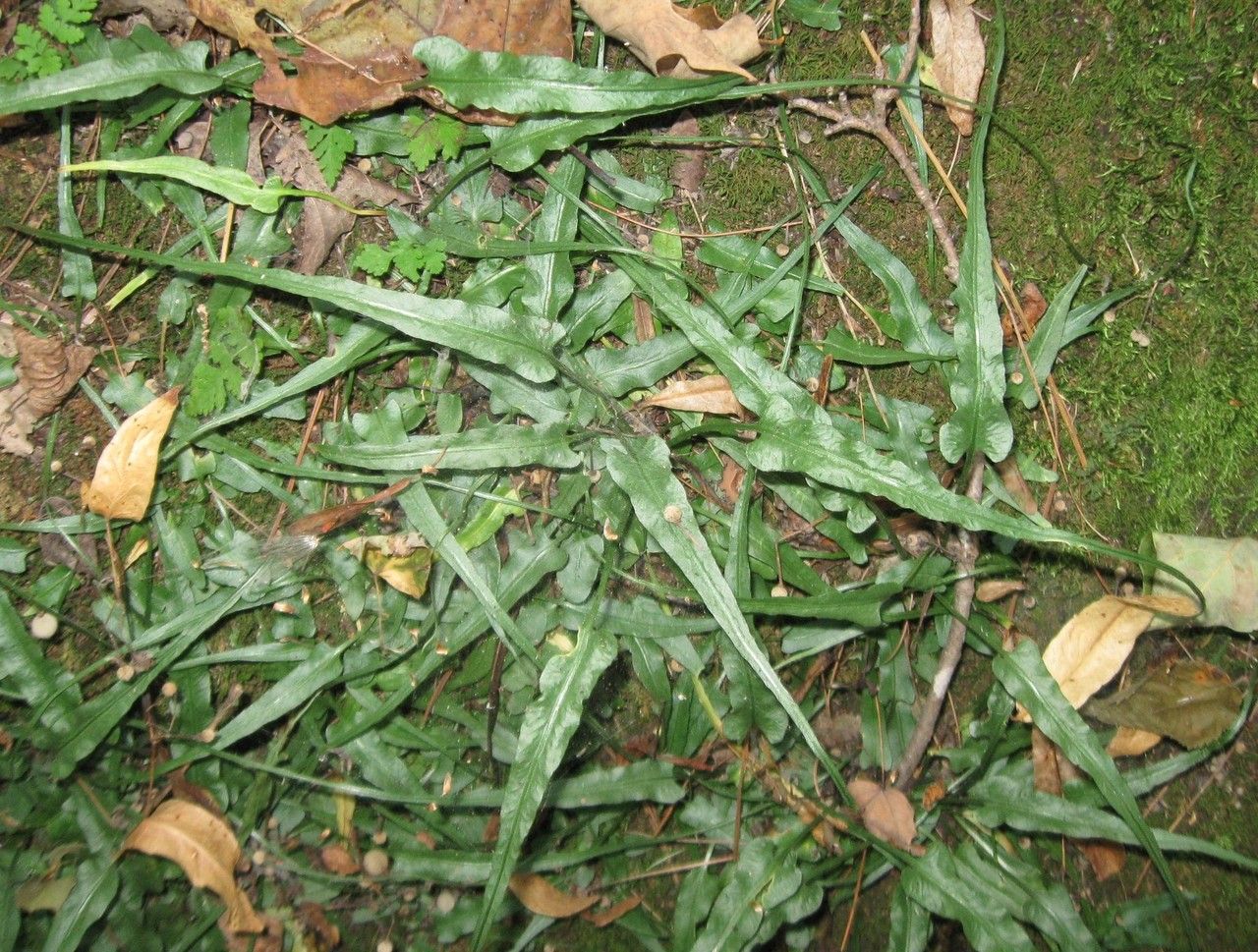
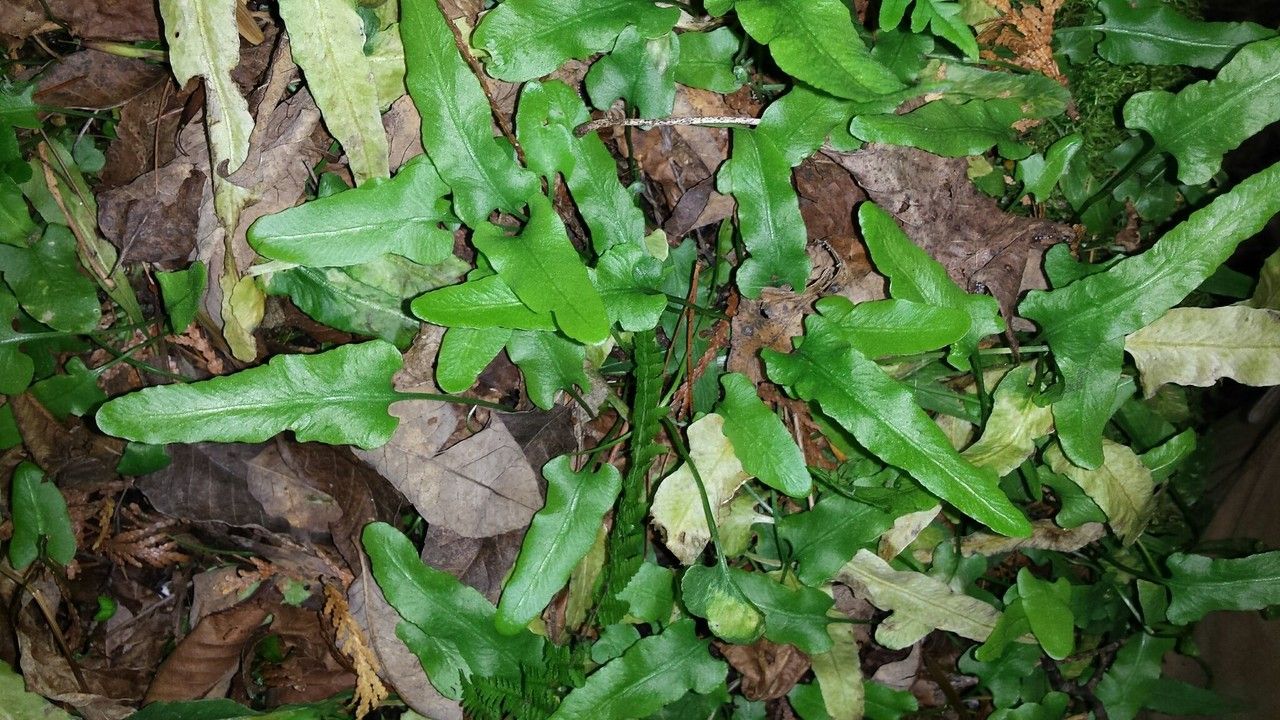
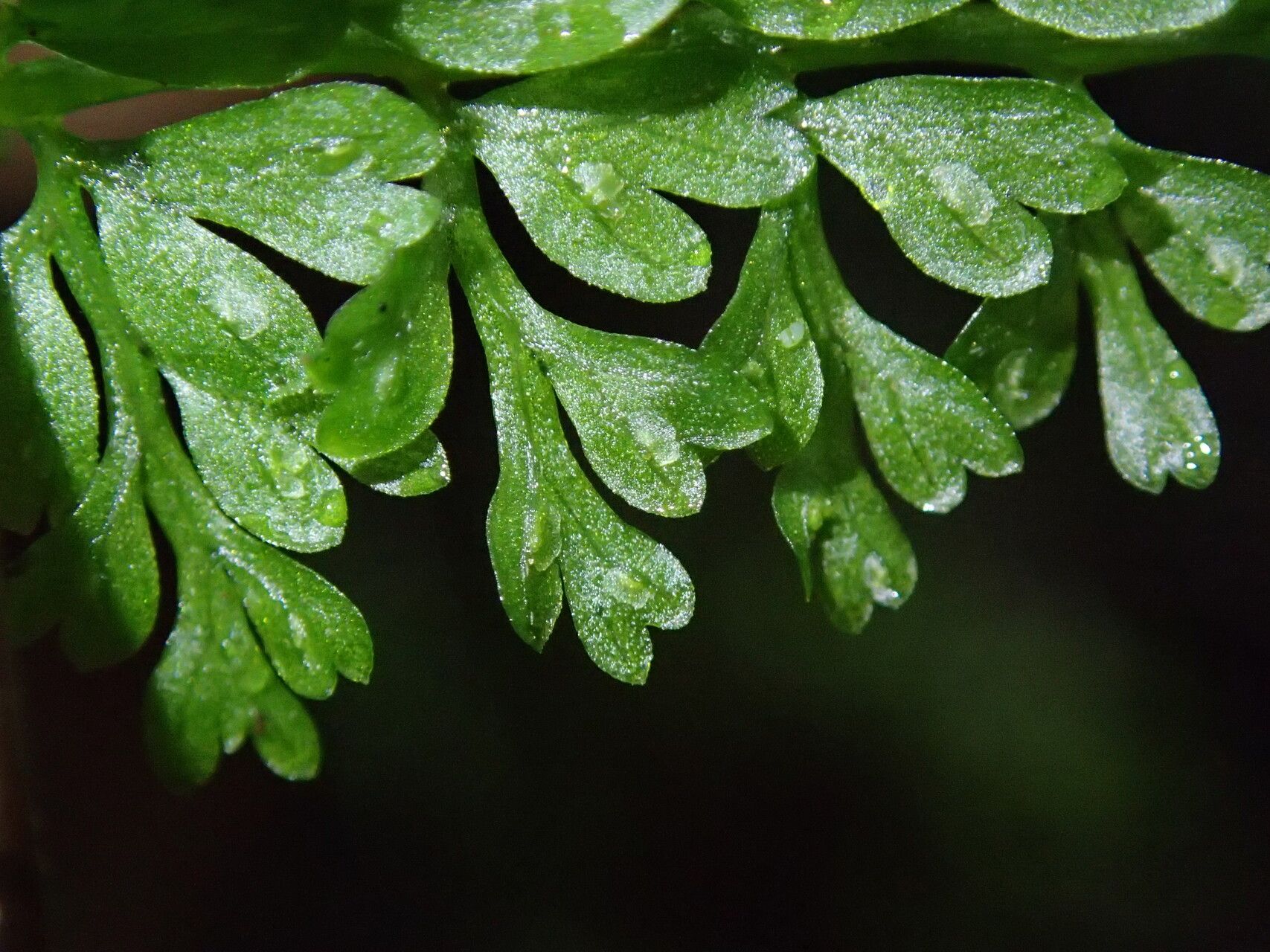
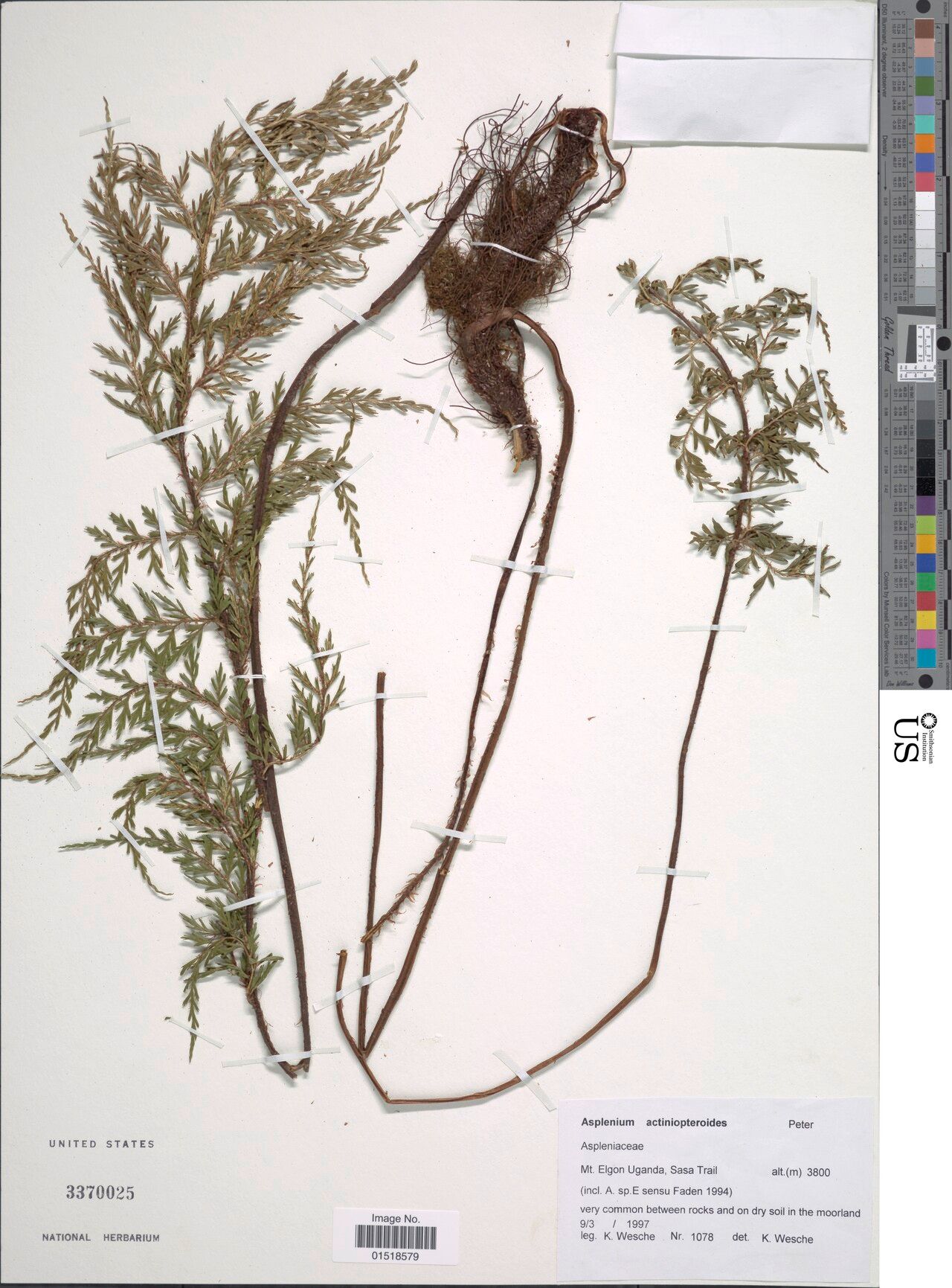
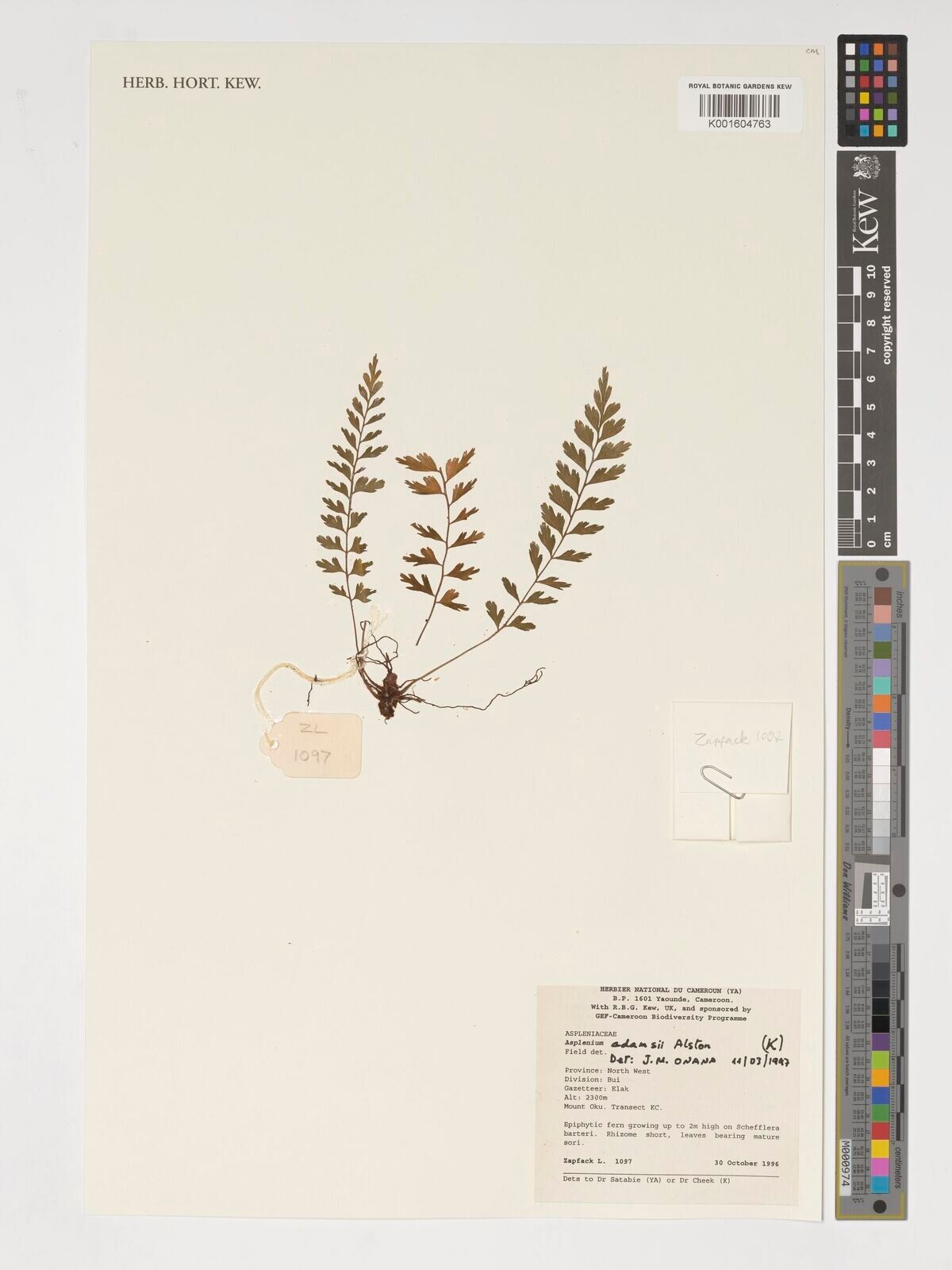
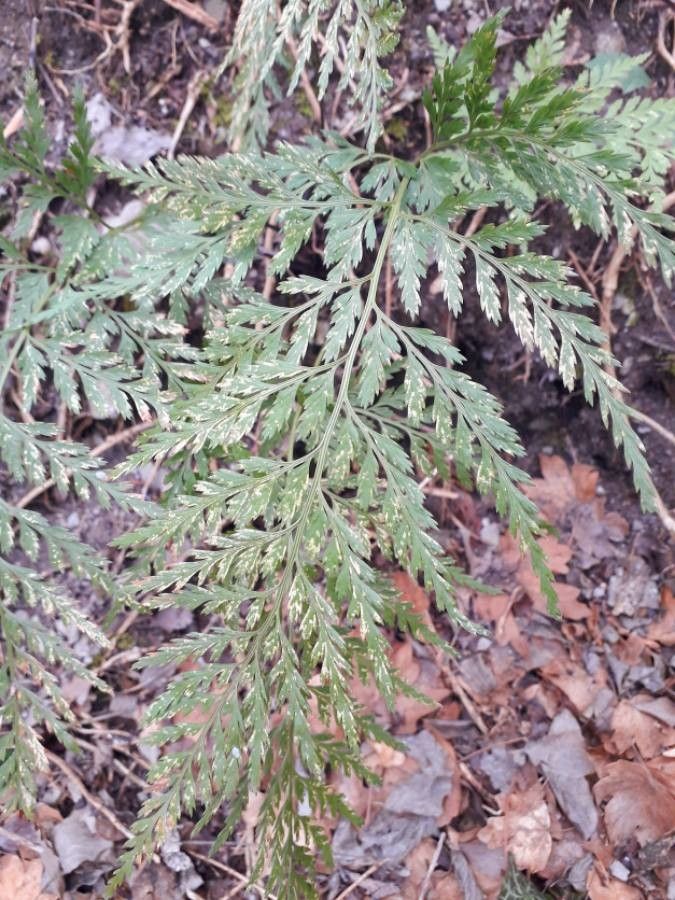
Asplenium rhizophyllum, the (American) walking fern, is a frequently-occurring fern native to North America. It is a close relative of Asplenium ruprechtii (syn: Camptosorus sibiricus) which is found in East Asia and also goes by the common name of "walking fern".
Walking fern has strong resistance to disease and is generally unlikely to suffer from illnesses. Still, it can be vulnerable to pests and diseases present in its environment. Such infections are typically mild. Regarding care, this plant needs a moderate amount of attention. It should be pruned on a regular basis to preserve a neat appearance and promote healthy growth. Applying fertilizer can also encourage flowering. Walking fern is appropriate for anyone with outdoor areas like a garden or patio and does not demand extensive plant-care experience. It might need extra attention when cultivated indoors.
How to keep Asplenium Rhizophyllum.
Light
Walking fern does best in spots where sunlight is softened or diffused rather than strong or fully exposed. Those conditions are common in its native woodland settings. The plant is fairly hardy and can also adapt to deeper shade. Nonetheless, too little light can hinder growth, while too much light may scorch the leaves.
Water
Walking fern, native to the shaded and moist areas of North America, thrives in humid environments. To maintain optimal health, it prefers consistent moisture and benefits from weekly watering. As an evergreen plant often grown indoors, it requires careful monitoring of soil moisture to keep its foliage lush throughout the year.
Temperature
Walking fern is native to temperate regions and thrives at temperatures of 41 to 5°C (105.8 to 41°F). It favors cooler climates and may need temperature adjustments during warmer seasons to preserve its vitality.
Fertilizer
A single application of fertilizer in spring is usually sufficient for Walking fern, but multiple feedings can maximize growth. Feed once every month to a month and a half. Fertilization improves leaf appearance and function, promoting even color and a healthy texture. It also stimulates root growth and enhances nutrient absorption for long-term plant health.
Pruning
The walking fern is known for its distinctive fronds, which allow it to reproduce vegetatively. To promote growth and improve its appearance, prune the plant from early to late spring by removing any damaged fronds. Make sure to trim near the base while preserving any new fronds that are emerging. Avoid excessive trimming to maintain enough foliage for photosynthesis, as advised by horticultural experts.
Botanical profile.
- Plant Type
- Herb
- Life Cycle
- Perennial
- Genus
- Asplenium
- Family
- Aspleniaceae
- Hardiness Zone
- 5-13
- Mature Height
- 5 cm to 20 cm
- Mature Spread
- 5 cm to 20 cm
- Leaf Color
- Green
- Leaf Type
- Evergreen
- Planting Time
- Spring, Summer
Other names.
Reader questions.
How should I water my Walking fern in the best way?
To properly water the Walking fern, it is best to use filtered water at room temperature. Tap water may have harmful particles that can damage the plant's health. The Walking fern is accustomed to warm environments, so using cold water can be a shock to its system. Avoid watering from above, as it can lead to issues with the foliage. Instead, water the plant by applying filtered, room temperature water directly to the soil until it is completely soaked. This helps to nourish the roots and support their growth and nutrient absorption.
What are the sunlight requirements for Walking Fern?
Walking Fern thrives in areas with partial sun which receives about 3-6 hours of sunlight daily, and can also grow in full shade conditions, where it gets less than 3 hours of sunlight. It's important to observe the movement of sunlight through your garden and choose spots that provide the right balance of light and shade, ensuring your plants' wellbeing. In its native woodland settings, Walking Fern benefits from filtered or diluted sunlight, rather than intense or fully exposed environments. However, it can acclimate to more shaded areas, though too little sun can stunt its growth and too much can cause leaf burn.
What is the ideal temperature range for Walking Fern?
Walking Fern, known botanically as Asplenium rhizophyllum, is native to temperate regions and thrives in cooler temperatures, ideally between 5°C (41°F) and 41°C (105.8°F). It has strong resistance to cold, typically not requiring special frost protection measures unless winter temperatures are expected to plummet below -25°C (-13°F). In preparation for winter, it's advisable to water the plant abundantly before the first freeze, ensuring the soil remains moist to help the plant avoid drought and water scarcity during the colder months.
What do I do if I give my Walking fern too much or too little water?
Overwatering is a common issue for Walking ferns and can cause wilting, yellowing, and diseases such as root rot, mold, and mildew. Underwatering is less common but can make the leaves brittle and brown. It's important to identify signs of overwatering early and reduce watering immediately. Check the soil drainage and replace it if necessary. If underwatering is the problem, simply water more regularly until the signs improve.
How to use artificial lighting for Walking Fern?
For optimal growth of Walking Fern indoors, especially when natural sunlight is insufficient, artificial lighting can be a vital solution. It's suggested to choose the right type of light, like LED lights, which can be customized to provide your plants with specific wavelengths they need. For full sun plants, you need 30-50W/sq ft, for partial sun plants 20-30W/sq ft, and for full shade plants 10-20W/sq ft of artificial light. The light source should be placed 12-36 inches above the plant to mimic natural sunlight, ensuring the plant receives 8-12 hours of light per day.
How does Walking Fern react to low temperatures?
Walking Fern is quite tolerant of cold conditions, preferring temperatures to remain above 5°C (41°F). During the winter months, it's crucial to keep the temperature above -20°C (-4°F). Should the temperature fall below -25°C (-13°F), you may not observe significant changes in the plant during winter. However, there could be a noticeable decrease in sprouting, or in some cases, no sprouting at all when spring arrives. To manage this, it is recommended to remove any parts of the plant that have failed to sprout in the spring.
How frequently should I water my Walking fern?
If your Walking fern is in a pot, check if the top two to three inches of soil are dry before watering. The same applies if it's planted outdoors. Usually, watering once a week during spring and early fall is sufficient. However, during extremely hot weather, you may need to water twice or more per week. It's worth noting that mature, well-established Walking ferns can tolerate periods of drought.
What are the symptoms of insufficient light in Walking Fern?
Walking Fern can exhibit several symptoms when exposed to insufficient light, including smaller new leaves, leggy or sparse growth, faster leaf drop, slower or no new growth, and lighter-colored new leaves. Excessive sunlight, on the other hand, can lead to chlorosis (yellowing of leaves due to the breakdown of chlorophyll), sunscald (damaged areas on leaves/stems), leaf curling (leaves curl or twist), wilting (loss of turgor pressure leading to droopy leaves/stems), and leaf scorching (brown, dry, crispy leaf edges or patches).
What should I do if Walking Fern experiences high temperatures?
During the summer, it's important to ensure that Walking Fern is kept at temperatures below 41°C (105.8°F). If the temperature climbs above 45°C (113°F), the plant's leaves may lighten in color, become prone to curling, susceptible to sunburn, and in severe cases, the plant could wilt and dry out. To address this, trim away any sunburned or dried parts of the plant. Relocate the fern to an area with shade during the midday and afternoon sun or utilize a shade cloth. Additionally, watering the plant in the morning and evening can help maintain soil moisture and protect the plant from extreme heat.
How much water does my Walking fern require?
To properly water your Walking fern, make sure you don't hold back on the amount of water you provide. Wait until the first two to three inches of soil are dry, and then give the plant a thorough watering. You want to completely soak the soil, so add enough water that it flows through the drainage holes at the bottom of the pot. If you don't see any excess water draining out, it means you haven't given enough water. However, be careful not to let the water accumulate inside the soil, as this can harm the plant. On the other hand, if water doesn't drain properly from the pot, it could indicate poorly draining soil, which is not good for the plant's health. If the plant is outdoors, it should receive about 1 inch of rain per week, which will be enough.
What are the solutions for light-related problems in Walking Fern?
To mitigate light-related issues in Walking Fern, indoor plants may require repositioning to sunnier spots each week until getting 3-6 hours of direct sunlight daily for gradual adaptation. If moving is not feasible, supplementing with artificial light for at least 8 hours a day can be helpful. For outdoor plants, a gradual relocation to sunnier spots can prevent sunburn. Pruning nearby trees and relocating smaller plants during their dormant period (late winter or early spring) to areas with better sun exposure are effective strategies. It's important to note that parts of the plant affected by poor lighting may not recover, but new growth post-adaptation will be healthy.
How do I need to water my Walking fern at different stages of growth?
The water needs of the Walking fern can vary depending on growth stages. When the fern is young or when it has just been transplanted, it requires more water than usual. During these stages, the fern focuses on developing new roots to support future growth, and these roots benefit from extra moisture. As the fern matures, it will require less water. Additionally, during the bloom period, when flowers are developing, the fern may need additional water as flower development requires significant moisture.