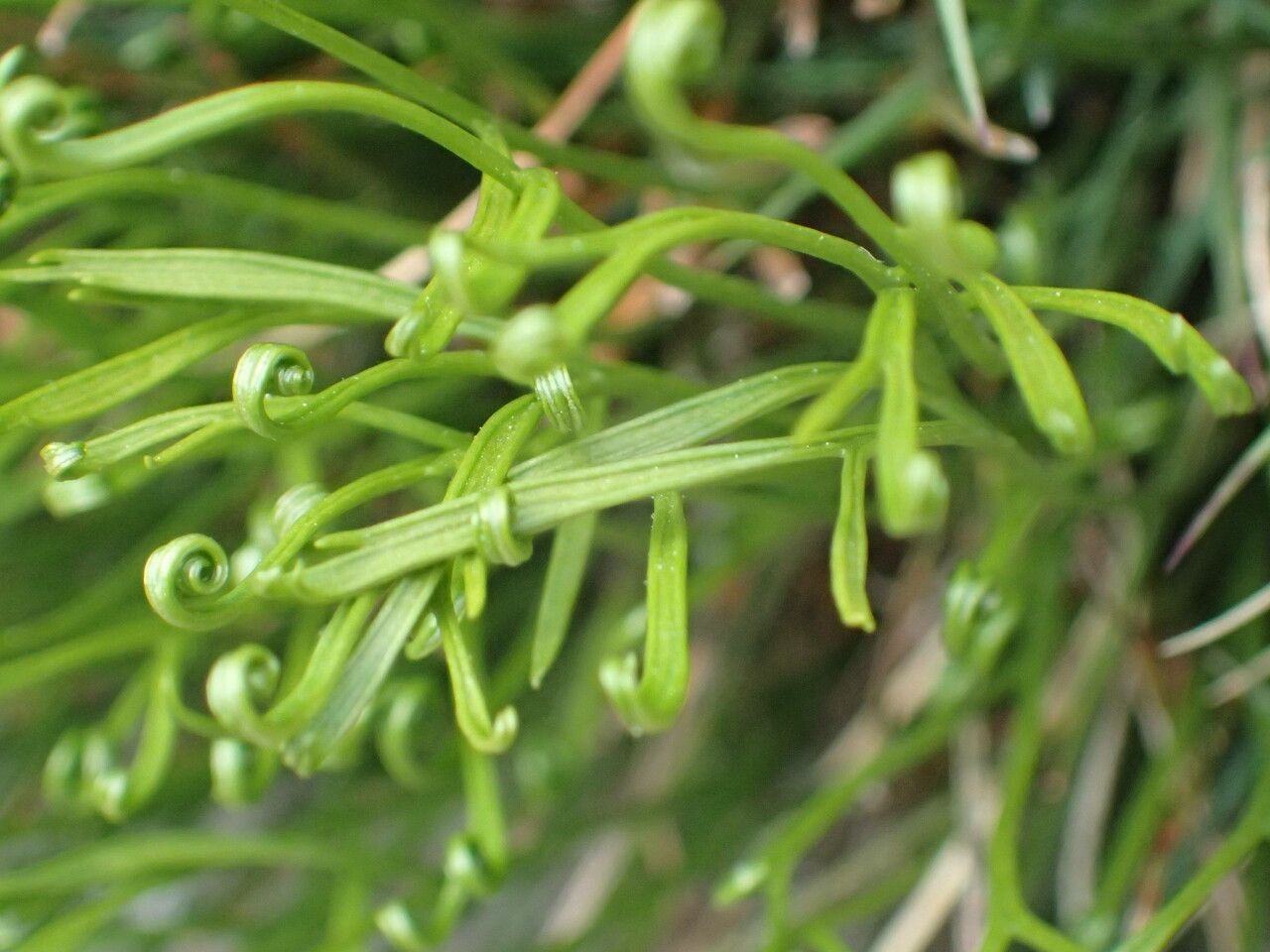
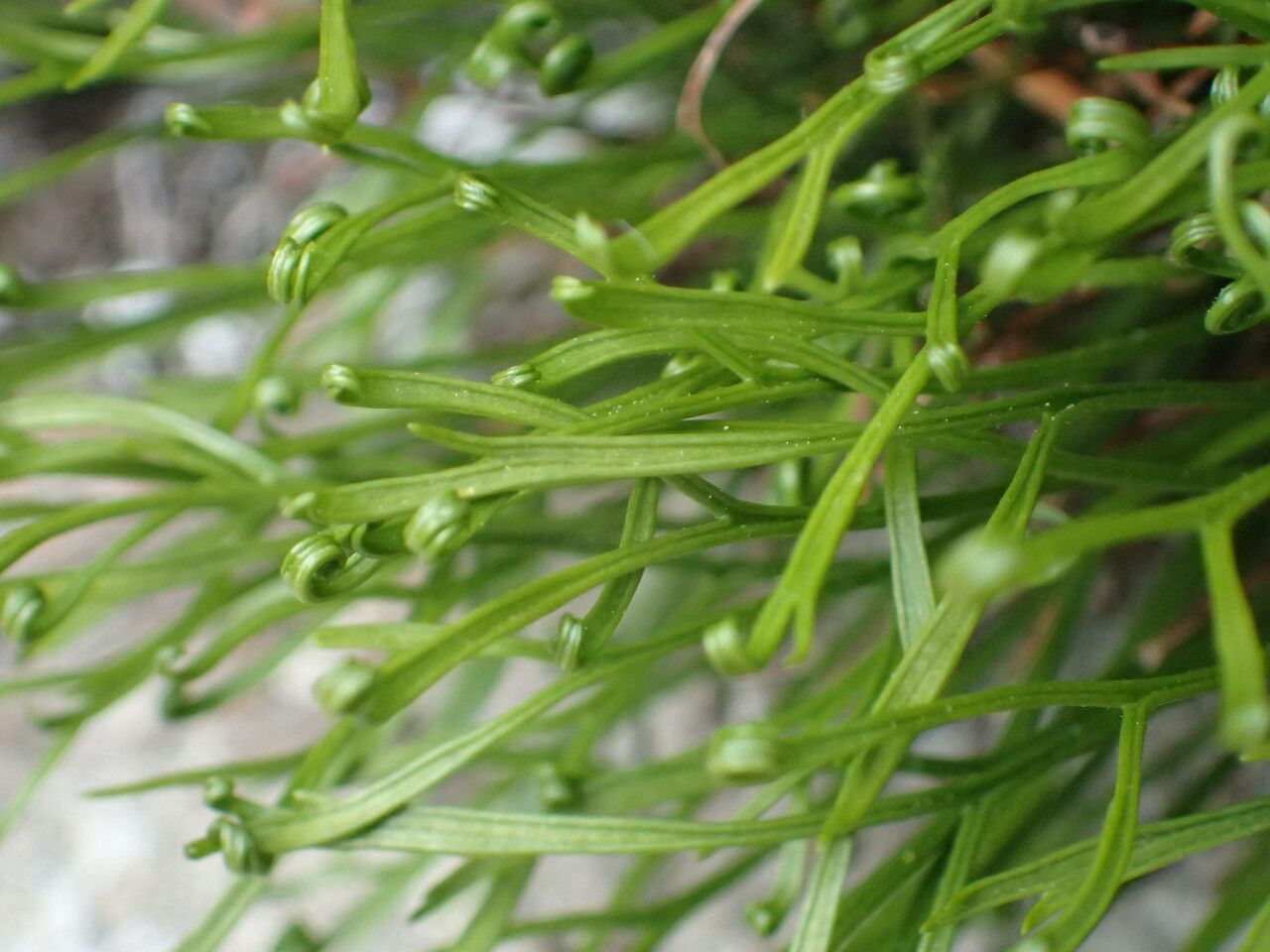
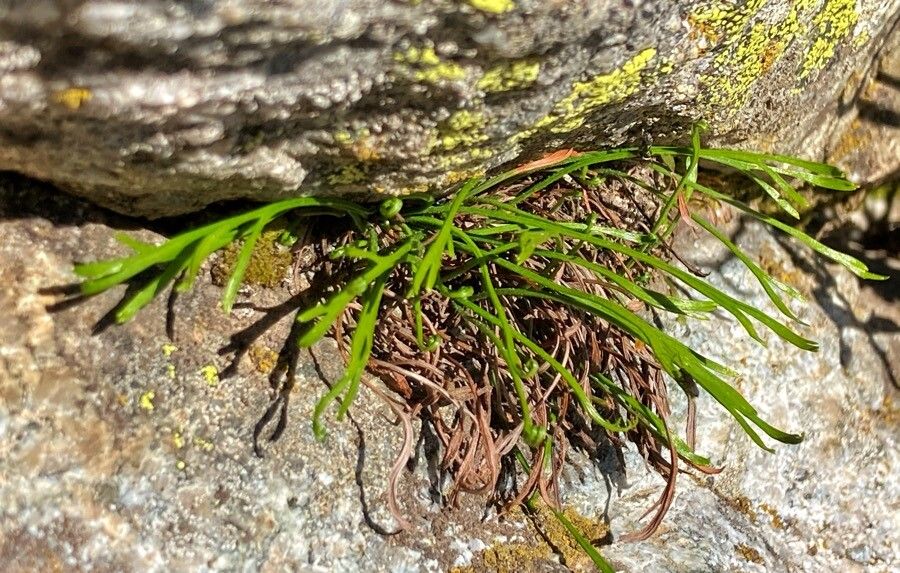
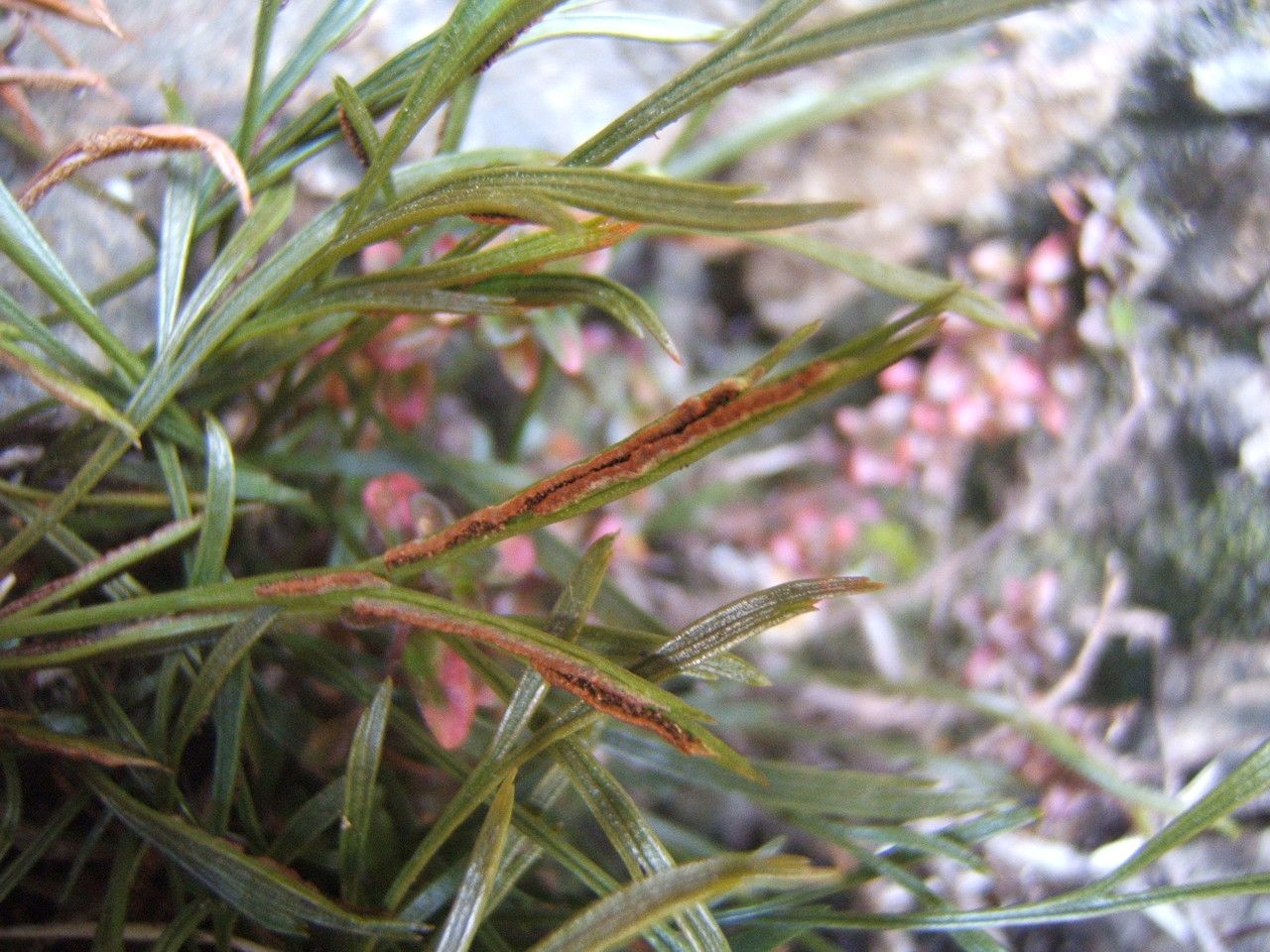
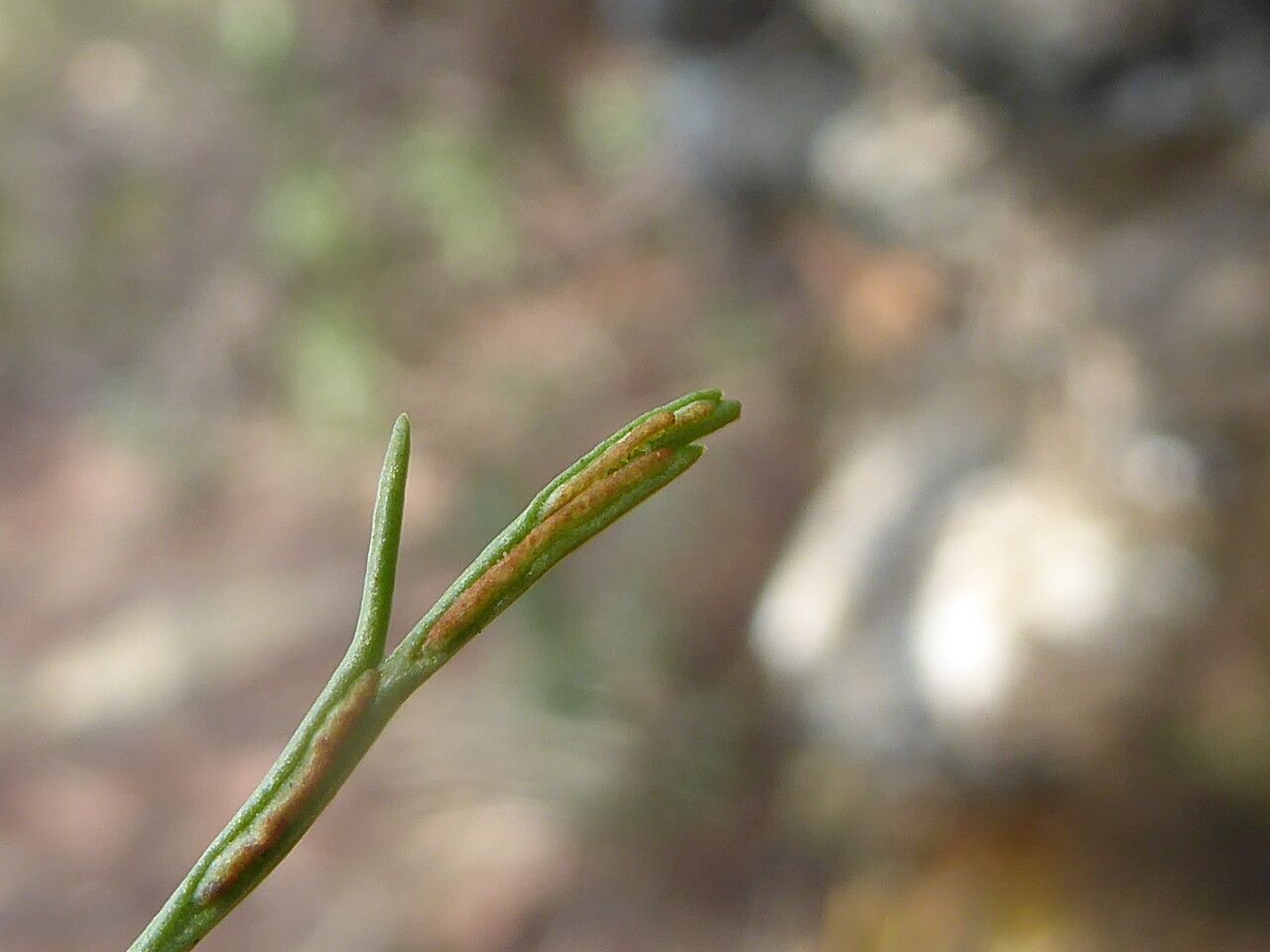
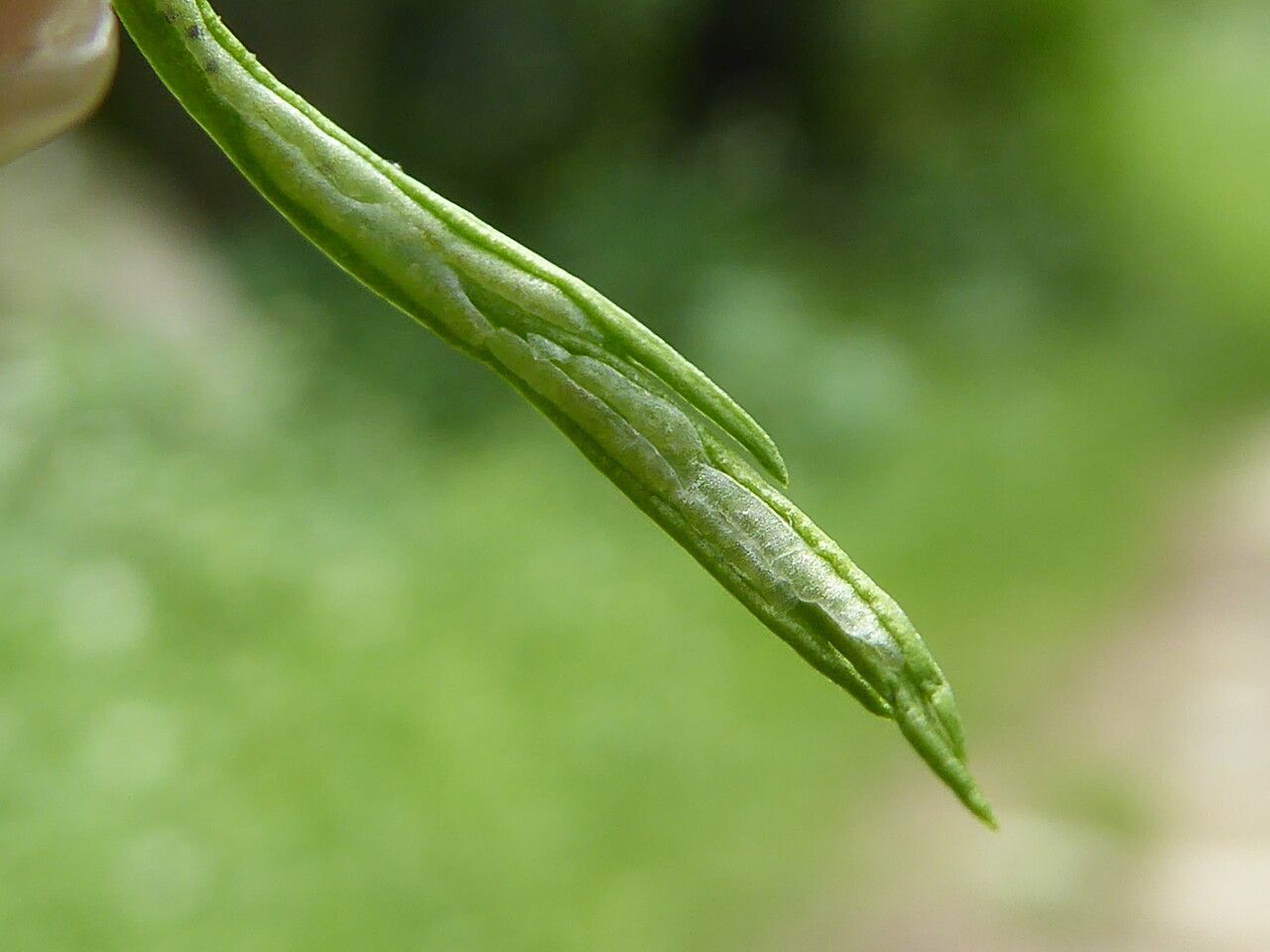
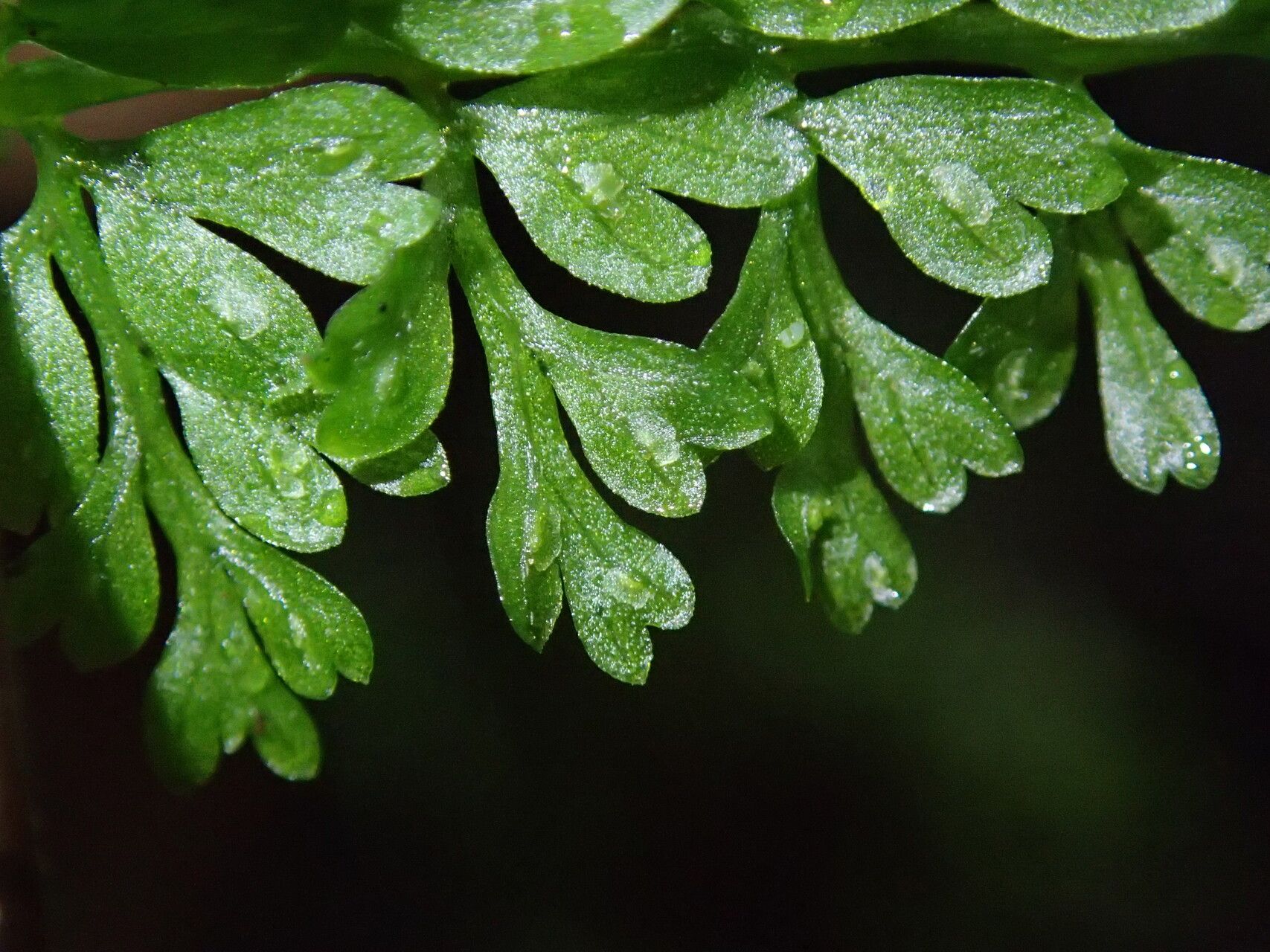
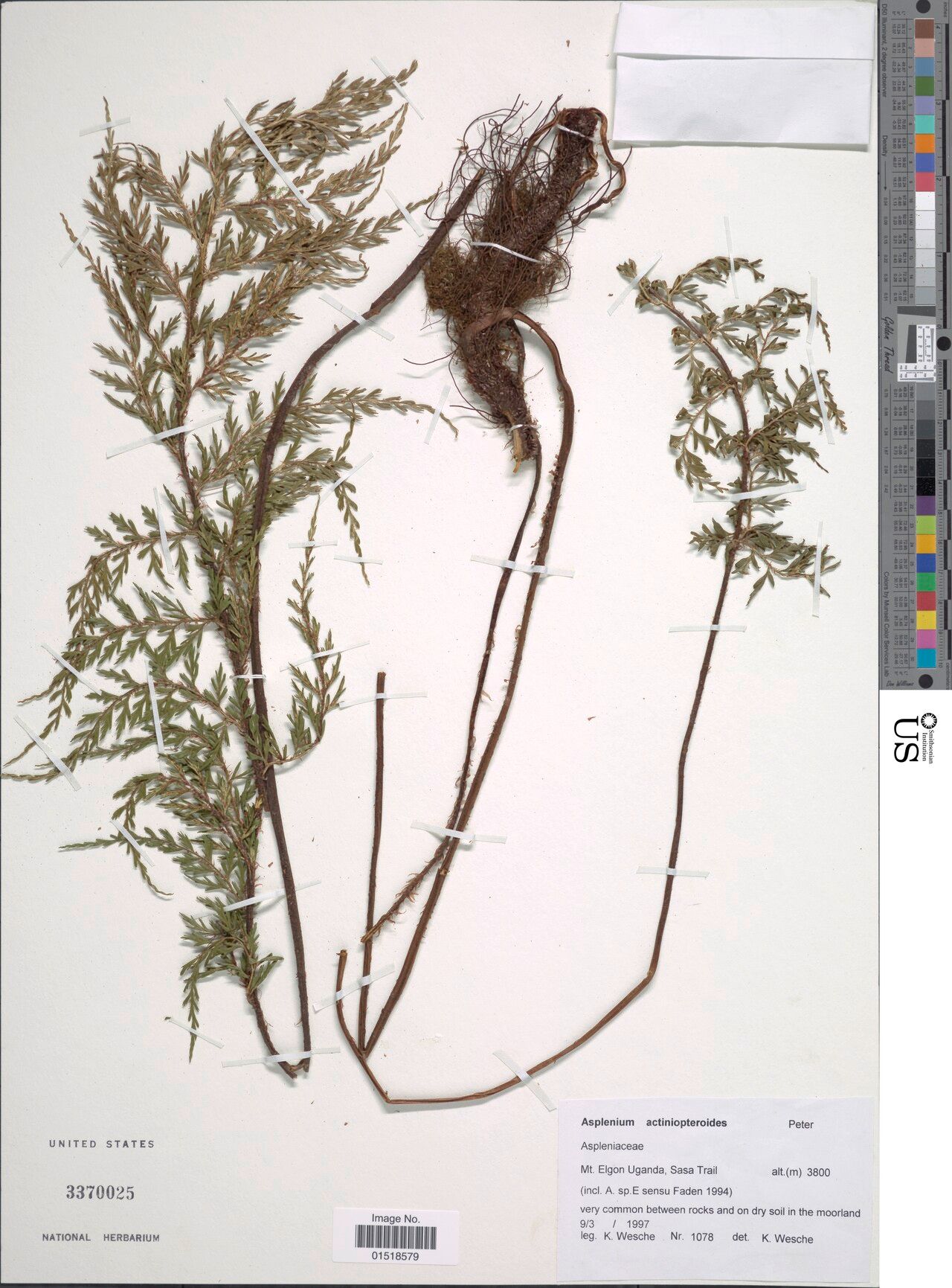
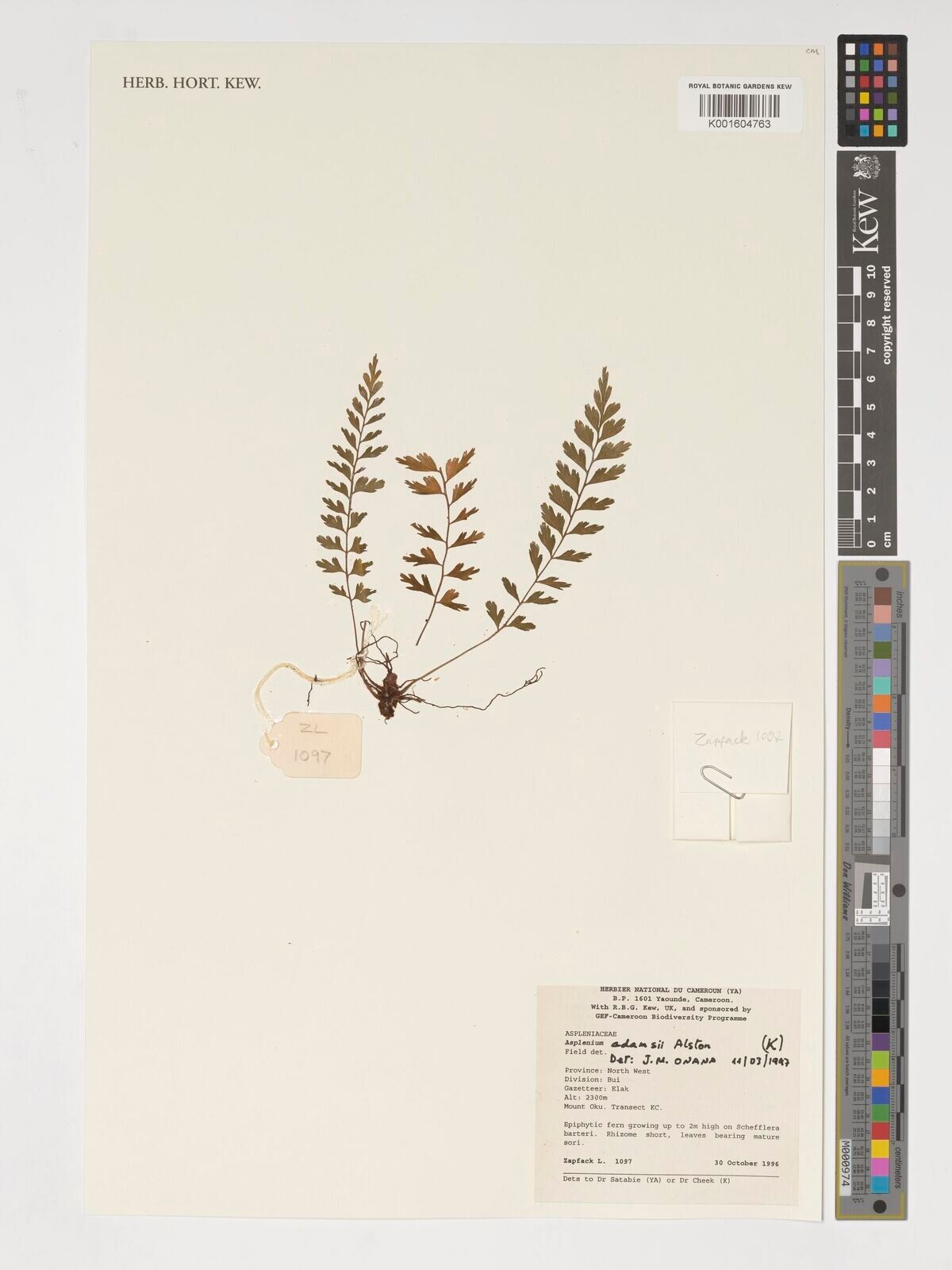
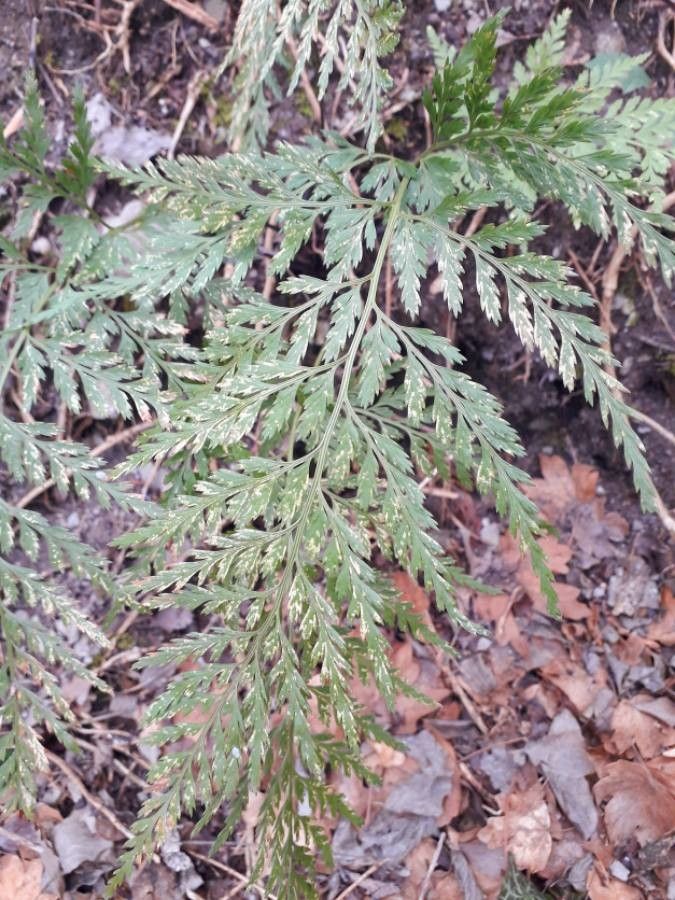
Asplenium septentrionale, commonly known as the Northern spleenwort, is a fern species belonging to the family Aspleniaceae. Native to Europe and Asia, it thrives in diverse habitats such as rocky crevices, walls, and cliffs.
This plant is easily recognizable by its distinctive fronds, which can grow up to 30 cm in length. The fronds are dark green with a glossy texture and are divided into numerous small leaflets, giving them a feathery appearance.
As an evergreen plant, Asplenium septentrionale can reach heights of up to 50 cm. It prefers moist soil conditions but is quite resilient and can tolerate dry conditions once established.
The Northern spleenwort has a rich history of medicinal use due to its anti-inflammatory properties. Ancient cultures also attributed magical properties to this plant.
Overall, Asplenium septentrionale is an attractive fern species that enhances the beauty and interest of any garden or landscape setting. Additionally, it holds historical significance as a medicinal herb.
Forked spleenwort has strong resistance to disease and is generally not prone to illnesses. Nevertheless, it can be vulnerable to pests and diseases found in its environment. These infections are typically mild. Regarding care, the plant requires a moderate level of attention. Regular pruning is necessary to preserve an attractive appearance and encourage healthy growth. Applying fertilizer can also aid in promoting blooms. Forked spleenwort is appropriate for anyone with outdoor space, like a garden or patio, and does not demand extensive experience in plant care. It may need extra attention when cultivated indoors.
How to keep Asplenium Septentrionale.
Light
The forked spleenwort prefers full sunlight. It can, however, adjust to environments with somewhat reduced illumination. This is due to its native habitat, where it flourishes in bright sun, although prolonged exposure to intense sunlight can reduce its vigor.
Water
The forked spleenwort, which naturally grows in rocky crevices, thrives with moderate moisture and is capable of withstanding dry conditions. To prevent oversaturation, watering it weekly is sufficient. Indoors, this plant benefits from moderate humidity levels, as its fronds can absorb moisture from the air. This makes it an excellent choice for stable environments.
Temperature
Forked spleenwort can tolerate a wide range of temperatures, but its occurrence may still be restricted by various combinations of water and heat conditions. It performs best in warm summer climates with sufficient rainfall or regular watering. Long stretches of cloudy, rainy weather or extended periods of high temperatures can raise the chance of Forked spleenwort dying. In winter, protecting it from cold can increase the plant’s survival rate.
Fertilizer
Typically one fertilizer application in spring is enough for Forked spleenwort, though repeated feedings can maximize growth. Feed every month to every month and a half. Fertilizing improves leaf appearance and function, helping maintain even color and a healthy texture. It also promotes root development and nutrient uptake, supporting the plant’s long-term health.
Pruning
Forked spleenwort features delicate fronds with a forked appearance and thrives in rocky, shaded areas. In the spring, prune the plant by removing any dead fronds, making sure to use sterilized tools to prevent infections. Additionally, regularly cut away any yellowing fronds. This will improve the plant's appearance, encourage healthy growth, and maintain its overall health.
Botanical profile.
- Plant Type
- Herb
- Life Cycle
- Perennial
- Genus
- Asplenium
- Family
- Aspleniaceae
- Hardiness Zone
- 4-8
- Mature Height
- 8 cm to 15 cm
- Mature Spread
- 5 cm to 10 cm
- Leaf Color
- Dark Green
- Leaf Type
- Evergreen
- Planting Time
- Summer, Autumn
Other names.
Reader questions.
What is the most effective way to water my Forked spleenwort?
To properly care for the Forked spleenwort plant, it is recommended to use filtered water at room temperature or slightly warmer. Tap water may contain harmful particles, so using filtered water is preferred. This plant is used to a warm environment, so cold water could be a shock to its system. It is important to avoid watering the plant from above as it can lead to issues with its foliage. Instead, it is best to thoroughly soak the soil with the filtered room temperature water. This helps to moisten the roots, allowing them to spread through the soil and absorb the necessary nutrients.
Why should I add fertilizer to my Forked spleenwort?
The Forked spleenwort relies heavily on its leaves, and proper fertilization is key to keeping them looking vibrant and functioning properly. Fertilization not only benefits the leaves' appearance, but also supports the growth of new roots and maintenance of existing ones. This ensures the plant's overall health in the present and enhances its ability to absorb essential nutrients from the soil in the future.
What are the sunlight requirements for the Forked Spleenwort?
The Forked Spleenwort thrives best in full sun, requiring above 6 hours of sunlight daily, but can also adapt to partial sun, roughly 3-6 hours of sunlight. This adaptability reflects its origin habitat's conditions, where it is accustomed to substantial sun exposure. Despite its preference for bright light, too much direct sunlight can impact its health negatively. To ensure your garden or indoor plants flourish, observe the movement of sunlight throughout the day and choose locations that offer the right balance of light and shade.
What is Forked spleenwort?
Forked spleenwort, scientifically known as Asplenium septentrionale, is a plant species classified within the family of spleenworts. Though specific details on its characteristics, habitat, and care were not provided, its unique name suggests it may exhibit distinct forking patterns possibly in its fronds or overall plant structure, which is a common trait among members of the Asplenium genus.
What should I do if I give my Forked spleenwort plant too much water or too little water?
Overwatering is a more common issue for the health of your Forked spleenwort. It causes wilting and yellowing of stems and leaves. Over time, it can lead to diseases like root rot, mold, and mildew, which can be fatal for your plant. Underwatering is less common due to the plant's drought tolerance, but it can still occur. When underwatering happens, the leaves become brittle and brown. It's crucial to notice signs of overwatering early on. Diseases caused by overwatering, such as root rot, may not be fixable if left untreated for too long. If you see early signs of overwatering, reduce watering immediately and check the soil's drainage. Replace poorly draining soil with a loose, well-draining potting mix. If your plant is receiving too little water, increase watering until signs of underwatering disappear.
When should I fertilize my Forked spleenwort?
When you grow your Forked spleenwort outdoors, it will send out new growth in early spring. This is a sign that it's time to start fertilizing. Usually, a Forked spleenwort does well with one application of fertilizer in spring. However, if you want to maximize its growth, you can fertilize it multiple times throughout spring and early summer. In that case, you can feed your Forked spleenwort once every month to a month and a half.
How can artificial lighting be used for the Forked Spleenwort indoors?
Indoor Forked Spleenworts, especially when natural sunlight is scarce, benefit greatly from artificial lighting to support their growth. Employing artificial lights, such as LED, which can be calibrated to the specific light wavelengths needed by plants, is an effective strategy. For full sun plants, 30-50W/sq ft of light is recommended, partial sun plants 20-30W/sq ft, and full shade plants 10-20W/sq ft. It's also important to position these lights 12-36 inches away from the plants, simulating the natural sun's reach, and ensuring they receive 8-12 hours of light per day to mimic natural daylight hours. This regimen helps indoor plants maintain healthy growth during less sunny periods or in less sunny locations.
How often should I water my Forked spleenwort plant?
If your Forked spleenwort plant is in a pot, you can easily determine if it needs water by checking the soil. Just stick your finger into the soil and if the top two to three inches are dry, it's time to water it. Similarly, if you have your Forked spleenwort planted outdoors in the ground, you can use the same method to check the soil moisture. Once the first few inches of soil have dried out, it's time to give it some water. Generally, during the spring and early fall, watering once a week is sufficient. However, during hot weather, you may need to increase the watering frequency to twice or more per week. It's worth noting that mature and well-established Forked spleenwort plants have a remarkable ability to withstand drought.
When shouldn't I put fertilizer on my Forked spleenwort?
During late fall and winter, the Forked spleenwort goes into a dormant phase where it stops growing. It is important to refrain from fertilizing it during this time. In spring and summer, if you choose to fertilize, gradually decrease the amount as summer approaches because the growth rate of the Forked spleenwort also slows down. It is never a good idea to fertilize when it is unseasonably hot or if the soil is very dry, as this could cause undue stress and premature death of the Forked spleenwort.
What are the common symptoms of improper lighting for the Forked Spleenwort?
Improper lighting can manifest through various symptoms in the Forked Spleenwort. Insufficient light can lead to smaller new leaves, leggy or sparse growth, accelerated leaf drop, stalled growth, or the appearance of lighter-colored or yellow leaves (chlorosis). On the other hand, too much sunlight can result in symptoms like sunscald, which shows as damaged pale or necrotic areas on plant tissue, leaf curling as a protection against excessive sun, wilting from heightened water loss, or leaf scorching indicated by brown, dry edges on leaves. These conditions reflect the plant's struggle to adapt to its light environment, highlighting the importance of monitoring and adjusting light exposure.
How much water does my Forked spleenwort require?
To properly water your Forked spleenwort, you should be generous with the amount of water you give. Make sure the top two to three inches of soil are dry before watering, and then give it a good soak. The water should completely saturate the soil and excess water should flow out of the drainage holes in the pot. If you don't see any water draining from the pot, you have likely not given enough water. But be careful not to let the water accumulate in the soil, as that can harm the plant. On the other hand, if water isn't draining properly, it could be a sign of poorly draining soil, which is not good for the plant's health. If the plant is outdoors, one inch of rain per week should be enough.
What kind of fertilizer does my Forked spleenwort need?
Choosing the best fertilizer for a Forked spleenwort is fortunately a straightforward task. These plants thrive on a general-purpose garden fertilizer with equal amounts of nitrogen, phosphorus, and potassium. A fertilizer with a 10-10-10 ratio or something similar will be effective. Avoid fertilizers with high amounts of nitrogen if unsure. Granular slow-release fertilizers are most suitable for a Forked spleenwort. They are easy to apply to the soil. Additionally, an organic soil amendment like compost can be helpful for feeding your Forked spleenwort.